Meralgia Paresthetica: Causes, Symptoms, and Chiropractic Solutions

Meralgia paresthetica is often an overlooked diagnosis for symptoms such as tingling, numbness, and burning pain on the front and outside of the thigh. This condition results from the compression or irritation of the lateral femoral cutaneous nerve, which supplies sensation to the thigh.

Causes and Risk Factors

The lateral femoral cutaneous nerve can become compressed beneath a ligament, tendon, or tight muscle in the hip and pelvis. Several factors can increase the likelihood of developing meralgia paresthetica, including:

  • Pregnancy: The added weight and changes in body mechanics during pregnancy can increase pressure on the nerve.
  • Excess Weight: Being even slightly overweight can exacerbate nerve compression.
  • Tight Clothing: Items such as girdles, compressive shorts, or tight belts can aggravate the condition.
  • Occupational Equipment: Carpenters’ tool belts or police duty belts may compress the nerve.
  • Prolonged Positions: Sitting for extended periods or lying in a fetal position can worsen symptoms.
  • Diabetes: Diabetics are at greater risk due to the potential for nerve damage associated with the condition.

Symptoms

In the early stages, symptoms of meralgia paresthetica are usually mild and intermittent. Walking or standing can aggravate the symptoms, while sitting tends to provide relief. As the condition progresses, numbness and tingling can develop into severe, shooting pain that may not be alleviated by changing positions.

Chiropractic Care: A Non-Invasive Solution

Chiropractic care offers a holistic, non-invasive approach to managing and treating meralgia paresthetica. Here’s how chiropractic can help:

1. Spinal and Pelvic Adjustments

Chiropractors perform adjustments to correct any misalignments in the spine and pelvis that may contribute to nerve compression. These adjustments help restore proper alignment and reduce pressure on the lateral femoral cutaneous nerve.

2. Soft Tissue Therapy

Techniques such as massage, myofascial release, and trigger point therapy can alleviate muscle tightness and tension in the hip and pelvis area, which can help reduce nerve compression.

3. Stretching and Strengthening Exercises

Chiropractors provide personalized exercise programs to stretch tight muscles and strengthen weak ones. These exercises can improve flexibility and stability in the hip and pelvis, further reducing pressure on the nerve.

4. Posture and Ergonomic Advice

Poor posture and improper ergonomics can contribute to nerve compression. Chiropractors can offer guidance on maintaining proper posture and making ergonomic adjustments at work or home to prevent aggravating the condition.

5. Lifestyle Modifications

Chiropractors can recommend lifestyle changes to help manage symptoms. This might include weight management strategies to reduce excess tissue compression, advice on wearing looser clothing, and alternative solutions for occupational equipment that doesn’t place pressure on the affected area.

Practical Tips for Managing Meralgia Paresthetica

  1. Wear Looser Clothing: Avoid tight belts, girdles, or compressive shorts. Opt for suspenders instead of a belt if necessary.
  2. Adjust Occupational Equipment: If you use a tool belt or duty belt, ensure it doesn’t place excessive pressure on the hip area.
  3. Maintain a Healthy Weight: A sensible weight loss program can help reduce compression from excess tissue.
  4. Modify Your Posture: Avoid prolonged sitting or lying in positions that aggravate your symptoms.
  5. Engage in Regular Exercise: Incorporate stretching and strengthening exercises into your routine to maintain muscle balance and reduce nerve compression.

Conclusion

Meralgia paresthetica can significantly impact your quality of life, but with the right approach, you can manage and alleviate your symptoms. Chiropractic care provides a comprehensive, non-invasive treatment option that addresses the root causes of nerve compression. At River East Chiropractic, our new facility offers a range of services, including chiropractic, acupuncture, massage, occupational therapy, and a full gym to support your recovery and overall well-being.

Contact us today to schedule an appointment and start your journey toward relief from meralgia paresthetica. Follow us on social media for more health tips and updates on how chiropractic care can improve your quality of life.

Understanding Piriformis Syndrome: Symptoms, Causes, and Treatment Options

Piriformis syndrome is a condition where the sciatic nerve is compressed as it passes underneath a muscle in your buttock called the piriformis. This muscle attaches from the sacrum (the lowest part of your spine) and extends across to your hip, helping to rotate your leg outward when it contracts. For most people, the sciatic nerve travels deep beneath the piriformis muscle. However, if the piriformis muscle becomes irritated or goes into spasm, it can cause painful compression of the sciatic nerve. Interestingly, about a quarter of the population is more likely to suffer from piriformis syndrome because their sciatic nerve passes through the muscle rather than underneath it.

Causes of Piriformis Syndrome

Piriformis syndrome can start suddenly due to an injury or develop gradually from repeated irritation. Common causes include:

  • Falls onto the buttocks
  • Catching oneself from a near fall
  • Strains
  • Long-distance walking
  • Stair climbing
  • Sitting on hard surfaces or wallets

In many cases, a specific triggering event cannot be pinpointed. This condition is most common in people aged 40-60 and affects women more often than men.

Symptoms of Piriformis Syndrome

Symptoms of piriformis syndrome include:

  • Pain, numbness, or tingling that begins in the buttock and radiates along the sciatic nerve toward the foot.
  • Symptoms often increase when sitting or standing in one position for more than 15-20 minutes.
  • Changing positions may help alleviate symptoms.
  • Increased discomfort when walking, running, climbing stairs, riding in a car, sitting cross-legged, or getting up from a chair.

Effective Treatments for Piriformis Syndrome

Sciatica arising from piriformis syndrome is one of the most treatable forms of sciatica and generally responds well to the type of treatment provided at our office. Here are some effective treatment options:

1. Chiropractic Adjustments

Chiropractors can perform adjustments to help relieve pressure on the sciatic nerve and improve overall spinal alignment, reducing irritation of the piriformis muscle.

2. Massage Therapy

Massage can help relax the piriformis muscle, reduce spasms, and alleviate sciatic nerve compression.

3. Physical Therapy

Physical therapists can guide you through specific exercises to stretch and strengthen the piriformis muscle and surrounding muscles, promoting better muscle balance and reducing pressure on the sciatic nerve.

4. Acupuncture

Acupuncture can help relieve muscle tension and improve blood flow, reducing pain and promoting healing.

5. Home Care and Exercises

Applying an ice pack to your buttock for 15-20 minutes at a time, several times throughout the day, can provide relief. Additionally, home stretching exercises are an important part of your recovery. Here are some stretches you can try:

  • Piriformis Stretch: Lie on your back with both knees bent. Cross the affected leg over the other, resting the ankle on the opposite knee. Gently pull the bottom knee toward your chest until you feel a stretch in the buttock.
  • Hamstring Stretch: Sit on the ground with your legs extended straight out. Reach toward your toes, keeping your back straight, until you feel a stretch along the back of your thighs.

Conclusion

Piriformis syndrome can be a painful and debilitating condition, but with proper treatment, it is highly manageable. If you suspect you have piriformis syndrome, consult with a healthcare professional for an accurate diagnosis and personalized treatment plan. At River East Chiropractic, we offer comprehensive care, including chiropractic adjustments, acupuncture, massage therapy, occupational therapy, and access to a full gym, to help you find relief from piriformis syndrome and get back to your favorite activities.

Contact us today to schedule an appointment and start your journey toward a pain-free life. Don’t forget to follow us on social media for more health tips and updates!

Preventing Hamstring Strains: Strengthening and Stretching Techniques

The hamstring, a crucial group of muscles at the back of the thigh, facilitates knee flexion, allowing movements like bringing your heel toward your buttock. A hamstring strain occurs when these muscles or their tendons are stressed beyond their capacity, akin to overstretching a rope. This overexertion can result from activities such as running or excessive stretching, leading to tearing, bleeding, bruising, swelling, pain, and loss of function.

Symptoms of a hamstring strain range from mild discomfort to severe pain, depending on the extent of tissue damage. Often, strains occur suddenly, characterized by tearing, burning, or popping sensations accompanied by immediate pain below the buttock. Pain exacerbates when straightening the leg, walking, or bending forward, with bruising commonly appearing near the injury site. Inform your doctor of any additional symptoms such as lower back pain, calf pain, exacerbation with coughing or sneezing, or the presence of a rash on the thigh.

Hamstring injuries are more prevalent when muscles are fatigued, occurring more frequently with age. Factors like excessive tightness or weakness in the hamstring, quadriceps dominance, insufficient core strength, or poor running form increase susceptibility to injury. Addressing these predisposing factors through appropriate stretching, strengthening, and technique correction can help prevent hamstring strains and promote overall muscle health and function.

#Chiropractic #Winnipeg #FitLife #Wellness

Stress Fracture

A stress fracture is an overuse injury. This type of fracture is defined by a tiny crack in the bone, mainly caused by repetitive forces over time.

This condition affects mainly people that are involved in activities such as walking, running or jumping, where the lower body must absorb the bodyweight. Stress fractures can also develop from the normal use of a bone that’s weakened by a condition such as osteoporosis.

Generally, this injury happens when training intensity and/or volume is increased too quickly with inadequate recovery. Starting a new activity, modifying the training surface and quickly transitioning to a new type of inadequate training shoes are among the risk factors.

A stress fracture can cause but is not limited to, pain and difficulty in weight-bearing activities and localized swelling.

#Chiropractic #PainRelief #Healthyliving #LaserTherapy #Winnipeg #BackPain #NeckPain #Headache #Fitness #Athlete #Wellness

Contact us for treatment in Winnipeg

Find and Follow us on Twitter and Instagram!

IT Band Syndrome

Photo by Andrea Piacquadio on Pexels.com

IT Band Syndrome occurs when a band of connective tissues on the outside of your thigh, called the iliotibial band, becomes irritated as a result of repeated rubbing against the side of your knee during flexion and extension movements.

People who engage in activities or sports that involve jumping, biking or running are at higher risk. This injury is quite frequent among runners.

Normally, this injury occurs during a period when the training intensity and/or volume has been increased too quickly with inadequate recovery.

Treatment of IT Band injuries consists of Class IV Laser Therapy, management of any biomechanical stresses in the area and exercise rehabilitation to address any weaknesses that can be putting undue stress on the area. 

#LaserTherapy
#HipInjuries
#Winnipeg
#Chiropractic
#LegInjury
#HipPain

Suffering with IT Band Syndrome? Contact us for treatment in Winnipeg

Find and Follow us on Twitter and Instagram!

Hip Fractures

Photo by Dmitriy Ganin on Pexels.com

A hip fracture usually occurs in the upper part of the thigh bone (femur), near the hip joint.


This type of fracture mainly occurs as a result of a fall or a direct impact on the bone, such as in a car accident. Osteoporosis and osteopenia can contribute to weakened bone integrity and increase the risk of fracture.


Older people and post-menopausal women are at higher risk of a hip fracture.
A stress fracture can occur following a period of overtraining and can also lead to a hip fracture.

Lateral Ankle Sprain

Photo by Kindel Media on Pexels.com

A lateral ankle sprain (LAS) occurs when you twist or roll your ankle inward.
This can happen by walking/running on an uneven surface, stepping on someone else’s foot, pivoting or changing direction during sport.

The severity of the sprain can range from mild to severe.

Usually, this abrupt inward ankle twist or roll will lead to a stretch or
a tear, partial or complete, of the lateral ligament complex of your ankle.
In the very moment preceding the sprain, your ankle muscles will tend to protect you with a forceful contraction. Sometimes, this can lead to muscle spasms and/or a small bone fracture where the muscle attaches to your foot.

The peroneal nerve and the ligaments of your foot may also be overstretched during a lateral ankle sprain.

Everyone will react differently after an injury and recovery will depend on the severity of the sprain. LAS can cause but is not limited to, pain, difficulty in weight-bearing activities, swelling, ecchymosis, pins & needles.

The severity of the sprain, your rehabilitation plan, your health status, your fitness level and your nutrition affect recovery time. Generally, you can expect to fully recover from a lateral ankle sprain.

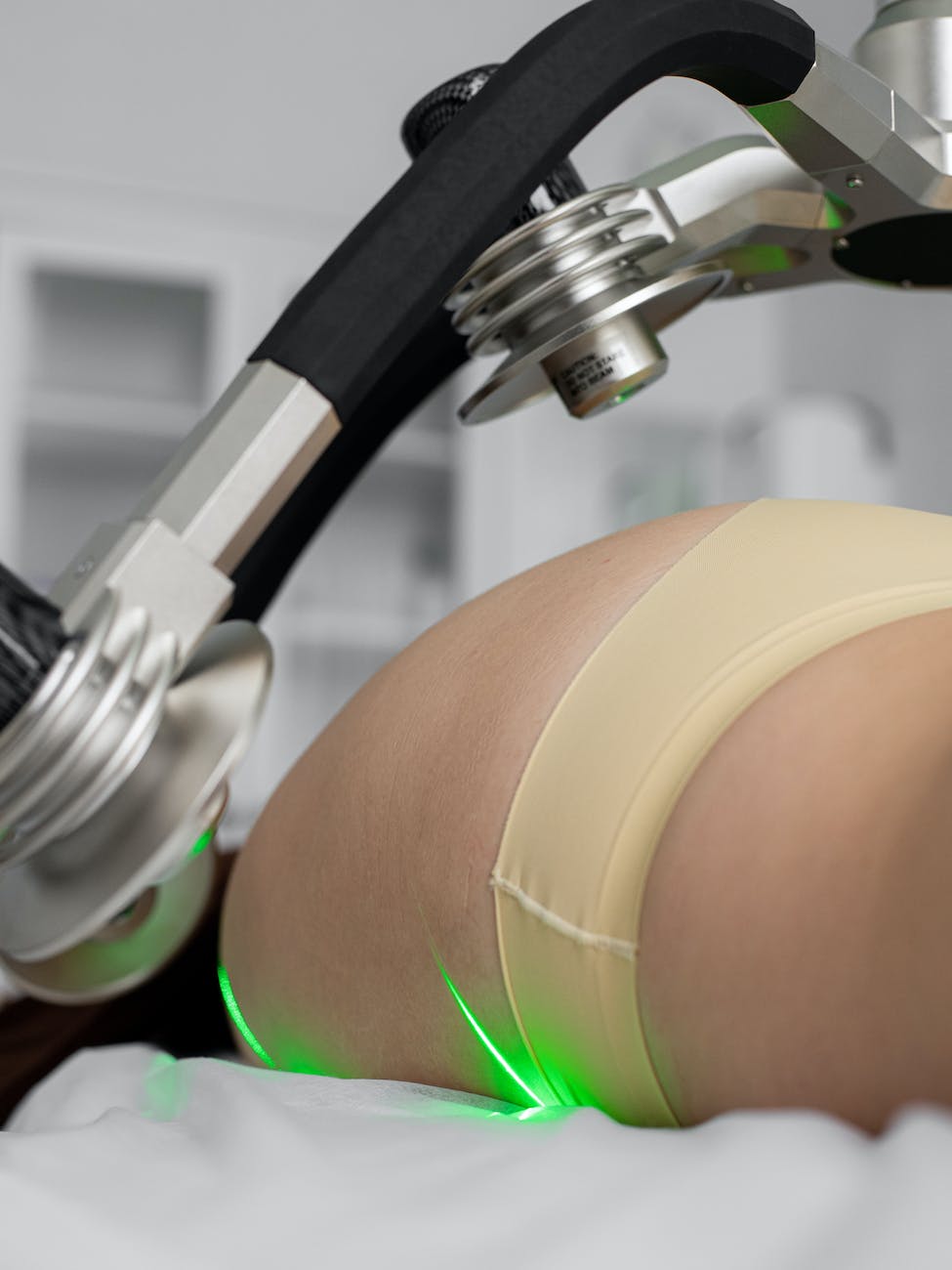
Class IV Laser and acupuncture are large parts of our treatments. They provides safe and effective, treatment for knee pain and injury. Patients generally respond well to treatments and should notice pain relief after a few treatments. Our treatments use the latest Class IV Lasers and as well as other therapies including myofascial release and acupuncture to help reduce the pain, strengthen the muscles and increase range of motion. Most importantly these treatments help reduce inflammation/swelling, which helps with increasing function, pain relief and speeding up a return to normal life.

#AnkleSprain #LaserTherapyWinnipeg #LaserTherapy #PainRelief

Suffering with a sprained ankle? Contact us for treatment in Winnipeg

Find and Follow us on Twitter and Instagram!

Shin Splints

Photo by Pixabay on Pexels.com

If you’re an avid runner, then you’ve probably experienced the pain of medial tibial stress syndrome at some point. Also known as shin splints, this condition is caused by repetitive stress on the tibia, or by excessive traction on the fascia (the muscle envelope) from the surface of the bone.

This condition, commonly known as “shin splints”, affects people who regularly participate in activities that put stress on the lower leg muscles and tibia, such as walking, running, or jumping. The condition is caused by training intensity and/or volume being increased too quickly, without allowing adequate time for recovery.

Shin splints are a painful condition caused by repetitive stress on the shinbone (tibia). This can be from excessive traction on the muscles and fascia around the bone, resulting in inflammation. Shin splints are a common injury, especially for runners. Treatment includes rest, ice, and stretching as.

Repetitive stress on the tibia, or excessive traction of the fascia, can cause medial tibial stress syndrome (shin splints). The fascia is a muscle envelope that covers the surface of the bone. When this tissue is overworked, it can lead to pain and inflammation in the shins.

This condition mostly affects people who do a lot of walking, running, or jumping. Their tibia and lower leg muscles have to absorb a lot of weight, which can lead to injury. Generally, this happens when people suddenly increase the intensity or volume of their training without giving their bodies enough time to recover.

Class IV Laser is a large part of our treatments. It provides safe and effective, treatment for leg pain and injury. Patients generally respond well to treatments and should notice pain relief after a few treatments. Our treatments use the latest Class IV Lasers and as well as other therapies including myofascial release and acupuncture to help reduce the pain, strengthen the muscles and increase range of motion. Most importantly these treatments help reduce inflammation/swelling, which helps with increasing function, pain relief and speeding up a return to normal life. 

Need more info or looking for treatment in Winnipeg? Contact Us

Check out our Instagram Page Too! Or our Twitter Machine! We love to see liking, following and commenting!

What to do about your Stress Fracture

Stress Fracture

Continuing on from yesterday’s stress fracture information, today we look at what to do and what to avoid with a stress fracture.

Relative rest is a good way to protect your bone against further damage. Initially, limiting pain-provoking activities is necessary. Then, progressive return to weight-bearing during your activities of daily living, non-painful light cardiovascular exercises and therapeutic exercises will allow better recovery.

In the presence of a stress fracture, it’s important that physical activities, such as training, for example, are performed below the pain threshold.

Follow your practitioner’s advice. It will help you manage the different phases of the recovery process and will increase the likelihood of successful rehabilitation. Your practitioner will assist you during your rehabilitation program in order to regain your normal range of motion, strength and endurance, balance and pre-fracture functional status.

As per the principles of rehabilitation for stress fractures, reducing impacts is one of the main elements of functional recovery. In most cases, temporarily modifying training to focus on non-weight-bearing activities such as biking or swimming can help maintain your training level while allowing optimal bone recovery.

Avoid returning too quickly to running or activities that caused the fracture. A stress fracture can lead to a more important fracture if pain signals are ignored. People that reduce the volume of high-impact activities typically recover faster.

Stress Fractures

A stress fracture is an overuse injury. This type of fracture is defined by a tiny crack in the bone, mainly caused by repetitive forces over time.

This condition affects mainly people that are involved in activities such as walking, running or jumping, where the lower body must absorb the bodyweight. Stress fractures can also develop from the normal use of a bone that’s weakened by a condition such as osteoporosis.

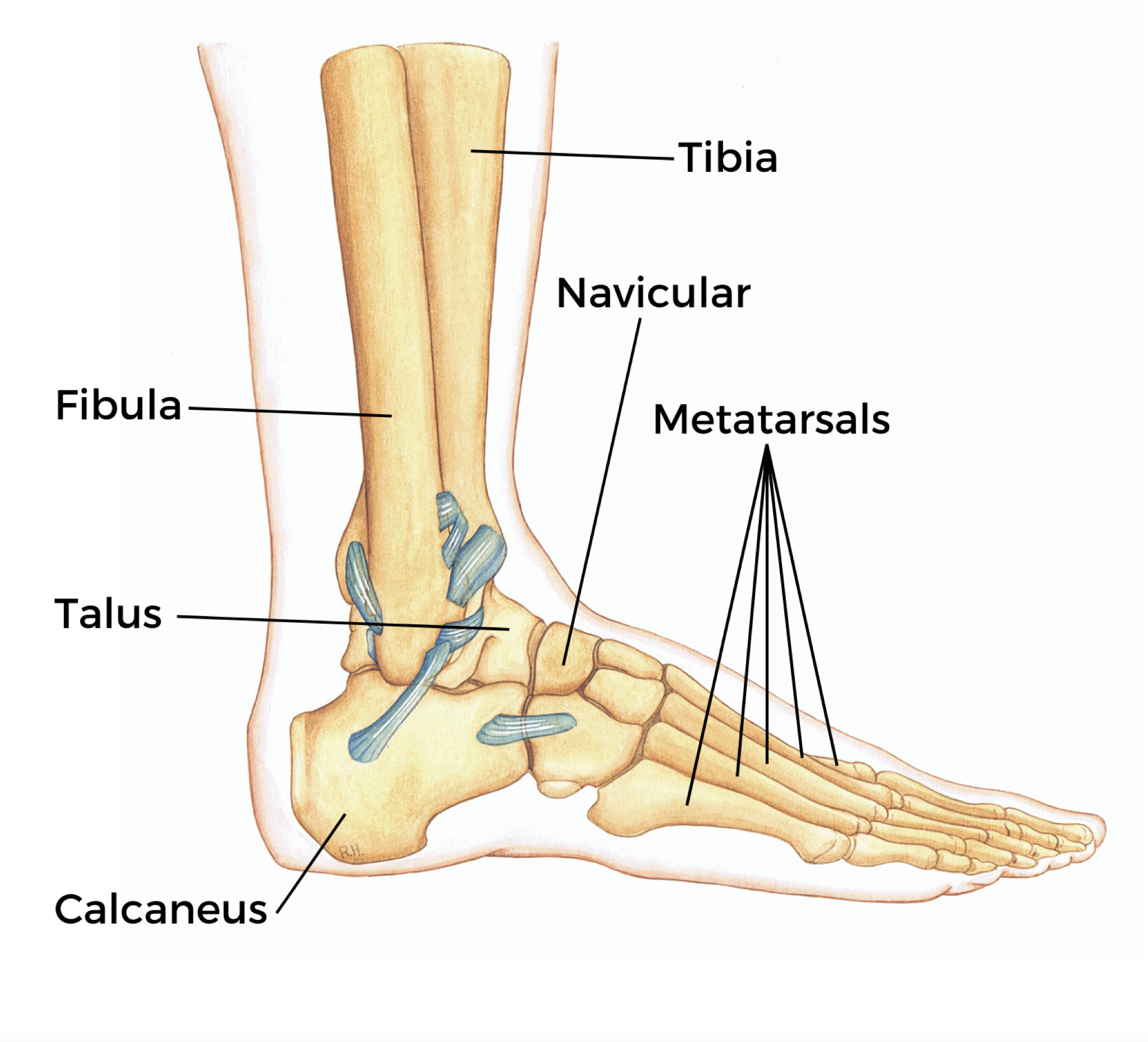
Generally, this injury happens when training intensity and/or volume is increased too quickly with inadequate recovery. Starting a new activity, modifying the training surface and quickly transitioning to a new type of inadequate training shoes are among the risk factors.A stress fracture is most commonly seen in the weight-bearing bones of the lower leg and foot. Metatarsals, which are five long bones between the center of the foot and the toes, are the most affected. Stress fractures are also common in the calcaneus, the talus, the navicular, the tibia and the fibula. The stress fracture generally occurs at the base or center of the bone.

Everyone will react differently after an injury and recovery will depend on the severity. A stress fracture can cause but is not limited to, pain and difficulty in weight-bearing activities and localized swelling.

Your rehabilitation plan, your health status, your fitness level and your nutrition affect recovery time. Generally, you can expect to fully recover from a stress fracture. Typically, this type of fracture heals within four to eight weeks.