Golfer’s Elbow

Golf Elbow.png

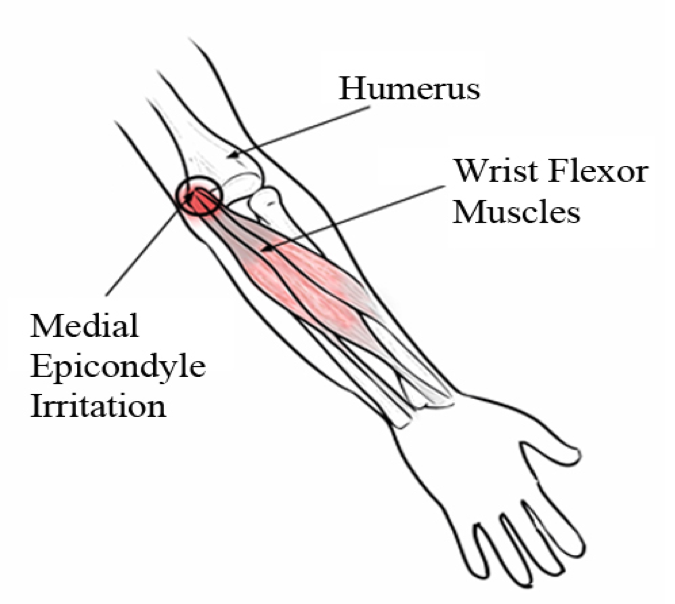
Most of the muscles that flex your wrist are attached to a bony bump on the inside of your elbow called the “medial epicondyle.” Sometimes, through injury or overuse, the site where these muscles originate can become irritated or inflamed. This condition is called “medial epicondylitis”, or “golfer’s elbow.”

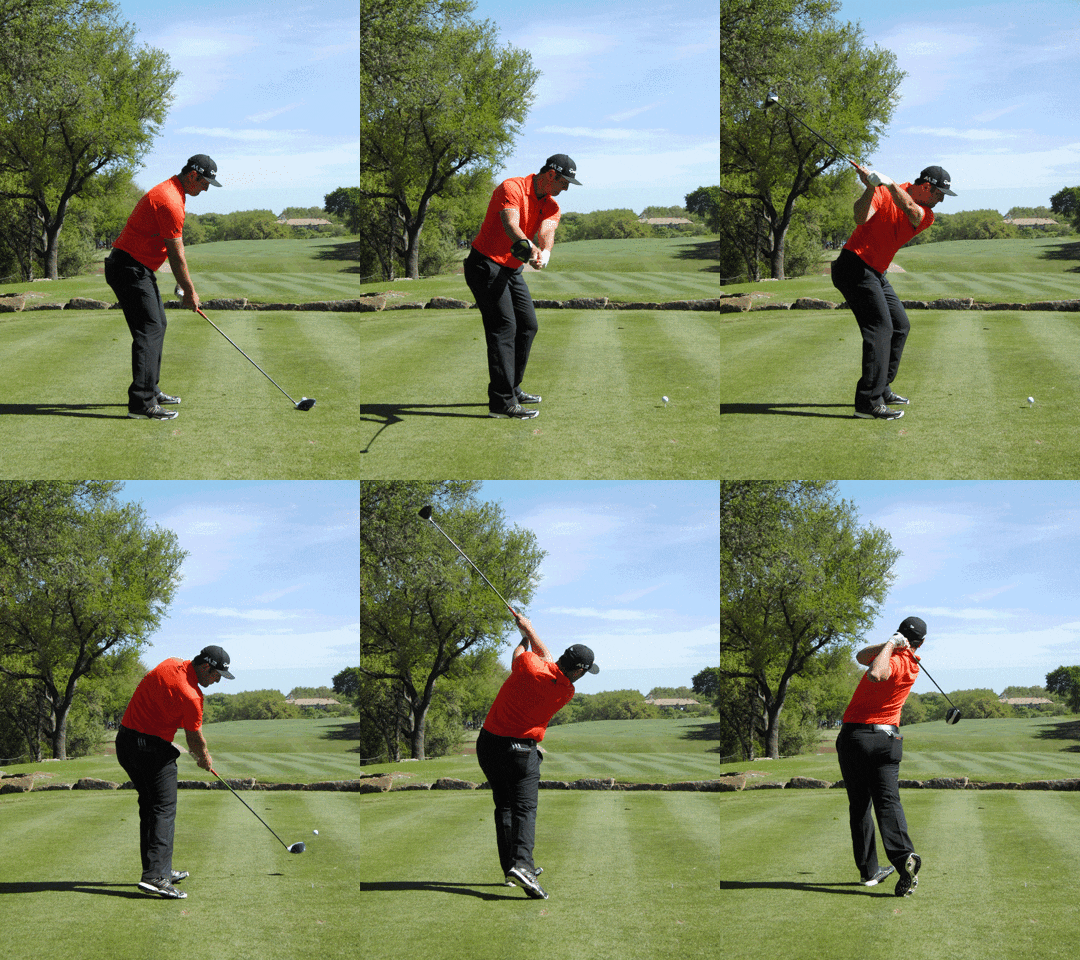
Although the condition is named “golfer’s elbow,” over 90% of those affected are not even athletes, much less golfers. Nonetheless, the condition is more common in certain sports, especially golf, throwing, bowling, football, archery, and weight lifting. Occupations that require heavy gripping or repeated hand movements, like carpentry or typing, can predispose you to this condition. Smokers and people who are obese are more likely to experience this condition.

Medial epicondylitis is the most frequent cause of pain on the “inside” of your elbow but is 3-10 times less likely that its “outside” counterpart- lateral epicondylitis (i.e. “tennis elbow”). Medial epicondylitis is most common between the ages of 40 and 60. The condition strikes the dominant arm in over 3⁄4 of cases. Your symptoms will likely include a dull aching pain over the bump on the inside of your elbow that becomes more intense with use. As the condition progresses, you may notice grip weakness or limitations when shaking hands, grasping objects, and opening jars. Be sure to tell your doctor if you notice numbness or tingling traveling toward your hand.


If left untreated, medial epicondylitis can last indefinitely. Studies show that up to 40% of untreated patients suffer prolonged discomfort, some as long as three years. Fortunately, conservative treatment like the type provided in our office is effective for relieving this condition. Our office may prescribe an elbow “counterforce brace” to help dampen stress to the irritated area. This type of brace should not be used in patients who have numbness or tingling radiating into their fingers. Some patients may benefit from a “wrist splint” that is used at night to allow your tendon to heal in a lengthened position. Using ice or ice massage over your elbow can help limit pain. Your home exercises will play an important role in your recovery.

Initially, you may need to avoid activities that cause an increase in pain, like gripping, lifting, golfing, throwing balls, or swinging a racquet. Be sure to warm up properly and stretch prior to any heavy physical activity. Smokers would benefit from quitting. Overweight patients should consider increasing their aerobic activity to shed excess pounds.

If you or someone you know suffers from this condition, call our office today. Our doctors are experts at relieving many types of pain including elbow injuries.

Contact us for treatment in Winnipeg
Find and Follow us on Twitter and Instagram!

Rotator Cuff Tears

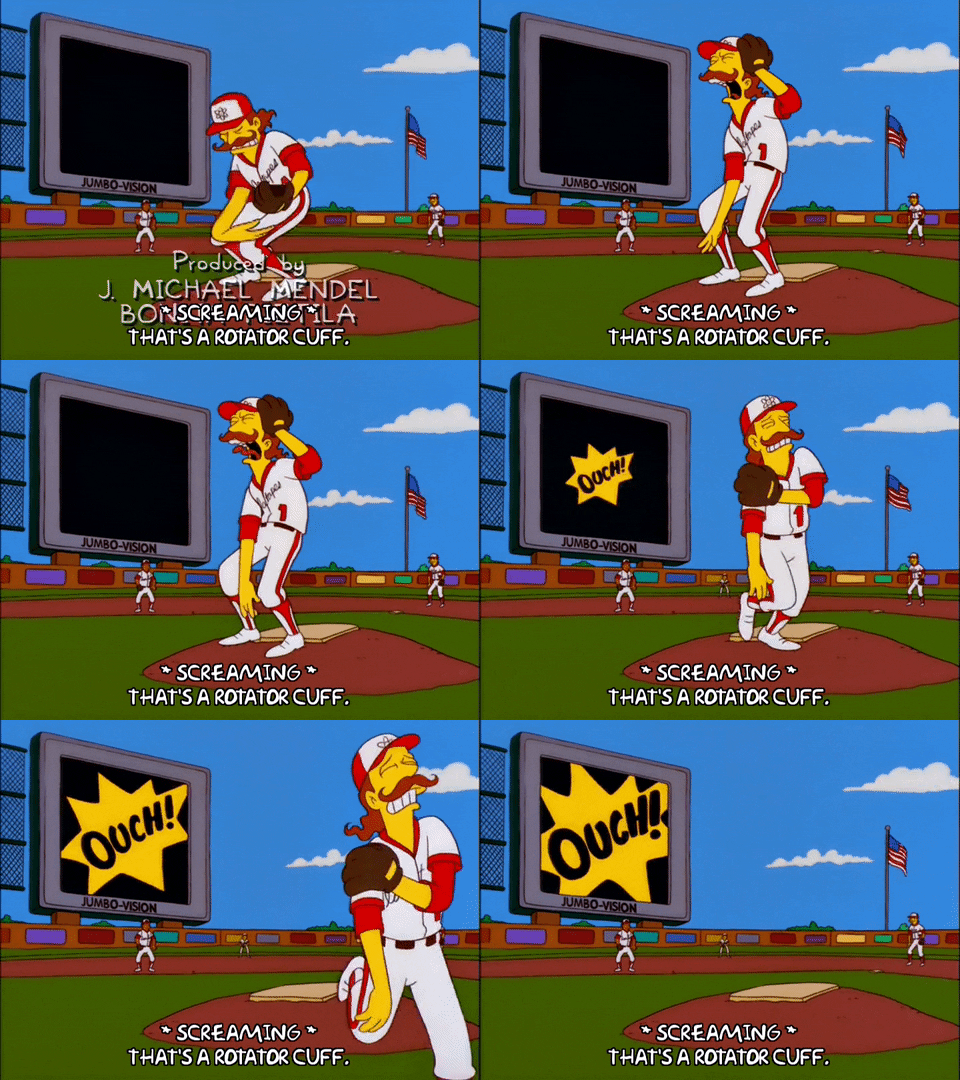
A rotator cuff tear means that one or more tendons of a group of muscles stabilizing the shoulder – called the rotator cuff – is torn either partially or fully.

The rotator cuff consists of four muscles that help stabilize the humerus (upper arm bone), in the shoulder socket during arm movements.

The shoulder has great mobility but is prone to injury during falls or accidents, or in case of altered motor control.

A tear of the rotator cuff can cause but is not limited to, pain at the shoulder and sometimes the scapula, loss of strength and active range of motion, and sometimes localized swelling.

Pain or weakness is often felt when lifting the arm overhead or when lowering it from an elevated position. Pain may also be present at night. In more advanced cases, one may additionally feel pain during the day while at rest.

Relative rest is a good way to protect your shoulder and prevent further damage, but it’s important to avoid overprotecting your injury. A few days rest where you avoid pain-inducing movement and activities might be necessary. Returning to your activities of daily living, light cardiovascular exercise and specific mobility and strengthening exercises will allow better recovery.

Treatment of Tennis Elbow consists of Acupuncture, Class IV Laser Therapy, management of any biomechanics stresses in the area and exercise rehabilitation to address any weaknesses that can be putting undue stress on the area. 

#LaserTherapy
#ShoulderInjuries
#Winnipeg
#Chiropractic
#Acupuncture
#RotatorCuff

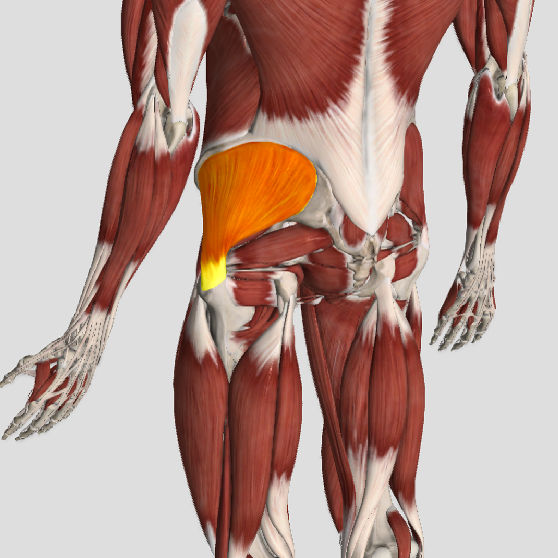
Can Having a Weak Buttocks Cause Back Pain?

Screen Shot 2017-10-31 at 11.12.00 AM

Problem: a new study found that people who have weak gluteal muscles suffer higher rates of low back pain.
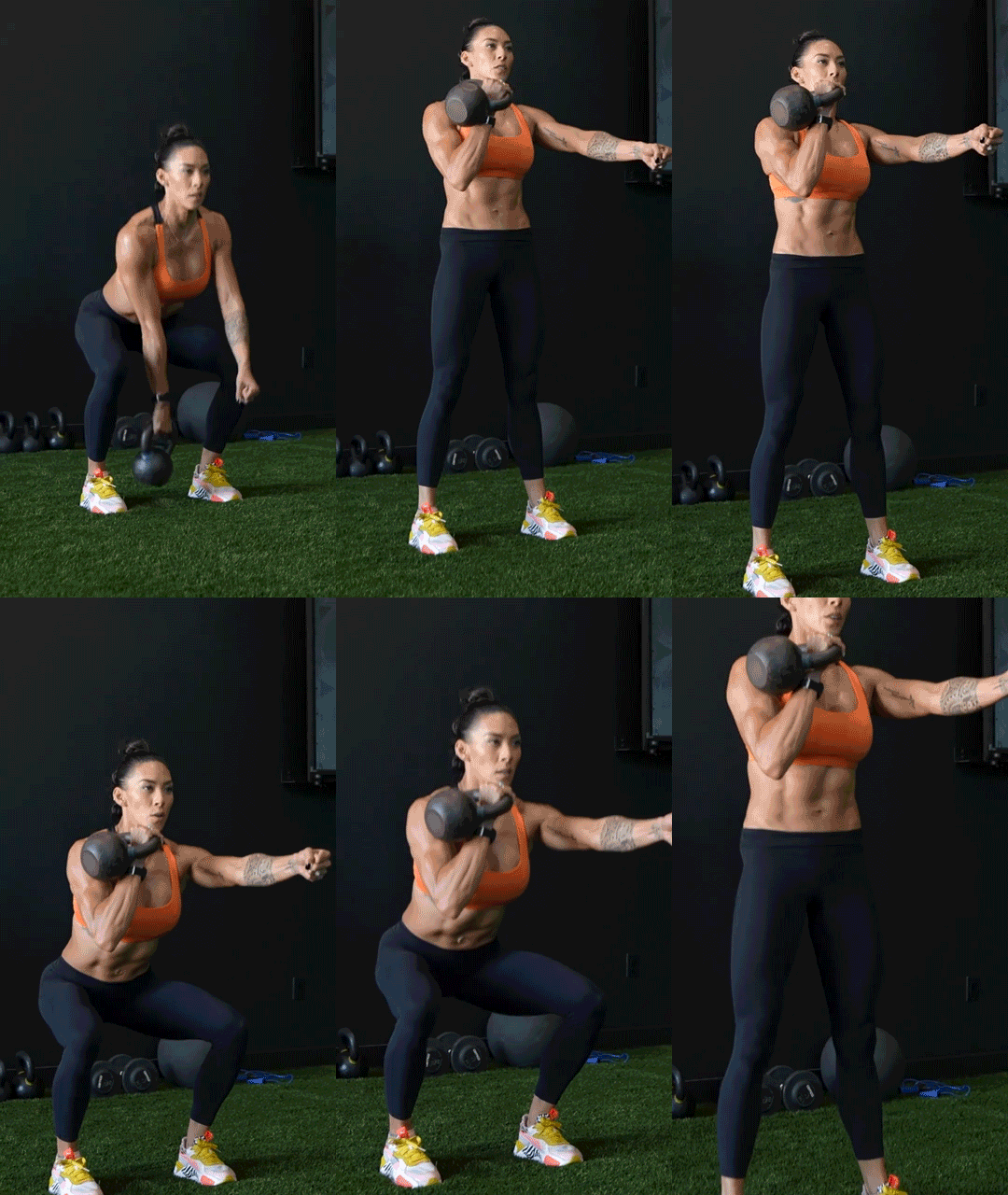
Solution: (after you check with your doctor) try one of these simple exercises to help strengthen your gluteal muscles.

Contact us for treatment in Winnipeg
Find and Follow us on Twitter and Instagram!

Aboufazeli M et al. Comparison of Selective Local and Global Muscle Thicknesses in Females with and without Chronic Low Back Pain. Orthop Traumatol Rehabil. 2018 Jun 27;20(3):197-204.

Arthritis Of The Big Toe

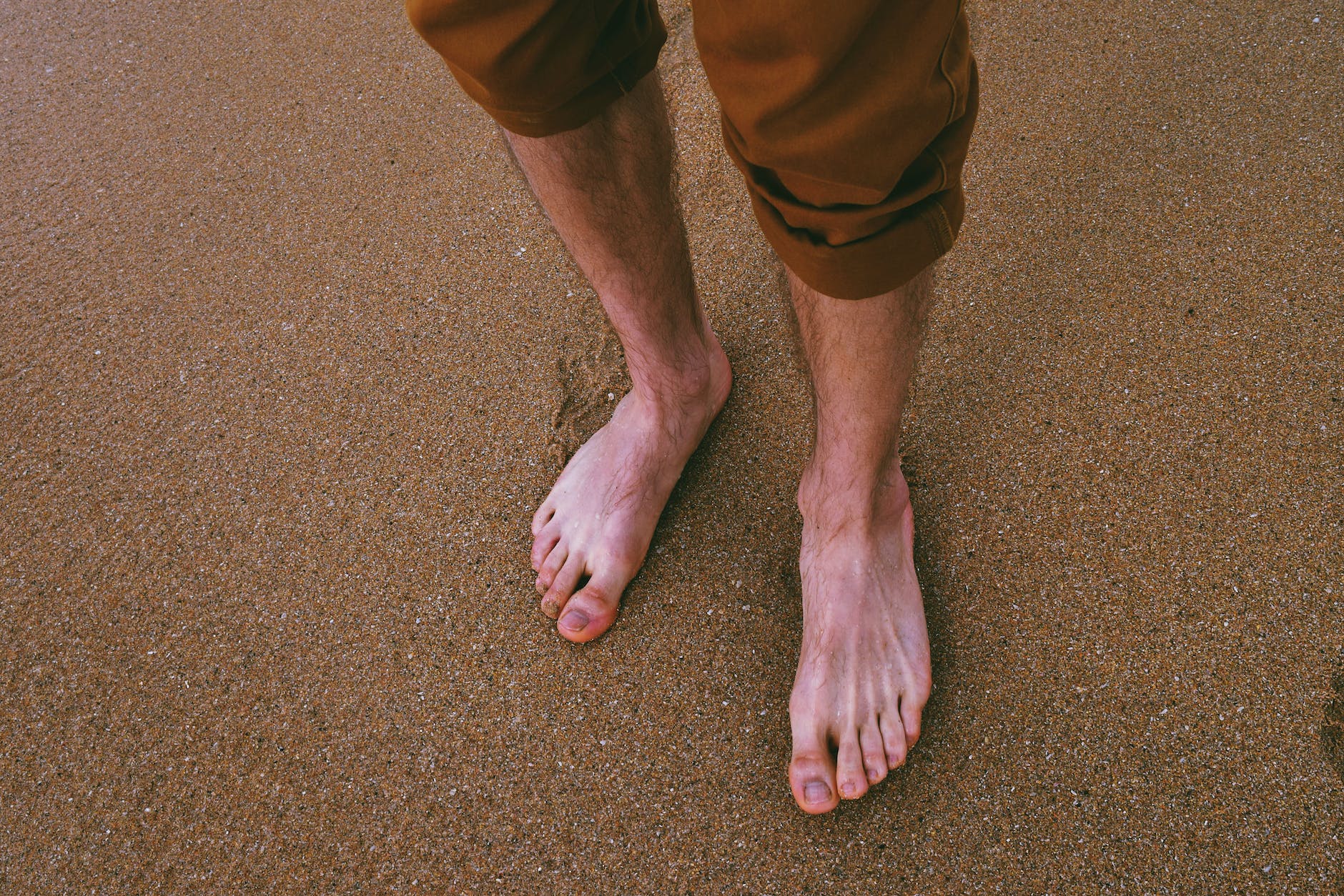
Hallux rigidus is defined as osteoarthritis of the big toe. This condition causes stiffness that limits joint range of motion, in flexion and mainly extension of the hallux, causing an alteration of the normal biomechanics of walking.

A direct trauma to the toe or a deformity of the foot called hallux valgus may increase the symptoms of hallux rigidus.

To date, the exact causes of osteoarthritis have not been fully identified. An exacerbation of symptoms usually occurs during a period when the level of physical activity has been drastically increased.

Treatment of Hallux Rigid consists of Class IV Laser Therapy, management of any biomechanics stresses in the area and exercise rehabilitation to address any weaknesses that can be putting undue stress on the area. 

#LaserTherapy
#FootInjuries
#Winnipeg
#Chiropractic
#ToeInjury
#Arthritis
#FootPain

Photo by Gabriela Mendes on Pexels.com

Tennis Elbow

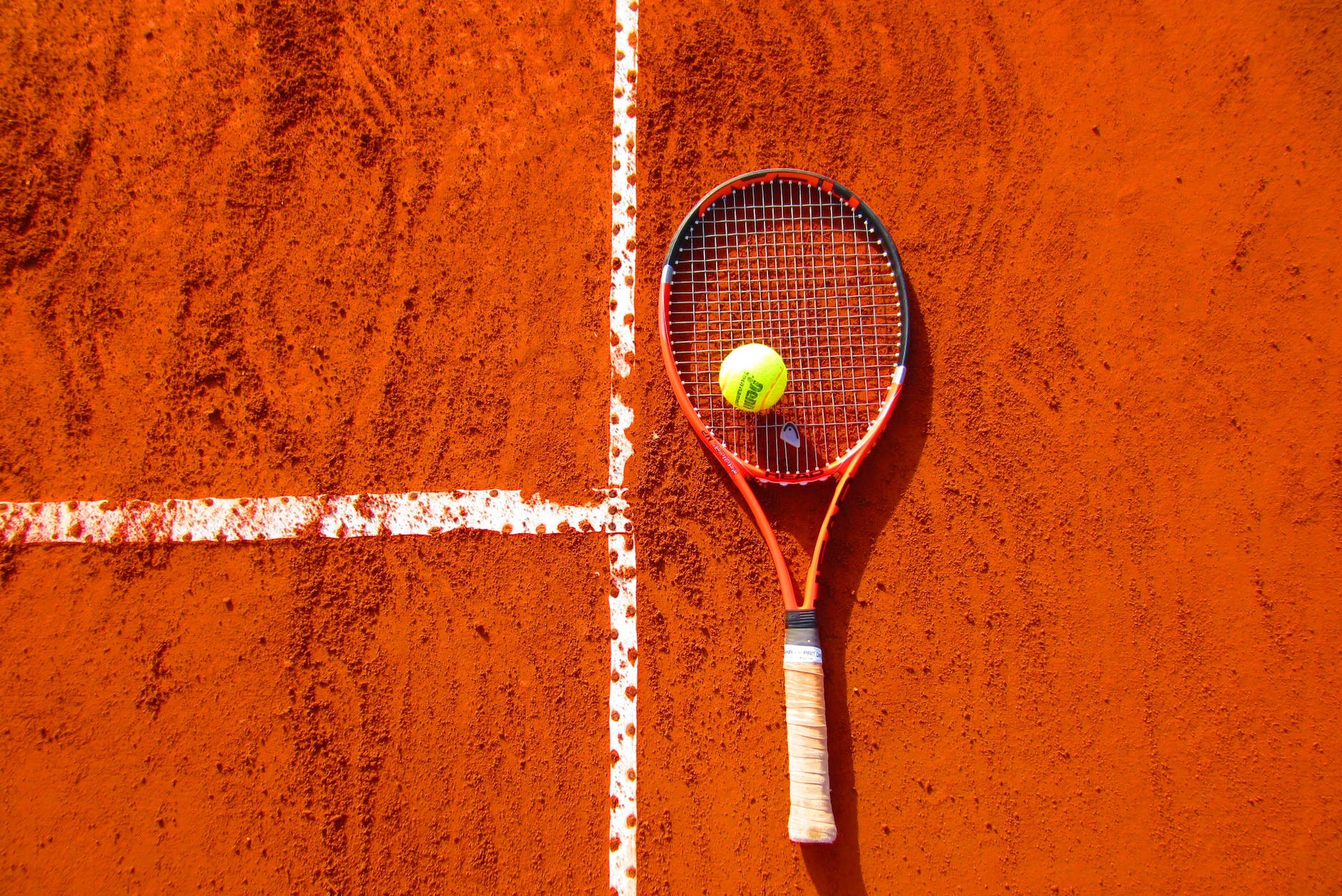
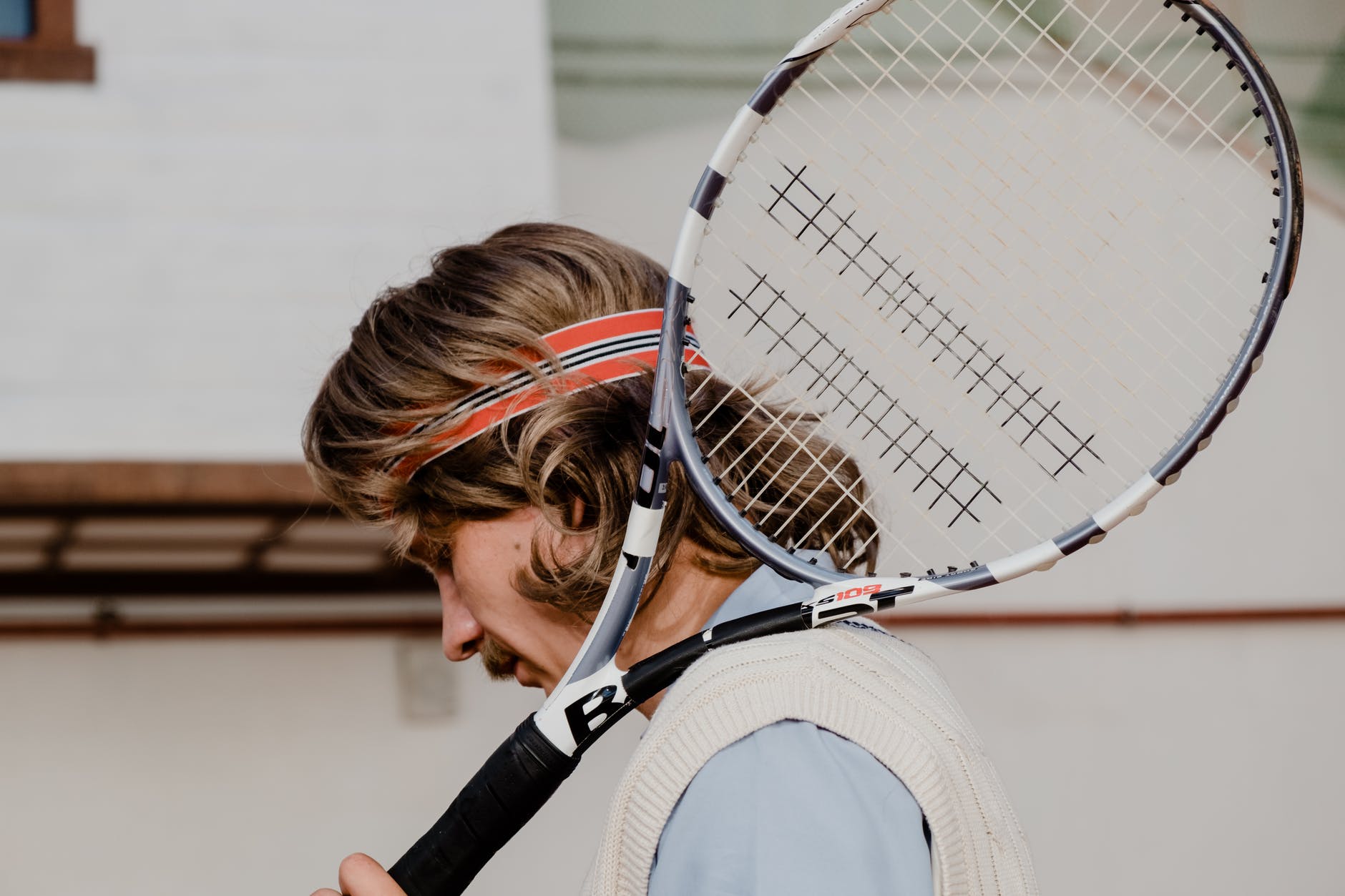
Lateral epicondylalgia, also called tennis elbow, is an irritation of the wrist extensor muscles.

This condition can affect people performing repetitive and excessive wrist extension movements such as when playing racquet sports like tennis, doing manual labour and working at a computer.

Generally, this overuse injury develops over a few weeks or a few months period.

Treatment of Tennis Elbow consists of Acupuncture, Class IV Laser Therapy, management of any biomechanics stresses in the area and exercise rehabilitation to address any weaknesses that can be putting undue stress on the area. 

#LaserTherapy
#ArmInjuries
#Winnipeg
#Chiropractic
#Acupuncture
#Tennis Elbow

Photo by Pixabay on Pexels.com

Knee Arthritis

Photo by Towfiqu barbhuiya on Pexels.com

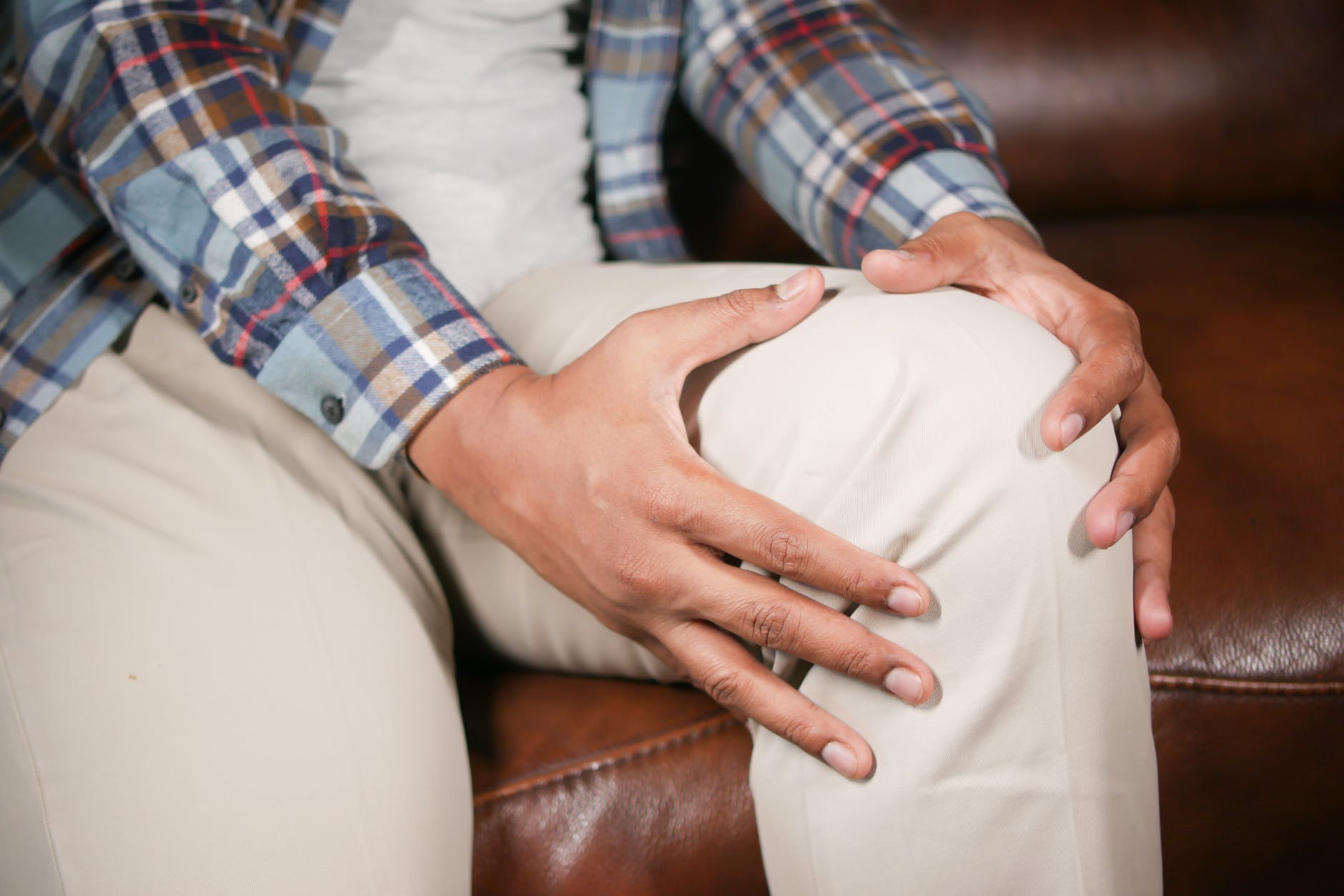
Knee arthritis is a condition that can cause stiffness that limits joint range of motion. Over time, the knee’s flexion and extension movements become limited, generally causing pain and an alteration of the normal biomechanics. Your thigh muscles also have to work harder during movement, generating a feeling of muscle tension.

To date, the exact causes of osteoarthritis have not been fully identified. It is completely normal to have a mild level of osteoarthritis with age. However, the more advanced stages of osteoarthritis can affect the ability to carry out daily activities and sports. An exacerbation of symptoms usually occurs during a period when the level of physical activity has been drastically increased. Direct trauma to the knee can increase the symptoms of osteoarthritis.

In the knee, the joint affected by osteoarthritis is the t​ibiofemoral joint​, formed by the femur bone and the tibia bone. It is mainly ​cartilage​ damage combined with the presence, in some cases, of slight bone spurs in the joint that appear to be responsible for the restriction of movement. Over time, certain muscles in the thigh area may compensate for the joint restriction and become more tense.

Each person will react differently to osteoarthritis and management will depend on its stage. Knee osteoarthritis can produce, but is not limited to, local pain in the knee, localized edema and stiffness in certain knee movements. Repetitive movements of the knee during walking or other sports activities and a squatting position with direct pressure can cause pain.

Knee osteoarthritis is a progressive condition that cannot be cured, which means that the range of motion may decrease over time. An active lifestyle and a rehabilitation plan may however slow the progression of this condition and make it easier to manage the symptoms.

Relative rest is a good way to prevent your symptoms from getting worse after a painful episode. A few days of rest while reducing activities that cause significant pain​ m​ ay be necessary, but it is very important to avoid deconditioning. A quick return to your daily activities, light cardiovascular exercises that do not cause an increase in pain, joint mobilization exercises and knee and hip muscles strengthening exercises will allow for better recovery.

Class IV Laser is a large part of our treatments. It provides safe and effective, treatment for knee pain and injury. Patients generally respond well to treatments and should notice pain relief after a few treatments. Our treatments use the latest Class IV Lasers and as well as other therapies including myofascial release and acupuncture to help reduce the pain, strengthen the muscles and increase range of motion. Most importantly these treatments help reduce inflammation/swelling, which helps with increasing function, pain relief and speeding up a return to normal life. 

Follow your therapist’s advice. This will help you manage the various stages of the healing process and increase the odds of success. Your therapist will accompany you during your rehabilitation program in order to improve range of motion of your knee’s joint, regain flexibility, muscle strength and endurance, and functional state.

According to the principles of knee osteoarthritis rehabilitation, improving joint range of motion should be an integral part of the treatment plan. A program to improve joint range of motion and flexibility, as well as specific muscle strengthening is common to control the symptoms of knee osteoarthritis.

Do not rely solely on a passive treatment approach. Each phase of the rehabilitation process is important. Patients who actively participate in their treatment plan tend to recover more quickly. Keep in mind that pain is not always a good indicator of joint or tissue damage. A significant level of pain does not necessarily imply a more advanced stage of osteoarthritis. As soon as you feel better and the pain is well under control, introduce, in collaboration with your therapist, light mobility and strengthening exercises based on your tolerance. Remember that exercise is an excellent way to manage pain associated with osteoarthritis.

Struggling with knee pain? Contact Us for treatment in Winnipeg.

Killing time? Try our Twitter and Instagram

Lateral Ankle Sprain

Photo by Kindel Media on Pexels.com

A lateral ankle sprain (LAS) occurs when you twist or roll your ankle inward.
This can happen by walking/running on an uneven surface, stepping on someone else’s foot, pivoting or changing direction during sport.

The severity of the sprain can range from mild to severe.

Usually, this abrupt inward ankle twist or roll will lead to a stretch or
a tear, partial or complete, of the lateral ligament complex of your ankle.
In the very moment preceding the sprain, your ankle muscles will tend to protect you with a forceful contraction. Sometimes, this can lead to muscle spasms and/or a small bone fracture where the muscle attaches to your foot.

The peroneal nerve and the ligaments of your foot may also be overstretched during a lateral ankle sprain.

Everyone will react differently after an injury and recovery will depend on the severity of the sprain. LAS can cause but is not limited to, pain, difficulty in weight-bearing activities, swelling, ecchymosis, pins & needles.

The severity of the sprain, your rehabilitation plan, your health status, your fitness level and your nutrition affect recovery time. Generally, you can expect to fully recover from a lateral ankle sprain.

Class IV Laser and acupuncture are large parts of our treatments. They provides safe and effective, treatment for knee pain and injury. Patients generally respond well to treatments and should notice pain relief after a few treatments. Our treatments use the latest Class IV Lasers and as well as other therapies including myofascial release and acupuncture to help reduce the pain, strengthen the muscles and increase range of motion. Most importantly these treatments help reduce inflammation/swelling, which helps with increasing function, pain relief and speeding up a return to normal life.

#AnkleSprain #LaserTherapyWinnipeg #LaserTherapy #PainRelief

Suffering with a sprained ankle? Contact us for treatment in Winnipeg
Find and Follow us on Twitter and Instagram!

Tennis Elbow

Photo by cottonbro on Pexels.com

Lateral epicondylalgia, also called tennis elbow, is an irritation of the wrist extensor muscles. This condition can affect people performing repetitive motions of the wrist and arm, such as tennis players. Symptoms include pain and tenderness on the outside of the elbow.

Tennis elbow is a common overuse injury that often develops gradually over a period of weeks or months. The condition is characterized by pain and tenderness on the outside of the elbow, which may worsen with certain activities or movements.

If you’re dealing with lateral epicondylalgia, know that most people fully recover from this condition. As a general guideline, it can take a few months to recover completely. Of course, this varies from person to person – some may recover more quickly, while others may take longer.

Class IV Laser is a large part of our treatments. It provides safe and effective, treatment for elbow pain and injury. Patients generally respond well to treatments and should notice pain relief after a few treatments. Our treatments use the latest Class IV Lasers and as well as other therapies including myofascial release and acupuncture to help reduce the pain, strengthen the muscles and increase range of motion. Most importantly these treatments help reduce inflammation/swelling, which helps with increasing function, pain relief and speeding up a return to normal life. 

Looking for more info or needing treatment in Winnipeg? Contact Us

Check us out on Twitter and Instagram! We love follows, likes and comments!

Shin Splints

Photo by Pixabay on Pexels.com

If you’re an avid runner, then you’ve probably experienced the pain of medial tibial stress syndrome at some point. Also known as shin splints, this condition is caused by repetitive stress on the tibia, or by excessive traction on the fascia (the muscle envelope) from the surface of the bone.

This condition, commonly known as “shin splints”, affects people who regularly participate in activities that put stress on the lower leg muscles and tibia, such as walking, running, or jumping. The condition is caused by training intensity and/or volume being increased too quickly, without allowing adequate time for recovery.

Shin splints are a painful condition caused by repetitive stress on the shinbone (tibia). This can be from excessive traction on the muscles and fascia around the bone, resulting in inflammation. Shin splints are a common injury, especially for runners. Treatment includes rest, ice, and stretching as.

Repetitive stress on the tibia, or excessive traction of the fascia, can cause medial tibial stress syndrome (shin splints). The fascia is a muscle envelope that covers the surface of the bone. When this tissue is overworked, it can lead to pain and inflammation in the shins.

This condition mostly affects people who do a lot of walking, running, or jumping. Their tibia and lower leg muscles have to absorb a lot of weight, which can lead to injury. Generally, this happens when people suddenly increase the intensity or volume of their training without giving their bodies enough time to recover.

Class IV Laser is a large part of our treatments. It provides safe and effective, treatment for leg pain and injury. Patients generally respond well to treatments and should notice pain relief after a few treatments. Our treatments use the latest Class IV Lasers and as well as other therapies including myofascial release and acupuncture to help reduce the pain, strengthen the muscles and increase range of motion. Most importantly these treatments help reduce inflammation/swelling, which helps with increasing function, pain relief and speeding up a return to normal life. 

Need more info or looking for treatment in Winnipeg? Contact Us

Check out our Instagram Page Too! Or our Twitter Machine! We love to see liking, following and commenting!

Patellar bursitis

Patellar bursitis is the irritation of the bursa in the front of the knee, just below the kneecap. It is covered by the patellar tendon that connects the kneecap to the tibia.

Sports and activities that require the quadriceps muscles to be repeatedly contracted or stretched while running, hiking, or any other extended activity can cause irritation of the bursa and sometimes inflammation. Patellar bursitis may also occur as a result of trauma directly to the knee.

The bursa is a small fluid-filled sac. The bursa, located in the front of the knee below the kneecap, acts as a lubricant to reduce friction between the patellar tendon and the tibia.

Each person will react differently after an injury and recovery will depend on the severity of the injury. Patellar bursitis can produce, but is not limited to pain in the front of the knee, localized edema due to swelling of the bursa and reduced mobility in the knee. Symptoms are usually worse while running, walking on a sloping surface, climbing and descending stairs, and squatting.

Your rehabilitation plan, health profile, fitness level and nutritional status affect the recovery time. In most cases, you can expect a full recovery from patellar bursitis. As a general rule, this condition may take a few months to fully recover.

Class IV Laser is a large part of our treatments. It provides safe and effective, treatment for knee pain and injury. Patients generally respond well to treatments and should notice pain relief after a few treatments. Our treatments use the latest Class IV Lasers and as well as other therapies including myofascial release and acupuncture to help reduce the pain, strengthen the muscles and increase range of motion. Most importantly these treatments help reduce inflammation/swelling, which helps with increasing function, pain relief and speeding up a return to normal life. 

Need more info? Contact Us Here

Want to see cool pics and fun stuff? Here’s our Instagram