Put the shovel down and read this!

Your low back consists of 5 individual vertebrae stacked on top of each other. Flexible cushions called “discs” live between each set of vertebrae. A disc is made up of two basic components. The inner disc, called the “nucleus”, is like a ball of jelly about the size of a marble. This jelly is held in place by the outer part of the disc called the “annulus”, which is a tough ligament that wraps around the inner nucleus much like a ribbon wrapping around your finger.
Your low back relies on discs and other ligaments for support. “Discogenic Low Back Pain” develops when these tissues are placed under excessive stress, much like a rope that frays when it is stretched beyond its normal capacity. Most commonly, disc pain is not the result of any single event, but rather from repeated overloading. Your lumbar discs generally manage small isolated stressors quite well, but repetitive challenges lead to injury in much the same way that constantly bending a piece of copper wire will cause it to break. Examples of these stressors include: bad postures, sedentary lifestyles, poor fitting workstations, repetitive movements, improper lifting, or being overweight.

Approximately one third of adults will experience pain from a lumbar disc at some point in their lifetime. The condition is more common in men. Most lumbar disc problems occur at one of the two lowest discs- L5 or L4. Smokers and people who are generally inactive have a higher risk of lumbar disc problems. Certain occupations may place you at a greater risk, especially if you spend extended periods of time sitting or driving. People who are tall or overweight have increased risk of disc problems.

Symptoms from disc pain may begin abruptly but more commonly develop gradually. Symptoms may range from dull discomfort to surprisingly debilitating pain that becomes sharper when you move. Rest may relieve your symptoms but often leads to stiffness. The pain is generally centered in your lower back but can spread towards your hips or thighs. Be sure to tell your doctor if your pain extends beyond your knee, or if you have weakness in your lower extremities or a fever.

Repeated injuries cause your normal healthy elastic tissue to be replaced with less elastic “scar tissue.” Over time, discs may dehydrate and thin. This process can lead to ongoing pain and even arthritis. Patients who elect to forego treatment and “just deal with it” develop chronic low back pain more than 60% of the time. Seeking early and appropriate treatment like the type provided in our office is critical.

Depending on the severity of your injury, you may need to limit your activity for a while, especially bending, twisting, and lifting, or movements that cause pain. Bed rest is not in your best interest. You should remain active and return to normal activities as your symptoms allow. Light aerobic exercise (i.e. walking, swimming, etc) has been shown to help back pain sufferers. The short-term use of a lumbar support belt may be helpful. Sitting makes your back temporarily more vulnerable to sprains and strains from sudden or unexpected movements. Be sure to take “micro breaks” from workstations for 10 seconds every 20 minutes.


Laser Therapy for Sports Injuries: Speeding Up Recovery

Sports injuries are a common occurrence among athletes of all levels, from weekend warriors to professional competitors. Whether it’s a sprained ankle, strained muscle, or tendonitis, injuries can sideline athletes and disrupt their training and performance goals. While rest, ice, compression, and elevation (R.I.C.E) have long been the standard protocol for treating sports injuries, there’s a growing interest in alternative therapies that can accelerate the healing process and get athletes back in the game faster. One such therapy gaining attention is laser therapy. In this article, we’ll explore how laser therapy can help speed up recovery from sports injuries and get athletes back to peak performance.

Understanding Laser Therapy

Laser therapy, also known as low-level laser therapy (LLLT) or photobiomodulation, involves the use of low-intensity laser light to stimulate cellular activity and promote tissue repair and regeneration. Unlike surgical lasers that cut or vaporize tissue, therapeutic lasers emit non-thermal light energy that penetrates the skin without causing damage. This light energy is absorbed by chromophores (light-sensitive molecules) within cells, leading to a cascade of biological effects that accelerate the healing process.

How Laser Therapy Works for Sports Injuries

Laser therapy offers several mechanisms by which it can promote healing and recovery from sports injuries:

  1. Reduced Inflammation: Laser therapy has anti-inflammatory effects, helping to reduce swelling, pain, and inflammation associated with acute and chronic sports injuries. By inhibiting pro-inflammatory molecules and promoting the release of anti-inflammatory cytokines, laser therapy helps create an optimal environment for tissue healing.
  2. Improved Circulation: Laser therapy enhances blood flow to the injured area, delivering oxygen, nutrients, and immune cells that are essential for tissue repair and regeneration. Increased circulation helps remove metabolic waste products and toxins, reducing tissue hypoxia and promoting faster healing.
  3. Stimulated Tissue Repair: Laser therapy stimulates cellular activity and metabolism, promoting the production of ATP (adenosine triphosphate), the energy currency of cells. This increased energy production accelerates cellular repair processes, including collagen synthesis, fibroblast proliferation, and angiogenesis (formation of new blood vessels), leading to faster tissue healing.
  4. Pain Relief: Laser therapy has analgesic effects, providing immediate pain relief by modulating pain perception and transmission. By blocking pain signals sent to the brain and promoting the release of endorphins (natural pain-relieving compounds), laser therapy helps alleviate pain associated with sports injuries, allowing athletes to tolerate rehabilitation exercises and resume training sooner.

Applications of Laser Therapy in Sports Medicine

Laser therapy can be used to treat a wide range of sports injuries, including:

  • Sprains and strains
  • Tendonitis
  • Muscle tears
  • Ligament injuries
  • Bursitis
  • Contusions (bruises)
  • Stress fractures
  • Plantar fasciitis
  • Tennis elbow
  • Runner’s knee

Conclusion

In conclusion, laser therapy offers a safe, non-invasive, and effective treatment option for accelerating the healing process and promoting recovery from sports injuries. By reducing inflammation, improving circulation, stimulating tissue repair, and providing pain relief, laser therapy can help athletes get back to their training and competition goals faster. If you’re dealing with a sports injury or looking to optimize recovery, consider incorporating laser therapy into your rehabilitation plan under the guidance of a qualified healthcare professional. With its potential to expedite healing and minimize downtime, laser therapy may be the key to getting you back in the game and performing at your best.

Laser Therapy: Safe, Effective, and Non-invasive Treatment

In recent years, laser therapy has emerged as a popular non-invasive treatment option for a variety of health conditions, ranging from pain management to skin rejuvenation. But what exactly is laser therapy, and how does it work? In this article, we’ll provide an overview of laser therapy and explore its therapeutic benefits.

What Is Laser Therapy?

Laser therapy, also known as low-level laser therapy (LLLT) or photobiomodulation, involves the use of low-intensity laser light to stimulate cellular activity and promote healing. Unlike surgical lasers that cut or vaporize tissue, therapeutic lasers emit low-level light energy that penetrates the skin without causing damage.

How Does Laser Therapy Work?

The exact mechanisms of action of laser therapy are not fully understood, but research suggests several ways in which it may exert its therapeutic effects:

1. Cellular Energy Production: Laser light is absorbed by chromophores (light-sensitive molecules) within cells, leading to an increase in cellular energy production. This boost in energy metabolism can enhance cell function and accelerate tissue repair processes.

2. Reduction of Inflammation: Laser therapy has been shown to reduce inflammation by inhibiting the production of pro-inflammatory molecules and promoting the release of anti-inflammatory cytokines. This anti-inflammatory effect can help alleviate pain and swelling associated with various conditions.

3. Stimulation of Blood Flow: Laser therapy can improve circulation by dilating blood vessels and increasing blood flow to the treated area. Improved blood flow delivers oxygen and nutrients to tissues, promotes the removal of metabolic waste products, and accelerates the healing process.

4. Pain Modulation: Laser therapy can modulate pain perception by affecting nerve conduction and transmission. It may stimulate the production of endorphins, which are natural pain-relieving compounds produced by the body, leading to pain relief and enhanced comfort.

5. Tissue Repair and Regeneration: Laser therapy has been shown to stimulate the proliferation of fibroblasts (cells involved in tissue repair) and promote the synthesis of collagen and other extracellular matrix components. This can help repair damaged tissues, promote wound healing, and reduce scar formation.

Benefits of Laser Therapy

Laser therapy offers several benefits as a non-invasive treatment option:

  • Non-invasive: Laser therapy does not involve surgery or incisions, making it a safe and gentle treatment option with minimal risk of complications.
  • Pain relief: Laser therapy can provide effective pain relief for acute and chronic conditions, including musculoskeletal injuries, arthritis, and neuropathic pain.
  • Fast and convenient: Laser therapy sessions are typically short (often lasting only a few minutes) and require no downtime, allowing patients to resume their daily activities immediately afterward.
  • Versatile: Laser therapy can be used to treat a wide range of conditions, including sports injuries, soft tissue injuries, wound healing, dermatological conditions, and more.
  • Well-tolerated: Laser therapy is well-tolerated by most patients and does not typically cause discomfort or side effects.

In conclusion, laser therapy is a safe, effective, and versatile treatment option that harnesses the power of light to promote healing and alleviate pain. Whether you’re seeking relief from chronic pain, recovering from an injury, or looking to improve the appearance of your skin, laser therapy may offer a gentle and non-invasive solution to help you feel your best.

Effective Plantar Fasciitis Treatment with Class IV Laser

What is it?

Plantar fasciitis is inflammation of the thick tissue on the bottom of the foot that connects the heel to the toes and creates the arch of the foot.

Symptoms

The most common complaint is pain in the bottom of the heel. The heel pain may be dull or sharp. The bottom of the foot may also ache or burn. This can be painful and make walking more difficult.
The pain is usually worse:

  • In the morning when you take your first steps
  • After standing or sitting for a while
  • When climbing stairs
  • After intense activity

The pain may develop slowly over time, or suddenly after intense activity.

What Causes Plantar Fasciitis?

Plantar fasciitis develops because of repeated small tears to the flat band of ligamentous tissue that connects your heel to the bones of your toes. These tears weaken the arch that supports the foot. As the arch of the foot weakens, increasing strain is placed on the deeper ligaments and tendons of the foot and lower leg. Over time, Plantar Fasciitis can result in Chronic Pain, Heel Spurs and Degenerative Joint Disease (Arthritis).
You are more likely to get plantar fasciitis if you have:
• Foot arch problems (both flat feet and high arches)
• Long-distance running, especially running downhill or on uneven surfaces
• Sudden weight gain or obesity
• Tight Achilles tendon (the tendon connecting the calf muscles to the heel)
• Shoes with poor arch support or soft soles
Plantar fasciitis is seen in both men and women. However, it most often affects active men ages 40 – 70. It is one of the most common orthopedic complaints relating to the foot.
Plantar fasciitis is commonly thought of as being caused by a heel spur, but research has found that this is not the case. On x-ray, heel spurs are seen in people with and without plantar fasciitis.

Signs and tests

The health care provider will perform a physical exam. This may show:
• Tenderness on the bottom of your foot
• Flat feet or high arches
• Mild foot swelling or redness
• Stiffness or tightness of the arch in the bottom of your foot.

Physicians typically treat Plantar Fasciitis with anti-inflammatory drugs and steroid injections. These medications temporarily reduce the pain associated with Plantar Fasciitis but do not treat the cause of the problem. Traditional methods can usually take between 9 months to two years to resolve this condition.

Class IV Laser Plantar Fasciitis Program 

Our program utilizes the latest class IV Lasers, and combines them with other therapies to help reduce the pain, strengthen the muscles around the foot and ankle joints, and increase range of motion. The Class IV Laser is at the heart of our treatment program. It provides a safe, effective, non-invasive, painless solution for plantar fasciitis. Patients generally respond exceptionally well to treatments and usually notice significant pain relief after just a few treatments.

Permanent correction of Plantar Fasciitis requires two procedures.

1. Heal the Damaged Fascia

Ending the pain caused by Plantar Fasciitis requires stopping the cycle of inflammation. This is critical because chronically inflamed tissues block the flow of needed nutrients and oxygen to surrounding muscles and joints. The advanced CLASS IV LASER restores the flow of nutrients and oxygen to the inflamed tissue allowing the cells to repair themselves at an accelerated rate.

2. Correct the Foot and Gait Mechanics

Most cases of plantar fasciitis are resolved very easily with Class IV Laser Therapy alone; however, if the condition has become chronic this can lead to alterations in the gait that will have to be addressed. This could involve stabilizing the arch with orthotics  or implementing a simple series of specific strengthening and stretching exercises.
Plantar fasciitis when treated early has an exceptionally good prognosis with our protocol. We encourage those with Plantar Fasciitis to seek our help right away. The longer one suffers with this painful condition the more likely it will cause other conditions in the knee, hip and spine.

Guyon’s canal syndrome

One of the conditions best suited to laser therapy

This syndrome corresponds to a compression or irritation of the ulnar nerve at the level of the Guyon’s canal, located on the anterior surface of the wrist towards the fifth finger.

This condition is usually the result of a direct trauma to the hand or following a prolonged compression of the hand, such as in cyclists or golfers. Also, Guyon’s canal syndrome can occur as a result of repeated grasping movements along hand movements. This problem can also occur following a sustained position with the wrist bent.

▬▬▬▬▬

Structures involved

In the wrist, the ulnar nerve passes directly between the pisohamate ligament, which connects two carpal bones together, and the fascia of the palmaris brevis muscle located in the palm of the hand. These two structures together form Guyon’s canal. In addition to the ulnar nerve, the canal also contains the deep branch of the ulnar artery. The syndrome usually occurs when, for one reason or another, the space in Guyon’s canal is reduced and the ulnar nerve is compressed.

▬▬▬▬▬

Signs & Symptoms that you may experience

Guyon’s canal syndrome can cause, but is not limited to, numbness, tingling and loss of sensation in the fifth finger and half of the fourth. Atrophy of the hand muscles may also occur. During the night, you may experience pain and numbness from prolonged bending of the wrist. Symptoms are also exacerbated during repetitive activities involving wrist movements or prolonged pressure on the hand.

▬▬▬▬▬

Recovery

Your rehabilitation plan, health profile, fitness level and nutritional status affect the recovery time. Most of the time, you should recover completely from Guyon’s canal syndrome. This condition may take a few months to fully recover.

▬▬▬▬▬▬▬▬▬▬▬▬▬▬▬▬▬▬▬▬▬▬▬▬▬▬▬▬▬▬▬▬▬▬▬▬▬▬▬▬▬▬▬▬▬▬▬▬▬▬▬▬▬▬▬▬▬▬▬▬▬▬▬▬▬▬▬▬▬▬▬▬▬▬▬▬▬▬▬▬

▶​ ​WHAT TO DO

Early Stage

Relative rest is a good way to protect your Guyon’s canal syndrome and prevent your injury from getting worse, but it is important to avoid over-protecting it. A few days of rest by reducing activities that cause pain may be necessary. A quick return to your daily activities, light cardiovascular exercise and specific mobility and strengthening exercises will allow for better recovery.

Rehabilitation

Follow your therapist’s advice. This will help you manage the various stages of the healing process and increase the odds of successful rehabilitation. Your therapist will accompany you during your rehabilitation program to restore your joint range of motion, muscle strength and endurance, flexibility and functional status.

▶ ​WHAT TO AVOID

Do not rely solely on a passive treatment approach. Each phase of the rehabilitation process is important. Patients who actively participate in their treatment plan tend to recover more quickly. As soon as you feel better and the pain is well under control, introduce, in collaboration with your therapist, mild strengthening exercises based on your tolerance.

Effective Treatment of Carpal Tunnel Syndrome: Chiropractic Care and Laser Therapy

Carpal tunnel syndrome (CTS) is a common condition resulting from the compression or irritation of the median nerve as it travels through the carpal tunnel—a U-shaped channel formed by the eight bones of your wrist. This condition affects 3-5% of the general population, with women being two to three times more likely to develop CTS than men. It typically occurs in adults aged 45-60 and can significantly impact daily activities.

Causes and Risk Factors

Carpal tunnel syndrome is often brought on by activities that involve prolonged wrist flexion and repetitive wrist movements, such as:

  • Keyboard use
  • Supermarket scanning
  • Carpentry
  • Assembly line work

Other factors that can exacerbate CTS include exposure to vibration or cold temperatures. The condition is more common in the dominant hand but frequently affects both hands. Certain health conditions and lifestyle factors increase the risk of developing CTS, including:

  • Diabetes
  • Thyroid disease
  • Rheumatoid arthritis
  • Alcoholism
  • Kidney disease
  • Being short or overweight
  • Fluid retention during pregnancy

Symptoms of Carpal Tunnel Syndrome

Symptoms of CTS often start gradually and may include:

  • Numbness and tingling: Typically felt on the palm side of the thumb, index, middle, and half of the ring finger.
  • Discomfort: This can extend towards the elbow and usually begins as nighttime discomfort or waking up with numb hands.
  • Aggravation by gripping activities: Activities like reading, driving, or painting can worsen the symptoms.
  • “Shaking out” the hands: Early symptoms may be temporarily relieved by shaking the hands.
  • Sensation of tightness or swelling: Although there may be no visible swelling.
  • Hand weakness: In more severe cases, muscle weakness can develop.

CTS can also be part of “double crush syndrome,” where compression of the median nerve in the carpal tunnel is accompanied by compression at another site, such as the spine or muscles in the neck, shoulder, or forearm.

Chiropractic Care and Laser Therapy: Keys to Successful Treatment

1. Chiropractic Care:

Chiropractic adjustments are highly effective in treating carpal tunnel syndrome. Chiropractors can use specific manipulative techniques to alleviate the compression on the median nerve, thereby reducing pain and improving function. These adjustments not only address the wrist but also focus on the entire kinetic chain, including the neck, shoulder, and spine, which can contribute to the symptoms.

  • Alignment Restoration: By realigning the wrist and surrounding joints, chiropractic care helps relieve nerve pressure and enhance mobility.
  • Soft Tissue Therapy: Techniques like myofascial release can reduce muscle tightness and improve blood flow.
  • Ergonomic Advice: Chiropractors often provide guidance on posture and ergonomics to prevent further aggravation of CTS.

2. Laser Therapy:

Laser therapy is an innovative, non-invasive treatment that complements chiropractic care in managing carpal tunnel syndrome. It uses specific wavelengths of light to penetrate the skin and tissues, promoting healing and reducing inflammation.

  • Pain Reduction: Laser therapy helps decrease pain levels by reducing inflammation and promoting tissue repair.
  • Improved Nerve Function: By stimulating cellular activity, laser therapy can enhance nerve function and accelerate healing.
  • Non-Invasive: This treatment is painless and involves no downtime, making it an excellent option for those seeking non-surgical solutions.

Preventative Measures and Additional Treatments

  • Activity Modification: Avoid repetitive wrist flexion activities, such as push-ups and gripping handlebars on a bicycle, to prevent further irritation.
  • Splinting: A special wrist splint that holds your wrist in a neutral or slightly extended position can help alleviate nighttime symptoms.
  • Conservative Care: The American Academy of Neurology recommends conservative treatments like chiropractic care and laser therapy before considering surgical alternatives.

Conclusion

If left untreated, carpal tunnel syndrome can lead to permanent nerve damage. Early intervention with chiropractic care and laser therapy can effectively relieve symptoms and prevent long-term complications. If you’re experiencing symptoms of CTS, don’t wait—seek treatment and start your journey to recovery. Share your experiences or ask questions in the comments below. Let’s work together to keep our hands healthy and pain-free!

Preventing Hamstring Strains: Strengthening and Stretching Techniques

The hamstring, a crucial group of muscles at the back of the thigh, facilitates knee flexion, allowing movements like bringing your heel toward your buttock. A hamstring strain occurs when these muscles or their tendons are stressed beyond their capacity, akin to overstretching a rope. This overexertion can result from activities such as running or excessive stretching, leading to tearing, bleeding, bruising, swelling, pain, and loss of function.

Symptoms of a hamstring strain range from mild discomfort to severe pain, depending on the extent of tissue damage. Often, strains occur suddenly, characterized by tearing, burning, or popping sensations accompanied by immediate pain below the buttock. Pain exacerbates when straightening the leg, walking, or bending forward, with bruising commonly appearing near the injury site. Inform your doctor of any additional symptoms such as lower back pain, calf pain, exacerbation with coughing or sneezing, or the presence of a rash on the thigh.

Hamstring injuries are more prevalent when muscles are fatigued, occurring more frequently with age. Factors like excessive tightness or weakness in the hamstring, quadriceps dominance, insufficient core strength, or poor running form increase susceptibility to injury. Addressing these predisposing factors through appropriate stretching, strengthening, and technique correction can help prevent hamstring strains and promote overall muscle health and function.

#Chiropractic #Winnipeg #FitLife #Wellness

Understanding Knee Sprains and Ligament Injuries: Grades, Symptoms, and Treatment

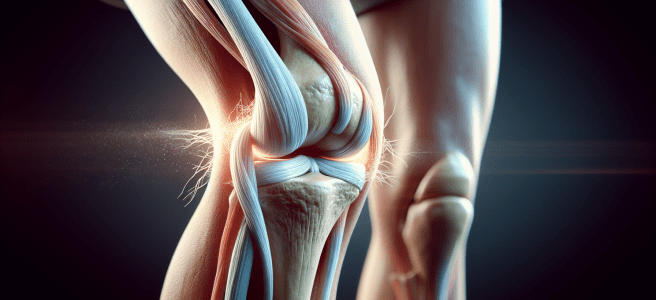
“Ligaments” are made up of many individual fibers running parallel to each other and bundled to form a strong fibrous band. These fibrous bands hold your bones together. Just like a rope, when a ligament is stretched too far, it begins to fray or tear. “Sprain” is the term used to describe this tearing of ligament fibers.

Sprains are graded by the amount of damage to the ligament fibers. A Grade I sprain means the ligament has been painfully stretched, but no fibers have been torn. A Grade II sprain means some, but not all of the ligamentous fibers, have been torn. A Grade III sprain means that all of the ligamentous fibers have been torn, and the ligament no longer has the ability to protect the joint. Knee sprains commonly involve one or more of your knee’s ligaments including: the medial collateral, lateral collateral, anterior cruciate, and posterior cruciate.

Most knee sprains begin as the result of a sudden stop, twist, or blow from the side or front. Some patients recall a “pop” or “snap” at the time of injury. Knee sprains cause pain and swelling within the joint. Your knee may be tender to touch, and some patients report a sensation of “giving way” or difficulty walking.

Most knee sprains can be successfully managed without surgery but will require some work on your part. Initially, a period of rest may be necessary in order to help you heal. Mild Grade I sprains may return to activity in a couple of days, while more severe injuries may take six weeks or longer to recover. You can help reduce swelling by elevating your knee and using an ACE wrap for compression. Applying ice or ice massage for 10 minutes each hour may help relieve swelling. Depending upon the severity of your sprain, you may need to wear a knee brace to help protect you from further injury. If walking is painful, crutches may be necessary.

Trigger Finger

Trigger finger, also called stenosing tenosynovitis, is a condition in which a finger is locked in a flexed position due to inflammation of the tendon in the sheath that surrounds it, making it difficult for the tendon to glide. It can cause pain over time.

Trigger finger usually occurs on the third or fourth finger as a result of repetitive and excessive hand movements. This condition is found in athletes such as paddlers, tennis players and golfers.
Finger trauma can also damage the tendon and cause trigger finger.

This condition is more common in women than in men and often presents in people between the ages of 30 and 50. An inflammatory health condition such as rheumatoid arthritis or diabetes can increase the likelihood of having a trigger finger.

Trigger finger can cause, but is not limited to, pain and swelling in the affected finger. A clicking sound, sometimes painful, can be heard when the finger moves into a flexed or extended position. Symptoms may worsen in the morning upon rising or after a period of inactivity. In more advanced cases, trigger finger can lead to permanent locking of the joint.

Contact us for treatment in Winnipeg

Shoulder Arthritis

Shoulder osteoarthritis is a condition that can cause stiffness that limits joint range of motion. Over time, movements over the head become limited, generally causing pain and alteration of the normal biomechanics of the shoulder. Your muscles must therefore work harder during movement, generating a feeling of muscle tension.

To date, the exact causes of osteoarthritis have not been fully identified. It is completely normal to have a mild level of osteoarthritis with age. However, the more advanced stages of osteoarthritis can affect the ability to carry out daily activities and sports. An exacerbation of symptoms usually occurs during a period when the level of physical activity has been drastically increased. Direct trauma to the shoulder can also increase the symptoms associated with osteoarthritis.

Each person reacts differently to osteoarthritis. It can produce, but is not limited to, local pain in the front of the shoulder, localized edema and stiffness in certain shoulder movements. Movements over the head and a sleeping position with direct pressure on the shoulder can cause pain.

#Chiropractic #PainRelief #Healthyliving #LaserTherapy #Winnipeg #BackPain #NeckPain #Headache #Fitness #Athlete #Wellness

Contact us for treatment in Winnipeg

Find and Follow us on Twitter and Instagram!