River East Chiropractic: Expertise in Hip Muscle Strengthening

The role of hip muscles in maintaining leg alignment during movement cannot be overstated. Among these muscles, the gluteus medius stands out for its crucial stabilizing function during activities such as walking, running, and squatting. Positioned on the side of the hip, the gluteus medius plays a pivotal role in stabilizing the pelvis and preventing unwanted movements of the leg.

When you raise one leg, the opposite gluteus medius muscle must contract to counterbalance the body’s tendency to tip in the direction of the lifted leg. Similarly, when standing on a bent leg, the gluteus medius works to prevent the knee from collapsing inward, a position known as “knock knee” or “valgus.”

Weakness in the gluteus medius can lead to various problems. For instance, it allows the pelvis to drop and the knee to cave inward during walking or running, placing excessive strain on the hip and knee joints. This misalignment can cause the kneecap to rub against the thigh bone, resulting in irritation and potentially leading to arthritis over time. Moreover, walking or running with a knock knee posture can stress the ligaments around the knee, increasing the risk of sprains. Additionally, this misalignment can affect the foot arch, contributing to conditions like plantar fasciitis. Furthermore, weak hip muscles can lead to a forward pelvic tilt, which in turn can cause a swayback posture and contribute to lower back pain. Notably, hip muscle weakness appears to be more prevalent in females, particularly among athletes.

Certain activities can exacerbate hip abductor weakness and should be avoided, such as standing with excessive weight on one hip, sitting cross-legged, or sleeping in a side-lying position that stretches the hip abductors. Individuals with fallen arches may benefit from arch supports or orthotics to provide additional support. Furthermore, addressing obesity through diet and exercise can reduce stress on the hip muscles and improve overall musculoskeletal health.

Strength training is the cornerstone of treatment for hip abductor weakness. Building strength in these muscles not only helps prevent injuries but also enhances overall stability and function. Individuals with stronger hip muscles are less likely to experience hip and knee problems associated with weakness and misalignment.

At River East Chiropractic, we recognize the importance of addressing hip abductor weakness as part of a comprehensive approach to musculoskeletal health. Our facility boasts a full gym equipped with state-of-the-art equipment and experienced trainers who specialize in addressing conditions like upper crossed syndrome and hip muscle weakness. Our trainers work closely with patients to develop personalized strength training programs tailored to their specific needs and goals. Through targeted exercises and guidance on proper form and technique, we help individuals strengthen their hip muscles and improve overall stability and alignment.

In addition to strength training, chiropractic care can complement efforts to address hip abductor weakness. Chiropractors are trained to assess and treat musculoskeletal imbalances, including those affecting the hips and pelvis. Through manual adjustments and therapeutic techniques, chiropractors can help restore proper alignment and function to the pelvis and spine, reducing strain on the hip muscles and promoting optimal musculoskeletal health.

By incorporating strength training, chiropractic care, and lifestyle modifications, individuals can effectively manage hip abductor weakness and reduce the risk of associated musculoskeletal problems. With the support of our skilled team at River East Chiropractic, patients can achieve improved function, reduced pain, and a higher quality of life
Understanding Knee Sprains and Ligament Injuries: Grades, Symptoms, and Treatment

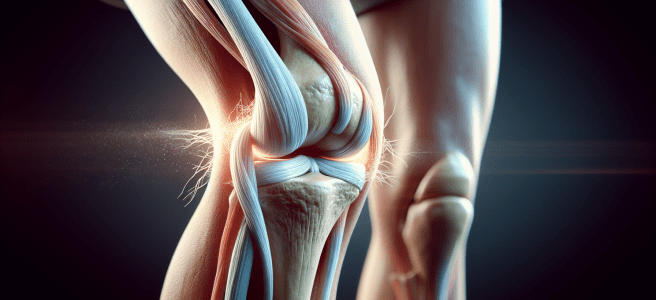
“Ligaments” are made up of many individual fibers running parallel to each other and bundled to form a strong fibrous band. These fibrous bands hold your bones together. Just like a rope, when a ligament is stretched too far, it begins to fray or tear. “Sprain” is the term used to describe this tearing of ligament fibers.

Sprains are graded by the amount of damage to the ligament fibers. A Grade I sprain means the ligament has been painfully stretched, but no fibers have been torn. A Grade II sprain means some, but not all of the ligamentous fibers, have been torn. A Grade III sprain means that all of the ligamentous fibers have been torn, and the ligament no longer has the ability to protect the joint. Knee sprains commonly involve one or more of your knee’s ligaments including: the medial collateral, lateral collateral, anterior cruciate, and posterior cruciate.

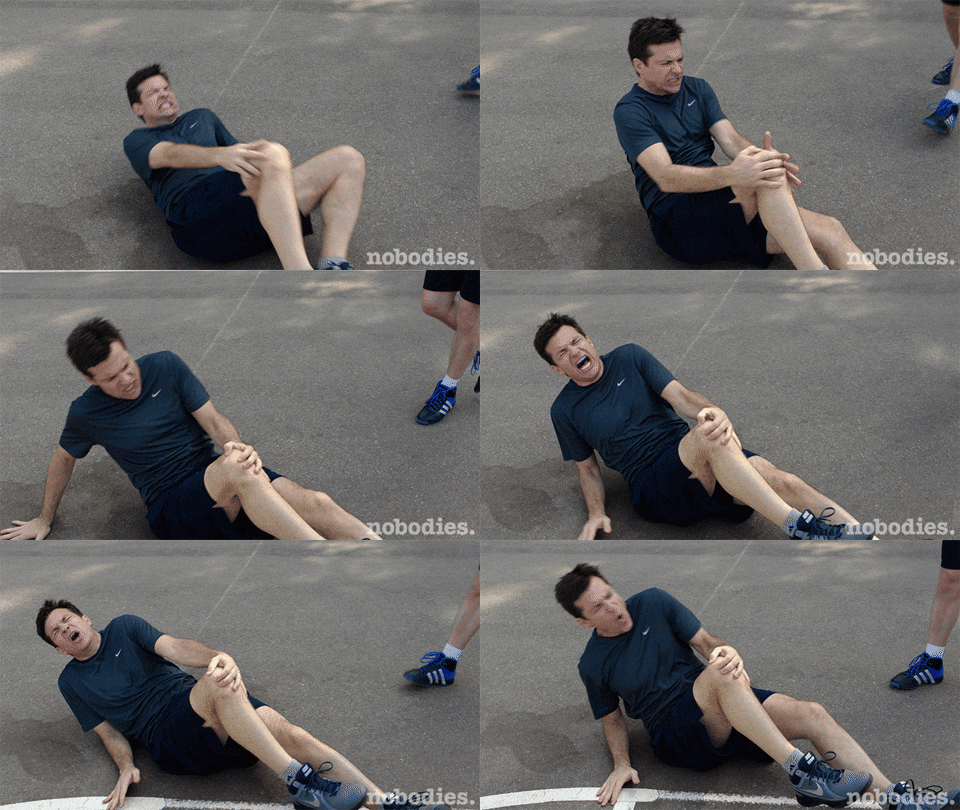
Most knee sprains begin as the result of a sudden stop, twist, or blow from the side or front. Some patients recall a “pop” or “snap” at the time of injury. Knee sprains cause pain and swelling within the joint. Your knee may be tender to touch, and some patients report a sensation of “giving way” or difficulty walking.

Most knee sprains can be successfully managed without surgery but will require some work on your part. Initially, a period of rest may be necessary in order to help you heal. Mild Grade I sprains may return to activity in a couple of days, while more severe injuries may take six weeks or longer to recover. You can help reduce swelling by elevating your knee and using an ACE wrap for compression. Applying ice or ice massage for 10 minutes each hour may help relieve swelling. Depending upon the severity of your sprain, you may need to wear a knee brace to help protect you from further injury. If walking is painful, crutches may be necessary.

Kneecap Pain

Patellofemoral syndrome is an irritation of the articular surface between the kneecap and the femur, your thigh bone, that causes pain under and around the kneecap.

Climbing stairs, running and walking for a prolonged period of time often increases pain. Pain can also be felt after sitting for a long time or squatting.

Patellofemoral pain is more prevalent among young women than men, and more prevalent in the active population.

Patellofemoral syndrome can cause, but is not limited to, pain at the front of the knee, difficulty with weight-bearing and squatting and sometimes swelling. Pain can also irradiate under and around the knee. Creaking or grinding sensations can occur during physical activity.

Treatment of Patellofemoral Syndrome consists of Class IV Laser Therapy, management of any biomechanics stresses in the area and exercise rehabilitation to address any weaknesses that can be putting undue stress on the area. 

#LaserTherapy
#KneeInjuries
#Winnipeg
#Chiropractic
#SportsInjury
#Athlete

Pain on the inside of the knee?

Pes anserine bursitis is the irritation of the bursa on the inside of the tibia, near the knee joint. This bony area constitutes an insertion zone for three muscles: the sartorius, the gracilis and the semitendinosus.

Sports and activities that require these muscles to be repeatedly contracted or stretched while running, hiking, or any other extended activity can cause irritation of the bursa and sometimes inflammation. Pes anserine bursitis may be associated with an injury to the tendons in that area. It can occur as a result of trauma directly to the knee. Muscle imbalance in the hip or knee may also contribute to the onset of symptoms.

Pes anserine bursitis can produce, but is not limited to pain on the inside of the knee, localized edema due to swelling of the bursa and reduced mobility in the knee. Symptoms are usually worse while running, walking on a sloping surface and climbing stairs.

Treatment of hamstring injuries consists of Class IV Laser Therapy, management of any biomechanics stresses in the area and exercise rehabilitation to address any weaknesses that can be putting undue stress on the area. 

#LaserTherapy
#KneeInjuries
#Winnipeg
#Chiropractic
#LegInjury

Contact us for treatment in Winnipeg

Find and Follow us on Twitter and Instagram

Jumper’s Knee

Patellar tendinitis, also known as jumper’s knee, is an injury that usually occurs when the patellar tendon is subjected to significant repetitive or prolonged overload. This overload causes irritation of the tendon and it can become painful.

This condition mainly affects people who perform activities involving jumping, running, or speeding.

Typically, this injury occurs during a period where training intensity and/or volume has been increased too quickly with inadequate recovery.

The patellar tendon is the main structure involved in this condition. This tendon is a band of connective tissue whose function is to attach the lower part of the patella to the tibia. It is tensed when thigh muscles, such as the quadriceps, contract during activity, or in positions where the knee is bent.

Patellar tendinopathy can produce, but is not limited to, pain in the front of the knee, difficulty in weight bearing and squatting, and swelling.

Treatment of jumper’s knee consists of Class IV Laser Therapy, management of any biomechanics stresses in the area and exercise rehabilitation to address any weaknesses that can be putting undue stress on the area. 

#LaserTherapy
#KneeInjuries
#Winnipeg
#Chiropractic
#SportsInjury
#Athlete

Patellar Bursitis

Patellar bursitis is the irritation of the bursa in the front of the knee, just below the kneecap. It is covered by the patellar tendon that connects the kneecap to the tibia.

Sports and activities that require the quadriceps muscles to be repeatedly contracted or stretched while running, hiking, or any other extended activity can cause irritation of the bursa and sometimes inflammation. Patellar bursitis may also occur as a result of trauma directly to the knee.

Patellar bursitis can produce, but is not limited to, pain in the front of the knee, localized edema due to swelling of the bursa and reduced mobility in the knee. Symptoms are usually worse while running, walking on a sloping surface, climbing and descending stairs, and squatting.

Suffering with knee pain? Contact us for treatment in Winnipeg

Find and Follow us on Twitter and Instagram!

Big Bump On Your Knee?

Osgood-Schlatter disease is a common condition that affects the knee joint in growing, active children and adolescents.

It corresponds to an inflammation of the patellar tendon and the tibial tuberosity, where the tendon attaches to the tibia. Over time, this inflammation causes a bump under the kneecap and creates pain in the front of the knee. The pain is often increased with activity and usually improves with rest.

Osgood-Schlatter disease is a consequence of overuse, commonly seen in sports that require a lot of running, jumping and pivoting such as football, basketball and gymnastics.

This condition usually occurs in children and adolescents whose bones are not fully developed, most often in women between the ages of 8 and 13 and in men between the ages of 10 and 15.

This condition is most commonly seen in just one knee, but in 25% of cases it occurs in both knees.

Concerned about your knees? Contact us for treatment in Winnipeg

Find and Follow us on Twitter and Instagram!

Knee Arthritis

Photo by Towfiqu barbhuiya on Pexels.com

Osteoarthritis of the knee is a condition that can cause pain and alteration of normal biomechanics. To date, the exact causes of osteoarthritis have not yet been fully identified. It is completely normal to have a mild level of osteoarthritis as you age. However, more advanced stages of osteoarthritis can affect the ability to perform physical activities, which may include activities of daily living.

An exacerbation of symptoms usually occurs during a period when the level of physical activity has increased drastically. Direct trauma to the knee can increase symptoms of osteoarthritis.

Treatment of Knee Arthritis consists of Class IV Laser Therapy, management of any biomechanics stresses in the area and exercise rehabilitation to address any weaknesses that can be putting undue stress on the area. 

Photo by Anna Shvets on Pexels.com

#LaserTherapy
#KneeInjuries
#Winnipeg
#Chiropractic
#LegInjury
#Arthritis

Suffering with knee pain? Contact us for treatment in Winnipeg

Find and Follow us on Twitter and Instagram!

IT Band Syndrome

Photo by Andrea Piacquadio on Pexels.com

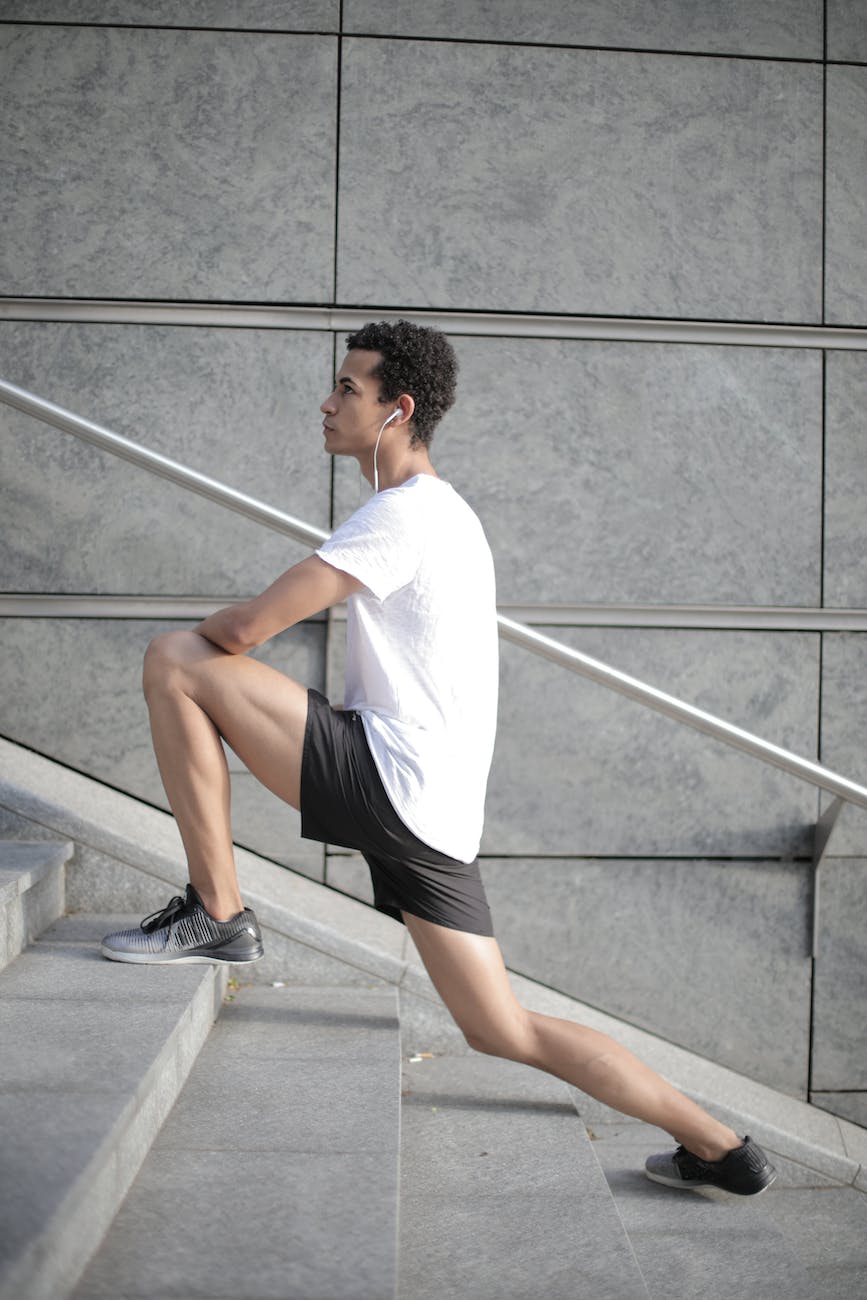
IT Band Syndrome occurs when a band of connective tissues on the outside of your thigh, called the iliotibial band, becomes irritated as a result of repeated rubbing against the side of your knee during flexion and extension movements.

People who engage in activities or sports that involve jumping, biking or running are at higher risk. This injury is quite frequent among runners.

Normally, this injury occurs during a period when the training intensity and/or volume has been increased too quickly with inadequate recovery.

Treatment of IT Band injuries consists of Class IV Laser Therapy, management of any biomechanical stresses in the area and exercise rehabilitation to address any weaknesses that can be putting undue stress on the area. 

#LaserTherapy
#HipInjuries
#Winnipeg
#Chiropractic
#LegInjury
#HipPain

Suffering with IT Band Syndrome? Contact us for treatment in Winnipeg

Find and Follow us on Twitter and Instagram!

Meniscal Tear

Photo by Kindel Media on Pexels.com

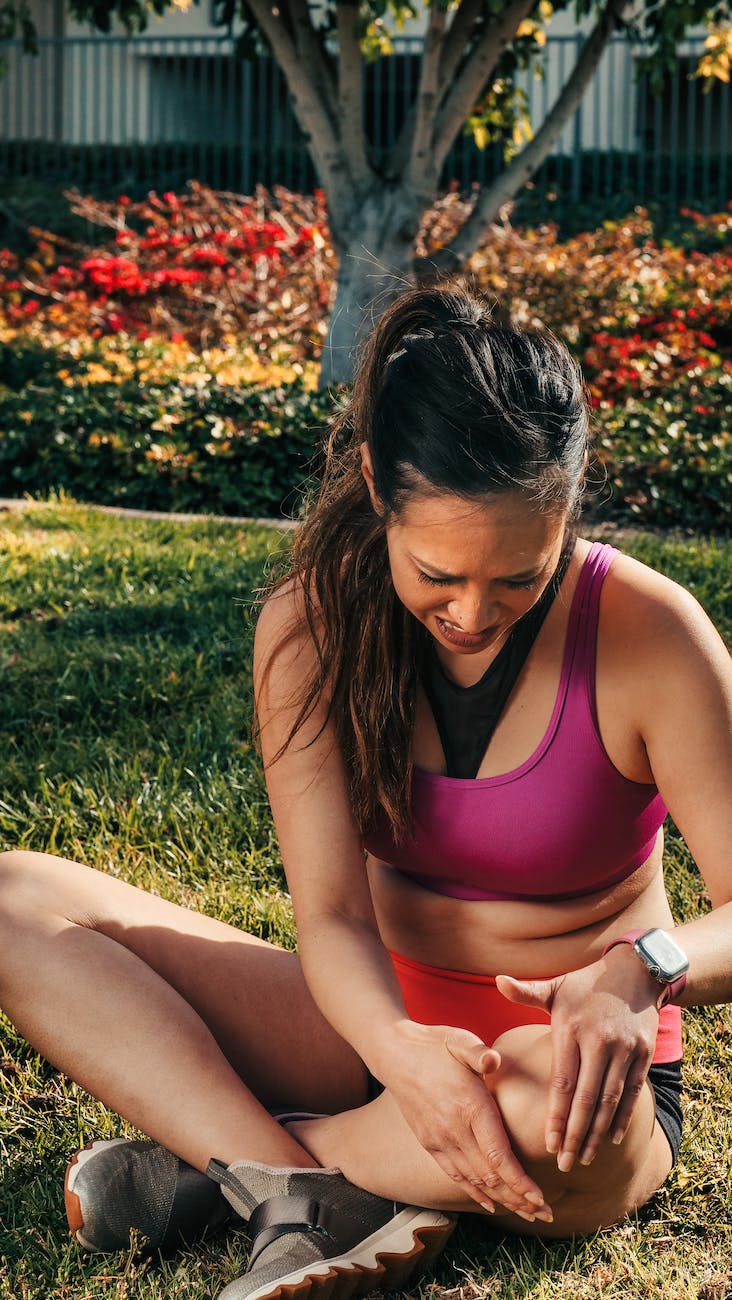
A meniscal tear is a very common injury among athletes and physical activity enthusiasts.

The menisci are located between the femur and tibia bones. There are two of them, the medial meniscus and the lateral meniscus. They provide shock absorption and additional stability to the knee joint during impact.

A meniscal tear mainly occurs during a sudden pivot with the foot anchored to the ground. In a severe sprain, the meniscal tear is often associated with damage to a cruciate ligament and a collateral ligament. This condition is called the knee triad.

Following a meniscus tear, the prognosis is rather favorable. Rehabilitation for a few months generally makes it possible to regain the physical abilities present before the injury.

Photo by Towfiqu barbhuiya on Pexels.com