Ischial Bursitis

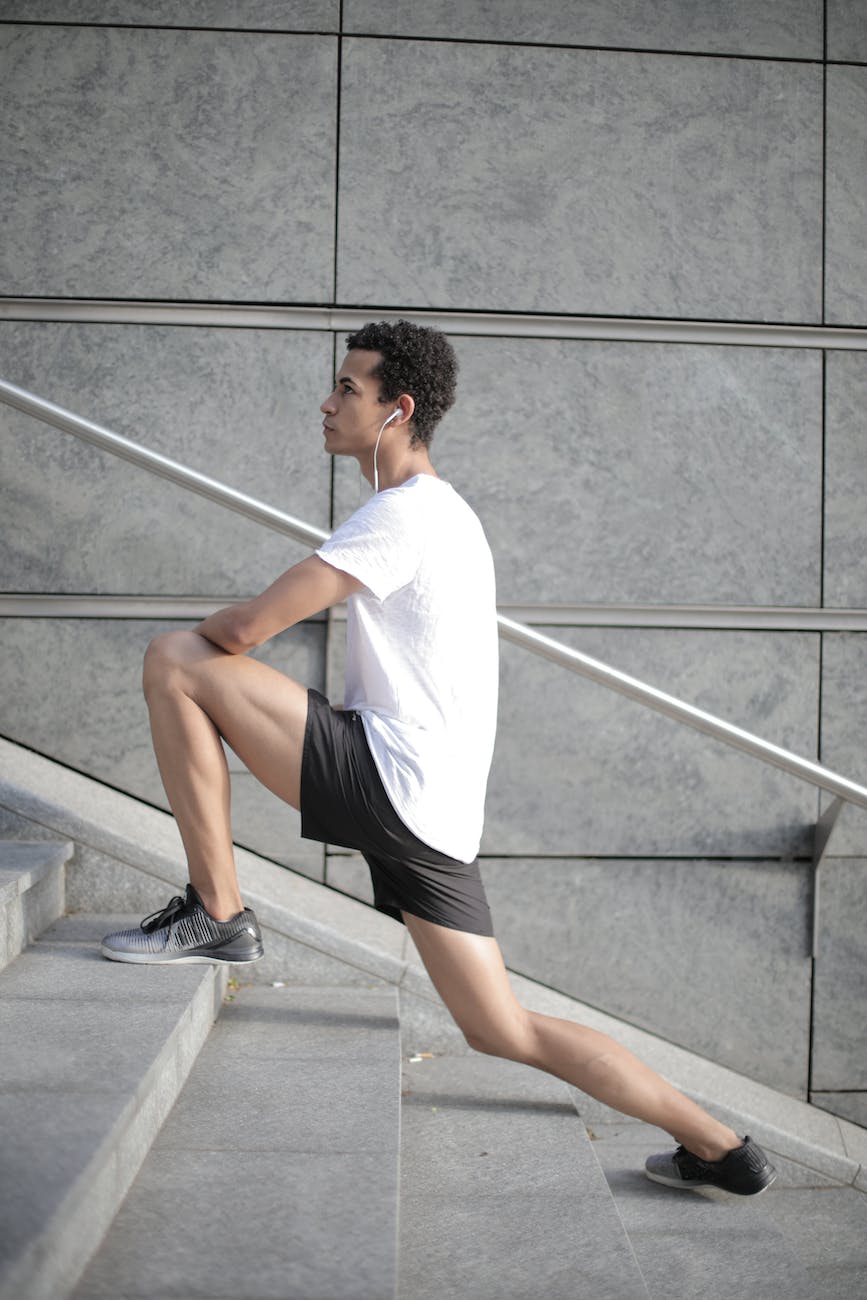
Photo by Edgar Martu00ednez on Pexels.com

Ischial Bursitis
Ischial bursitis is the irritation of the bursa at the bony prominence behind the pelvis,​ ​called ischial tuberosity. This bony prominence represents an insertion zone for several muscles, including the hamstrings, and provides support in the sitting position.

Activities and sports that require the hamstring muscles to be repeatedly contracted or stretched during running, jumping or kicking can cause irritation of the bursa and sometimes inflammation. Ischial bursitis usually results from injury to the hamstring tendons. Prolonged sitting on a hard surface or falling on the buttocks can also aggravate the irritation.

▬▬▬▬▬

Structures involved

The b​ursa ​is a small fluid-filled sac. The bursa located in the pelvis acts as a lubricant to reduce friction between the muscles and the ischial tuberosity.

▬▬▬▬▬

Signs & Symptoms that you may experience

Each person will react differently after an injury and recovery will depend on the severity of the injury. Ischial bursitis can produce, but is not limited to pain in the buttock area, localized swelling of the bursa and reduced mobility at the hip.

▬▬▬▬▬

Recovery

Your rehabilitation plan, health profile, fitness level and nutritional status affect the recovery time. In most cases, you can expect a full recovery from ischial bursitis. As a general rule, this condition may take a few months to fully recover.1

Managing Hip Arthritis: Causes, Symptoms, and Effective Treatments

Hip arthritis is a common condition that affects up to one-third of the population, particularly as we age. The likelihood of developing osteoarthritis (OA) increases with age and is often partially inherited. Factors such as being overweight and experiencing repetitive injury from occupations or sports that require prolonged standing or heavy physical exertion can also contribute to the development of hip arthritis.

Symptoms of Hip Arthritis

One of the early signs of hip osteoarthritis is prolonged stiffness, especially upon arising in the morning or after periods of inactivity. You might find it difficult to perform simple tasks such as putting on your socks, shaving your legs, or climbing stairs. Common symptoms include:

  • Groin, thigh, and buttock pain: Pain in these areas is typical and can sometimes radiate into the lower leg.
  • Stiffness: Particularly noticeable in the morning or after sitting for long periods.
  • Cracking and popping: You might hear or feel your hip cracking or popping when you move.
  • Reduced range of motion: Difficulty in moving the hip, such as rotating it internally (pigeon-toed movements).

Diagnosing Hip Arthritis

Diagnosing hip arthritis can be challenging, as the symptoms often overlap with lower back problems that also cause hip pain. To determine the extent of arthritis, doctors typically use X-rays, grading the severity from 1 to 4.

Treatment Options for Hip Arthritis

While arthritis cannot be cured, several treatment options can help relieve symptoms and improve quality of life:

1. Exercise and Physical Therapy: Engaging in regular exercise, especially water-based programs like water aerobics, can help manage symptoms. Physical therapy modalities, including specific stretches and manipulations of the hip, have been shown to be effective in alleviating pain and improving mobility.

2. Chiropractic Adjustments: Chiropractic care is an excellent treatment option for relieving the symptoms of hip arthritis. Chiropractors can use adjustments and manipulative techniques to improve hip joint function, reduce pain, and enhance overall mobility. Chiropractic treatments focus on restoring proper alignment and can provide significant relief from the discomfort associated with hip arthritis.

3. Lifestyle Modifications: Your doctor may recommend avoiding activities that aggravate your hip pain, particularly those involving internal rotation of the hip. Maintaining a healthy weight is crucial to reducing stress on the hip joint. Learning home stretching and strengthening exercises can also aid in recovery and symptom management.

4. Supplements: Some arthritis sufferers find relief by taking 1500 mg of glucosamine and chondroitin daily, which can help reduce inflammation and improve joint health.

5. Assistive Devices: In more severe cases, using a cane (in the opposite hand) can help take weight off the arthritic hip, making walking less painful.

6. Medical Interventions: If conservative treatments fail to relieve your pain, your doctor might refer you to an orthopedic hip specialist to discuss the possibility of joint replacement surgery.

Final Thoughts

While hip arthritis can significantly impact your quality of life, various treatment options, including chiropractic care, exercise, lifestyle modifications, and medical interventions, can help manage symptoms and improve mobility. Early diagnosis and proactive management are key to living well with hip arthritis.

Have you experienced hip arthritis? Share your story in the comments below and let us know what treatments have worked for you, especially if you’ve found relief through chiropractic care. Stay informed and take proactive steps to keep your hips healthy and pain-free!


Understanding Femoroacetabular Impingement (FAI) and Hip Pain

Your hip socket or “acetabulum” is covered by smooth, glassy cartilage extending all the way to its outer rim. The term “Femoroacetabular impingement” (FAI) means that this rim of cartilage is being pinched when you move your hip into certain positions. Repetitive pinching results in irritation, tearing, or even detachment of this cartilage from your hip socket.

FAI occurs because of a mismatch between the head of your femur and the socket of your hip. The mismatch may be from an abnormally shaped hip bone (cam deformity), or having too much cartilage on the rim of your hip socket (pincer deformity). Most frequently, FAI results from a combination of both (combined or mixed deformity).
FAI is most common in young active people. Although the deformity may be present on both sides, symptoms are usually one-sided. The condition is equally common among men and women. Symptoms of FAI include a constant dull pain with periods of sharp pain, made worse by activity. Walking, pivoting, prolonged sitting, stair climbing, and impact activities like running or jumping can aggravate your symptoms. Snapping, locking, and clicking are common.

Our office will help direct a rehab program to maximize your chance of recovery. You should attempt to stay active, but avoid activities that aggravate symptoms. You may consider temporarily switching to low-impact activities, like stationary biking or water-walking. You should avoid motions that combine flexion and internal rotation, like- getting out of a car with one leg at a time, swimming the breaststroke, or performing squats. Patients with FAI should avoid excessive stretching, as this could aggravate the condition, but will likely benefit from strengthening exercises in the type of treatment provided in this office.

Wellness/Prevention: Preventing Second Hip Fractures.

Wellness/Prevention: Preventing Second Hip Fractures.

After analyzing long-term data on nearly 40,000 first-time hip fracture patients, University of British Columbia researchers found that roughly 8% will experience a second hip fracture in the decade following their first hip injury. In light of this finding, they recommend that secondary hip fracture prevention interventions should continue beyond just the early post-fracture period. Bone, February 2015

Trochanteric Bursitis

Trochanteric Bursitis: That pain on the outside of your hip…..

Trochanteric bursitis is the irritation of the bursa at the level of the bony prominence of the hip, called the greater trochanter. This bony landmark constitutes an insertion zone for several muscles, including the gluteus medius, the gluteus minimus and the piriformis.

Activities and sports that require repetitive contraction or tensing of these muscles to stabilize the hip can lead to bursa irritation and sometimes inflammation. Trochanteric bursitis can occur following a fall.

The bursa is a thin sac filled with fluid. The trochanteric bursa is located at hip level between the greater trochanter and the tendons of the gluteus medius and minimus muscles and the piriformis. It acts as a lubricant to reduce friction between the muscles and that bony prominence.

Trochanteric bursitis can produce, but is not limited to, pain on the side of the hip, localized edema due to swelling of the bursa, and reduced mobility at the hip.

Ischial Bursitis

Photo by Valeria Ushakova on Pexels.com

Ischial bursitis is the irritation of the bursa at the bony prominence behind the pelvis, called ischial tuberosity. This bony prominence represents an insertion zone for several muscles, including the hamstrings, and provides support in the sitting position.

Activities and sports that require the hamstring muscles to be repeatedly contracted or stretched during running, jumping or kicking can cause irritation of the bursa and sometimes inflammation. Ischial bursitis usually results from injury to the hamstring tendons. Prolonged sitting on a hard surface or falling on the buttocks can also aggravate the irritation.

Contact us for treatment in Winnipeg

Find and Follow us on Twitter and Instagram!

IT Band Syndrome

Photo by Andrea Piacquadio on Pexels.com

IT Band Syndrome occurs when a band of connective tissues on the outside of your thigh, called the iliotibial band, becomes irritated as a result of repeated rubbing against the side of your knee during flexion and extension movements.

People who engage in activities or sports that involve jumping, biking or running are at higher risk. This injury is quite frequent among runners.

Normally, this injury occurs during a period when the training intensity and/or volume has been increased too quickly with inadequate recovery.

Treatment of IT Band injuries consists of Class IV Laser Therapy, management of any biomechanical stresses in the area and exercise rehabilitation to address any weaknesses that can be putting undue stress on the area. 

#LaserTherapy
#HipInjuries
#Winnipeg
#Chiropractic
#LegInjury
#HipPain

Suffering with IT Band Syndrome? Contact us for treatment in Winnipeg

Find and Follow us on Twitter and Instagram!

Hip Arthritis

Photo by Miriam Alonso on Pexels.com

Hip osteoarthritis is a condition that can cause pain and alteration of normal biomechanics. The exact causes of osteoarthritis have not yet been fully identified. It is completely normal to have a mild level of osteoarthritis as you age. However, more advanced stages of osteoarthritis can affect the ability to perform physical activities, which may include activities of daily living.

An exacerbation of symptoms usually occurs during a period when the level of physical activity has increased drastically. Direct trauma to the hip can increase symptoms of osteoarthritis.

Treatment of hip arthritis consists of Class IV Laser Therapy, management of any biomechanics stresses in the area and exercise rehabilitation to address any weaknesses that can be putting undue stress on the area. 

#LaserTherapy
#BackInjuries
#Winnipeg
#Chiropractic
#HipPain
#Arthritis

Contact Us

Hip Labral Tear

Photo by Yan Krukov on Pexels.com

A labral tear is a common injury in case of mechanical pain at the hip.
It is a tear in the connective tissue which helps stabilize the head of the femur (thigh bone) in the cavity of the pelvis.

Mechanisms of labral tear injury can be trauma during pivot sports or falls, repetitive strain injuries related to poor running technique, abnormal hip or acetabulum morphology contributing to pinching in the joint. These activities can create excessive compression in the hip.

People between the ages of 20 and 40 are more susceptible to it and it is relatively more common in women. 

#Chiropractic #PainRelief #Healthyliving #LaserTherapy #Winnipeg #BackPain #NeckPain #Headache #Fitness #Athlete #Wellness

Hip Fractures

Photo by Ron Lach on Pexels.com

A hip fracture usually occurs in the upper part of the thigh bone (femur), near the hip joint.

This type of fracture mainly occurs as a result of a fall or a direct impact on the bone, such as in a car accident. Osteoporosis and osteopenia can contribute to weakened bone integrity and increase the risk of fracture.

Older people and post-menopausal women are at higher risk of a hip fracture.

A stress fracture can occur following a period of overtraining and can also lead to a hip fracture.