Mediterranean Diet: A Powerful Ally Against Cardiovascular Disease


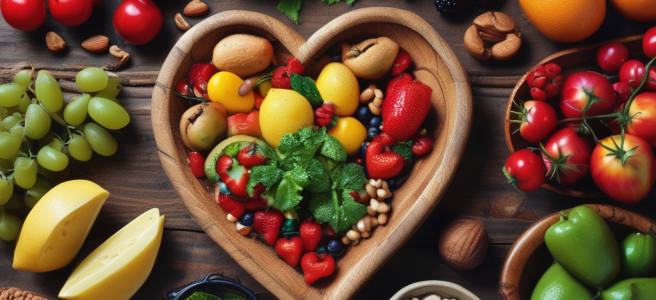
Adopting a Mediterranean diet can significantly lower your risk of cardiovascular disease (CVD) and improve your overall health. The Mediterranean diet, renowned for its heart-healthy benefits, emphasizes a high intake of plant-based foods such as fruits, vegetables, whole grains, and nuts, while limiting red meats and unhealthy fats. This dietary pattern has gained widespread recognition for its ability to promote longevity and reduce the incidence of chronic diseases.

Key Components of the Mediterranean Diet

  • Fruits and Vegetables: Rich in antioxidants, vitamins, and minerals, these foods are essential for heart health.
  • Whole Grains: Foods like oats, barley, and whole wheat provide fiber and nutrients that help regulate blood pressure and cholesterol levels.
  • Nuts and Seeds: These provide healthy fats, protein, and essential nutrients that support cardiovascular health.
  • Olive Oil: A primary source of healthy monounsaturated fats that can reduce inflammation and improve cholesterol levels.
  • Fish and Seafood: High in omega-3 fatty acids, fish and seafood contribute to reduced risk of heart disease.
  • Limited Red Meat: Reducing intake of red meat helps lower saturated fat consumption, which is beneficial for heart health.
  • Low Dairy Consumption: Opting for low-fat or fat-free dairy products helps maintain heart health.

New Study Highlights Cardiovascular Benefits

A recent study published in BMC Medicine underscores the significant health benefits of the Mediterranean diet. Researchers analyzed data from 23,902 healthy adults in the United Kingdom and found compelling evidence supporting the diet’s protective effects against cardiovascular disease. The study revealed that participants with higher adherence to the Mediterranean diet were 6-16% less likely to develop CVD compared to those with lower adherence.

Potential Impact on Public Health

The researchers estimate that if the general population adopted a Mediterranean-style diet, approximately 3.9% of new-onset CVD cases and 12.5% of CVD-related deaths could be prevented. These findings highlight the potential for dietary changes to make a profound impact on public health and reduce the burden of cardiovascular disease.

Practical Tips to Adopt the Mediterranean Diet

  1. Incorporate More Fruits and Vegetables: Aim for at least five servings of fruits and vegetables each day. Try to include a variety of colors and types to maximize nutrient intake.
  2. Choose Whole Grains: Replace refined grains with whole grains like brown rice, quinoa, and whole-wheat pasta.
  3. Snack on Nuts and Seeds: Keep a small stash of almonds, walnuts, or sunflower seeds for a heart-healthy snack.
  4. Use Olive Oil: Replace butter and other oils with extra virgin olive oil for cooking and dressings.
  5. Eat More Fish: Include fatty fish like salmon, mackerel, and sardines in your diet at least twice a week.
  6. Limit Red Meat: Opt for lean proteins such as chicken, turkey, and plant-based options like beans and lentils.
  7. Enjoy Low-Fat Dairy: Choose low-fat or fat-free dairy products to maintain heart health without sacrificing essential nutrients.
  8. Flavor with Herbs and Spices: Use herbs and spices instead of salt to enhance the flavor of your meals.

Conclusion

The Mediterranean diet offers a delicious and nutritious way to protect your heart and improve your overall health. By prioritizing plant-based foods, healthy fats, and lean proteins, you can significantly reduce your risk of cardiovascular disease and enjoy a healthier, longer life.

Engage with Us

  • Follow us on Facebook, Instagram, and Twitter for more tips on healthy eating and heart health.
  • Share your success stories with the Mediterranean diet in the comments below to inspire others.

By embracing the Mediterranean diet, you can take a proactive step towards better heart health and overall wellness. Start making these changes today and experience the benefits for yourself.

BMC Medicine, September 2016

Essential Nutrient-Rich Foods: Fruits, Vegetables, Lean Meats, and More

Maintaining a healthy diet is crucial for overall well-being, and one of the key principles to remember is the importance of variety. A diverse diet ensures that you receive a wide range of nutrients necessary for the optimal functioning of your body. Incorporating a variety of fruits, vegetables, lean meats, fish, eggs, nuts, and whole grains into your meals can provide the balance and nutritional diversity needed for a healthy lifestyle.

Fruits and Vegetables: Nature’s Nutrient Powerhouses

Fruits and vegetables are essential components of a varied diet. They are rich in vitamins, minerals, antioxidants, and fiber, which support various bodily functions and help protect against chronic diseases. The more colorful your plate, the better. Each color group provides different phytonutrients:

  • Red fruits and vegetables like tomatoes, strawberries, and red peppers are high in antioxidants like lycopene and anthocyanins, which support heart health and reduce cancer risk.
  • Orange and yellow produce such as carrots, sweet potatoes, and oranges are packed with vitamins C and A, essential for immune function and vision.
  • Green vegetables like spinach, broccoli, and kale are rich in chlorophyll, fiber, and folate, promoting detoxification and cardiovascular health.
  • Blue and purple options like blueberries, eggplants, and plums contain anthocyanins and resveratrol, which support cognitive function and reduce inflammation.
  • White and brown produce such as garlic, onions, and mushrooms have compounds like allicin and selenium, which boost the immune system and have anti-inflammatory properties.

Lean Meats and Fish: Protein and Beyond

Lean meats and fish are excellent sources of high-quality protein, essential for muscle repair and growth, hormone production, and enzyme function. Including a variety of these protein sources ensures you get different amino acids and other nutrients:

  • Chicken and turkey are great sources of lean protein and B vitamins, supporting energy metabolism.
  • Fish, especially fatty fish like salmon, mackerel, and sardines, are rich in omega-3 fatty acids, which are vital for brain health and reducing inflammation.
  • Lean cuts of beef and pork provide iron and zinc, essential for oxygen transport and immune function.

Eggs and Nuts: Compact Nutritional Powerhouses

Eggs and nuts are versatile and nutrient-dense foods that can easily fit into any diet:

  • Eggs are an excellent source of complete protein, vitamins D and B12, and choline, which is crucial for brain health.
  • Nuts like almonds, walnuts, and cashews offer healthy fats, protein, fiber, and essential minerals like magnesium and potassium.

Whole Grains: Sustained Energy and Nutrients

Whole grains are another vital part of a varied diet. They provide sustained energy through complex carbohydrates and are rich in fiber, vitamins, and minerals:

  • Quinoa, brown rice, and oats are excellent sources of fiber, promoting digestive health and stable blood sugar levels.
  • Whole grain bread and pasta can help increase your intake of B vitamins and iron.

Creating a Colorful Plate

A colorful plate not only looks appealing but also signifies a range of nutrients. Aim to include a variety of colors in each meal to maximize the health benefits. For example:

  • Start your day with a smoothie made from spinach, blueberries, a banana, and a scoop of protein powder.
  • For lunch, enjoy a salad with mixed greens, cherry tomatoes, orange bell peppers, grilled chicken, and a sprinkle of nuts.
  • Dinner could be grilled salmon with a side of quinoa and steamed broccoli, carrots, and cauliflower.

Conclusion

Variety in your diet is essential for ensuring you receive all the necessary nutrients your body needs to function optimally. By incorporating a wide range of fruits, vegetables, lean meats and fish, eggs, nuts, and whole grains, you can create a colorful and nutrient-rich diet that supports overall health and well-being. Remember, a healthy diet is not just about eating the right foods but also about enjoying a diverse array of flavors and textures that make meals enjoyable and satisfying.

The Importance of Resistance Training for Seniors: Building Strength and Independence

Hey there, seniors! Let’s talk about resistance training – you know, pumping some iron, lifting weights, or using resistance bands. Now, I know what you might be thinking: “Isn’t that just for bodybuilders and young gym buffs?” Well, think again! Resistance training is actually super important for seniors too, and here’s why:

First off, let’s address the elephant in the room: muscle loss. As we age, our muscles tend to shrink and weaken, a process called sarcopenia. It’s like our muscles are saying, “Hey, I’m retiring early!” But here’s the thing – resistance training can help combat this muscle loss. By lifting weights or using resistance bands, seniors can build and maintain muscle mass, keeping them strong and functional well into their golden years.

And speaking of functionality, let’s talk about everyday activities. Whether it’s carrying groceries, climbing stairs, or even just getting out of a chair, these tasks require strength and stability. Resistance training helps improve both, making it easier to tackle daily activities with confidence and ease.

But wait, there’s more! Resistance training isn’t just about muscles – it’s also great for bones. As we age, our bones can become weaker and more prone to fractures. But resistance training puts stress on the bones, which actually helps strengthen them over time. So not only will you be flexing those muscles, but you’ll also be giving your bones a workout too!

Now, let’s address the elephant in the room: fear of injury. I get it – the idea of lifting weights or using resistance bands might seem daunting, especially if you’re not used to it. But here’s the good news: resistance training can be tailored to your fitness level and abilities. You don’t need to be pumping massive weights or doing crazy exercises. Start slow, use light weights or resistance bands, and gradually increase the intensity as you get stronger. And always remember to listen to your body – if something doesn’t feel right, don’t push it.

So, seniors, let’s make resistance training a priority in our fitness routines. Not only will it help us stay strong, functional, and independent, but it’ll also keep us feeling young at heart. So grab those weights, strap on those resistance bands, and let’s show the world that age is just a number – and we’re not letting it slow us down!

Yoga’s Surging Popularity in the United States: A Holistic Wellness Revolution

Exercise: Yoga Gaining in Popularity in the United States.

Over the past decade, yoga has experienced a notable surge in popularity, with a remarkable uptick in participation observed across diverse age groups. According to data compiled by the National Center for Health Statistics in February 2015, the percentage of adults engaging in yoga has more than doubled, soaring from just under 6% in 2002 to over 10% in 2012. This trend is mirrored among children and seniors, reflecting a widespread recognition of yoga’s myriad benefits for physical, mental, and emotional well-being.

At its core, yoga is far more than a mere physical exercise regimen; it embodies an ancient tradition rooted in the harmonization of body, mind, and spirit. Through a synthesis of mindful movement, controlled breathing, and meditation, yoga fosters a profound sense of inner peace, serenity, and interconnectedness with the world around us. Its holistic approach to health and wellness transcends the confines of conventional fitness routines, offering practitioners a pathway to holistic flourishing and self-discovery.

For adults, yoga serves as a sanctuary from the stresses of modern life, providing a sanctuary where they can reconnect with themselves and cultivate resilience in the face of adversity. Meanwhile, children benefit from the developmental advantages conferred by yoga, including improved concentration, enhanced flexibility, and heightened emotional intelligence. For seniors, yoga offers a gentle yet effective means of maintaining mobility, alleviating chronic pain, and fostering a sense of vitality and vitality in their golden years.

As yoga continues to captivate hearts and minds worldwide, its transformative potential as a catalyst for personal growth and well-being remains undeniable. By embracing yoga as a holistic lifestyle practice, individuals of all ages can embark on a journey of self-discovery, healing, and empowerment, enriching their lives immeasurably in the process.

Regular Exercise Reduces Cancer, Dementia, Stroke, and Heart Disease Risks

Exercise: More Health Benefits of Exercise Revealed.

Experts from the Academy of Medical Royal Colleges analyzed more than 200 pieces of research and found that regular exercise can reduce breast cancer risk by 25%, bowel cancer risk by as much as 45%, dementia and stroke risk by 30%, and the chance of developing heart disease by over 40%. Researcher Dr. John Wass adds, “The results from this report reinforce previous findings that regular physical activity of just 30 minutes, 5 times a week, can make a huge difference to a patient’s health.” Academy of Medical Royal Colleges, February 2015

Gut Bacteria Diversity: Key to Healthy Immune System Development

Health Alert: Immune System Development Influenced Early in Life.

New research shows that exposure to a variety of bacteria during gestation and infancy can promote a more diverse population of bacteria in the gut. A healthy population of gut bacteria can aid in the development of the immune system and reduce a child’s risk for allergies and asthma. Research leader Dr. Christine Cole Johnson comments, “For years now, we’ve always thought that a sterile environment was not good for babies. Our research shows why. Exposure to these micro-organisms, or bacteria, in the first few months after birth actually help stimulate the immune system. The immune system is designed to be exposed to bacteria on a grand scale. If you minimize those exposures, the immune system won’t develop optimally.” Henry Ford Health System, February 2015

The Allure of Playfulness: Insights into Adult Partner Preferences

Mental Attitude: What Do Adults Prefer in a Partner?

In a revealing survey encompassing 327 adults, researchers unearthed intriguing insights into the qualities deemed most desirable in prospective long-term relationship partners. Among the myriad traits evaluated, friendliness, intelligence, humor, and a sense of fun emerged as the pinnacle of allure. However, gender disparities in preferences added a nuanced layer to these findings. Notably, women accorded greater significance to a partner’s sense of humor, while men prioritized an exciting personality.

Delving deeper, the study shed light on the correlation between self-perception and partner preferences. Individuals who self-identified as playful exhibited a predilection for partners who embodied traits congruent with their own disposition. Playfulness, humor, a laid-back demeanor, a sense of fun, and creativity emerged as coveted attributes among this cohort.

Dr. René Proyer, the architect behind this illuminating study, offered thought-provoking commentary on its implications. He proposed that the magnetism of playful individuals might stem from their perceived attractiveness as partners or, intriguingly, from the potential for playfulness to burgeon within the confines of a relationship.

This research, published in the American Journal of Play in February 2015, not only offers tantalizing insights into the dynamics of romantic attraction but also underscores the multifaceted nature of human connection. As individuals navigate the labyrinth of relationships, understanding the interplay of personality traits can foster deeper connections and pave the path to enduring companionship.

Diet: Vitamin C Associated with Lower Cataract Risk.

Diet: Vitamin C Associated with Lower Cataract Risk.

An analysis of data from twenty published studies indicates that increased vitamin C intake is associated with a reduced risk for developing nuclear cataracts and posterior subcapsular cataracts. Study participants with the highest intake levels were nearly 20% less likely to develop cataracts compared with those who consumed the least vitamin C. The authors of the analysis note advise that “[vitamin] C intake should be advocated for the primary prevention of cataract.” Acta Opthalmologica, March 2014

#BackHealth #ChiropracticCare #SpineHealth #PostureTips #PainRelief #HealthySpine #ChiropracticAdjustment #BackPainRelief #WellnessJourney #HolisticHealth

Health Alert: Cancer Survival Rates Have Improved Since the 1990s, But…

Health Alert: Cancer Survival Rates Have Improved Since the 1990s, But…

A new study finds that while survival rates have increased for individuals with breast, prostate, lung, liver, and colon cancers over the past 20 years, the improvements have been less remarkable among elderly cancer patients. Lead researcher Dr. Wei Zheng advises that further research is needed to identify reasons for the slower improvement in cancer survival among older adults in hopes of further reducing cancer mortality rates in the senior population. JAMA Oncology, February 2015

#BackHealth #ChiropracticCare #SpineHealth #PostureTips #PainRelief #HealthySpine #ChiropracticAdjustment #BackPainRelief #WellnessJourney #HolisticHealth

Wellness/Prevention: Eat More Carrots to Reduce Diabetes Risk!

Wellness/Prevention: Eat More Carrots to Reduce Diabetes Risk!

A diet rich in alpha-carotene and beta-carotene can reduce a person’s risk for developing type 2 diabetes by as much as 22%. The most common source of carotenes in the American diet is carrots; however, pumpkin, winter squash, sweet potato, spinach, and broccoli are also great food sources of alpha-carotene and/or beta-carotene. Nutrition, Metabolism, and Cardiovascular Diseases, December 2014

Quote: “And in the end it is not the years in your life that count, it’s the life in your years.” ~ Abraham Lincoln

#BackHealth #ChiropracticCare #SpineHealth #PostureTips #PainRelief #HealthySpine #ChiropracticAdjustment #BackPainRelief #WellnessJourney #HolisticHealth