Guyon’s canal syndrome

One of the conditions best suited to laser therapy

This syndrome corresponds to a compression or irritation of the ulnar nerve at the level of the Guyon’s canal, located on the anterior surface of the wrist towards the fifth finger.

This condition is usually the result of a direct trauma to the hand or following a prolonged compression of the hand, such as in cyclists or golfers. Also, Guyon’s canal syndrome can occur as a result of repeated grasping movements along hand movements. This problem can also occur following a sustained position with the wrist bent.

▬▬▬▬▬

Structures involved

In the wrist, the ulnar nerve passes directly between the pisohamate ligament, which connects two carpal bones together, and the fascia of the palmaris brevis muscle located in the palm of the hand. These two structures together form Guyon’s canal. In addition to the ulnar nerve, the canal also contains the deep branch of the ulnar artery. The syndrome usually occurs when, for one reason or another, the space in Guyon’s canal is reduced and the ulnar nerve is compressed.

▬▬▬▬▬

Signs & Symptoms that you may experience

Guyon’s canal syndrome can cause, but is not limited to, numbness, tingling and loss of sensation in the fifth finger and half of the fourth. Atrophy of the hand muscles may also occur. During the night, you may experience pain and numbness from prolonged bending of the wrist. Symptoms are also exacerbated during repetitive activities involving wrist movements or prolonged pressure on the hand.

▬▬▬▬▬

Recovery

Your rehabilitation plan, health profile, fitness level and nutritional status affect the recovery time. Most of the time, you should recover completely from Guyon’s canal syndrome. This condition may take a few months to fully recover.

▬▬▬▬▬▬▬▬▬▬▬▬▬▬▬▬▬▬▬▬▬▬▬▬▬▬▬▬▬▬▬▬▬▬▬▬▬▬▬▬▬▬▬▬▬▬▬▬▬▬▬▬▬▬▬▬▬▬▬▬▬▬▬▬▬▬▬▬▬▬▬▬▬▬▬▬▬▬▬▬

▶​ ​WHAT TO DO

Early Stage

Relative rest is a good way to protect your Guyon’s canal syndrome and prevent your injury from getting worse, but it is important to avoid over-protecting it. A few days of rest by reducing activities that cause pain may be necessary. A quick return to your daily activities, light cardiovascular exercise and specific mobility and strengthening exercises will allow for better recovery.

Rehabilitation

Follow your therapist’s advice. This will help you manage the various stages of the healing process and increase the odds of successful rehabilitation. Your therapist will accompany you during your rehabilitation program to restore your joint range of motion, muscle strength and endurance, flexibility and functional status.

▶ ​WHAT TO AVOID

Do not rely solely on a passive treatment approach. Each phase of the rehabilitation process is important. Patients who actively participate in their treatment plan tend to recover more quickly. As soon as you feel better and the pain is well under control, introduce, in collaboration with your therapist, mild strengthening exercises based on your tolerance.
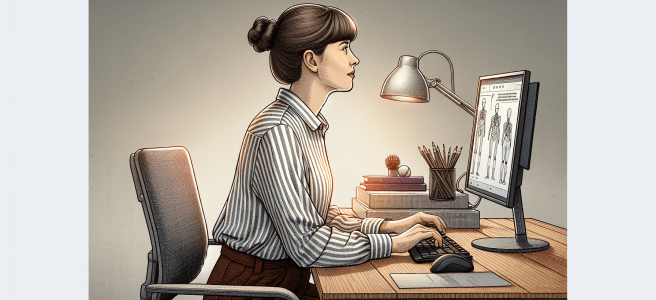
Managing Upper Crossed Syndrome with Chiropractic Care and Ergonomic Adjustments

Your posture is a cornerstone of your overall health, influencing everything from musculoskeletal function to internal organ function. Poor posture can lead to chronic strain and discomfort, affecting your daily life and long-term well-being. One common postural issue is known as “upper crossed syndrome,” characterized by excessive tightness in the shoulders and chest paired with weakness in the neck and mid-back muscles. This imbalance forces the shoulders to roll inward and the head to protrude forward, creating a cascade of negative effects throughout the body.

To grasp how upper crossed syndrome wreaks havoc, envision your spine as a sturdy telephone pole and your head as a heavy bowling ball atop it. When the bowling ball is positioned directly over the pole, minimal effort is needed to maintain balance. However, if the pole tilts forward and the ball threatens to roll off, the muscles must work tirelessly to prevent it from falling. This constant effort places undue strain on the muscles of the neck and upper back, leading to chronic discomfort and potential complications.

The repercussions of upper crossed syndrome extend beyond mere discomfort. It can contribute to a host of issues including neck pain, upper back pain, headaches, temporomandibular joint (TMJ) pain, and even arthritis over time. This postural distortion is particularly prevalent among individuals who spend prolonged periods at computer workstations, where slouching and forward head posture are common.

Addressing upper crossed syndrome requires a multifaceted approach aimed at correcting muscular imbalances and optimizing workstation ergonomics. Chiropractic care plays a pivotal role in this process, offering targeted interventions to restore postural alignment and alleviate associated discomfort. Through manual adjustments, chiropractors can realign misaligned vertebrae and alleviate pressure on nerves, facilitating improved posture and function.

Additionally, chiropractors provide guidance on stretches and exercises tailored to address muscle tightness and weakness characteristic of upper crossed syndrome. These exercises aim to elongate tight muscles, such as the chest and front shoulder muscles, while strengthening weakened muscles, particularly those in the neck and mid-back. By restoring muscular balance, chiropractic care helps alleviate strain on the spine and promote better postural alignment.

In conjunction with chiropractic interventions, modifying your workstation ergonomics is crucial for preventing and managing upper crossed syndrome. Simple adjustments, such as raising the computer monitor to eye level, using an ergonomic chair with proper lumbar support, and taking regular breaks to stretch and move, can significantly reduce strain on the neck and back muscles.

By addressing the root causes of upper crossed syndrome through a comprehensive approach that includes chiropractic care and ergonomic modifications, you can effectively manage discomfort and prevent long-term complications. Prioritizing good posture and seeking timely intervention from a chiropractor can help you maintain optimal musculoskeletal health and enjoy a more comfortable, pain-free lifestyle.

Effective Treatment of Carpal Tunnel Syndrome: Chiropractic Care and Laser Therapy

Carpal tunnel syndrome (CTS) is a common condition resulting from the compression or irritation of the median nerve as it travels through the carpal tunnel—a U-shaped channel formed by the eight bones of your wrist. This condition affects 3-5% of the general population, with women being two to three times more likely to develop CTS than men. It typically occurs in adults aged 45-60 and can significantly impact daily activities.

Causes and Risk Factors

Carpal tunnel syndrome is often brought on by activities that involve prolonged wrist flexion and repetitive wrist movements, such as:

  • Keyboard use
  • Supermarket scanning
  • Carpentry
  • Assembly line work

Other factors that can exacerbate CTS include exposure to vibration or cold temperatures. The condition is more common in the dominant hand but frequently affects both hands. Certain health conditions and lifestyle factors increase the risk of developing CTS, including:

  • Diabetes
  • Thyroid disease
  • Rheumatoid arthritis
  • Alcoholism
  • Kidney disease
  • Being short or overweight
  • Fluid retention during pregnancy

Symptoms of Carpal Tunnel Syndrome

Symptoms of CTS often start gradually and may include:

  • Numbness and tingling: Typically felt on the palm side of the thumb, index, middle, and half of the ring finger.
  • Discomfort: This can extend towards the elbow and usually begins as nighttime discomfort or waking up with numb hands.
  • Aggravation by gripping activities: Activities like reading, driving, or painting can worsen the symptoms.
  • “Shaking out” the hands: Early symptoms may be temporarily relieved by shaking the hands.
  • Sensation of tightness or swelling: Although there may be no visible swelling.
  • Hand weakness: In more severe cases, muscle weakness can develop.

CTS can also be part of “double crush syndrome,” where compression of the median nerve in the carpal tunnel is accompanied by compression at another site, such as the spine or muscles in the neck, shoulder, or forearm.

Chiropractic Care and Laser Therapy: Keys to Successful Treatment

1. Chiropractic Care:

Chiropractic adjustments are highly effective in treating carpal tunnel syndrome. Chiropractors can use specific manipulative techniques to alleviate the compression on the median nerve, thereby reducing pain and improving function. These adjustments not only address the wrist but also focus on the entire kinetic chain, including the neck, shoulder, and spine, which can contribute to the symptoms.

  • Alignment Restoration: By realigning the wrist and surrounding joints, chiropractic care helps relieve nerve pressure and enhance mobility.
  • Soft Tissue Therapy: Techniques like myofascial release can reduce muscle tightness and improve blood flow.
  • Ergonomic Advice: Chiropractors often provide guidance on posture and ergonomics to prevent further aggravation of CTS.

2. Laser Therapy:

Laser therapy is an innovative, non-invasive treatment that complements chiropractic care in managing carpal tunnel syndrome. It uses specific wavelengths of light to penetrate the skin and tissues, promoting healing and reducing inflammation.

  • Pain Reduction: Laser therapy helps decrease pain levels by reducing inflammation and promoting tissue repair.
  • Improved Nerve Function: By stimulating cellular activity, laser therapy can enhance nerve function and accelerate healing.
  • Non-Invasive: This treatment is painless and involves no downtime, making it an excellent option for those seeking non-surgical solutions.

Preventative Measures and Additional Treatments

  • Activity Modification: Avoid repetitive wrist flexion activities, such as push-ups and gripping handlebars on a bicycle, to prevent further irritation.
  • Splinting: A special wrist splint that holds your wrist in a neutral or slightly extended position can help alleviate nighttime symptoms.
  • Conservative Care: The American Academy of Neurology recommends conservative treatments like chiropractic care and laser therapy before considering surgical alternatives.

Conclusion

If left untreated, carpal tunnel syndrome can lead to permanent nerve damage. Early intervention with chiropractic care and laser therapy can effectively relieve symptoms and prevent long-term complications. If you’re experiencing symptoms of CTS, don’t wait—seek treatment and start your journey to recovery. Share your experiences or ask questions in the comments below. Let’s work together to keep our hands healthy and pain-free!

Trigger Finger

Trigger finger, also called stenosing tenosynovitis, is a condition in which a finger is locked in a flexed position due to inflammation of the tendon in the sheath that surrounds it, making it difficult for the tendon to glide. It can cause pain over time.

Trigger finger usually occurs on the third or fourth finger as a result of repetitive and excessive hand movements. This condition is found in athletes such as paddlers, tennis players and golfers.
Finger trauma can also damage the tendon and cause trigger finger.

This condition is more common in women than in men and often presents in people between the ages of 30 and 50. An inflammatory health condition such as rheumatoid arthritis or diabetes can increase the likelihood of having a trigger finger.

Trigger finger can cause, but is not limited to, pain and swelling in the affected finger. A clicking sound, sometimes painful, can be heard when the finger moves into a flexed or extended position. Symptoms may worsen in the morning upon rising or after a period of inactivity. In more advanced cases, trigger finger can lead to permanent locking of the joint.

Contact us for treatment in Winnipeg

Pain from subclavius trigger points

The Subclavius muscle is a small muscle on the underside of the clavicle. It originates on the first rib and it’s cartilage, and inserts on the inferior clavicle. It’s main function is to assist in protraction of the shoulder. This muscle is often shortened and tight from poor rounded shoulder posture. When trigger points form in this muscle they can refer pain into the anterior shoulder and down the radial part of the arm. Pain can also be referred into the thumb and first two fingers.

Trigger points in the pectoralis major muscle.

A very common muscle to become overloaded and damaged, and thus develop trigger points, is the pectoralis major muscle. This is the muscle that makes up the chest. It’s main functions are adduction and internal rotation at the shoulder. Poor rounded shoulder posture is a common cause of pec tightness and trigger points. trigger points in this muscle will produce pain felt into the front of the shoulder, the chest, and down the medial arm. If these symptoms occur in the left pec it can mimick heart pain. In women, these points can be a cause of breast pain and nipple hypersensitivity.

Shoulder and arm pain from the subscapularis muscle.

The subscapularis muscle is one of the rotator cuff muscles. It is located on the inside of the scapula, and can be difficult to access. This muscle functions to internally rotate the arm as well as to adduct the shoulder. It is also a stabilizer of the shoulder joint. When this muscle is overloaded or injured trigger points can form. These points will refer pain into the back of the shoulder and down the inside of the arm to the wrist. Trigger points in the subscapularis are often associated with a frozen shoulder.

Brachioradialis trigger points and forearm and hand pain.

The Brachioradialis muscle is located in the forearm. It is responsible for flexing the elbow in semipronation such as when lifting a coffee mug up to your mouth. Trigger points in this muscle are an often overlooked source of elbow pain. These points will also refer pain down the forearm and into the web of the thumb.

Why trigger point therapy?

People often think of a massage as a relaxing experience, something they might do occasionally, or give as a gift along with a trip to the spa. Trigger point massage therapy is another kind of massage used to treat pain and physical dysfunction. Trigger points can develop in people from all walks of life. They can affect people of all ages, office workers and labourers, elite and weekend athletes, post surgical patients, people with acute pain from injury and people with chronic pain. Trigger point massage therapy can treat a wide variety of physical conditions such as:

– Migraines

– back pain.

– sciatica

– Carple tunnel syndrome

– achy persistent pain

– pain from Fibromyalgia

– post surgical pain and scarring

– soft tissue injuries related to sports

– TMJ dysfunction