Senior Wellness: Chiropractic, Acupuncture, Weight Training, and Massage Benefits

Staying Healthy and Active in Your Senior Years: The Benefits of Chiropractic, Acupuncture, Weight Training, and Massage

As we age, maintaining our health and staying active becomes increasingly important. Adopting a holistic approach to wellness can significantly enhance the quality of life in our senior years. Chiropractic care, acupuncture, weight training, and massage therapy are four key components that can help keep you healthy, mobile, and vibrant well into your golden years. At River East Chiropractic, we offer all these services under one roof, making it easy for you to take a comprehensive approach to your health.

Chiropractic Care: Aligning Your Body for Optimal Function

Chiropractic care is essential for maintaining spinal health and overall body function. As we age, the spine can become misaligned due to wear and tear, leading to discomfort and reduced mobility.

  1. Pain Relief: Regular chiropractic adjustments can help alleviate back pain, neck pain, and joint discomfort, common issues that can hinder your ability to stay active.
  2. Improved Mobility: By realigning the spine, chiropractic care enhances mobility and flexibility, making it easier to engage in physical activities and daily tasks.
  3. Nervous System Support: Proper spinal alignment ensures that your nervous system functions optimally, improving overall health and well-being.

Acupuncture: Balancing Energy and Relieving Pain

Acupuncture, an ancient Chinese medicine practice, involves inserting thin needles into specific points on the body to balance energy flow and promote healing.

  1. Pain Management: Acupuncture is effective in managing chronic pain conditions, including arthritis and joint pain, which are prevalent in older adults.
  2. Stress Reduction: It helps reduce stress and anxiety, promoting mental well-being and enhancing the body’s natural healing processes.
  3. Enhanced Circulation: Acupuncture improves blood flow, which can aid in reducing inflammation and promoting tissue repair.

Weight Training: Building Strength and Preventing Frailty

Weight training is not just for the young; it is crucial for seniors to maintain muscle mass, strength, and bone density.

  1. Muscle Preservation: Regular weight training helps prevent muscle loss, a common issue in aging, ensuring you remain strong and capable of handling everyday activities.
  2. Bone Health: Weight-bearing exercises increase bone density, reducing the risk of osteoporosis and fractures.
  3. Balance and Coordination: Strengthening your muscles improves balance and coordination, decreasing the risk of falls and injuries.

Massage Therapy: Enhancing Relaxation and Recovery

Massage therapy offers numerous benefits that are particularly valuable for seniors.

  1. Relaxation and Stress Relief: Massage helps to relax the muscles and mind, reducing stress and promoting a sense of well-being.
  2. Improved Circulation: It enhances blood flow, which can help in the recovery of muscles and tissues, and reduce swelling.
  3. Pain Relief: Regular massage can alleviate chronic pain conditions, such as arthritis, and improve flexibility and range of motion.

River East Chiropractic: Your One-Stop Wellness Facility

At River East Chiropractic, we understand the unique needs of seniors and offer a comprehensive range of services to support your health and wellness journey. Our facility includes:

  • Chiropractic Care: Our skilled chiropractors provide personalized adjustments to help you maintain spinal health and mobility.
  • Acupuncture: Our acupuncture specialists use time-tested techniques to balance your energy and manage pain.
  • Weight Training: Our personal trainers design customized weight training programs to help you build strength and prevent frailty.
  • Massage Therapy: Our experienced massage therapists offer treatments to relax your muscles, improve circulation, and relieve pain.
  • Pilates: We offer Pilates classes focused on core strength, flexibility, and balance.
  • Full Gym: Our state-of-the-art gym is equipped with everything you need to stay active and fit.

With all these services available in one location, River East Chiropractic makes it easy to take a holistic approach to your health. Whether you’re looking to relieve pain, improve mobility, or simply stay active, our team is here to help you thrive in your senior years. Visit us today and discover how we can support your journey to a healthier, more active life.

The Benefits of Personal Training Over DIY Fitness

In the realm of fitness, there are countless resources available for those who wish to take control of their health and fitness journey. From online workout videos to fitness apps and books, the do-it-yourself (DIY) approach to fitness has never been more accessible. However, while it is possible to achieve results on your own, there are significant benefits to working with a personal trainer that can enhance your experience and outcomes. Here are some key reasons why personal training might be a better option than going it alone.

1. Personalized Workout Plans

One of the most significant advantages of working with a personal trainer is the customization of your fitness plan. Personal trainers assess your current fitness level, consider any health issues, and tailor workouts to meet your specific goals. Whether you aim to lose weight, build muscle, improve endurance, or rehabilitate an injury, a personalized plan ensures that your efforts are efficient and effective. In contrast, DIY fitness often involves generic plans that might not be suitable for your unique needs, potentially leading to frustration or injury.

2. Motivation and Accountability

Staying motivated can be challenging, especially when working out alone. Personal trainers provide the motivation and encouragement needed to push through tough workouts. They help you set realistic goals and celebrate your achievements, keeping you engaged and committed. Additionally, having a scheduled session with a trainer creates a sense of accountability. It’s harder to skip workouts when someone is waiting for you at the gym, ensuring consistency and progress.

3. Proper Technique and Injury Prevention

Proper technique is crucial in any exercise regimen to prevent injuries and maximize effectiveness. Personal trainers are skilled in teaching correct form and providing adjustments to ensure you perform exercises safely. They can identify and correct bad habits that you might not even be aware of. In a DIY approach, improper technique can lead to injuries, setbacks, and decreased motivation. A trainer’s expertise helps mitigate these risks, allowing you to progress safely.

4. Variety and Creativity in Workouts

Boredom is a common issue with self-directed fitness routines. It’s easy to fall into a repetitive pattern, which can lead to plateauing and decreased enthusiasm. Personal trainers keep workouts varied and interesting by incorporating new exercises and equipment. This not only keeps you engaged but also challenges different muscle groups, leading to better overall fitness. Trainers often use creative methods to make workouts fun, ensuring that you look forward to each session.

5. Nutritional Guidance

Fitness is not just about exercise; nutrition plays a critical role in achieving your goals. Many personal trainers offer basic nutritional advice and help you develop healthier eating habits. They can provide guidance on portion sizes, food choices, and meal timing to complement your workouts. While DIY fitness enthusiasts can find nutrition information online, it’s often generalized and may not address individual needs. A trainer’s personalized approach can help you make better dietary choices that enhance your fitness results.

6. Efficient Use of Time

Personal trainers design workouts that maximize efficiency, making the most out of your time at the gym. They structure sessions to target multiple muscle groups and incorporate high-intensity exercises that provide a comprehensive workout in less time. This is particularly beneficial for those with busy schedules. DIY fitness plans may not be as efficient, often leading to longer workouts with less impact.

7. Support and Encouragement

The journey to fitness can be challenging, and having a supportive figure can make a significant difference. Personal trainers not only provide physical guidance but also emotional support. They understand the ups and downs of the fitness journey and offer encouragement and empathy. This support system can be invaluable, especially during tough times when self-motivation wanes.

Conclusion

While the DIY approach to fitness has its merits, the benefits of personal training are substantial. Personalized plans, motivation, proper technique, variety, nutritional guidance, efficient use of time, and emotional support are just a few reasons why working with a personal trainer can elevate your fitness journey. At River East Chiropractic, we offer comprehensive personal training services designed to meet your individual needs. Our trainers are committed to helping you achieve your goals safely and effectively, providing the support and expertise you need to thrive. Consider investing in personal training to unlock your full potential and enjoy a healthier, more active lifestyle.

Optimize Athletic Performance: Weight Training, Sprinting, Chiropractic Care

Imagine upgrading your athletic abilities from a reliable but ordinary Toyota Camry to the high-speed, precision-engineered performance of a Ferrari. While the Camry is dependable and efficient, the Ferrari is all about power, speed, and agility. This transformation is possible for athletes willing to invest in a comprehensive training program that includes weight training, sprinting, and chiropractic care. Here’s how these elements can work together to enhance your speed, durability, and overall athletic performance.

Weight Training: Building a Strong Foundation

Weight training is the cornerstone of any athletic training regimen. It enhances muscle strength, power, and endurance, all of which are crucial for improving speed and durability.

  1. Strength Gains: By lifting weights, you build muscle mass and increase strength. Stronger muscles can produce more force, allowing you to run faster and perform more explosively.
  2. Improved Power: Weight training, especially when incorporating exercises like squats, deadlifts, and plyometrics, develops power. This is the ability to exert a maximum amount of force in the shortest time, which is essential for sprinting.
  3. Injury Prevention: Strong muscles, tendons, and ligaments are less prone to injury. Weight training helps balance muscle groups and correct imbalances, reducing the risk of strains and sprains.

To optimize your weight training, focus on compound movements that engage multiple muscle groups. Incorporate a mix of heavy lifting with low reps for strength, moderate weights with higher reps for hypertrophy, and explosive exercises for power.

Sprinting: Enhancing Speed and Agility

Sprinting is not just about running fast; it’s about developing the neuromuscular coordination and explosive power necessary to improve your speed.

  1. Fast-Twitch Muscle Fibers: Sprinting activates fast-twitch muscle fibers, which are essential for rapid, powerful movements. Training these fibers through high-intensity sprints can significantly enhance your acceleration and top speed.
  2. Anaerobic Capacity: Sprinting improves your anaerobic capacity, allowing you to perform high-intensity efforts for longer periods. This is beneficial not only for short bursts of speed but also for overall athletic endurance.
  3. Efficiency and Technique: Regular sprinting practice helps refine your running technique, making you more efficient. Proper form reduces wasted energy, allowing you to run faster with less effort.

Incorporate sprint intervals into your training, starting with shorter distances like 30-50 meters and gradually increasing as your conditioning improves. Ensure you have adequate recovery between sprints to maintain high intensity and avoid injury.

Chiropractic Care: Maintaining Peak Performance

While weight training and sprinting build strength and speed, chiropractic care ensures your body stays aligned and functions optimally.

  1. Spinal Alignment: Regular chiropractic adjustments help maintain proper spinal alignment, ensuring your nervous system operates efficiently. This can improve muscle function and coordination, leading to better performance.
  2. Injury Prevention and Recovery: Chiropractors can identify and address biomechanical issues before they lead to injury. They also aid in recovery by reducing inflammation, improving blood flow, and promoting healing.
  3. Enhanced Flexibility and Mobility: Chiropractic care often includes soft tissue work and stretching, which enhance flexibility and mobility. This is crucial for athletes who need a full range of motion to perform at their best.

By integrating chiropractic care into your training regimen, you ensure that your body remains in peak condition, reducing downtime from injuries and enhancing overall performance.

River East Chiropractic: Your Partner in Athletic Excellence

At River East Chiropractic, we offer a comprehensive suite of services to help you transform from a Camry to a Ferrari. Our facility includes:

  • Personal Training: Customized training programs designed to meet your specific athletic goals.
  • Chiropractic Care: Regular adjustments and treatments to keep your body in optimal condition.
  • Massage Therapy: Targeted massage to relieve muscle tension and promote recovery.
  • Acupuncture: Traditional techniques to enhance energy flow and reduce pain.
  • Pilates: Classes focused on core strength and flexibility.
  • Full Gym: State-of-the-art equipment to support all your training needs.

With our holistic approach, you can build strength, enhance speed, and maintain peak performance, ensuring you get the most out of your training. Visit River East Chiropractic and start your journey towards becoming a faster, more durable athlete today.

Preventing Compensation Patterns: Optimal Functionality and Performance | Office Approach

Athletes and the general public alike often develop compensation patterns when mild, non-debilitating injuries go untreated. These compensatory patterns can significantly impact performance, whether in sports or daily activities, often resulting in pain and difficulty in movement. Recognizing and addressing these issues is crucial for maintaining optimal functionality and quality of life.

Our office is dedicated to identifying, correcting, and preventing these dysfunctional patterns as part of our comprehensive care approach, especially for patients dealing with long-term pain. When it comes to acute injuries—those that are new or recent—our focus on preventing these patterns is paramount. Addressing them early can lead to a quicker and smoother return to sports, work, and daily life.

Untreated mild injuries can subtly alter the way we move, causing the body to adapt in ways that are not always beneficial. For example, an untreated sprained ankle might cause an individual to favor the uninjured foot, leading to imbalances and strain in other parts of the body. Over time, these imbalances can cause additional problems, such as knee, hip, or back pain. In athletes, even minor changes in movement patterns can lead to significant decreases in performance and an increased risk of further injury.

Our approach to care involves a thorough assessment of each patient’s movement patterns and injury history. This allows us to pinpoint areas where compensations may be occurring. By addressing these issues early, we can help prevent the development of chronic pain and dysfunction. For those already experiencing long-term pain, our goal is to correct these patterns to restore normal function and alleviate discomfort.

In acute injury cases, early intervention is key. When an injury is fresh, the body is in a heightened state of healing and adaptation. This is the ideal time to ensure that healing occurs correctly and that no maladaptive compensation patterns are established. Our treatment plans for acute injuries are designed to support the body’s natural healing processes while providing the guidance and interventions needed to maintain proper movement and function.

Preventing compensation patterns involves a combination of techniques tailored to each individual’s needs. This may include manual therapies to address soft tissue restrictions, joint mobilizations to restore proper alignment and movement, and corrective exercises to strengthen and retrain affected muscles. Education is also a critical component, as understanding how and why compensations occur can empower patients to make adjustments in their daily lives that support their recovery and long-term health.

For athletes, this approach not only helps in recovering from injuries but also enhances overall performance. By ensuring that movement patterns are efficient and free of compensations, athletes can move more effectively, reducing the risk of future injuries and optimizing their physical capabilities.

In conclusion, the development of compensation patterns following untreated mild injuries can lead to decreased performance and increased pain. Our office is committed to addressing these issues through a comprehensive approach that includes identifying, correcting, and preventing dysfunctional movement patterns. Whether dealing with chronic pain or recovering from a recent injury, our goal is to support our patients in achieving a quick and seamless return to their desired activities, free from pain and with improved functionality. Through early intervention and personalized care, we aim to enhance the quality of life and performance for all our patients.

Unlocking Youthful Vitality: HIIT Workouts, Chiropractic Care, and Anti-Aging Secrets

Are you searching for the secret to staying youthful and vibrant? The quest for the fountain of youth may not be as elusive as it seems. In fact, the solution might be closer than you think. Integrating regular exercise and chiropractic care into your lifestyle can form a powerful anti-aging program. Research increasingly supports the idea that a combination of high-intensity interval training (HIIT) and chiropractic adjustments can significantly enhance your overall well-being, reduce the effects of aging, and promote a youthful, energetic body.

Exercise has long been touted for its myriad health benefits, and its role in anti-aging is no exception. Regular physical activity has been shown to reduce inflammation, improve cardiovascular and respiratory health, decrease body fat, and boost energy levels. These benefits collectively contribute to a healthier and more youthful appearance. But recent studies suggest that the effects of exercise on aging go even deeper.

Researchers at the Mayo Clinic have conducted studies indicating that HIIT workouts, when performed three times a week, may reverse some of the biological signs of aging. HIIT, which involves short bursts of intense exercise followed by brief periods of rest or low-intensity exercise, has been found to improve mitochondrial function in muscle cells. This enhancement in mitochondrial activity is crucial because mitochondria, often referred to as the powerhouses of cells, play a vital role in energy production and cellular health. As we age, mitochondrial function tends to decline, leading to decreased energy levels and an increase in age-related ailments. However, engaging in HIIT can rejuvenate these cellular structures, effectively turning back the clock on a cellular level.

Incorporating chiropractic care into your anti-aging regimen can amplify these benefits. Chiropractic care focuses on the health of the spine and nervous system, which are integral to overall wellness. Misalignments in the spine, known as subluxations, can impede the nervous system’s ability to communicate effectively with the rest of the body. This can lead to a host of health issues, including chronic pain, decreased mobility, and a diminished ability to recover from physical stress—all of which can accelerate the aging process.

Regular chiropractic adjustments can help maintain proper spinal alignment, ensuring that the nervous system functions optimally. This can enhance your body’s natural healing processes, improve your posture, and increase your range of motion. By alleviating pain and improving physical function, chiropractic care enables you to engage more fully in physical activities, including HIIT workouts, thereby reinforcing the anti-aging benefits of exercise.

Moreover, chiropractic care has been shown to reduce inflammation, much like regular exercise. Chronic inflammation is a key contributor to the aging process and various age-related diseases. By addressing inflammation through both chiropractic adjustments and regular physical activity, you can significantly mitigate these risks and promote a healthier, more youthful body.

In addition to its physical benefits, the combination of exercise and chiropractic care can have profound effects on mental health. Regular physical activity is known to reduce stress, anxiety, and depression, while chiropractic care can help alleviate headaches and improve sleep quality. Together, these practices support a more balanced and resilient mental state, which is crucial for maintaining a youthful outlook on life.

In conclusion, the journey to the fountain of youth involves a holistic approach that includes both regular exercise and chiropractic care. By committing to a routine that features HIIT workouts three times a week and consistent chiropractic adjustments, you can enhance your physical health, reduce the signs of aging, and enjoy a more vibrant, energetic life. Embrace this comprehensive anti-aging program to unlock your full potential and maintain your youthfulness well into the future.

Chiropractic: Musculoskeletal Pain Affects School Teachers.

Photo by Karolina Grabowska on Pexels.com

Chiropractic: Musculoskeletal Pain Affects School Teachers.

An assessment of 486 self-evaluation surveys from female school teachers in Saudi Arabia reveals that musculoskeletal pain is surprisingly prevalent in the profession. Their most common complaint was low back pain, followed by knee pain, heel pain, shoulder pain, upper back pain, hip joint pain, ankle pain, and neck pain. Furthermore, nearly half (46.1%) of the teachers surveyed claimed that their pain affected their teaching performance. Pakistan Journal of Medical Sciences, November 2014

Wrist Arthritis

Wrist osteoarthritis is a common health condition characterized by degeneration of cartilage and bone growth.

It is normal to have a mild level of osteoarthritis as you age. However, more pronounced levels of osteoarthritis can lead to pain, swelling and loss of function. Although they can occur without any known particular reason, they most often do as a consequence of trauma such as ligament ruptures or fractures.

Advanced stages of osteoarthritis can affect the ability to perform activities of daily living and sports.

An exacerbation of symptoms generally occurs during a period when the level of physical activity or manual work has been increased drastically.

Wrist osteoarthritis can produce, but is not limited to, local wrist pain, localized swelling and stiffness with wrist movement. A prolonged static position or a sleeping position with direct pressure on the flexed wrist can cause pain.

Each person reacts differently in the presence of osteoarthritis, a progressive condition with no cure. It is possible that the range of motion may decrease over time. An active lifestyle and rehabilitation plan may slow the progression of this condition and make it easier to manage symptoms.

Contact us for treatment in Winnipeg

Find and Follow us on Twitter and Instagram!

#chiropractic #chiropractor #backpain #neckpain #headache #migraine #osteoarthritis #spinalstenosis #herniateddisc #fibromyalgia

Trochanteric Bursitis

Trochanteric Bursitis: That pain on the outside of your hip…..

Trochanteric bursitis is the irritation of the bursa at the level of the bony prominence of the hip, called the greater trochanter. This bony landmark constitutes an insertion zone for several muscles, including the gluteus medius, the gluteus minimus and the piriformis.

Activities and sports that require repetitive contraction or tensing of these muscles to stabilize the hip can lead to bursa irritation and sometimes inflammation. Trochanteric bursitis can occur following a fall.

The bursa is a thin sac filled with fluid. The trochanteric bursa is located at hip level between the greater trochanter and the tendons of the gluteus medius and minimus muscles and the piriformis. It acts as a lubricant to reduce friction between the muscles and that bony prominence.

Trochanteric bursitis can produce, but is not limited to, pain on the side of the hip, localized edema due to swelling of the bursa, and reduced mobility at the hip.

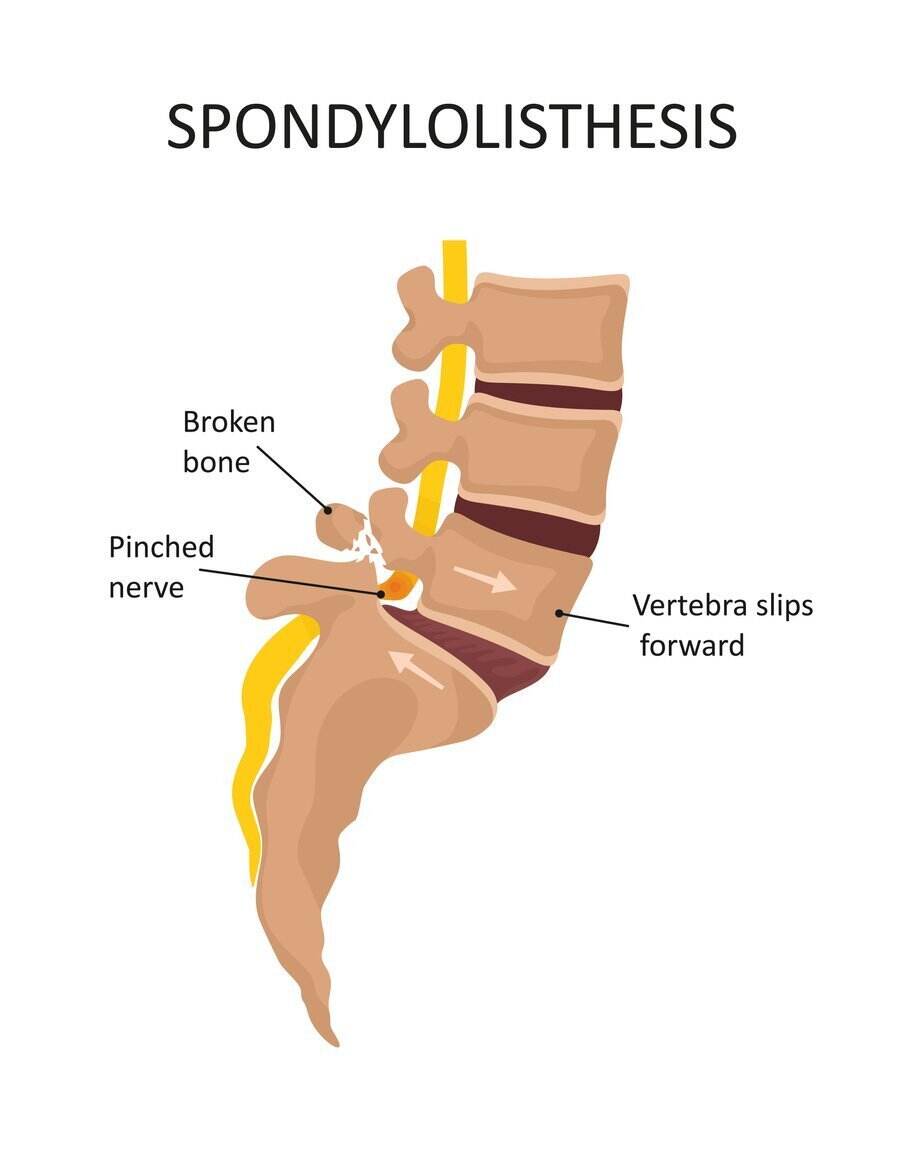
Spondylolithesis

Spondylolisthesis occurs when one vertebra slips out of place. This slight slippage can sometimes cause compression of the nerves and, in some cases, cause tingling, numbness, pain, and even weakness in the legs.

Spondylolisthesis can be the result of a trauma to the spine, a congenital defect or simply be a progression of osteoarthritis. Spondylolisthesis can occur, without apparent cause, as people age. In younger individuals, spondylolisthesis usually occurs as a result of trauma during sports such as gymnastics or football and can cause a fracture in the vertebra.

Each person will react differently to the presence of spondylolisthesis and symptoms can vary considerably. Initially, spondylolisthesis may be present without any noticeable symptoms.
When pain is present, it is often felt in the lower back or the buttocks. It can range from mild to severe and can affect daily activities such as walking. Burning and tingling sensations may be felt in the area of the buttocks and legs.

Sitting or leaning forward is often less painful than standing or walking because of the positioning of the spine.

#Chiropractic #PainRelief #Healthyliving #LaserTherapy #Winnipeg #BackPain #NeckPain #Headache #Fitness #Athlete #Wellness

Frozen Shoulder

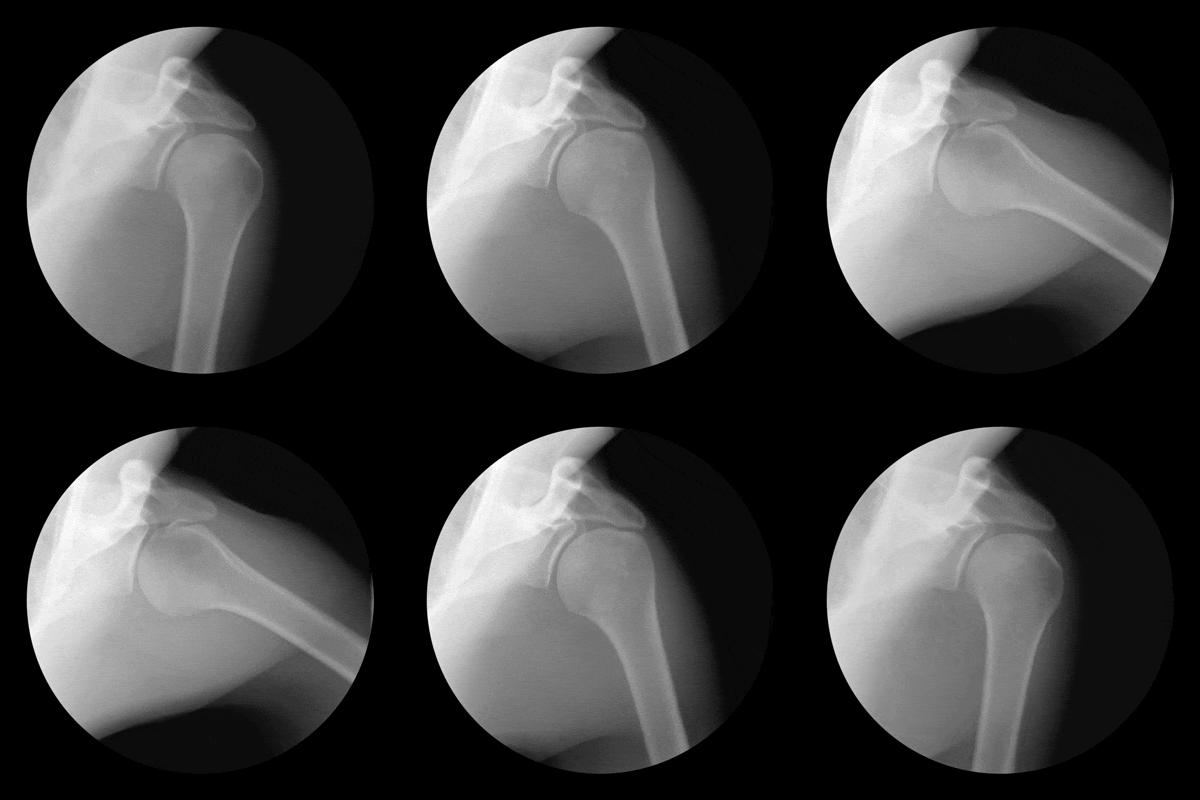
Shoulder capsulitis happens when the strong connective tissue surrounding the shoulder becomes thick, stiff and inflamed, causing pain and loss of motion in the shoulder in all directions. It is sometimes called adhesive capsulitis or frozen shoulder.

The exact cause of this condition is unknown, but the risk of suffering from it increases following prolonged shoulder immobilization, a stroke or other shoulder conditions.

People over 40 are more prone to developing this condition and women are more commonly affected than men. Diseases such as diabetes, thyroid dysfunction and cardiovascular diseases can increase the risk of suffering from shoulder capsulitis.

Shoulder capsulitis generally causes pain and loss of range of motion in the shoulder. This condition typically develops slowly and can last from a few months to a few years. Symptoms of shoulder capsulitis can generally be categorized into three progressive stages.

In the first one, called the freezing stage, the shoulder becomes progressively stiffer and painful. Pain can be worse at night, especially if you sleep on your affected side.

In the second one, called the frozen stage, stiffness in the shoulder joint is important. Pain may begin to diminish during this stage but the range of motion in the shoulder is very limited and muscles start to lose their strength.

The last stage, called the thawing stage, is the beginning of recovery. There is a reduction in pain and a gradual increase in movement.