

Trying to be more mindful of your calories? Try applying this rule to your daily regimen:
Before grabbing a bite to eat, drink a full glass of water first. Many times, thirst can be confused with hunger.
Before grabbing a bite to eat, drink a full glass of water first. Many times, thirst can be confused with hunger.

A great piece here from https://www.tallahassee.com/life/
Remember that high school health class? Now imagine a similar class geared toward students 65 and older.
That’s the idea behind nutrition education for older adults provided by the Family Nutrition Program, an Extension program of the University of Florida Institute of Food and Agricultural Sciences, which teaches people how to stay healthy and active on a budget.
“As we get older, our bodies change, and we are at greater risk for developing chronic diseases like high blood pressure and diabetes,” said Dr. Sharon Austin, adult programs specialist for the Family Nutrition Program. “My job is to encourage older adults to make small changes that will help them lead active, independent lives.”
The need for this kind of education is growing, Austin said. Adults over 65 are the fastest growing age group in the United States, and Florida has the highest percentage of adults 65 and older of any state, she said.
Everyone ages differently, and individual needs can be determined with your doctor, Austin said. But in general, as we get older, we may need to pay more attention to certain aspects of our eating and exercise routines to stay healthy, she said.
1. Calorie needs
As we age, our bodies typically need fewer calories because we are moving less and have less muscle mass, Austin said. “When you don’t need as many calories, you want to make sure you get more bang for your buck. That means avoiding ‘empty calories’ and choosing foods that are going to give you the nutrients you need,” she said.
2. Eating from every food group
One way to ensure that you are getting all the nutrients you need is to eat a variety of foods from every food group, Austin said. Take a look at ChooseMyPlate.gov to see how much of each food group to consume.
3. Fiber-rich foods
“Fiber isn’t just good for digestive health. It also helps lower risk for heart disease and diabetes, which are common chronic diseases in older adults,” Austin said.
You can get your daily recommended intake of fiber from whole grains, beans, and fresh fruits and vegetables, she said.
4. Fortified foods
Look for foods fortified with vitamin B12, vitamin D and calcium. “Vitamin B12 helps keep the body’s nerve and blood cells healthy, and calcium and Vitamin D help support bone health,” Austin said.
5. Drinking water
Older adults may have a decreased sense of thirst, and may more easily become dehydrated, Austin said. “One way to avoid dehydration is to sip water throughout the day from a cup or container you keep nearby during your daily routines,” she said
6. Exercises for mobility, balance and weight management
“When we talk about exercise for older adults, the goal is to set yourself up for physical independence. In our classes, we talk about everyday activities, such as cleaning the house or gardening, which can keep us strong and flexible, and burn calories. We also practice ways to increase balance, which can help us avoid falls and injury,” Austin said.
An exercise that many participants enjoy is the ‘couch potato mambo,’ Austin said. “Next time you’re sitting watching TV, get up and dance during the commercial break. It’s a small step toward health, and it’s fun.”


the vertebral arches on its way from your brain to your tailbone. The term “lumbar isthmic spondylolisthesis” describes a condition where your arch has broken free from its anchor on the vertebral body, allowing the vertebral body to slide forward. Lumbar spondylolisthesis typically affects the lowest lumbar vertebra, L5, or occasionally the second lowest, L4.
The condition is sometimes caused by trauma, but more often follows a “stress fracture” involving the arch of the vertebra. This break and slippage is thought to result from repetitive movements, especially hyperextension (arching back) and rotation. The break usually happens during childhood but does not always cause symptoms when it occurs. Many times, the condition will lie dormant until later in life. Lumbar spondylolisthesis is present in six to seven percent of the population and affects males twice as often as females. The problem is more common in those who participate in sports. Some sports predispose children to this “break and slip”. Athletes who participate in gymnastics, rowing, diving, football, wrestling, weight lifting, swimming, tennis, volleyball, and track & field throwing sports (i.e. discus, shot put, etc) are at greatest risk.
The pain usually starts in your back but may radiate into your buttock or thigh. Your pain usually intensifies with standing upright for prolonged periods of time or leaning backwards, especially during heavy activity. Some women report increased symptoms during the later stages of pregnancy. Be sure to tell your doctor if you notice pain, numbness or tingling in your groin, a loss of bowel or bladder function, fever, night sweats, pain extending beyond your knee, or weakness in your legs.
Your doctor will “grade” your spondylolisthesis based on the percent of the vertebral body that has slipped forward. Your doctor will try to determine if your spondylolisthesis is “active”, meaning a recent break or “inactive”, referring to a long-standing problem. If your doctor has determined that your spondylolisthesis is new and has a chance of worsening, you may need to stop certain activities or sports for a period of time until your fracture heals. Sometimes a lumbar brace is used to help you recover more quickly. Patients with a long-standing “inactive” spondylolisthesis may benefit from a combination of treatments including stretching and strengthening. You should limit leaning backwards or sleeping on your stomach. Females should avoid wearing high heels.
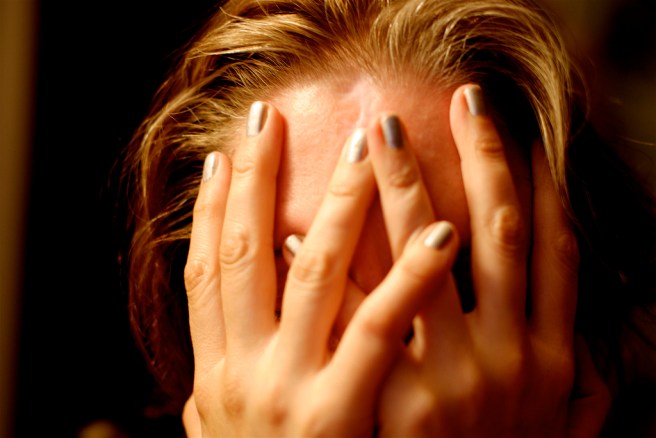
How Does Chiropractic Help with Headaches?
Since 9 out of 10 Americans suffer from some form of headache, we tend to think of them as just a nuisance that can be relieved by taking a painkiller or a nap. Those solutions sometimes lighten the pain momentarily, but recurring headaches are a symptom that something else is wrong, and finding the root cause of your headaches is imperative to putting an end to them.
Fortunately, there’s a proven alternative. According to a new study, chiropractic treatment can provide “immediate relief” for many headache patients.
The majority of primary headaches, including tension headaches and migraines, are frequently associated with muscle tension or joint restrictions in the neck. These problems occur more often than ever before because nowadays we’re sitting in front of the computer for hours at a time or looking down at a phone to surf the web or text.
Chiropractors work to remove the triggers of these painful problems like stiffness, tightness, inflammation, and nerve irritation in the cervical spine. In addition to performing gentle spinal manipulation and soft tissue release, your chiropractor can also provide nutritional advice to help you avoid common migraine triggers found in your diet. Many patients also benefit from chiropractic advice on posture, relaxation techniques, and exercises to help prevent future problems.
So, if you or someone you know suffers from headache, call our office today. And check out this short video for more information about relief for neck-related headaches.

Pregnancy-related LBP
Researchers estimate that between 45-75% of pregnant women will experience low back pain at some stage of their pregnancy. (1-5) Up to 33% rate their pain as severe. (6) Pregnancy-related low back pain (P-LBP) leads to lower quality of life, restricted activity, and disability – with almost 25% of pregnant women taking sick leave for LBP. (2,7-11) The recurrence rate for pregnancy-related low back pain is 85-90%. (11-14) Consequently, almost 1 in 5 women who report P-LBP during an initial pregnancy will avoid future pregnancies due to fear of returning symptoms. (15)
Pharmacologic options during pregnancy are limited, however a new study highlights a conservative alternative. A December 2017 systematic review of 102 studies found moderate-quality evidence suggesting manipulation had a significant effect on decreasing pain and increasing functional status in pregnant and post-partum women with LBP. (16)
This concurs with prior research showing that almost 75% of women undergoing chiropractic manipulation report significant pain reduction and clinically significant improvements in disability. (17,18) Postpartum LBP also responds favorably to spinal manipulation – approximately 10 times better than watchful waiting. (19)
Our providers strive to deliver safe and effective evidence-based care for your patients. Incorporating gentle manipulation with the appropriate exercises generally provides significant relief in very few visits.
Your spine is made up of 24 individual vertebrae, all stacked on top of each other. The lowest five vertebrae are referred to as your lumbar spine. Each vertebra has two basic components- the “body” and the “arch.” You can envision this as a coffee mug lying on its side. The cup would represent the vertebral body, and the handle would represent the arch. The spinal cord travels through each of the vertebral arches on its way from your brain to your tailbone.

The term lumbar spondylysis describes a condition where a part of the arch breaks free from its anchor site on the vertebral body. This condition most commonly occurs during adolescence while bones are hardening. When we are young our bones have taken shape but they have not yet become hardened. Think of this as a clay coffee mug that has not yet been fired in the kiln. During adolescence, our bones transform from this softer clay to a more brittle bone.
The condition is sometimes caused by trauma but more often is a “stress fracture” to the arch of the vertebra. This defect is thought to result from repetitive movements, especially hyperextension and rotation. The condition is more common in people who were born with a small or weak arch- think of a coffee mug handle with a very thin brittle attachment.
Lumbar spondylolysis usually affects the lowest lumbar vertebra- L5, or occasionally L4. Most patients are 10-15 years of age when they are diagnosed with the condition, although sometimes symptoms do not present until adulthood. It is more common in those who participate in sports. Some sports predispose children to this problem. Athletes who participate in diving, wrestling, weight lifting, track, football and gymnastics have the highest incidence of spondylolysis.
The pain usually starts in your back but may radiate into your buttock or thigh. Your pain usually intensifies with standing upright for prolonged periods of time or leaning backwards. You should limit movements that involve hyperextension, like leaning backwards. Females should avoid wearing high heels.
Your doctor likely performed x-rays or an MRI to make the diagnosis of spondylolysis. If your doctor has determined that your spondylolysis is new and has a chance of worsening, you may need to stop certain activities or sports for a period of time until your fracture heals. Sometimes a lumbar brace is used to help you recover more quickly.

If you or someone you know has been involved in accident, call our office today. Check out THIS VIDEO to learn more about resolving neck pain from auto accidents.

Dealing with an injury is not only painful but can be frustrating as well when you’re sidelined from your regular fitness routine. If you’ve ever been injured or had to sit out due to illness, you know that deconditioning happens very quickly. In fact, muscles begin to shrink within days, and cardiovascular fitness starts decreasing after two to three weeks without training. The good news is that there are ways you can stay in shape even while recovering from an injury. Here are our suggestions:
1. First things first, see us before getting back into any form of exercise, especially if you have a back or neck injury. We can determine if it’s safe for you to begin physical activity and develop a rehabilitation program to keep you healthy.
2. Seek alternative methods of exercise. There’s always something you can do to work around your injuries and maintain a level of fitness. Low impact workouts like swimming or aqua aerobics are often good ways to exercise while injured.
3. Focus on training un-injured areas. If you have an ankle or leg injury, try a circuit of exercises that don’t require you to stand up and use your lower body, such as chest presses, seated rows, and core workouts you can do on the floor. For an upper-body injury, you can still get a great workout in by using just your legs (think leg presses, lunges, and the stationary bike).
4. Focus on creating or improving other healthy habits like getting more sleep or eating nutritious foods.
5. Lastly, be patient and give yourself a break. Rest and time are essential parts of the healing process. Take care of yourself physically and emotionally. When you’re able to jump back into your old routine, you’ll have hopefully been able to maintain a reasonable level of fitness by using these tips.

The majority of Americans are dehydrated on a daily basis. It’s recommended we get 8 glasses of water a day, which proves to be a challenge for those who regularly consume other drinks, such as coffee, juice, and alcoholic beverages. Not only do these other drinks fill you up and make it harder for you to ingest a healthier beverage (such as water), it’s also counterproductive, as it dehydrates you. If you need help consuming more water throughout the day, consider these tips:

The term stenosis means “narrowing” of a tube or opening. Spinal stenosis means that the tube surrounding your spinal cord and nerve roots has become too small, and your nerves are being compressed. Stenosis can arise in different ways. Sometimes, people are born with a spinal canal that is too small. Other times, the canal may have been narrowed by surgery or conditions like disc bulges. Most commonly, spinal stenosis arises from chronic arthritic changes that narrow the canal. This type of stenosis usually develops slowly over a long period of time, and symptoms show up later in life.
Patients with stenosis often report pain, tingling, numbness or weakness in their legs. Lower back pain may or may not be present, but leg symptoms are usually more bothersome. You may notice increasing symptoms from standing or walking and relief while sitting because the available space in your spinal canal decreases when you stand, walk or lean back and increases when you sit or flex forward. Walking down hill is usually more uncomfortable than walking up hill. You may notice that when you walk with a shopping cart or lawn mower, you are more comfortable, as this promotes slight flexion. Sleeping on your side in a fetal position with a pillow between your knees may be most comfortable.
The natural course of spinal stenosis is variable. Most patients notice their symptoms stay about the same over time, while others are divided into fairly equal groups who either improve or worsen. Be sure to tell your doctor if you notice that your legs become cold, swollen or change color. Likewise, tell us if you notice a fever, unexplained weight loss, flu-like symptoms, excessive thirst or urination, numbness in your groin or loss of bladder control.
While there is no non-surgical cure for stenosis, we offer potent treatments to help ease your symptoms. Treatment is focused on helping improve your mobility so that you can walk and function better. You will be given exercises to help with conditioning. You should avoid activities that increase your pain, including heavy lifting or those that cause you to extend your back, like prolonged standing or overhead activity. When you are forced to stand, you may find relief by slightly elevating one foot on a stool or bar rail. You may find relief while washing dishes if you open your cabinet door and alternately rest one foot on the inside of the cabinet to provide a little bit of flexion. Recumbent cycling is often a more tolerable alternative to walking or running. Some patients report relief by using an inversion table.
 Aberdeen Chiropractic