Chiropractic Care: The Main Source of Relief and Correction for Whiplash

Auto accidents are the leading cause of whiplash, with up to 83% of people involved in accidents suffering from this painful injury. Whiplash can be severe, especially in rear-end collisions, and various factors can predict the extent of your injury. Surprisingly, the amount of visible damage to your vehicle does not correlate with the severity of your whiplash. Even minor impacts at speeds less than 5 MPH can cause significant symptoms.

Factors Increasing Your Risk of Whiplash

Several factors can increase your risk of sustaining a whiplash injury in an auto accident:

  • Type of Collision: Rear-end collisions generally result in more severe whiplash injuries.
  • Size of the Striking Vehicle: Being hit by a larger or heavier vehicle increases your risk.
  • Head Restraint Position: Improperly positioned head restraints can lead to more severe injuries.
  • Road Conditions: Wet or icy roads can contribute to the severity of the collision and the resulting whiplash.
  • Head Position: Having your head rotated or extended at the time of impact worsens the injury.
  • Awareness: Being unaware of the impending collision can lead to more severe whiplash.
  • Age: As we age, our tissues become less elastic, increasing the risk of injury.

Symptoms of Whiplash

Symptoms of whiplash can begin immediately or have a delayed onset. Early signs include soreness in the front of your neck, which usually fades quickly. Ongoing symptoms often include:

  • Neck Pain: Dull pain that becomes sharper with head movement, typically centered in the back of the neck.
  • Radiating Pain: Pain spreading to your shoulders or between your shoulder blades.
  • Increasing Discomfort: Symptoms may worsen over time.
  • Stiffness: Rest may temporarily relieve symptoms but often leads to stiffness.

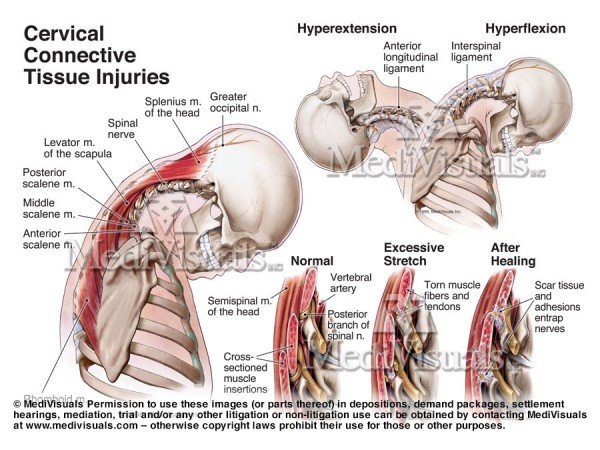
Sprain/strain injuries from whiplash replace normal, healthy, elastic tissue with less elastic “scar tissue,” leading to ongoing pain and even arthritis. Over half of those injured will experience neck pain up to a year after the accident.

Why Chiropractic Care is Essential for Whiplash

Seeking early and appropriate treatment is critical, and chiropractic care stands out as the main source of relief and correction for whiplash. Here’s why:

1. Early Intervention: Chiropractors are trained to assess and treat whiplash injuries promptly. Early intervention can prevent the formation of scar tissue and chronic pain.

2. Pain Relief: Chiropractic adjustments help reduce pain and inflammation by realigning the spine and improving joint function. This can provide immediate relief and long-term benefits.

3. Restoring Mobility: Chiropractic care focuses on restoring normal movement patterns, which is essential for preventing stiffness and improving overall mobility.

4. Preventing Chronic Issues: By addressing the underlying causes of pain and stiffness, chiropractors can help prevent the development of chronic conditions such as arthritis.

5. Comprehensive Care: Chiropractors offer a holistic approach, including lifestyle advice, exercises, and ergonomics, to support recovery and prevent future injuries.

Importance of Early Examination

If you are involved in an accident, it is essential to seek chiropractic care as soon as possible. Even if your symptoms are mild or delayed, early examination and treatment can significantly impact your recovery. Additionally, if you were riding with others, they might also have sustained injuries, and it would be beneficial for all passengers to be examined promptly.

Take Action

If you’ve been in an auto accident, don’t wait for symptoms to worsen. Schedule an appointment with our chiropractic office to get the care you need and start your path to recovery. Chiropractic care is your best option for relieving pain, restoring mobility, and preventing long-term complications from whiplash. Share your experiences or questions in the comments below and let us help you on your journey to wellness.

Hip Fractures

Photo by Ron Lach on Pexels.com

A hip fracture usually occurs in the upper part of the thigh bone (femur), near the hip joint.

This type of fracture mainly occurs as a result of a fall or a direct impact on the bone, such as in a car accident. Osteoporosis and osteopenia can contribute to weakened bone integrity and increase the risk of fracture.

Older people and post-menopausal women are at higher risk of a hip fracture.

A stress fracture can occur following a period of overtraining and can also lead to a hip fracture.

Headaches and whiplash.

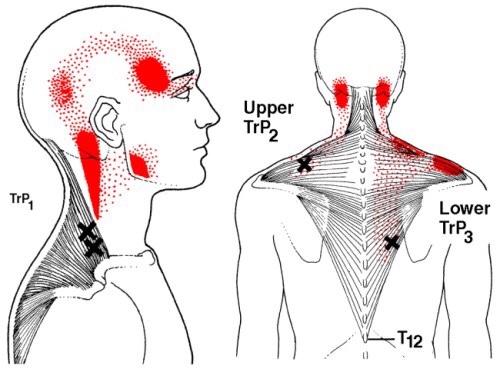
With a whiplash injury the muscles of the neck get overloaded and strained. When this happens trigger points can form in any or all of these muscles. Trigger points in the neck muscles will refer pain into the head and face causing headaches and migraines. These points won’t release with rest, stretching, or rehab exercise. They require a manual technique like trigger point massage for them to resolve.

Massage therapy and whiplash pain.

did you know that one of the most successful ways to treat whiplash is with massage therapy? during a whiplash injury the muscles and soft tissue in the neck get damaged. massage therapy techniques such as trigger point massage are an effective way to treat these injured muscle and speed up the healing process.

Trigger points and whiplash.

One on the unavoidable consequences of a whiplash injury is the development of myofascial trigger points in the muscles of the neck. Trigger points form in muscles when the tissue is stressed beyond it’s capacity. This damages the contractile mechanism In the muscle fibers and causes trigger points to form. These knots in the muscles will cause pain, refered pain, stiffness, and weakness. Trigger points in the neck muscles will refer pain into the head and face causing headaches and migraine pain.

Whiplash and soft tissue.

During a whiplash injury the soft tissue in both the front and back of the neck can get damaged. When this happens trigger points will form in the muscles. These points will produce pain, refered pain, as well as stiffness and weakness. Trigger points in the neck muscles quite often refer pain into the head causing headaches and migraine pain. These points don’t resolve with stretching or rehabilitation exercises, they must be specifically released with a technique such as trigger point massage therapy.

Whiplash and soft tissue.

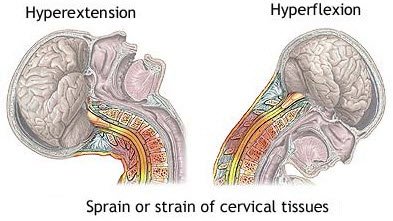
Whiplash is a nonmedical term used to describe neck pain following an injury to the soft tissues of the neck (specifically ligaments, tendons, and muscles).It is caused by an abnormal motion or force applied to the neck that causes movement beyond the neck’s normal range of motion. It is usually caused by a flexion-extension motion of the neck that pulls and strains the neck muscles and ligaments.

Whiplash and massage therapy.

now that the winter is here and the roads are slippery, whiplash injuries becomes very common. Most people think of their spine and head when dealing with whiplash, but the muscles of the neck and upper back are always affected as well. Muscles in the neck will develop trigger points from the violent whipping motion of the head that occurs with this injury. Left unchecked these points will continue to produce pain, stiffness and weakness. Trigger points in the neck are one of the most common sources of headache pain. Make sure you are getting the soft tissue treated as well as the spine if you are recovering from a whiplash injury.

Gluteus minimus trigger points and sciatica.

The gluteus minimus muscle is located at the hip. It functions to abduct the hip and stabilize the pelvis. Trigger points commonly develop in this muscle from overload stress. The referral pattern of these trigger points will refer pain down the side of the leg, as well as into the glute and hamstring. These symptoms are often mistaken for irritation of the sciatic nerve called ” sciatica” which produces very similar symptoms.

Piriformis syndrome

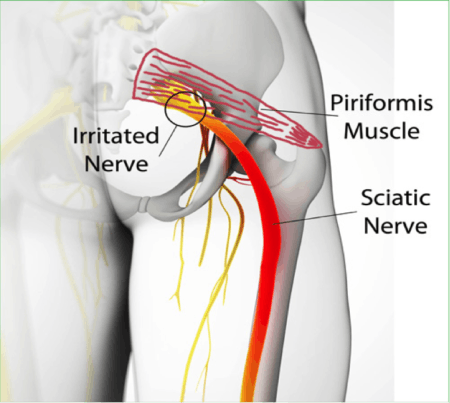
Piriformis syndrome is caused by a tight contracted piriformis muscle putting pressure on the sciatic nerve causing symptoms of tingling, numbness, and altered sensation. This muscle is often tight in people who sit for long periods of time. A common cause of this muscle being contracted and tight are trigger points. These trigger points are contracted knots within the belly of the muscle. These knots cause the muscle to become shortened. Trigger points will also cause pain on their own. This is usually felt as a deep achy pain in the glute and hip area, as well as in the back of the leg.