

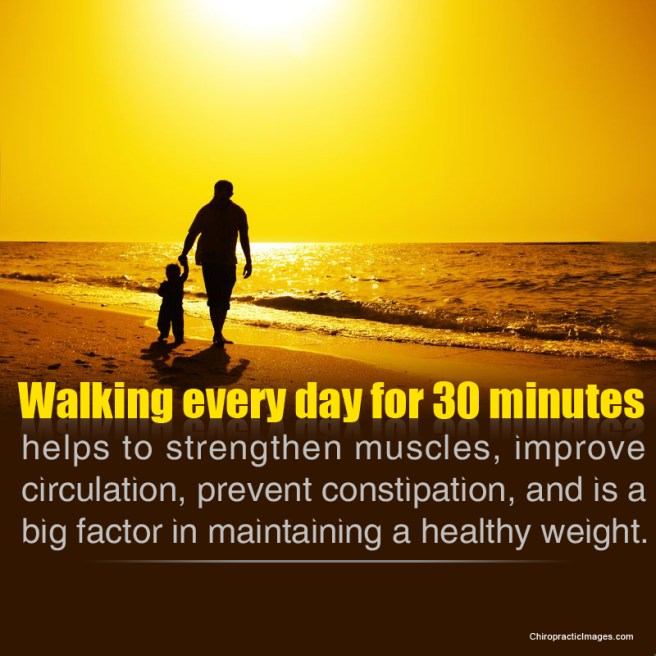


Using computer models, researchers studied several factors that could affect a city’s quality of life, such as how far people must travel to shop; availability and safety of bike paths; parking costs; and access to public transportation. The researchers estimate that by reducing car use by 10% and reducing the distance to public transportation by 30%, cities could expect the rates of heart disease to drop 15% and type 2 diabetes to drop by 11%.
The Lancet, September 2016
Chronic neck pain often results in a psychological impact that can affect daily life. A new study involving 80 patients with chronic neck pain investigated the prevalence of anxiety and depression in patients with neck pain as well as associated risk factors and found that 68.4 % suffered from anxiety and 55.7% patients were depressed. Furthermore, disability and cervicobrachial neuralgia (neck pain radiating into the arm) associated with chronic neck pain predicted which patients had at higher risk of psychological distress.
The Pan-African Medical Journal, May 2016


A few quick tips to avoid common back pains from raking up all the “beautiful” (until it hits the ground…..) fall foliage.
https://www.newswise.com/articles/leaf-raking-avoid-pain-and-injury-this-fall-with-these-tips
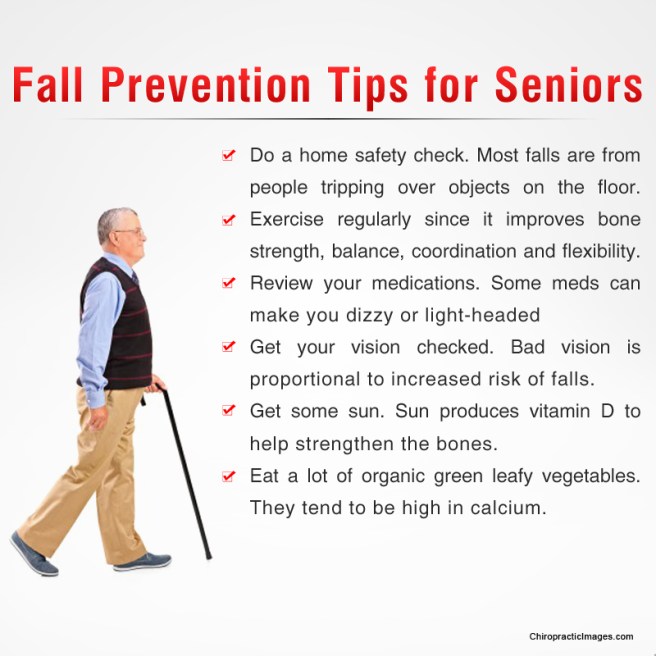
Seniors who regularly exercise appear less likely to suffer a disability, and if they do, they tend to recover quicker. A study that included 1,600 older adults showed that active seniors were 13% less likely to develop a physical disability, and exercisers were one-third more likely to recover from impairment than those who lived a sedentary lifestyle. The findings suggest that it’s never too late to reap the benefits of exercise.
Annals of Internal Medicine, September 2016
 Aberdeen Chiropractic