Fibromyalgia and Sleep

Is there a connection between fibromyalgia (FM) and sleep disturbance? Let’s take a look!

FM is a condition that causes widespread pain and stiffness in muscles and joints. Patients with FM often experience chronic daytime fatigue and some type of sleep problems like getting to sleep, staying asleep, and/or feeling restored in the morning upon waking. The National Institutes of Health estimates between 80-90% of those diagnosed with FM are middle-aged women, although it can affect men and happen at any age. As little as 10-20 years ago, it was hard to find a doctor who “believed” in FM, and it was common for the patient to be told that their pain “was all in their head.” FM has now been studied to the point that we know it is a real condition, and it affects between 2-6% of the general population around the world.

It is well established that sleep disturbance frequently occurs after surgery, which usually normalizes as time passes. One study used a group of healthy women who were deprived of sleep (particularly slow wave sleep) for three days to see if there was a link between sleep disturbance and pain. Results confirmed that the women experienced a decrease in pain tolerance and increased levels of discomfort and fatigue after three days—the same symptoms found among FM sufferers!

Fibromyalgia may have NO known cause, or it can be triggered by other conditions such as repetitive stress injuries, car crash injuries, and other forms of trauma. FM also appears to run in families though it’s still NOT clear if this is a true genetic link or caused by shared environmental factors. Some feel FM is a rheumatoid condition, and though FM is NOT a true form of arthritis, it has been found that people with arthritis are more likely to have FM.

FM sufferers frequently suffer from conditions such as irritable bowel syndrome, chronic fatigue syndrome, migraine headaches, arthritis, lupus, and major depressive disorders. Approximately 20% of FM patients have depression and/or anxiety disorders, and a link between chronic pain and depression exists and seems to play a role in people’s perception of pain.

Because conditions such as sleep apnea can result in symptoms similar to FM, it’s recommended that patients suspected of FM keep a sleep/sleepiness diary in order to rule out sleep apnea as a cause for their condition.

There are many “tips” for improving sleep quality, which we will dive into next month, as these may prove VERY HELPFUL in the management of FM!

If you, a friend or family member requires care for Fibromyalgia, we sincerely appreciate the trust and confidence shown by choosing our services!

Teens & Headaches? What?

Migrane

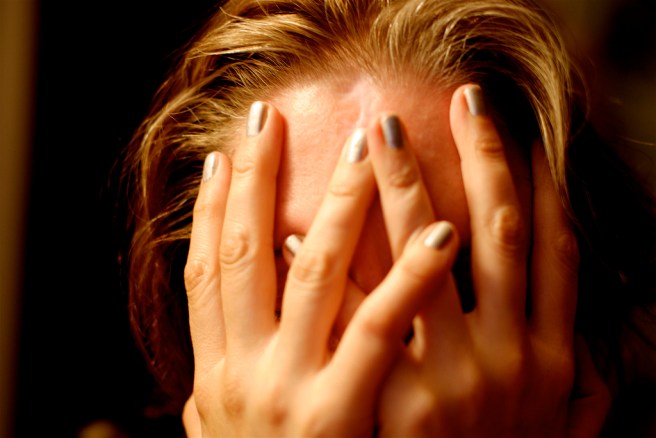
In 2016, researchers at Curtin University in Perth examined the seated posture and health data of 1,108 17-year olds in an effort to determine if any particular posture increased the risk of headaches/neck pain among late adolescents.

Among four posture subgroups—upright, intermediate, slumped thorax, and forward head—the researchers observed the following: participants who were slumped in their thoracic spine (mid-back region) and had their head forward when they sat were at higher odds of having mild, moderate, or severe depression; participants classified as having a more upright posture exercised more frequently, females were more likely to sit more upright than males; those who were overweight were more likely to sit with a forward neck posture; and taller people were more likely to sit upright.

While they found biopsychosocial factors like exercise frequency, depression, and body mass index (BMI) ARE associated with headaches and neck pain, their data did not suggest any one particular posture increased the risk of neck pain or headaches more than any other posture among the teenagers involved in the study.

This is noteworthy as studies with adults do indicate the risk for neck pain and headaches is greater in individuals with poor neck posture. In particular, postures such as forward head carriage, pinching a phone between the ear and shoulder, and prolonged neck/head rotation outside of neutral can all increase the risk of cervical disorders. This suggests that in younger bodies, the cause of neck pain and headaches may be multifactoral and not limited to just poor posture and that treatment must address all issues that may increase one’s risk for neck pain/headaches in order to reach a desired outcome.

The good news is that chiropractic has long embraced the biopsychosocial model of healthcare, looking at ALL factors that affect back and neck pain and quality of life. Through patient education, spinal manipulation, mobilization, exercise training, the use of modalities, and more, chiropractors can greatly help those struggling with neck pain and headaches!

Non-surgical Options

CTS SUrgery

Continuing with our information on Carpal Tunnel Syndrome, today we will look at non-surgical treatment approaches for carpal tunnel syndrome (CTS) aim to remove pressure on the median nerve where it’s pinched. In a recent review of the literature published on “passive modalities” (non-surgical treatment approaches) for CTS, researchers reviewed studies published between 1990 and 2015 for information on which non-surgical treatment approaches work best. Topping the list is the use of various types of night splints – wrist braces worn at night to prevent bending of the wrist during sleep. The evidence found that night splints were less effective than surgery in the short-term (up to six months) but more effective over the long-term (at 12 and 18 months)!
They did not find studies with a “low risk of bias” (no randomized controlled trial-types of studies) regarding other passive modalities such as ultrasound and electrical stim and hence, they conclude that better quality studies must be conducted before conclusions can be made regarding most of the passive modalities frequently utilized in the management of CTS.
A 2010 study found mobilization treatments and exercises (tendon gliding & nerve gliding) were helpful WHEN patients complied with the treatments and the recommended exercises. Manual therapies, or “hands-on” treatments, are a feature of chiropractic care. Chiropractic treatment for patients with CTS also includes night bracing in addition to manipulation, mobilization, exercise training, nutrition, and ergonomic / workstation modifications, and whole body health awareness.
Doctors of chiropractic understand these non-surgical approaches have limitations. This is why they work with allied healthcare providers when pharmaceutical and/or surgical intervention is appropriate. They may also frequently consult with neurologists for tests such as EMG/NCV (an electrical test that measures the degree of nerve damage) to better understand the patient’s condition. In short, chiropractic offers a multi-modal approach of care, and chiropractors will work with others in the patient’s best interest.
We realize you have a choice in whom you consider for your health care provision and we sincerely appreciate your trust in choosing our service for those needs.  If you, a friend, or family member requires care for Carpal Tunnel Syndrome, we would be honored to render our services.

8 Safety Tips to Prevent Falls

8 tips

When the rain and snow starts to fall, so do people. In fact, falls are the leading cause of nonfatal injuries in adults 45 and older. Protect yourself from a life-changing injury this winter with these 8 safety tips.

1. Choose the right shoe. Shoes and boots need to fit properly and have soles with good traction. Snow boots or hiking boots will provide the best protection for the worst type of weather.

2. Leave early. Falls are more likely to happen when you’re in a rush. Allow yourself plenty of time to get to where you’re going.

3. Walk like a penguin. Take short steps and walk as flat-footed as possible on icy or slippery ground.

4. Keep your hands free. You’ll need them to help you balance, so avoid carrying heavy loads and keep those hands out of your pockets.

5. Remove snow and ice from walkways frequently. Don’t wait for it to melt. That could take awhile. Apply ice melt and ask for help if you need it.

6. Keep the lights on. If you have exterior lights on your home, use them to help see where you’re walking at night.

7. Advocate for your safety. If the entrances or sidewalks do not look safe outside of a business or a local venue, speak up and let someone know.

8. Keep your cell phone with you. Even if it’s just on a trip to the mailbox, bring it. In the event that a fall does occur, you may need it to call someone for help.


Stay vigilant and remember these tips during this winter season. If you are injured from a fall, count on our office to help get you back on your feet quickly.

Where is my Low Back Pain coming from?

Most of us have suffered from back pain at one time or another. It often occurs after over-doing a physical task, like fall yard work, winter snow shovelling, working on the car, cleaning the house, and so on. But there are times when identifying the cause of back pain can be difficult or impossible. Let’s take a deeper look at where back pain can come from…
Though activity-related back pain is common, many times a direct link to over-use is not clear. Micro-traumatic events can accumulate and become painful when a certain threshold is exceeded. (Think of the old adage “The straw that broke the camel’s back.”)
There are other less well-identified causes of back pain. One is called referred pain. This can be caused by an irritated joint or soft tissue not necessarily located in the immediate area of the perceived pain. For example, pain in the leg can result from an injured facet joint, sacroiliac joint, and/or a disk tear (without nerve root pinch). This is called “sclertogenous pain.”
Internal organs can also cause back pain. This is called a “viscerosomatic response” (VSR). A classic example of this is when the right shoulder blade seems to be the source of pain when the gall bladder is inflamed. This pain can be located at or below the scapula next to the spine and the muscles in the area are in spasm and sensitive or painful to the touch. Also, VSR is often not worsened or changed by bending in different directions (unlike musculoskeletal / MSK pain). Without further testing, it’s easy to confuse this with a MSK or a “typical” back ache. Ultimately, a final diagnosis may require an abdominal ultrasound (CT, MRI scan, and other diagnostics are less frequently used).
Visceral pathology in the back pain patient presenting to chiropractors is reportedly rare, and according to one survey, only 5.3% of patients present with non-musculoskeletal complaints. Other common VSR pain patterns are as follows: Heart – left chest to left arm, mid-upper back, left jaw; Liver – right upper shoulder (front and back), right middle to low back, and just below the sternum; Appendix – right lower abdomen (may start as stomach pain); Small intestine – either side of the umbilicus and/or between it and the breast bone; Kidney – small of the back, upper tailbone, and/or groin area; Bladder – just above the pubic bone and/or bilateral buttocks; Ovaries – groin and/or umbilical area; and Colon – mid-abdominal and/or lower quadrants.
Another challenge to diagnosis is cancer in the spine, which can be primary or metastatic (from a different location). Thankfully, this is very rare. A history of unexplained weight loss, a past history of cancer, over age 50, nighttime sleep interruptions, and no response to usual back care may lead a doctor to recommend tests to determine if cancer is present in the spine.
Bottom line: When patients present with back pain, chiropractors have been trained to look for these less common but important causes of back pain. They get “suspicious” when the “usual” orthopedic tests do not convey the usual responses seen with mechanical back pain. In these cases, they work with primary care doctors to coordinate care to obtain prompt diagnostic testing and treatment.
We realize you have a choice in whom you consider for your health care provision and we sincerely appreciate your trust in choosing our service for those needs.  If you, a friend, or family member requires care for back pain, we would be honored to render our services.
361