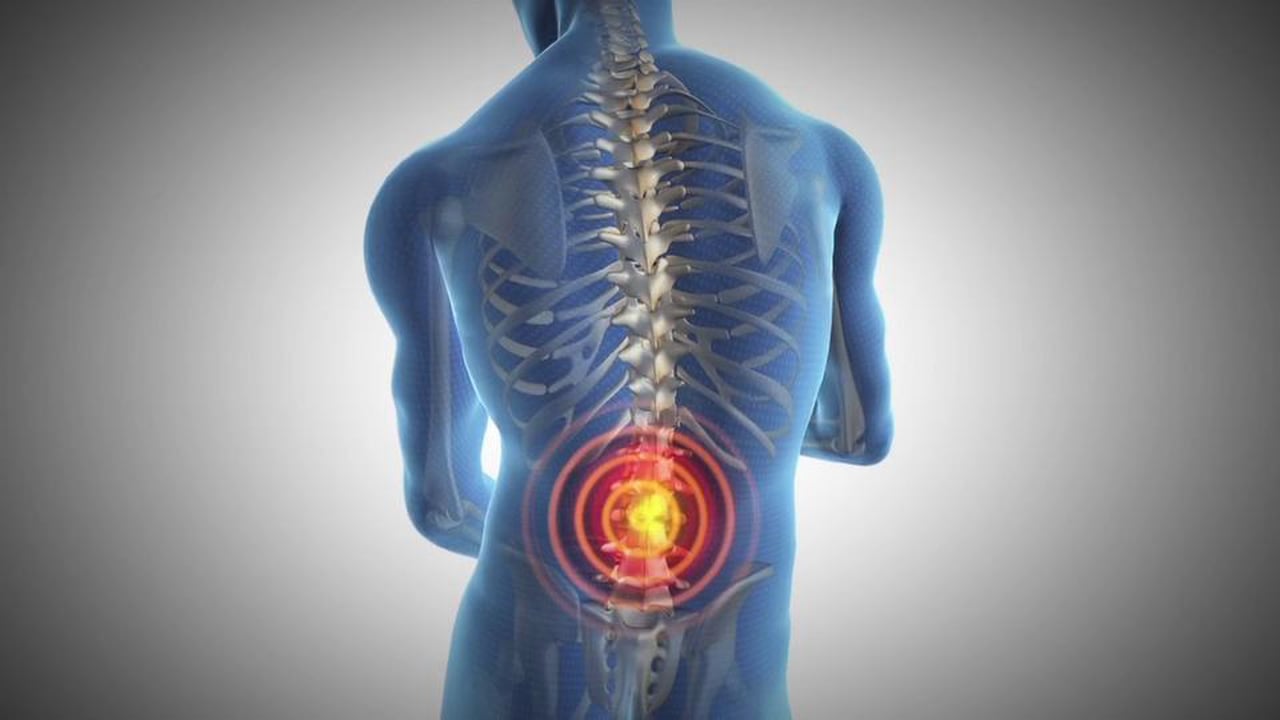
Between 80% and 90% of the general population will experience an episode of lower back pain (LBP) at least once during their lives. When it affects the young to middle-aged, we often use the term “non-specific LBP” to describe the condition. The geriatric population suffers from the “aging effects” of the spine—things like degenerative joint disease, degenerative disk disease, and spinal stenosis. Fractures caused by osteoporosis can also result in back pain.
Author: Dr. Robert Speirs DC
My Hip Hurts….

One of the structures that is frequently blamed for hip pain is called the labrum—the rubbery tissue that surrounds the socket helping to stabilize the hip joint. This tissue often wears and tears with age, but it can also be torn as a result of a trauma or sports-related injury.
The clinical significance of a labral tear of the hip is controversial, as these can be found in people who don’t have any pain at all. We know from studies of the intervertebral disks located in the lower back that disk herniation is often found in pain-free subjects—between 20-50% of the normal population. In other words, the presence of abnormalities on an MRI is often poorly associated with patient symptoms, and the presence of a labral tear of the hip appears to be quite similar.
For instance, in a study of 45 volunteers (average age 38, range: 15–66 years old; 60% males) with no history of hip pain, symptoms, injury, or prior surgery, MRIs reviewed by three board-certified radiologists revealed a total of 73% of the hips had abnormalities, of which more than two-thirds were labral tears.
Another interesting study found an equal number of labral tears in a group of professional ballet dancers (both with and without hip pain) and in non-dancer control subjects of similar age and gender.
Another study showed that diagnostic blocks—a pain killer injected into the hip for diagnostic purposes to determine if it’s a pain generator—failed to offer relief for those with labral tears.
Doctors of chiropractic are trained to identify the origins of pain arising from the low back, pelvis, hip, and knee, all of which can mimic or produce hip symptoms. Utilizing information derived from a careful history, examination, imaging (when appropriate), and functional tests, chiropractors can offer a nonsurgical, noninvasive, safe method of managing hip pain.
Carpel Tunnel in a nutshell
Here it is: carpal tunnel syndrome (CTS) in a nutshell!

Don’t be afraid to look foolish.

We are now open late Mondays and Thursdays!

Exciting news! 🎉 River East Chiropractic is now open until 8 PM on Mondays and Thursdays to better serve our Winnipeg community. Whether you’re seeking relief from pain or looking to improve your overall wellness, we’re here to help with more flexible hours. Book your appointment today and prioritize your health! 🙌
#WinnipegWellness #RiverEastChiropractic #ChiropracticCareWinnipeg #ExtendedHours #HealthyLivingMB
Condition Of The Month: Thoracic Joint Restriction

Your spine is made up of 24 bones stacked on top of each other with a soft “disc” between each segment to allow for flexibility. Normally, each joint in your spine should move freely and independently. When one or more of your spinal vertebra is slightly misaligned and restricted, we call this condition a “spinal segmental joint restriction”. A “thoracic joint restriction” means that this misalignment or restriction is located in your upper or mid-back region.
To help visualize this, imagine a normal spine functioning like a big spring moving freely in every direction. A spine with a joint restriction is like having a section of that spring welded together. The spring may still move as a whole, but a portion of it is no longer functioning.
Joint restrictions can develop in many ways. Sometimes they are brought on by an accident or an injury. Other times, they develop from repetitive strains or poor posture. Being overweight, smoking, strenuous work, and emotional stress can make you more susceptible to problems.
Restricted joints give rise to a self-perpetuating cycle of discomfort. Joint restriction causes swelling and inflammation, which triggers muscular guarding leading to more restriction. Since your spine functions as a unit, rather than as isolated pieces, a joint restriction in one area of your spine often causes “compensatory” problems in another. Think of this as a rowboat with multiple oarsmen on each side. When one rower quits, the others are placed under additional stress and can become overworked.
Joint restrictions most commonly cause local tenderness and discomfort. You may notice that your range of motion is limited. Movement may increase your discomfort. Pain from a restricted joint often trickles around your rib cage or up & down your spine. Be sure to tell your chiropractor if your symptoms include any chest pain, shortness of breath, unusual cough, indigestion or flu- like complaints.
Long-standing restrictions are thought to result in arthritis – much like the way a slightly misaligned wheel on your car causes premature wearing of your tire.
You should recognize that your problem is common and generally treatable. Chiropractic care has been shown to be the safest and most effective treatment for joint restrictions. Our office offers several tools to help ease your pain. To speed your recovery, you should avoid activities that increase your pain. Be sure to take frequent breaks from sedentary activity. Yoga has been shown to help back pain sufferers so consider joining a class or picking up a DVD.
Pregnancy and Low Back Pain?
American Medical Association Endorses Chiropractic Care

In 2013 The American Medical Association went on record endorsing chiropractic care in a patient information synopsis: “Many treatments are available for low back pain… people benefit from chiropractic therapy.”
And earlier this year the AMA published a new guideline for low back pain that recommends physicians delay pharmacologic management until the patient has tried spinal manipulation.
Denise M. Goodman, Alison E. Burke, Edaward H. Livingstone. Low Back Pain. JAMA. 2013;309(16):1738 Wenger HC, Cifu AS. Treatment of Low Back Pain. JAMA. 2017;318(8):743–744.
River East Chiropractic: Your Local Wellness Hub

Welcome to River East Chiropractic at 1187 Rothesay St!
We’re thrilled to introduce our new health and wellness clinic at 1187 Rothesay Street, right here in your neighbourhood. Whether you’re seeking pain relief, stress reduction, or a customized fitness plan, we’ve got you covered with a wide range of services designed to enhance your well-being.
Our Services
Here’s what you can expect when you visit us:
- Chiropractic Care: Our skilled chiropractors provide effective treatments for back pain, headaches, sports injuries, and more. Let us help you get back to feeling your best.
- Acupuncture: Whether you’re looking to relieve pain, reduce stress, or improve your overall health, our acupuncture services offer a natural and time-tested solution.
- Laser Therapy: Using advanced technology, our low-level laser therapy speeds up healing and reduces pain, particularly for conditions like arthritis, soft tissue injuries, and chronic pain.
- Gym & Personal Training: Our on-site gym offers top-notch equipment and personalized fitness plans from our experienced trainers to help you reach your health and fitness goals.
- Free Child Care During Treatment: We understand how challenging it can be to focus on your health with little ones in tow, so we offer free child care while you receive treatment.
- Massage Therapy: Soothe your aching muscles with our RMT
Convenient Hours for Your Busy Schedule
We know that life can be hectic, which is why we offer evening appointments until 8pm on Mondays and Thursdays to fit your schedule. Plus, we’re open from 9 AM to 1 PM on Saturdays to make it easier for you to prioritize your health.
Get in Touch
We’d love to welcome you to River East Chiropractic! For more information or to book an appointment, visit us online at rivereastchiropractic.ca or give us a call at (204) 334-3334. Your journey to better health starts here.