
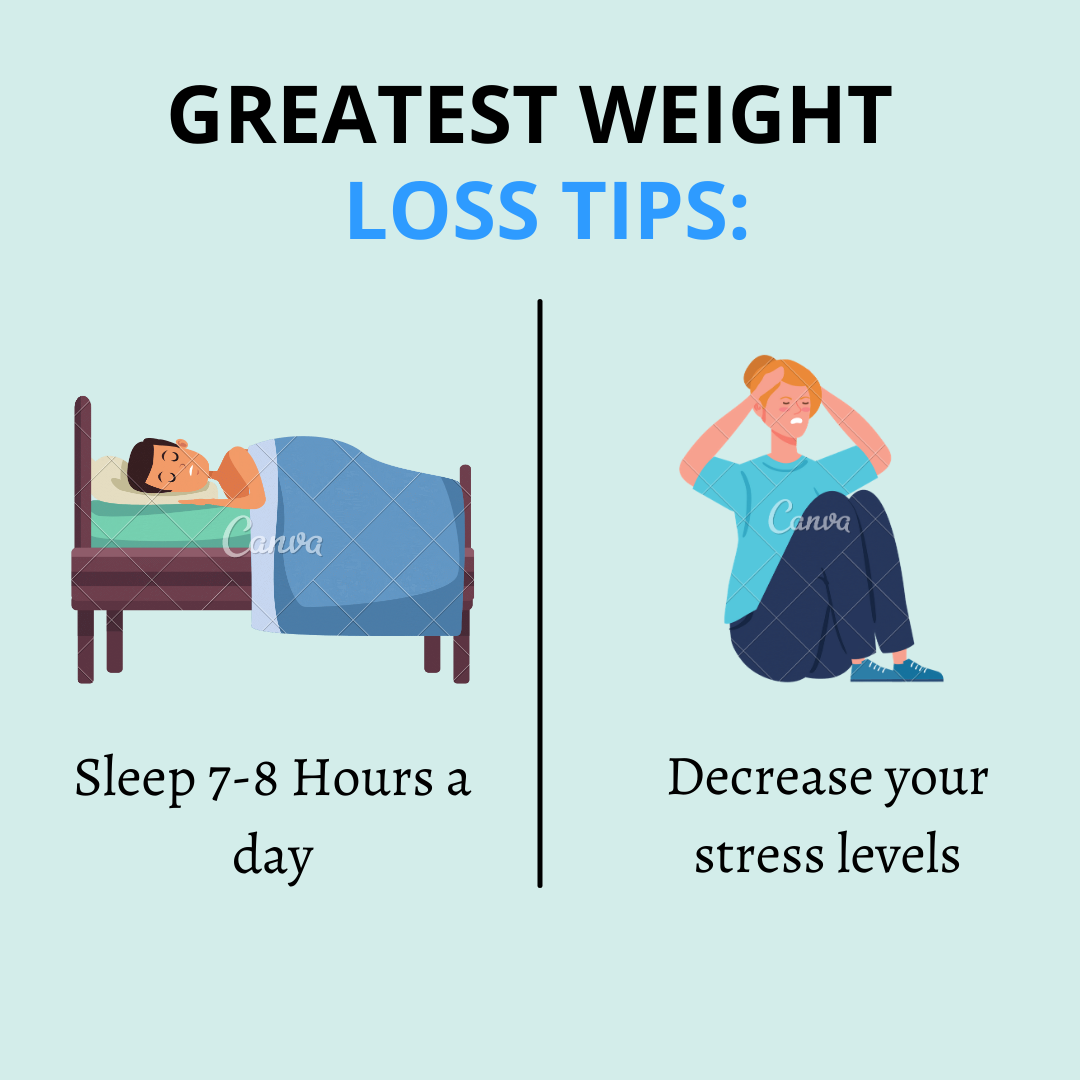
Getting more sleep and managing stress can significantly improve weight loss and overall wellness. Sleep plays a crucial role in regulating hormones like ghrelin and leptin, which control hunger and satiety. When you don’t get enough rest, your body produces more ghrelin (the hunger hormone) and less leptin, leading to increased appetite and overeating. Studies show that people who sleep 7–9 hours a night are more likely to maintain a healthy weight compared to those who get less.
Stress, on the other hand, triggers the release of cortisol, a hormone that increases cravings for high-calorie foods. Chronic stress can also lead to emotional eating, making it harder to maintain a balanced diet. Lowering stress through mindfulness, meditation, or regular exercise can help reduce cortisol levels, curb cravings, and improve mental well-being.
By prioritizing quality sleep and reducing stress, you support not only weight loss but also your immune system, mental clarity, and mood. This holistic approach creates a healthier lifestyle that promotes long-term success, both physically and emotionally.
 Aberdeen Chiropractic