
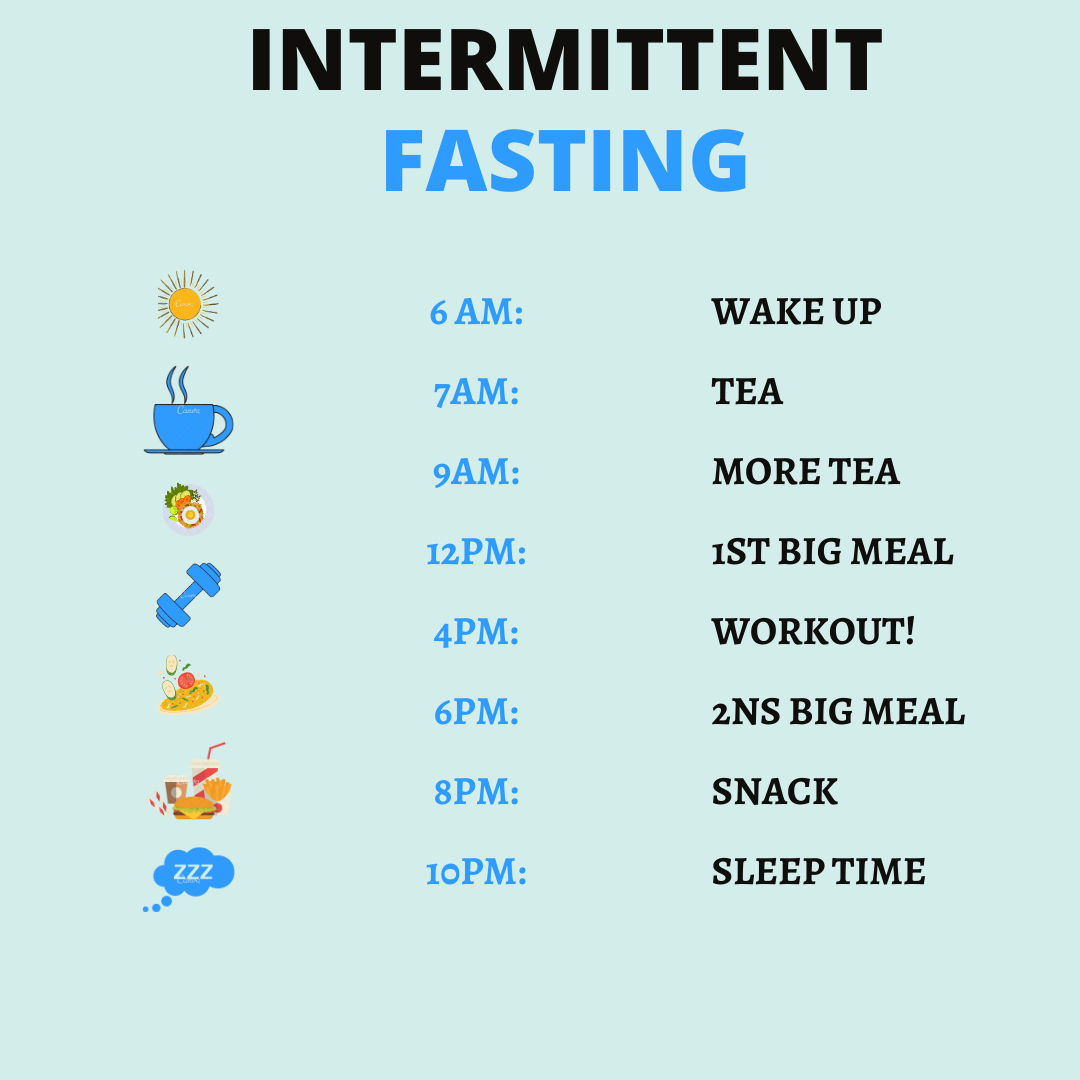
Intermittent fasting (IF) is an eating pattern that alternates between periods of eating and fasting. Unlike traditional diets, it doesn’t focus on what you eat but when you eat. Common methods include the 16/8 method, where you fast for 16 hours and eat during an 8-hour window, and the 5:2 approach, which involves eating normally for five days and restricting calorie intake to about 500-600 calories on two non-consecutive days.
The potential benefits of intermittent fasting extend beyond weight loss. Studies suggest it may help improve metabolic health, reduce inflammation, and enhance brain function. By giving your digestive system a break, IF can promote better blood sugar control and increase insulin sensitivity. Some people also find it simpler to follow than restrictive diets, as it doesn’t require cutting out specific food groups.
However, intermittent fasting isn’t for everyone. It may not be suitable for individuals with certain medical conditions or those who are pregnant or breastfeeding. If you’re considering trying IF, it’s best to consult a healthcare professional to determine if it’s right for you. Overall, intermittent fasting can be a flexible and effective tool for those seeking better health and weight management.
 Aberdeen Chiropractic