When Are My Shoes “Done”?

168

Running shoes need to be replaced every 250 miles. There are three basic options:


Motion Control Shoes – Designed for people with low or no arches, these shoes are for runners who strike the ground on the outer edge of their foot. Avoid overly stiff shoes as these decrease you perception of ground strike and lead to new injuries.


Stability or Neutral Shoes – Designed for people with normal or average arches and running mechanics. The shoe contains some cushioning to absorb shock and prevent injuries and some rigidity to avoid pronation.


Cushioned Shoes – Designed for people with high arched feet. Their footprint will typically leave a thin band along the foot’s edge. As they run weight is distributed from heel strike to the outer edge of the foot and small toes that bear the brunt of “lift off.” This shoe is more flexible and absorbs the shock created by the lack or rotation (under-pronation) created by their running style.

My back hurts, why look at my feet?

168

Improperly supported feet can affect the alignment of all of the structures above. To improve your overall comfort:
Choose shoes with good arch support.
Avoid going barefoot or wearing shoes that lack support (i.e. flip-flops). The following brands of sandals provide better than average arch support: Naot, Fit Flops, Orthoheels, Abeo, Vionic and Yellow box.
Avoid high-heeled shoes or boots (keep heels to a maximum of 1½ inches, especially if you are going to be doing a lot of walking).
“Cross-trainer” athletic shoes tend to provide the best all around support and shock absorption for daily activities.
Patients with fallen arches should consider adding arch supports or orthotics.
Repair or replace shoes with worn soles or heels.

How can I have Tennis Elbow? I’ve never played tennis!

Most of the muscles that extend your wrist are attached to a bony bump on the outside of your elbow called the lateral epicondyle. Sometimes, through injury or overuse, the site where these muscles insert can become irritated or inflamed. This condition is called lateral epicondylitis or “tennis elbow”- although the majority of those affected do not play tennis.

Activities involving repetitive wrist extension are a common cause of this condition, i.e., tennis, carpentry, bricklaying, knitting, playing piano, typing, or lifting objects with your palm facing down. The condition is 3 times more likely to strike your dominant arm.

The pain often begins as an intermittent or gradual discomfort during activity and progresses so that even simple activities, like holding a coffee cup, become painful. Pain may increase when you straighten your arm, grip a doorknob or shake hands. The pain may vary from mild to severe and commonly radiates into the forearm, sometimes to the wrist.

Without treatment, “tennis elbow” usually lingers – 80% of patients still report pain after one year. The first step in a successful treatment plan is to modify or eliminate activities that cause symptoms. Try to avoid lifting heavy objects with your palm facing down. Tennis or racquetball players may need to consider changing to a lighter racket or a smaller handle. We may prescribe a “counter force brace” for your elbow. This brace will act as a temporary new attachment site for your muscles thereby reducing some of the stress to your elbow. Sports creams and home ice massage may provide relief as well. Be patient with your recovery!

Fibromyalgia and Exercise

295

Are there differences in lifestyle between people with vs. without fibromyalgia (FM)?

A recent study found women with FM found spend more time engaged in sedentary behaviors and less time in physical activity. In the study, researchers followed 413 female patients with FM and 188 age-matched healthy female controls. Researchers used three different approaches to access physical activity: a triaxial accelerometer to examine sedentary time, time spent in physical activity, and step counts.

They discovered those who suffered from FM spent an average of 39 more minutes per day in sedentary activity and 21 fewer minutes per day in light physical activity, 17 fewer minutes per day in moderate physical activity, and 19 fewer minutes per day in moderate-to-vigorous physical activity. In addition, those with FM took a mean of 1,881 fewer steps that those without FM.

Now, this isn’t really a surprise given the fact that people with FM are in pain and more likely to have difficulties sleeping and tolerating prolonged activities. After comparing the sufferers to the non-sufferers, the researchers found only 21% of FM patients vs. 46% of non-FM controls achieved the recommended 150 minutes/week (a little over 20 min. / day) of “moderate-to-vigorous” physical activity. They also found that only 16% vs. 45%, respectively, walked the recommended ≥10,000 steps per day.

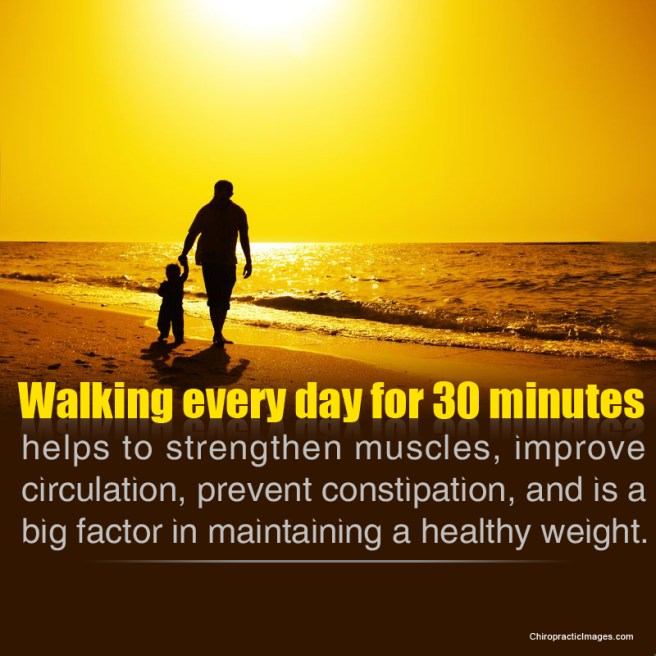
One of the BEST forms of exercise for most people is walking. A walking program should be a staple exercise. It’s important to note that this should be GRADUALLY introduced so as to avoid an overuse injury—strain or sprain of the muscles and joints. This gradual introduction into activity is ESPECIALLY important for the FM sufferer as overuse injuries can make them afraid to do something that can REALLY help when done correctly!

Exercise Of The Month: Pike On A Ball

Pike on a Ball

Begin in a push-up position with your knees resting on an exercise ball. Maintain a neutral spine, and do not allow your back to arch down towards the floor. Roll the ball from your thighs to your ankles by bending your knees and bringing them towards your chest. Slowly return to the start position. Perform three sets of 10 repetitions daily or as directed.

Hamstring Problems?

Glute Ham Raise.gif

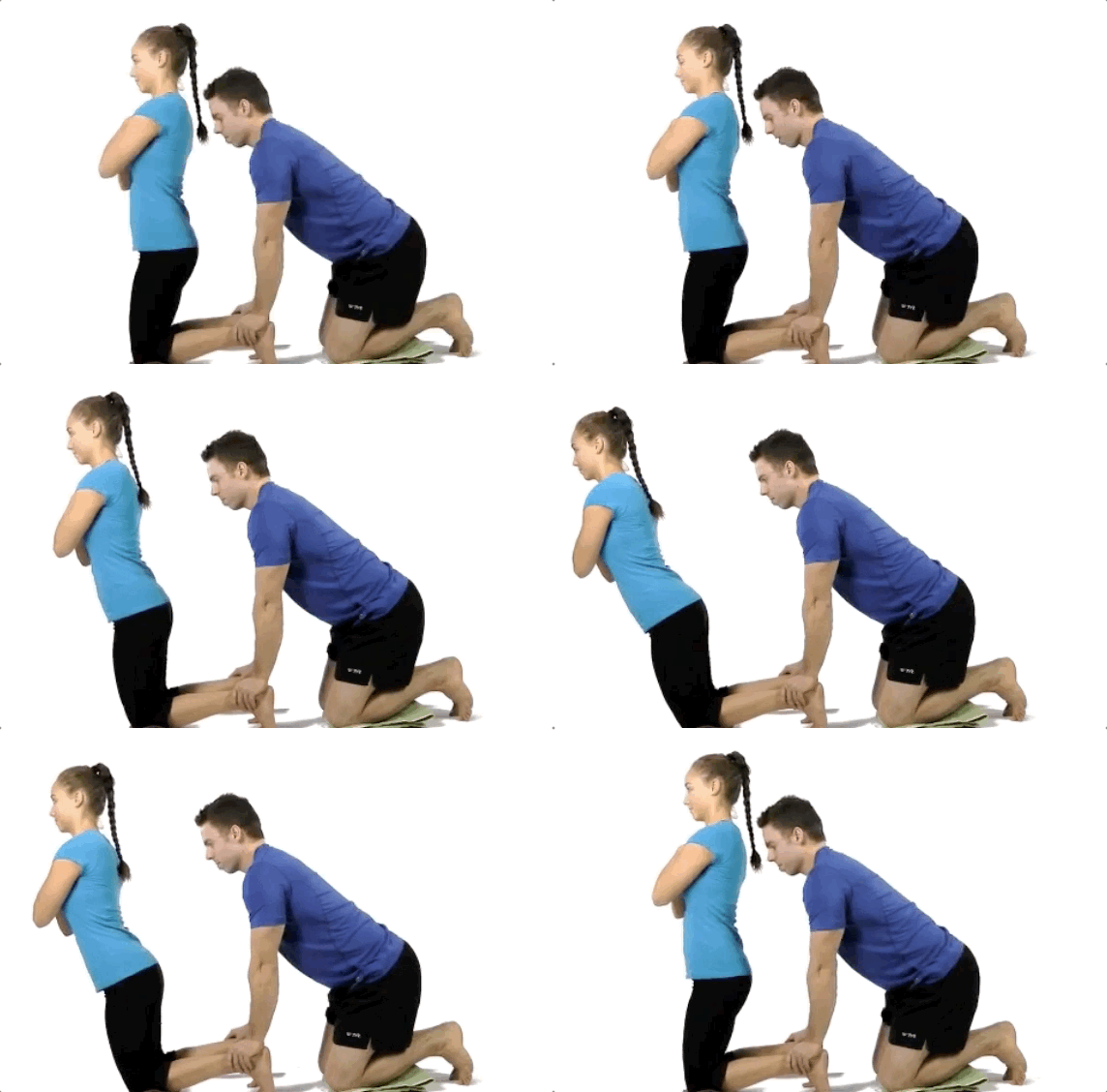
A great injury prevention movement is the glute-ham raise. Done after a warm up and prior to competition it will significantly reduce the odds of hamstring strains in running athletes in sports like Soccer, Football and Sprinting.

To perform the movement:

Begin in a tall kneeling position on a cushion or pillow.

Partner grabs and holds ankles to ground or hook your feet under a stable surface.

Keeping your torso neutral and your thighs in line with your body, bend forward at the knees, using your hamstrings to control the speed of your forward bend.

Go as far as you can without cramping, pain or falling to the ground.


What Exercises Should I Do For Fibro?

outdoor-685417_960_720

Fibromyalgia (FM) is a very common, chronic condition where the patient describes “widespread pain” not limited to one area of the body. Hence, when addressing exercises for FM, one must consider the whole body. Perhaps one of the most important to consider is the squat.

If you think about it, we must squat every time we sit down, stand up, get in/out of our car, and in/out of bed. Even climbing and descending steps results in a squat-lunge type of movement.

The problem with squatting is that we frequently lose (or misuse) the proper way to do this when we’re in pain as the pain forces us to compensate, which can cause us to develop faulty movement patterns that can irritate our ankles, knees, hips, and spine (particularly the low back). In fact, performing a squatting exercise properly will strengthen the hips, which will help protect the spine, and also strengthens the glutel muscles, which can help you perform all the daily activities mentioned above.

The “BEST” type of squat is the free-standing squat. This is done by bending the ankles, knees, and hips while keeping a curve in the low back. The latter is accomplished by “…sticking the butt out” during the squat.

Do NOT allow the knees to drift beyond your toes! If you notice sounds coming from your knees they can be ignored IF they are not accompanied by pain. If you do have pain, try moving the foot of the painful knee about six inches (~15 cm) ahead of the other and don’t squat as far down. Move within “reasonable boundaries of pain” by staying away from positions that reproduce sharp, lancinating pain that lingers upon completion.

There are MANY exercises that help FM, but this one is particularly important!

CTS Exercises?

CTS Stretch

Carpal Tunnel Syndrome (CTS) is the leading cause of numbness to the middle three fingers and thumb and affects millions of Americans each year. There are MANY potential causes of CTS, and these causes can be unclear or multi-factorial. We have discussed the importance of night splints and what chiropractic can do for CTS in the recent past. This month, let’s look at what YOU can do for CTS.
“Self-help” concepts are VERY important as they empower YOU to gain control of your condition’s signs and symptoms, thus placing less reliance on those of us who manage (in this case) CTS. There is a time for “PRICE” or, Protect, Rest, Ice, Compress, Elevate, such as when most activities make symptoms worse. This is the time for splinting, reducing activities of daily living (which sometimes includes work restrictions), and the use of ice cupping or massage. Patients should initiate movement or exercise-based approaches as soon as such activities can be tolerated. Here are four different exercises you can do:
1. Fist / “Bear Claw” / Open Wide Hand: This is a three-step exercise, and you can start or stop on any of the three “steps.” A. FIST:  Make a fist and squeeze as tightly as tolerated; B. BEAR CLAW: Starting from the fist position (A), open only the palm of the hand (keep your thumb and fingers bent but straighten the big knuckle joints at the base of the fingers); C. OPEN WIDE: Straighten and spread ALL your finger joints by opening up your hand as much as possible and feel for a good stretch in the palm. HOLD each position for one to five seconds (vary the “speed” of moving between the three positions – fast, medium, and slow; emphasize what feels best if you have a preference). Repeat five to ten times or until your hands feel looser.
2. “Church Steeple”: Place your hands together in front of you (“prayer position”) touching the pads of the thumbs and all four fingertips together and spread your fingers as wide as possible. Next, separate your palms as far as you can while applying pressure against your finger/thumb tips and repeat. Alter the speed and number of repetitions until your hands feel stretched out.
3. “Shake and Flick”: Simply shake your hands as if you just washed them and you’re shaking the water off to “air dry” them. Again, alter the speed and reps until they feel loosened up.
4. Forearm Stretches: Place one arm out in front, elbow straight, and fingers pointed straight, palm up (first set). Reach with the opposite hand and pull the fingers, hand, and wrist down and back towards you until you feel a strong “pull” in your forearm muscles. Hold until the forearm muscles feels stretched (5-10 seconds). Repeat this with the palm facing down for the second set to stretch the opposite (extensor) forearm muscles.
Do these on each side two to three times each (even the “good” side) EVERY HOUR (or as often as possible). Think about what you do on a daily basis and if you work in a repetitive manner (on the job or a hobby at home), try to do these exercises DURING THE REPETITIVE ACTIVITY to help keep your symptoms from getting out of control. If you can alter the position or speed of a work or avocational activity, do so for long-term prevention purposes!
If you cannot gain control of your CTS condition, you may need additional treatment options of which chiropractic offers a safe, non-surgical approach.
We realize you have a choice in whom you consider for your health care provision and we sincerely appreciate your trust in choosing our service for those needs.  If you, a friend, or family member requires care for Carpal Tunnel Syndrome, we would be honored to render our services.