Effective Treatment of Carpal Tunnel Syndrome: Chiropractic Care and Laser Therapy

Carpal tunnel syndrome (CTS) is a common condition resulting from the compression or irritation of the median nerve as it travels through the carpal tunnel—a U-shaped channel formed by the eight bones of your wrist. This condition affects 3-5% of the general population, with women being two to three times more likely to develop CTS than men. It typically occurs in adults aged 45-60 and can significantly impact daily activities.

Causes and Risk Factors

Carpal tunnel syndrome is often brought on by activities that involve prolonged wrist flexion and repetitive wrist movements, such as:

  • Keyboard use
  • Supermarket scanning
  • Carpentry
  • Assembly line work

Other factors that can exacerbate CTS include exposure to vibration or cold temperatures. The condition is more common in the dominant hand but frequently affects both hands. Certain health conditions and lifestyle factors increase the risk of developing CTS, including:

  • Diabetes
  • Thyroid disease
  • Rheumatoid arthritis
  • Alcoholism
  • Kidney disease
  • Being short or overweight
  • Fluid retention during pregnancy

Symptoms of Carpal Tunnel Syndrome

Symptoms of CTS often start gradually and may include:

  • Numbness and tingling: Typically felt on the palm side of the thumb, index, middle, and half of the ring finger.
  • Discomfort: This can extend towards the elbow and usually begins as nighttime discomfort or waking up with numb hands.
  • Aggravation by gripping activities: Activities like reading, driving, or painting can worsen the symptoms.
  • “Shaking out” the hands: Early symptoms may be temporarily relieved by shaking the hands.
  • Sensation of tightness or swelling: Although there may be no visible swelling.
  • Hand weakness: In more severe cases, muscle weakness can develop.

CTS can also be part of “double crush syndrome,” where compression of the median nerve in the carpal tunnel is accompanied by compression at another site, such as the spine or muscles in the neck, shoulder, or forearm.

Chiropractic Care and Laser Therapy: Keys to Successful Treatment

1. Chiropractic Care:

Chiropractic adjustments are highly effective in treating carpal tunnel syndrome. Chiropractors can use specific manipulative techniques to alleviate the compression on the median nerve, thereby reducing pain and improving function. These adjustments not only address the wrist but also focus on the entire kinetic chain, including the neck, shoulder, and spine, which can contribute to the symptoms.

  • Alignment Restoration: By realigning the wrist and surrounding joints, chiropractic care helps relieve nerve pressure and enhance mobility.
  • Soft Tissue Therapy: Techniques like myofascial release can reduce muscle tightness and improve blood flow.
  • Ergonomic Advice: Chiropractors often provide guidance on posture and ergonomics to prevent further aggravation of CTS.

2. Laser Therapy:

Laser therapy is an innovative, non-invasive treatment that complements chiropractic care in managing carpal tunnel syndrome. It uses specific wavelengths of light to penetrate the skin and tissues, promoting healing and reducing inflammation.

  • Pain Reduction: Laser therapy helps decrease pain levels by reducing inflammation and promoting tissue repair.
  • Improved Nerve Function: By stimulating cellular activity, laser therapy can enhance nerve function and accelerate healing.
  • Non-Invasive: This treatment is painless and involves no downtime, making it an excellent option for those seeking non-surgical solutions.

Preventative Measures and Additional Treatments

  • Activity Modification: Avoid repetitive wrist flexion activities, such as push-ups and gripping handlebars on a bicycle, to prevent further irritation.
  • Splinting: A special wrist splint that holds your wrist in a neutral or slightly extended position can help alleviate nighttime symptoms.
  • Conservative Care: The American Academy of Neurology recommends conservative treatments like chiropractic care and laser therapy before considering surgical alternatives.

Conclusion

If left untreated, carpal tunnel syndrome can lead to permanent nerve damage. Early intervention with chiropractic care and laser therapy can effectively relieve symptoms and prevent long-term complications. If you’re experiencing symptoms of CTS, don’t wait—seek treatment and start your journey to recovery. Share your experiences or ask questions in the comments below. Let’s work together to keep our hands healthy and pain-free!

Managing Hip Arthritis: Causes, Symptoms, and Effective Treatments

Hip arthritis is a common condition that affects up to one-third of the population, particularly as we age. The likelihood of developing osteoarthritis (OA) increases with age and is often partially inherited. Factors such as being overweight and experiencing repetitive injury from occupations or sports that require prolonged standing or heavy physical exertion can also contribute to the development of hip arthritis.

Symptoms of Hip Arthritis

One of the early signs of hip osteoarthritis is prolonged stiffness, especially upon arising in the morning or after periods of inactivity. You might find it difficult to perform simple tasks such as putting on your socks, shaving your legs, or climbing stairs. Common symptoms include:

  • Groin, thigh, and buttock pain: Pain in these areas is typical and can sometimes radiate into the lower leg.
  • Stiffness: Particularly noticeable in the morning or after sitting for long periods.
  • Cracking and popping: You might hear or feel your hip cracking or popping when you move.
  • Reduced range of motion: Difficulty in moving the hip, such as rotating it internally (pigeon-toed movements).

Diagnosing Hip Arthritis

Diagnosing hip arthritis can be challenging, as the symptoms often overlap with lower back problems that also cause hip pain. To determine the extent of arthritis, doctors typically use X-rays, grading the severity from 1 to 4.

Treatment Options for Hip Arthritis

While arthritis cannot be cured, several treatment options can help relieve symptoms and improve quality of life:

1. Exercise and Physical Therapy: Engaging in regular exercise, especially water-based programs like water aerobics, can help manage symptoms. Physical therapy modalities, including specific stretches and manipulations of the hip, have been shown to be effective in alleviating pain and improving mobility.

2. Chiropractic Adjustments: Chiropractic care is an excellent treatment option for relieving the symptoms of hip arthritis. Chiropractors can use adjustments and manipulative techniques to improve hip joint function, reduce pain, and enhance overall mobility. Chiropractic treatments focus on restoring proper alignment and can provide significant relief from the discomfort associated with hip arthritis.

3. Lifestyle Modifications: Your doctor may recommend avoiding activities that aggravate your hip pain, particularly those involving internal rotation of the hip. Maintaining a healthy weight is crucial to reducing stress on the hip joint. Learning home stretching and strengthening exercises can also aid in recovery and symptom management.

4. Supplements: Some arthritis sufferers find relief by taking 1500 mg of glucosamine and chondroitin daily, which can help reduce inflammation and improve joint health.

5. Assistive Devices: In more severe cases, using a cane (in the opposite hand) can help take weight off the arthritic hip, making walking less painful.

6. Medical Interventions: If conservative treatments fail to relieve your pain, your doctor might refer you to an orthopedic hip specialist to discuss the possibility of joint replacement surgery.

Final Thoughts

While hip arthritis can significantly impact your quality of life, various treatment options, including chiropractic care, exercise, lifestyle modifications, and medical interventions, can help manage symptoms and improve mobility. Early diagnosis and proactive management are key to living well with hip arthritis.

Have you experienced hip arthritis? Share your story in the comments below and let us know what treatments have worked for you, especially if you’ve found relief through chiropractic care. Stay informed and take proactive steps to keep your hips healthy and pain-free!

Understanding Rib Problems: Causes, Symptoms, and Solutions


Rib problems can sneak up on you in various ways, and understanding them is crucial for effective management and prevention. Whether it’s a sudden accident, an ongoing repetitive strain, or even something as common as poor posture, rib issues can cause significant discomfort and limit your daily activities. Let’s dive into the different causes, symptoms, and solutions for rib problems, including how chiropractic adjustments can play a key role in treatment.

Causes of Rib Problems

1. Accidents and Injuries: Rib problems often arise from traumatic events such as car accidents or sports injuries. A direct blow to the chest can fracture a rib or cause other serious injuries.

2. Repetitive Strains: Everyday activities that involve repetitive motions can lead to rib issues. For example, activities like heavy lifting, certain sports, or even vigorous coughing can put excessive strain on the ribcage, leading to discomfort and pain over time.

3. Poor Posture: Sitting or standing with poor posture for extended periods can cause rib problems. Slouching or hunching over a desk compresses the ribcage and puts undue stress on the surrounding muscles and ligaments.

4. Pregnancy: Rib discomfort is common during pregnancy due to the expanding uterus and the associated shifts in the body’s center of gravity. As the baby grows, it can push against the ribs, causing pain and discomfort.

5. Whiplash Injuries: Whiplash injuries, often resulting from car accidents, can cause rib problems. The sudden back-and-forth motion can strain the muscles and ligaments around the ribcage, leading to pain and stiffness.

Symptoms to Watch For

Recognizing the symptoms of rib problems early can help you seek appropriate treatment and prevent further complications. Common symptoms include:

  • Sharp or Dull Pain: Pain can range from sharp and stabbing to dull and achy, often worsening with movement or deep breathing.
  • Tenderness: The affected area may be tender to the touch.
  • Difficulty Breathing: Rib problems can make it painful to take deep breaths, leading to shallow breathing and sometimes shortness of breath.
  • Swelling and Bruising: Visible swelling or bruising around the ribcage can indicate a fracture or severe strain.
  • Muscle Spasms: The muscles around the ribs might spasm, adding to the discomfort.

Effective Solutions and Management

1. Chiropractic Adjustments: Chiropractic care is highly effective in treating rib problems. Chiropractors use specific adjustments to realign the ribs and relieve pain. These adjustments can help improve mobility, reduce muscle tension, and enhance overall ribcage function. Chiropractic care also focuses on correcting posture, which can prevent future rib issues.

2. Rest and Immobilization: For minor rib injuries, rest is crucial. Avoid activities that exacerbate the pain and give your body time to heal. In some cases, wrapping the chest with a bandage can help immobilize the area and provide support.

3. Pain Management: Over-the-counter pain relievers such as ibuprofen or acetaminophen can help manage pain and reduce inflammation. However, always consult your doctor before starting any medication.

4. Physical Therapy: Physical therapy can be highly effective in treating rib problems. A physical therapist can guide you through exercises to strengthen the muscles around your ribcage, improve posture, and enhance flexibility.

5. Posture Correction: Improving your posture can prevent and alleviate rib problems. Ensure your workstation is ergonomically set up, take regular breaks to stretch, and be mindful of your posture throughout the day.

6. Breathing Exercises: Deep breathing exercises can help expand your ribcage and strengthen the muscles involved in respiration. This can be particularly beneficial for those who experience rib pain with breathing.

7. Medical Intervention: In cases of severe injury, such as a rib fracture, medical intervention may be necessary. Your doctor might recommend imaging tests to assess the extent of the injury and develop an appropriate treatment plan.

Prevention Tips

Preventing rib problems involves adopting healthy habits and making lifestyle adjustments:

  • Stay Active: Regular exercise helps maintain muscle strength and flexibility, reducing the risk of rib problems.
  • Practice Good Posture: Be mindful of your posture whether you’re sitting, standing, or sleeping.
  • Use Proper Techniques: When lifting heavy objects, use proper techniques to avoid straining your ribs.
  • Wear Protective Gear: If you’re involved in contact sports, always wear appropriate protective gear to safeguard your ribcage.

Share Your Story

Have you experienced rib problems? Share your story in the comments below and let us know what strategies worked for you, especially if you’ve found relief through chiropractic adjustments. Stay informed and take proactive steps to keep your ribs healthy and pain-free!

Understanding Neck Sprains and Strains: Beyond Auto Accidents and Sports Injuries

Auto accidents and sports injuries are the leading causes of neck sprains and strains, but they are not the only activities that can lead to these painful conditions. While these high-impact incidents are often the most obvious culprits, everyday actions and less traumatic activities can also contribute significantly to the development of neck sprains and strains.

Neck sprains and strains frequently arise from mundane activities such as reaching for items, pushing or pulling objects, moving heavy furniture or boxes, and experiencing falls. These actions, though seemingly benign, can place considerable stress on the muscles, tendons, and ligaments in the neck, especially when performed repeatedly or with poor posture. For example, consistently reaching for items on high shelves can strain the neck muscles over time, while pushing or pulling heavy objects can overload the tendons and ligaments, leading to gradual wear and tear.

Most commonly, neck sprains and strains are not caused by a single, isolated event but rather by the cumulative effect of repeated overloading. Tendons and ligaments are remarkably resilient structures that can handle isolated stressors well. However, when subjected to continuous and repetitive challenges, their ability to recover is compromised. This repeated stress can result in microtears and inflammation, eventually leading to more significant injuries. The analogy of bending a piece of copper wire illustrates this concept well: while the wire can withstand a certain amount of bending, constant and repetitive flexing will ultimately cause it to break. Similarly, the neck’s soft tissues can only endure so much before they too succumb to injury.

Auto accidents, often involving sudden deceleration and forceful impact, can cause the head and neck to whip forward and backward violently. This rapid movement, commonly referred to as whiplash, can result in severe sprains and strains as the neck’s tendons and ligaments are stretched beyond their normal range of motion. The forceful nature of such accidents can cause immediate and significant damage, leading to pain, stiffness, and reduced mobility.

Sports injuries, on the other hand, can result from direct impacts, falls, or sudden twists and turns. Contact sports like football, rugby, and hockey are particularly notorious for causing neck injuries due to the high likelihood of collisions and impacts. Even non-contact sports such as gymnastics or swimming can lead to neck strains and sprains if athletes perform movements that overstretch or overuse the neck muscles and ligaments.

The risk of neck sprains and strains is further exacerbated by poor posture and ergonomics in everyday activities. For instance, prolonged use of computers or smartphones often leads to forward head posture, where the head is positioned ahead of the shoulders. This posture increases the strain on the neck muscles and ligaments, making them more susceptible to injury. Similarly, sleeping in an awkward position or using inadequate pillows can also place undue stress on the neck, leading to discomfort and potential injury over time.

Preventing neck sprains and strains involves a combination of proper ergonomics, posture correction, and strength training. Ensuring that workspaces are set up ergonomically, taking frequent breaks to move and stretch, and strengthening the neck and shoulder muscles through targeted exercises can help mitigate the risk of these injuries. Additionally, being mindful of body mechanics during daily activities, such as lifting objects with proper technique and avoiding overreaching, can also reduce the likelihood of developing neck sprains and strains.

In summary, while auto accidents and sports injuries are the most common causes of neck sprains and strains, they are by no means the only factors. Everyday activities and repetitive stresses play a significant role in these injuries, highlighting the importance of awareness and preventive measures to maintain neck health and prevent long-term damage.

Understanding Neck Sprains and Strains: Causes and Symptoms

Your cervical spine, or neck, is made up of seven bones stacked on top of each other with a shock-absorbing disc between each level. Your neck is relatively flexible so it relies on muscles and ligaments for support. “Sprains” and “strains” are the result of these tissues being stretched too hard or too far, much like a rope that frays when it is stretched beyond its normal capacity.

Auto accidents and sports injuries are the leading causes of neck sprains and strains. Other less traumatic activities like reaching, pushing, pulling, moving heavy objects and falls can also trigger these problems. Most commonly, sprains and strains are not the result of any single event but rather from repeated overloading. Tendons and ligaments generally manage small isolated stressors quite well, but repetitive challenges lead to injury in much the same way that constantly bending a piece of copper wire will cause it to break.

Symptoms from a sprain/strain may begin abruptly but more commonly develop gradually. Complaints often include dull neck pain that becomes sharper when you move your head. Rest may relieve your symptoms but often leads to stiffness. The pain is generally centered in the back of your neck but can spread to your shoulders or between your shoulder blades. Tension headaches commonly accompany neck injuries.

Sprain/strain injuries cause your normal healthy elastic tissue to be replaced with less elastic “scar tissue”. This process can lead to ongoing pain and even arthritis. Seeking early and appropriate treatment, like the type provided in our office, is critical. Depending upon the severity of your injury, you may need to limit your activity for awhile- especially movements or activities that cause pain. Avoid heavy lifting and take frequent breaks from prolonged activity, particularly overhead activity. Following acute injuries, you can apply ice for 10-15 minutes each hour. Heat may be helpful after several days or for more chronic types of pain. http://ow.ly/i/uSftb

The Importance of Resistance Training for Seniors: Building Strength and Independence

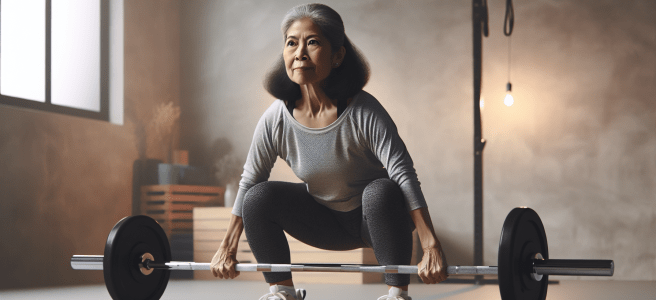
Hey there, seniors! Let’s talk about resistance training – you know, pumping some iron, lifting weights, or using resistance bands. Now, I know what you might be thinking: “Isn’t that just for bodybuilders and young gym buffs?” Well, think again! Resistance training is actually super important for seniors too, and here’s why:

First off, let’s address the elephant in the room: muscle loss. As we age, our muscles tend to shrink and weaken, a process called sarcopenia. It’s like our muscles are saying, “Hey, I’m retiring early!” But here’s the thing – resistance training can help combat this muscle loss. By lifting weights or using resistance bands, seniors can build and maintain muscle mass, keeping them strong and functional well into their golden years.

And speaking of functionality, let’s talk about everyday activities. Whether it’s carrying groceries, climbing stairs, or even just getting out of a chair, these tasks require strength and stability. Resistance training helps improve both, making it easier to tackle daily activities with confidence and ease.

But wait, there’s more! Resistance training isn’t just about muscles – it’s also great for bones. As we age, our bones can become weaker and more prone to fractures. But resistance training puts stress on the bones, which actually helps strengthen them over time. So not only will you be flexing those muscles, but you’ll also be giving your bones a workout too!

Now, let’s address the elephant in the room: fear of injury. I get it – the idea of lifting weights or using resistance bands might seem daunting, especially if you’re not used to it. But here’s the good news: resistance training can be tailored to your fitness level and abilities. You don’t need to be pumping massive weights or doing crazy exercises. Start slow, use light weights or resistance bands, and gradually increase the intensity as you get stronger. And always remember to listen to your body – if something doesn’t feel right, don’t push it.

So, seniors, let’s make resistance training a priority in our fitness routines. Not only will it help us stay strong, functional, and independent, but it’ll also keep us feeling young at heart. So grab those weights, strap on those resistance bands, and let’s show the world that age is just a number – and we’re not letting it slow us down!

Understanding Facet Syndrome: Causes, Symptoms, and Effective Treatment

The lower back, comprised of stacked vertebrae separated by intervertebral discs, forms a flexible and supportive structure. Each vertebra features a front body and posterior facets, which articulate with adjacent vertebrae. When these facet joints become irritated and inflamed, a condition known as facet syndrome occurs. Sprains, strains, improper joint movement, injury, overuse, arthritis, and obesity are common culprits.

Symptoms of facet syndrome typically manifest as unilateral back pain, which may radiate into the flank, hip, and thigh, worsening with backward arching or returning to an upright position. Relief is often experienced when lying down, and symptoms rarely extend beyond the knee. Notify your chiropractor of any symptoms below the knee, weakness, groin numbness, bowel or bladder changes, or fever.

Prolonged facet irritation can lead to arthritis, but effective treatment options are available. Supportive footwear, activity modification, and regular breaks from sitting are recommended. Your chiropractor may suggest heat or ice therapy and advise against prolonged bed rest while encouraging light physical activity. Yoga has shown benefits for back pain sufferers.

Your chiropractor can provide personalized treatment to alleviate facet syndrome symptoms and promote healing. By addressing underlying issues and implementing appropriate interventions, you can improve function and quality of life while managing facet syndrome effectively.

#Chiropractic #Wellness #FitLife #Fitness #Winnipeg

Preventing Hamstring Strains: Strengthening and Stretching Techniques

The hamstring, a crucial group of muscles at the back of the thigh, facilitates knee flexion, allowing movements like bringing your heel toward your buttock. A hamstring strain occurs when these muscles or their tendons are stressed beyond their capacity, akin to overstretching a rope. This overexertion can result from activities such as running or excessive stretching, leading to tearing, bleeding, bruising, swelling, pain, and loss of function.

Symptoms of a hamstring strain range from mild discomfort to severe pain, depending on the extent of tissue damage. Often, strains occur suddenly, characterized by tearing, burning, or popping sensations accompanied by immediate pain below the buttock. Pain exacerbates when straightening the leg, walking, or bending forward, with bruising commonly appearing near the injury site. Inform your doctor of any additional symptoms such as lower back pain, calf pain, exacerbation with coughing or sneezing, or the presence of a rash on the thigh.

Hamstring injuries are more prevalent when muscles are fatigued, occurring more frequently with age. Factors like excessive tightness or weakness in the hamstring, quadriceps dominance, insufficient core strength, or poor running form increase susceptibility to injury. Addressing these predisposing factors through appropriate stretching, strengthening, and technique correction can help prevent hamstring strains and promote overall muscle health and function.

#Chiropractic #Winnipeg #FitLife #Wellness

Preventing De Quervain’s Tenosynovitis: Lifestyle Changes and Relief Strategies

Tendons are strong, fibrous bands of tissue connecting muscles to bones. Some tendons are covered by a protective, lubricated insulation called a “synovial sheath.” The two tendons on the thumb-side of your wrist that extend and abduct your thumb into a “hitchhiker” position are covered by a sheath. Normally, these tendons move freely within this covering, much like a sword sliding through a sheath. If these tendons and sheaths are forced to repetitively rub against the bones of your wrist, they can become painfully swollen. This condition is called De Quervain’s tenosynovitis.

The pain of De Quervain’s tenosynovitis may begin abruptly, but more commonly starts gradually and increases over time. The pain is provoked by movements of your thumb or wrist. In more severe cases, you may notice swelling on the outside of your wrist. Some patients complain of “catching” or a slight “squeaking” sound while moving their wrist.

Activities like gardening, knitting, cooking, playing a musical instrument, carpentry, walking a pet on a leash, texting, video gaming and sports like golf, volleyball, fly fishing and racquet sports are known triggers. The condition was once known as “Washer woman’s sprain,” since wringing out wet clothes can trigger the problem. Lifting infants or children by placing your outstretched finger and thumb beneath their armpit has led to the nicknames of “Mommy thumb” or “Baby wrist.”

The condition strikes women much more frequently than men. It typically affects middle-age adults and is more slightly common in African-Americans, patients with diabetes or rheumatoid arthritis may be at higher risk for this problem.
Many patients will experience resolution of their symptoms through conservative care, like the type provided in our office. You should avoid lifting, grasping and pinching movements, especially when your wrist is bent toward either side. You may need to find alternate ways to lift children and perform work, sport and leisure activities. Video game players and those who text should take frequent breaks and try to hold their wrists straighter. Avoid wearing tight wristbands. Applying ice to your wrist for 10 minutes every hour or performing an “ice massage” (freeze a paper cup filled with water, tear off the bottom to expose the ice, massage over the tendons in a figure-eight pattern for 6-10 minutes, taking breaks as needed) can provide relief.

Patients who have severe pain or swelling are less likely to respond to conservative care. These patients may require a cortisone injection to relieve their pain, however, surgery is rarely necessary.

Understanding Knee Sprains and Ligament Injuries: Grades, Symptoms, and Treatment

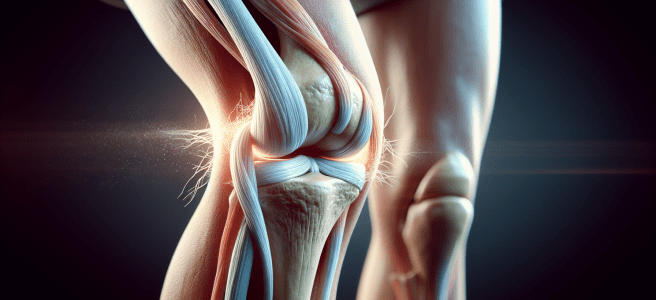
“Ligaments” are made up of many individual fibers running parallel to each other and bundled to form a strong fibrous band. These fibrous bands hold your bones together. Just like a rope, when a ligament is stretched too far, it begins to fray or tear. “Sprain” is the term used to describe this tearing of ligament fibers.

Sprains are graded by the amount of damage to the ligament fibers. A Grade I sprain means the ligament has been painfully stretched, but no fibers have been torn. A Grade II sprain means some, but not all of the ligamentous fibers, have been torn. A Grade III sprain means that all of the ligamentous fibers have been torn, and the ligament no longer has the ability to protect the joint. Knee sprains commonly involve one or more of your knee’s ligaments including: the medial collateral, lateral collateral, anterior cruciate, and posterior cruciate.

Most knee sprains begin as the result of a sudden stop, twist, or blow from the side or front. Some patients recall a “pop” or “snap” at the time of injury. Knee sprains cause pain and swelling within the joint. Your knee may be tender to touch, and some patients report a sensation of “giving way” or difficulty walking.

Most knee sprains can be successfully managed without surgery but will require some work on your part. Initially, a period of rest may be necessary in order to help you heal. Mild Grade I sprains may return to activity in a couple of days, while more severe injuries may take six weeks or longer to recover. You can help reduce swelling by elevating your knee and using an ACE wrap for compression. Applying ice or ice massage for 10 minutes each hour may help relieve swelling. Depending upon the severity of your sprain, you may need to wear a knee brace to help protect you from further injury. If walking is painful, crutches may be necessary.