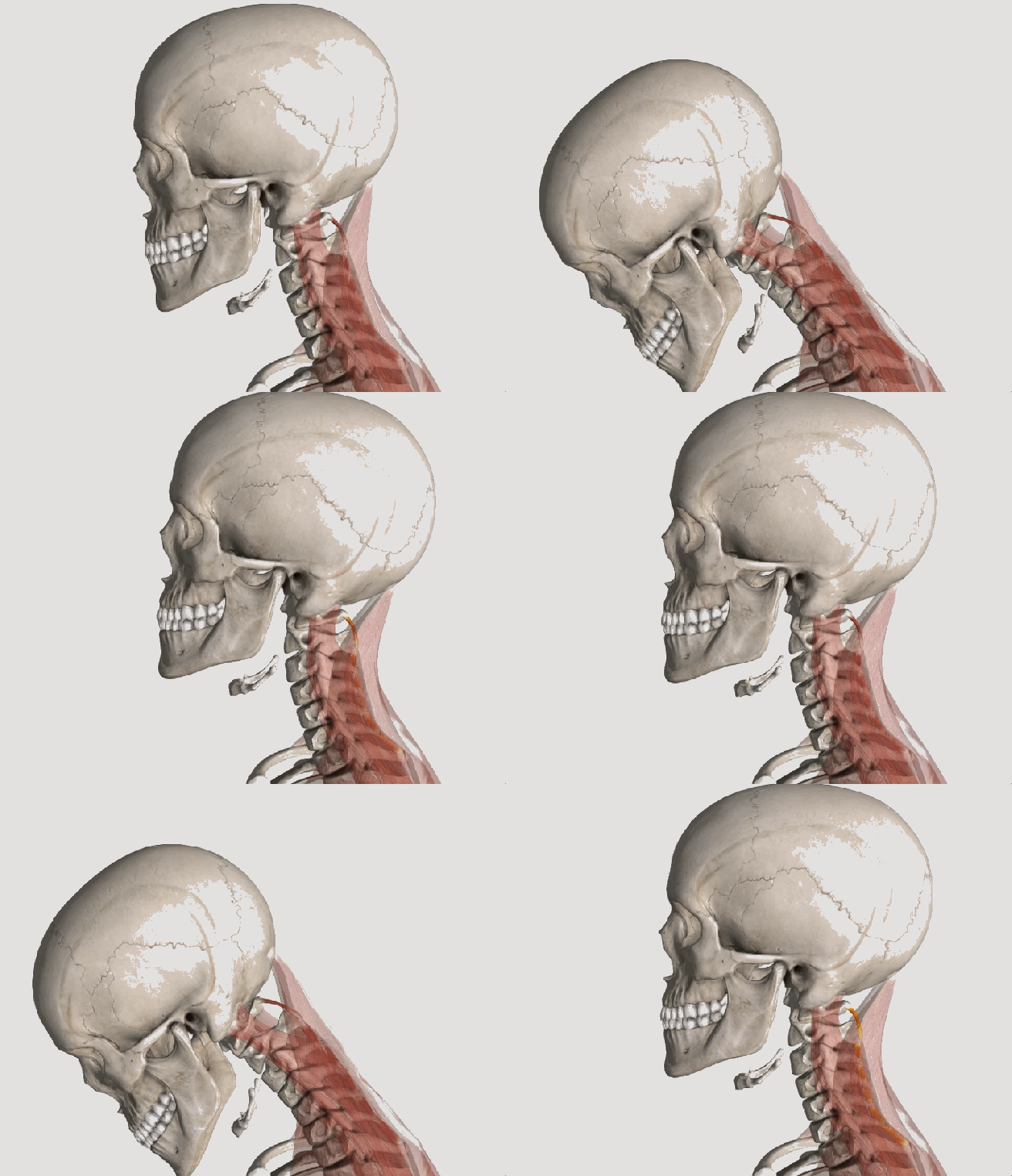
What is Whiplash? 

WRD 2

Whiplash is an injury to the soft-tissues of the neck often referred to as a sprain or strain. Because there are a unique set of symptoms associated with whiplash, doctors and researchers commonly use the term “whiplash associated disorders” or WAD to describe the condition.

WAD commonly occurs as a result of a car crash, but it can also result from a slip and fall, sports injury, a personal injury (such as an assault), and other traumatic causes. The tissues commonly involved include muscle tendons (“strain”), ligaments and joint capsules (“sprains”), disk injuries (tears, herniation), as well as brain injury or concussion—even without hitting the head!

Symptoms vary widely but often include neck pain, stiffness, tender muscles and connective tissue (myofascial pain), headache, dizziness, sensations such as burning, prickly, tingling, numbness, muscle weakness, and referred pain to the shoulder blade, mid-back, arm, head, or face. If concussion occurs, additional symptoms include cognitive problems, concentration loss, poor memory, anxiety/depression, nervousness/irritability, sleep disturbance, fatigue, and more!

Whiplash associated disorders can be broken down into three categories: WAD I includes symptoms without any significant examination findings; WAD II includes loss of cervical range of motion and evidence of soft-tissue damage; and WAD III includes WAD II elements with neurological loss—altered motor and/or sensory functions. There is a WAD IV which includes fracture, but this is less common and often excluded.

Treatment for WAD includes everything from doing nothing to intensive management from multiple disciplines—chiropractic, primary care, physical therapy, clinical psychology, pain management, and specialty services such as neurology, orthopedics, and more. The goal of treatment is to restore normal function and activity participation, as well as symptom management.

The prognosis of WAD is generally good as many will recover without residual problems within days to weeks, with most people recovering around three months after the injury. Unfortunately, some are not so lucky and have continued neck pain, stiffness, headache, and some develop post-concussive syndrome. The latter can affect cognition, memory, vision, and other brain functions. Generally speaking, the higher the WAD category, the worse the prognosis, although each case MUST be managed by its own unique characteristics. If the injury includes neurological loss (muscle strength and/or sensory dysfunction like numbness, tingling, burning, pressure), the prognosis is often worse.

Chiropractic care for the WAD patient can include manipulation, mobilization, and home-based exercises, as well as the use of anti-inflammatory herbs (ginger, turmeric, proteolysis enzymes (bromelain, papain), devil’s claw, boswellia extract, rutin, bioflavonoid, vitamin D, coenzyme Q10, etc.) and dietary modifications aimed at reducing inflammation and promoting healing.

* 83% of those patients involved in an MVA will suffer whiplash injury and 50% will be symptomatic at 1 year.
* 90% of patients with neurologic signs at onset may be symptomatic at 1 year.
* 25- 80% of patients who suffer a whiplash injury will experience late-onset dizziness
* Clinicians should be observant for radiographic signs of instability, including interspinous widening, vertebral subluxation, vertebral compression fracture, and loss of cervical lordosis.
* Horizontal displacement of greater than 3.5 mm or angular displacement of more than 11 degrees on flexion/extension views suggests instability.


Patellofemoral Pain Syndrome

knock knee

Patellofemoral pain syndrome (PFPS), also called “Runners Knee”, describes the symptom complex of knee discomfort, swelling, or crepitus that results from excessive or imbalanced forces acting on the joint. It is the most common cause of knee pain in the general population, affecting an estimated 25% of adults.

PFPS is most commonly related to lateral tracking of the patella. The patella has a natural tendency to migrate laterally due to the pull of the quadriceps and the slight natural valgus of the lower extremity. A new study in the Journal of Sports Medicine (1) provides additional confirmation that when managing patellofemoral pain syndrome, clinicians must address two critical yet often overlooked issues.

This study concludes that PFPS and dynamic knee valgus do not arise primarily from knee dysfunction, rather from hip abductor/ external rotator weakness and/or foot hyperpronation.

“The most effective intervention programs included exercises targeting the hip external rotator and abductor muscles and knee extensor muscles.” and “PFPS patients with foot abnormalities, such as those with increased rearfoot eversion or pes pronatus, may benefit the most from foot orthotics.”

Since gluteus medius and VMO weakness are key factors in the development of PFPS, strengthening exercises that target those muscles prove most effective. Stabilization exercises may include pillow push (push the back of your knee into a pillow for 5-6 seconds), supine heel slide, terminal knee (short-arc) extension, clam, glut bridge, semi-stiff deadlift, posterior lunge, and monster walk.

Myofascial release and stretching should be directed at hypertonic muscles, including the TFL, gastroc, soleus, hamstring, piriformis, hip rotators, and psoas. Myofascial release or IASTM may be appropriate for tightness in the iliotibial band, vastus lateralis, posterior hip capsule, and lateral knee retinaculum.

Manipulation may be necessary for restrictions in the lumbosacral and lower extremity joints. Hypermobility is common in the ipsilateral SI joint with restrictions present contralaterally. Evidence has shown that patellar tracking braces, i.e. BioSkin® or PatellaPro®, may lead to better outcomes.

Lifestyle modification may be necessary to reduce pain-provoking endeavors, especially running, jumping and other activities that induce a valgus stress. Athletes should avoid allowing their knee to cross in front of their toes while squatting. Arch supports or custom orthotics may be necessary to correct hyperpronation. Runners should avoid cross-over gaits and change shoes every 250 to 500 miles.

.

.

.

.

.

.

.

#pain

#kneepain

#chiropractic

#fitness

#sports

#wellness

#fitness

#healthyliving

#healthychoices

#Winnipeg

References

1. Petersen W, Rembitzki I, Liebau C. Patellofemoral pain in athletes. Open Access Journal of Sports Medicine. 2017;8:143-15

Chiro & Concussions

head-shot2

Whiplash Associated Disorders (WAD) is the appropriate terminology to use when addressing the myriad of symptoms that can occur as a result of a motor vehicle collision (MVC). In a recent publication in The Physician and Sports Medicine (Volume 43, Issue 3, 2015; 7/3/15 online:1-11), the article “The role of the cervical spine in post-concussive syndrome” takes a look at the neck when it’s injured in a car accident and how this relates to concussion.

It’s estimated about 3.8 million concussion injuries, also referred to as “mild traumatic brain injury” (mTBI), occur each year in the United States. Ironically, it’s one of the least understood injuries in the sports medicine and neuroscience communities. The GOOD NEWS is that concussion symptoms resolve within 7-10 days in the majority of cases; unfortunately, this isn’t the case with 10-15% of patients. Symptoms can last weeks, months, or even years in this group for which the term “post-concussive syndrome” (PCS) is used (defined as three or more symptoms lasting for four weeks as defined by the ICD-10) or three months following a minor head injury (as defined by the Diagnostic and Statistical Manual of Mental Disorders).

There have been significant advances in understanding what takes place in the acute phase of mTBI, but unfortunately, there is no clear physiological explanation for the chronic phase. Studies show the range of force to the head needed to cause concussion is between 60-160g (“g” = gravity) with 96.1g representing the highest predictive value in a football injury, whereas as little as 4.5g of neck acceleration can cause mild strain injury to the neck. In spite of this difference, the signs and symptoms reported by those injured in low-speed MVCs vs. football collisions are strikingly similar!

Research shows if an individual sustains an injury where the head is accelerated between 60-160g, it is HIGHLY likely that the tissues of the cervical spine (neck) have also reached their injury threshold of 4.5g. In a study that looked at hockey players, those who sustained a concussion also had WAD / neck injuries indicating that these injuries occur concurrently. Injuries to the neck in WAD include the same symptoms that occur in concussion including headache, dizziness/balance loss, nausea, visual and auditory problems, and cognitive dysfunction, just to name a few.

The paper concludes with five cases of PCS that responded well to a combination of active exercise/rehabilitation AND passive manual therapy (cervical spine manipulation). The favourable outcome supports the concept that the neck injury portion of WAD is a very important aspect to consider when treating patients with PCS!

This “link” between neck injury and concussion explains why chiropractic care is essential in the treatment of the concussion patient! This is especially true when the symptoms of concussion persist longer than one month!

We realize you have a choice in whom you consider for your health care provision and we sincerely appreciate your trust in choosing our service for those needs.  If you, a friend, or family member requires care for Whiplash, we would be honoured to render our services.

Maximizing Athletes’ Performance and Preventing Injuries with Pilates

Athletes are no strangers to the risk of injury that comes with pushing the limits of physical performance. Whether you’re a professional athlete, a dedicated gym-goer, or a weekend warrior, the last thing you want is to be sidelined by an injury. That’s where Pilates comes in. This low-impact exercise method offers a myriad of benefits for athletes, including injury prevention. In this article, we’ll explore how Pilates can help athletes stay injury-free and perform at their best.

Understanding Pilates

Pilates is a form of exercise that focuses on strengthening the core muscles, improving flexibility, and enhancing body awareness and control. Developed by Joseph Pilates in the early 20th century, Pilates emphasizes precise, controlled movements performed with proper alignment and breathing techniques. Pilates exercises can be done on a mat or using specialized equipment such as reformers, cadillacs, and barrels, offering a versatile and customizable workout experience.

Benefits of Pilates for Injury Prevention

  1. Core Strength and Stability: Pilates targets the deep stabilizing muscles of the core, including the abdominals, obliques, and pelvic floor muscles. A strong core provides a stable foundation for movement, improves posture, and reduces the risk of injuries such as low back pain, hip instability, and knee injuries.
  2. Muscle Balance and Symmetry: Pilates exercises promote balanced muscle development by targeting both large and small muscle groups throughout the body. By addressing muscle imbalances and weaknesses, Pilates helps prevent overuse injuries and compensatory movement patterns that can lead to injury.
  3. Flexibility and Range of Motion: Pilates incorporates dynamic stretching and lengthening exercises that improve flexibility, joint mobility, and muscle elasticity. Enhanced flexibility reduces the risk of strains, sprains, and muscle tears by allowing muscles and joints to move through their full range of motion more effectively.
  4. Improved Body Awareness and Alignment: Pilates emphasizes proper alignment, posture, and body mechanics, teaching athletes to move mindfully and efficiently. By increasing body awareness and proprioception, Pilates helps athletes identify and correct movement dysfunctions and biomechanical issues that contribute to injury.
  5. Injury Rehabilitation and Recovery: Pilates is often used as a rehabilitation tool to help athletes recover from injuries and return to sport safely. With its low-impact nature and focus on controlled movements, Pilates can be adapted to accommodate individuals with injuries or mobility limitations, allowing for targeted strengthening and rehabilitation exercises.
  6. Mind-Body Connection: Pilates fosters a mind-body connection by encouraging focused concentration, breath awareness, and mindfulness during movement. This heightened awareness helps athletes tune into their bodies, listen to warning signs of potential injury, and make adjustments to prevent overexertion or strain.

Incorporating Pilates Into Your Training Routine

To reap the benefits of Pilates for injury prevention, consider incorporating Pilates into your training routine in the following ways:

  • Attend Pilates classes or private sessions led by certified instructors who can provide personalized guidance and instruction.
  • Include Pilates exercises as part of your warm-up or cool-down routine to prepare the body for activity and promote recovery.
  • Use Pilates equipment such as reformers, stability balls, and resistance bands to add variety and challenge to your workouts.
  • Focus on proper form, alignment, and breath control during Pilates exercises to maximize effectiveness and reduce the risk of injury.
  • Listen to your body and modify exercises as needed to accommodate any injuries, limitations, or areas of discomfort.

Conclusion

In conclusion, Pilates is a valuable tool for athletes seeking to prevent injuries, improve performance, and maintain overall health and well-being. By strengthening the core, promoting muscle balance and flexibility, enhancing body awareness, and facilitating injury rehabilitation, Pilates empowers athletes to move with confidence, resilience, and efficiency. Whether you’re a competitive athlete or a fitness enthusiast, incorporating Pilates into your training routine can help you stay injury-free and perform at your peak.

Chiropractic Care for Enhanced Athletic Performance

Athletes are always seeking ways to optimize their performance and gain a competitive edge. While rigorous training, proper nutrition, and mental focus are essential components of athletic success, many athletes are turning to chiropractic care to enhance their performance and prevent injuries. In this article, we’ll explore the role of chiropractic care in improving athletic performance and how athletes can benefit from incorporating chiropractic treatments into their training regimen.

Understanding Chiropractic Care

Chiropractic care is a holistic healthcare approach that focuses on the relationship between the spine and the nervous system, emphasizing the body’s innate ability to heal itself. Chiropractors use hands-on techniques, such as spinal adjustments, manipulations, and soft tissue therapies, to correct spinal misalignments (subluxations), restore joint function, and alleviate pain and dysfunction. By optimizing spinal alignment and nervous system function, chiropractic care aims to promote overall health, well-being, and vitality.

Benefits of Chiropractic Care for Athletes

  1. Improved Joint Mobility and Range of Motion: Chiropractic adjustments can help improve joint mobility and flexibility, allowing athletes to move more freely and efficiently. By addressing restrictions in the spine and extremities, chiropractic care can enhance range of motion, reduce stiffness, and prevent injuries related to restricted movement.
  2. Enhanced Neuromuscular Function: The nervous system plays a crucial role in coordinating movement, balance, and proprioception (awareness of body position). Chiropractic adjustments help optimize nervous system function by removing interference along the spine, facilitating better communication between the brain and body, and enhancing neuromuscular coordination and control.
  3. Prevention of Sports Injuries: Regular chiropractic care can help prevent sports injuries by addressing underlying biomechanical imbalances, muscle weaknesses, and joint dysfunctions that may predispose athletes to injury. By promoting proper alignment, muscle balance, and joint stability, chiropractic adjustments reduce the risk of overuse injuries, strains, sprains, and repetitive stress injuries.
  4. Faster Recovery from Injuries: In the event of an injury, chiropractic care can expedite the healing process and facilitate recovery by promoting optimal tissue repair, reducing inflammation, and alleviating pain. Chiropractors may incorporate soft tissue therapies, rehabilitative exercises, and nutritional support to enhance the body’s natural healing mechanisms and restore function more quickly.
  5. Pain Relief and Management: Many athletes experience musculoskeletal pain and discomfort as a result of training, competition, or repetitive stress. Chiropractic care offers effective pain relief by addressing the underlying causes of pain, such as spinal misalignments, muscle tension, and nerve irritation. By providing targeted adjustments and therapies, chiropractors help athletes manage pain naturally and avoid reliance on medications or invasive procedures.

Incorporating Chiropractic Care into Athletic Training

Athletes of all levels can benefit from incorporating chiropractic care into their training regimen, whether they’re preparing for competition, recovering from an injury, or simply looking to optimize their performance and overall health. Here are some tips for integrating chiropractic care into your athletic routine:

  • Schedule regular chiropractic adjustments to maintain spinal alignment and nervous system function.
  • Address any biomechanical imbalances or musculoskeletal issues proactively to prevent injuries.
  • Seek chiropractic care for acute injuries or chronic conditions to expedite healing and rehabilitation.
  • Work with a sports chiropractor who understands the unique needs and demands of athletes and can tailor treatments accordingly.
  • Combine chiropractic care with other modalities such as physical therapy, massage therapy, strength training, and sports nutrition for a comprehensive approach to performance optimization and injury prevention.

Conclusion

In conclusion, chiropractic care offers numerous benefits for athletes seeking to improve their performance, prevent injuries, and recover from training and competition. By optimizing spinal alignment, enhancing nervous system function, and promoting overall musculoskeletal health, chiropractic adjustments help athletes move, perform, and feel their best. Whether you’re a professional athlete, weekend warrior, or fitness enthusiast, chiropractic care can be a valuable addition to your training toolkit, helping you achieve your athletic goals and excel in your chosen sport or activity.

Laser Therapy for Sports Injuries: Speeding Up Recovery

Sports injuries are a common occurrence among athletes of all levels, from weekend warriors to professional competitors. Whether it’s a sprained ankle, strained muscle, or tendonitis, injuries can sideline athletes and disrupt their training and performance goals. While rest, ice, compression, and elevation (R.I.C.E) have long been the standard protocol for treating sports injuries, there’s a growing interest in alternative therapies that can accelerate the healing process and get athletes back in the game faster. One such therapy gaining attention is laser therapy. In this article, we’ll explore how laser therapy can help speed up recovery from sports injuries and get athletes back to peak performance.

Understanding Laser Therapy

Laser therapy, also known as low-level laser therapy (LLLT) or photobiomodulation, involves the use of low-intensity laser light to stimulate cellular activity and promote tissue repair and regeneration. Unlike surgical lasers that cut or vaporize tissue, therapeutic lasers emit non-thermal light energy that penetrates the skin without causing damage. This light energy is absorbed by chromophores (light-sensitive molecules) within cells, leading to a cascade of biological effects that accelerate the healing process.

How Laser Therapy Works for Sports Injuries

Laser therapy offers several mechanisms by which it can promote healing and recovery from sports injuries:

  1. Reduced Inflammation: Laser therapy has anti-inflammatory effects, helping to reduce swelling, pain, and inflammation associated with acute and chronic sports injuries. By inhibiting pro-inflammatory molecules and promoting the release of anti-inflammatory cytokines, laser therapy helps create an optimal environment for tissue healing.
  2. Improved Circulation: Laser therapy enhances blood flow to the injured area, delivering oxygen, nutrients, and immune cells that are essential for tissue repair and regeneration. Increased circulation helps remove metabolic waste products and toxins, reducing tissue hypoxia and promoting faster healing.
  3. Stimulated Tissue Repair: Laser therapy stimulates cellular activity and metabolism, promoting the production of ATP (adenosine triphosphate), the energy currency of cells. This increased energy production accelerates cellular repair processes, including collagen synthesis, fibroblast proliferation, and angiogenesis (formation of new blood vessels), leading to faster tissue healing.
  4. Pain Relief: Laser therapy has analgesic effects, providing immediate pain relief by modulating pain perception and transmission. By blocking pain signals sent to the brain and promoting the release of endorphins (natural pain-relieving compounds), laser therapy helps alleviate pain associated with sports injuries, allowing athletes to tolerate rehabilitation exercises and resume training sooner.

Applications of Laser Therapy in Sports Medicine

Laser therapy can be used to treat a wide range of sports injuries, including:

  • Sprains and strains
  • Tendonitis
  • Muscle tears
  • Ligament injuries
  • Bursitis
  • Contusions (bruises)
  • Stress fractures
  • Plantar fasciitis
  • Tennis elbow
  • Runner’s knee

Conclusion

In conclusion, laser therapy offers a safe, non-invasive, and effective treatment option for accelerating the healing process and promoting recovery from sports injuries. By reducing inflammation, improving circulation, stimulating tissue repair, and providing pain relief, laser therapy can help athletes get back to their training and competition goals faster. If you’re dealing with a sports injury or looking to optimize recovery, consider incorporating laser therapy into your rehabilitation plan under the guidance of a qualified healthcare professional. With its potential to expedite healing and minimize downtime, laser therapy may be the key to getting you back in the game and performing at your best.

Acupuncture for Stress Relief: Myth or Reality?

In today’s fast-paced world, stress has become an inevitable part of daily life for many people. From demanding work schedules to personal responsibilities, the pressures of modern living can take a toll on our physical, mental, and emotional well-being. While there are numerous strategies for managing stress, one alternative therapy that has gained attention for its potential effectiveness is acupuncture. But does acupuncture really help relieve stress, or is it just a myth? In this article, we’ll explore the science behind acupuncture for stress relief and examine the evidence supporting its use as a therapeutic tool.

Understanding Acupuncture

Acupuncture is an ancient healing practice that originated in China thousands of years ago. It involves the insertion of thin needles into specific points on the body known as acupuncture points or acupoints. According to traditional Chinese medicine (TCM) theory, the human body contains meridians or energy pathways through which vital energy, known as Qi (pronounced “chee”), flows. By stimulating acupoints along these meridians, acupuncturists aim to restore the balance and flow of Qi, thereby promoting health and well-being.

The Stress Response and Acupuncture

Stress is the body’s natural response to perceived threats or challenges, triggering a cascade of physiological and psychological reactions designed to help us cope with or escape from danger. While short-term stress can be beneficial, chronic or excessive stress can have detrimental effects on our health, contributing to a wide range of physical and mental health problems, including anxiety, depression, insomnia, digestive issues, and cardiovascular disease.

Research suggests that acupuncture may help modulate the body’s stress response and promote relaxation through various mechanisms:

  1. Neurotransmitter Regulation: Acupuncture has been shown to influence the release of neurotransmitters in the brain, including serotonin, dopamine, and endorphins, which are involved in mood regulation, stress management, and pain relief.
  2. Hormonal Balance: Acupuncture may affect the hypothalamic-pituitary-adrenal (HPA) axis, a complex system involved in the body’s stress response. By regulating the production and secretion of stress hormones such as cortisol, acupuncture can help restore hormonal balance and reduce the physiological effects of stress.
  3. Autonomic Nervous System Modulation: Acupuncture can influence the autonomic nervous system (ANS), which regulates involuntary bodily functions such as heart rate, blood pressure, and digestion. By promoting parasympathetic activity (the “rest and digest” response) and reducing sympathetic activity (the “fight or flight” response), acupuncture induces a state of relaxation and calm.
  4. Reduction of Muscle Tension: Stress often manifests as muscle tension and tightness, particularly in the neck, shoulders, and back. Acupuncture can help relax tense muscles, alleviate pain and stiffness, and improve circulation, promoting physical relaxation and easing the physical manifestations of stress.

Scientific Evidence Supporting Acupuncture for Stress Relief

While more research is needed to fully understand the mechanisms underlying acupuncture’s effects on stress, numerous studies have demonstrated its potential efficacy in reducing stress levels and improving stress-related symptoms. For example:

  • A meta-analysis published in the Journal of Acupuncture and Meridian Studies found that acupuncture was effective in reducing psychological stress as measured by self-reported stress scores.
  • Another meta-analysis published in the Journal of Alternative and Complementary Medicine concluded that acupuncture was associated with significant reductions in both subjective and objective measures of stress, including heart rate variability and cortisol levels.

Conclusion

While acupuncture may not be a cure-all for stress, the growing body of research suggests that it can be a valuable tool for stress management and relaxation. By modulating neurotransmitter activity, balancing hormonal levels, regulating the autonomic nervous system, and reducing muscle tension, acupuncture offers a holistic approach to stress relief that addresses both the physical and psychological aspects of stress. If you’re struggling with stress or looking for natural ways to promote relaxation and well-being, consider exploring acupuncture as part of your self-care routine.

Exploring the Link Between Chiropractic Care and Pain Relief

Pain is a universal experience that can significantly impact our quality of life, mobility, and overall well-being. While pain management often involves medication or surgery, many people are turning to chiropractic care as a natural and holistic approach to pain relief. In this article, we’ll delve into the connection between chiropractic care and pain relief and explore how chiropractic treatments can help alleviate various types of pain.

Understanding Chiropractic Care

Chiropractic care is a branch of alternative medicine that focuses on the diagnosis, treatment, and prevention of musculoskeletal disorders, particularly those affecting the spine. Chiropractors use hands-on techniques, such as spinal adjustments, manipulations, and soft tissue therapies, to realign the spine, improve joint mobility, and restore proper function to the nervous system.

The Role of Chiropractic Care in Pain Relief

Chiropractic care is widely recognized for its effectiveness in relieving pain, particularly in the back, neck, and joints. Here’s how chiropractic treatments can help alleviate pain:

  1. Spinal Alignment: Misalignments or subluxations in the spine can put pressure on nerves, leading to pain and discomfort. Chiropractic adjustments aim to correct these misalignments, restore proper alignment to the spine, and alleviate nerve compression, resulting in pain relief and improved mobility.
  2. Reduction of Inflammation: Chiropractic adjustments can help reduce inflammation in the body by improving joint function, increasing blood flow, and promoting the release of anti-inflammatory substances. By addressing the underlying cause of inflammation, chiropractic care can help alleviate pain associated with conditions such as arthritis, bursitis, and tendonitis.
  3. Muscle Relaxation: Chiropractic treatments often involve soft tissue therapies, such as massage, myofascial release, and trigger point therapy, which help relax tense muscles, reduce muscle spasms, and improve circulation. By addressing muscular imbalances and tension, chiropractic care can alleviate pain and stiffness in the muscles and surrounding tissues.
  4. Prevention of Recurring Pain: In addition to providing immediate pain relief, chiropractic care focuses on addressing the underlying causes of pain and dysfunction to prevent future episodes of pain and discomfort. Through regular chiropractic adjustments, lifestyle modifications, and rehabilitative exercises, chiropractors help patients maintain optimal spinal health and function, reducing the risk of recurring pain.

Conditions Treated by Chiropractic Care

Chiropractic care can effectively treat a wide range of acute and chronic pain conditions, including:

  • Back pain (lower back pain, upper back pain)
  • Neck pain
  • Headaches and migraines
  • Joint pain (shoulder pain, hip pain, knee pain)
  • Sciatica
  • Herniated discs
  • Fibromyalgia
  • Sports injuries
  • Carpal tunnel syndrome

Conclusion

Chiropractic care offers a safe, natural, and drug-free approach to pain relief that focuses on addressing the underlying causes of pain and dysfunction. By restoring proper alignment to the spine, optimizing nervous system function, and promoting overall musculoskeletal health, chiropractic treatments can help alleviate pain, improve mobility, and enhance quality of life. If you’re experiencing pain or discomfort, consider consulting with a qualified chiropractor to explore how chiropractic care can help you find relief and restore your health and vitality.

The Importance of Personalized Training in Achieving Fitness Goals

When it comes to achieving fitness goals, there is no one-size-fits-all approach. Each individual has unique strengths, weaknesses, preferences, and goals that require personalized attention and guidance. That’s where personalized training comes in. In this article, we’ll explore the importance of personalized training in helping you reach your fitness goals and why it’s worth investing in a customized approach to fitness.

Understanding Personalized Training

Personalized training involves working one-on-one with a certified personal trainer who tailors a fitness program specifically to your needs, abilities, and objectives. Rather than following a generic workout plan or participating in group classes, personalized training offers individualized attention, support, and accountability to help you maximize your potential and achieve optimal results.

Benefits of Personalized Training

  1. Customized Workouts: A personalized training program is designed to address your unique fitness level, goals, preferences, and any physical limitations or injuries you may have. Your personal trainer will create a variety of exercises and routines that target your specific needs, ensuring that every workout is effective, safe, and enjoyable.
  2. Accountability and Motivation: Working with a personal trainer provides accountability and motivation to stay on track with your fitness goals. Your trainer will keep you accountable for your workouts, track your progress, and provide encouragement and support to help you stay motivated and focused, even when the going gets tough.
  3. Proper Form and Technique: One of the biggest advantages of personalized training is the opportunity to receive individualized instruction and feedback on proper form and technique. Your personal trainer will teach you how to perform exercises correctly, prevent injury, and maximize results by ensuring that you’re using the right muscles and movements.
  4. Progress Tracking and Adjustments: With personalized training, your progress is closely monitored, and your program is adjusted as needed to ensure continued progress and adaptation. Whether you’re looking to build strength, lose weight, improve endurance, or enhance athletic performance, your trainer will modify your workouts and goals accordingly to keep you moving forward.
  5. Nutritional Guidance: In addition to exercise programming, many personal trainers offer nutritional guidance and support to help you fuel your body for optimal performance and results. Your trainer can provide personalized recommendations on meal planning, supplementation, hydration, and healthy eating habits to complement your fitness efforts.

Investing in Your Health and Well-being

While personalized training may require a financial investment, the benefits it offers in terms of results, support, and guidance are invaluable. By working with a knowledgeable and experienced personal trainer, you’re not just investing in a workout program – you’re investing in your health, well-being, and future self.

In conclusion, personalized training is a highly effective and efficient way to achieve your fitness goals and unlock your full potential. With individualized attention, customized workouts, accountability, and support, personalized training empowers you to make meaningful and sustainable changes to your health and fitness. If you’re ready to take your fitness journey to the next level, consider investing in personalized training and experience the transformative benefits it has to offer.