How Safe is Chiropractic Care?


Bottom Line: 

Safety first. Not only is “do no harm” part of the oath that doctors take, but it’s also a pretty good principle for all of us to live by. No matter how safe you are, there are times when you get hurt or injured, and finding a healthcare option that is safe, provides excellent results, and has high patient satisfaction can be tricky. Or is it? In 2007, SPINE (one of the worlds most respected research journals) looked at data from over 50,000 Chiropractic adjustments given to nearly 20,000 patients, and they found Chiropractic care to be incredibly safe and effective. 

Why it Matters:

Awkward sleeping positions, poor posture, and long hours at a computer can all lead to neck pain. By staying active, taking periodic breaks to stretch throughout the day, and setting up your workstation to minimize the stress on your spine, you can dramatically reduce the likelihood you will encounter a bout of neck pain. It’s great to know that if you do end up experiencing neck pain, Chiropractic adjustments are one of the safest and most effective options to help get you back on track. 

  • Research has shown Chiropractic care to be extremely safe.
  • SPINE examined nearly 20,000 patients and found zero complications.
  • Up to 85% of people with acute neck pain found relief with Chiropractic adjustments.

Next Steps: 

Believe it or not, many people are nervous to start Chiropractic care. The truth is that Chiropractic care is safer than many medications and has far less risk than surgery. Sharing research like this with your friends and family is a great idea. It will inspire them to make a smart decision using the Research That Matters! 

Science Source: 

Spinal Manipulation, Medication, or Home Exercise With Advice for Acute and Subacute Neck Pain- A Randomized Trial. Annals of Internal Medicine, Volume 156, 2012 

Safety of Chiropractic Manipulation of the Cervical Spine. SPINE, Volume 32, 2007 

Evidence-Based Guidelines for the Chiropractic Treatment of Adults with Neck Pain. Journal of Manipulative and Physiological Therapeutics. Volume 37. 2014

Risk of Vertebrobasilar Stroke and Chiropractic Care. SPINE, Volume 33. 2008 

Health Alert: Teens Getting Less Sleep.

Health Alert: Teens Getting Less Sleep.

According to new research, the problem of American teens not getting enough sleep continues to worsen. In 1991, 71% of 15-year-olds reported getting seven of more hours of sleep per night. As of 2012, this percentage has decreased to 63%. The study shows that at age 13, approximately two-thirds of teens get at least seven hours of sleep a night and by age 18, that percentage drops to about one-third. Sleep experts have noted that too little sleep increases the risk of weight gain, poor school performance, depression, and other problems.


Pediatrics, March 2015

For more health and wellness tips and information follow us or check out our blog at http://www.aberdeenchiropracticblog.com 

Photo by Karolina Grabowska on Pexels.com

Exercise: Combination of Coconut Oil & Exercise Reduces High Blood Pressure.

Exercise: Combination of Coconut Oil & Exercise Reduces High Blood Pressure.

Brazilian researchers have discovered that combining exercise and daily consumption of coconut oil can reduce high blood pressure, at least in animal subjects. Using hypertensive rats, the researchers found that the combination of a daily intake of coconut oil and exercise restored baroreflex sensitivity and reduced oxidative stress, resulting in a reduction in blood pressure. Study co-author Dr. Valdir de Andrade Braga explains, “This is an important finding as coconut oil is currently being considered a popular ‘superfood’ and it is being consumed by athletes and the general population who seek a healthy lifestyle.” Applied Physiology, Nutrition, and Metabolism, February 2015

Photo by Alexander Mils on Pexels.com
Photo by mentatdgt on Pexels.com

Diet: Healthy Diet & Nutrition Critical for Mental Health.

Diet: Healthy Diet & Nutrition Critical for Mental Health.

A new collaborative study adds to a growing body of evidence showing a relationship between both diet quality and potential nutritional deficiencies and mental health. Studies have shown that many nutrients have a clear influence on brain health including omega-3 fatty acids, B vitamins (particularly folate and B12), choline, iron, zinc, magnesium, S-adenosyl methionine (SAMe), vitamin D, and amino acids. Lead author Dr. Jerome Sarris writes, “While the determinants of mental health are complex, the emerging and compelling evidence for nutrition as a key factor in the high prevalence and incidence of mental disorders suggests that nutrition is as important to psychiatry as it is to cardiology, endocrinology, and gastroenterology.”

The Lancet Psychiatry, January 2014

For more health and wellness tips and information follow us or check out our blog at http://www.aberdeenchiropracticblog.com 

Photo by Vincent Rivaud on Pexels.com

Decreasing Tension Headaches

Bottom Line:

Quick question: do you know anyone who isn’t interested in reducing the stress in their life? We’ll give you a minute. Still thinking? That’s what we thought! There aren’t too many of us who couldn’t benefit from reducing the stress in our daily lives. Between family, work, and the latest political thread on social media, the stress can be overwhelming! Chronic everyday stress can also significantly impact our brains and bodies, causing everything from fatigue and depression to debilitating headaches. 

Why it Matters:

Headaches caused by stress are often classified as tension-type headaches. Pain at the base of the skull that starts in the neck and wraps around to the front of the head is common with tension headaches. Research has shown that Chiropractic adjustments effectively treat and correct the cause of these headaches, providing both relief from symptoms and lasting results. In fact, in addition to reducing tension in the muscles supporting your neck, adjustments can also improve your range of motion and reduce your overall feeling of stress. This unique combination of benefits is why millions of people rely on Chiropractic care to help them find relief. 

  • Chronic stress can contribute to tension headaches.
  • Chiropractic care is one of the best ways to reduce stress on your musculoskeletal system and spine.
  • Adjustments have been shown to reduce the frequency, severity, and intensity of tension headaches. 

Next Steps: 

You don’t necessarily need to make drastic changes to your life to reduce your daily stress level. Picking up a new hobby, taking a few minutes to read before bed, or enjoying a relaxing activity like yoga can all help. If you would like to discover even more ways to help reduce your daily stress, we invite you to attend our complimentary workshop coming up soon. We’ll be covering everything you need to know to reduce stress and end your headaches now! 

Science Source(s): 

Do Manual Therapy Techniques Have a Positive Effect on Quality of Life in People with Tension-Type Headache? A Randomized Controlled Trial. European Journal of Physical and Rehabilitation Medicine. February 2016

Mental Attitude: Student Loans = Stress for Young Adults.

Mental Attitude: Student Loans = Stress for Young Adults.

A new study finds that student loan debt is a significant cause of stress among young adults. Researchers conducted a survey across the United States and found that those with greater student loan debt reported higher levels of depressive symptoms. Study author Dr. Katrina Walsemann writes, “We are speculating that part of the reason that these types of loans are so stressful is the fact that you cannot defer them, they follow you for the rest of your life until you pay them off.” Further research is needed to determine how student loan debt affects other areas of health and life, such as job choices, marriage, and children.

University of South Carolina, January 2015

For more health and wellness tips and information follow us or check out our blog at http://www.aberdeenchiropracticblog.com 

Photo by Pixabay on Pexels.com

Wellness/Prevention: Positive Emotions May Be Best Anti-Inflammatories.

Wellness/Prevention: Positive Emotions May Be Best Anti-Inflammatories.

University of California, Berkeley researchers have discovered a link between positive emotions and lower levels of inflammatory proteins that are knows to signal the immune system to work harder. The research team found that participants who experienced positive emotions had the lowest levels of the cytokine and interleukin 6, which are known markers of inflammation. Sustained high levels of cytokines are associated with conditions such as type-2 diabetes, heart disease, arthritis, Alzheimer’s disease, and clinical depression.

Emotion, January 2015

For more health and wellness tips and information follow us or check out our blog at http://www.aberdeenchiropracticblog.com 

Photo by Andrea Piacquadio on Pexels.com

The Connection Between Posture and Headaches 

Bottom Line:

Ergonomics is the study of the posture and positioning of your body. It sounds pretty boring until you consider that millions of people are suffering from headaches every day that are related to their posture! Whether it’s an assembly line, a computer, a tablet, or your phone, you’re likely spending a lot of time looking down. Research has found that up to 20 pounds of pressure is placed on the neck for every inch the chin extends forward or down. This increased pressure can irritate the tissues of the neck leading to everything from premature degenerative changes to chronic headaches. 

Why it Matters:

Maintaining a healthy posture not only helps reduce the stress and pressure on the spinal joints of your neck, it also helps dramatically reduce your headaches. The first step in regaining proper posture is to establish normal motion. This is why Chiropractic adjustments are likely to become your new best friend! Our care is focused on finding the areas of your spine that aren’t moving correctly and gently helping them regain their normal range of motion. After we’ve worked with you to restore proper movement, we can then focus on strengthening the muscles that support your neck and back. This personalized type of care is how we’ve been able to help many people (just like you!) establish better posture and reduce the frequency and severity of their headaches. 

  • Every inch of forward head posture adds up to 20 lbs. of pressure on your neck.
  • This added pressure can contribute to tension headaches.
  • Research has shown that Chiropractic care can dramatically improve your posture and, in turn, reduce your headaches.

Next Steps: 

Take a look around your workstation the next time you’re at the office. Is it set up in a way that’s ergonomically correct? If not, or if you’re not sure, just let us know! We would be happy to set up a time to come to your office, evaluate your workplace, and share our specific recommendations to help keep you and everyone you work with feeling great!  

Science Source(s): 

Evidence-Based Guidelines for the Chiropractic Treatment of Adults with Headache. Journal of Manipulative and Physiological Therapeutics. Volume 34, Number 5. 2011

Efficacy of Manual and Manipulative Therapy in the Perception of Pain and Cervical Motion in Patients with Tension-Type Headache: A Randomized, Controlled Clinical Trial Journal of Chiropractic Medicine. (2014) 13, 4-13 

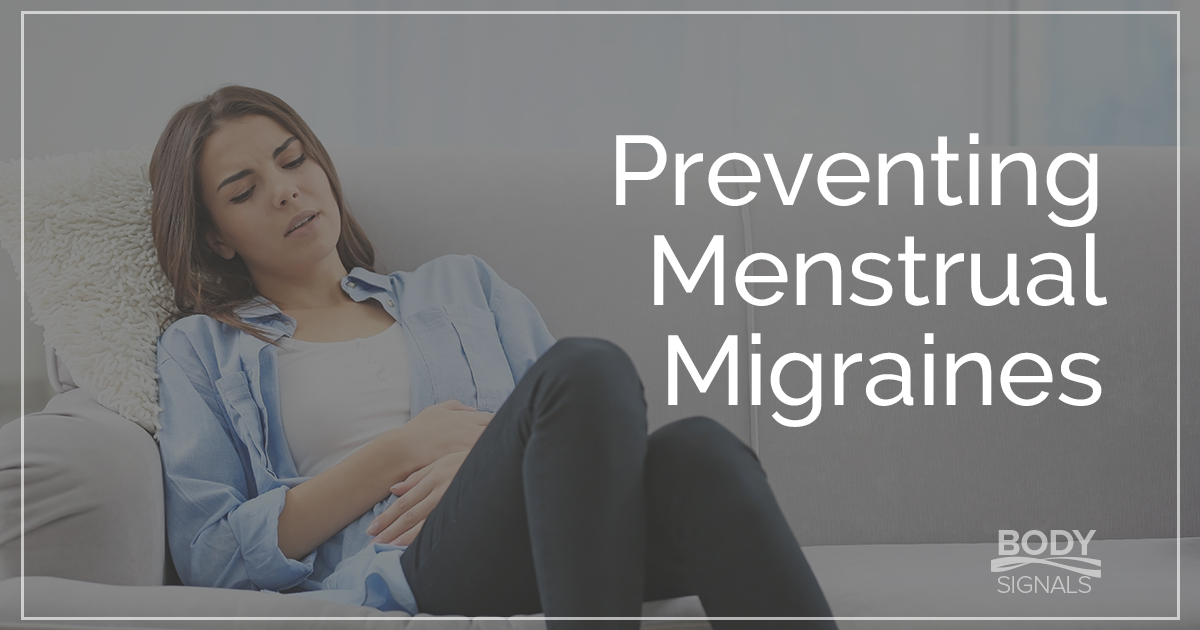
Preventing Menstrual Migraines 

Bottom Line:

For many women, monthly menstruation means monthly migraines. In addition to hormone changes, your diet, physical activity and stress levels all contribute to this pattern. While pregnancy and menopause are two ways to eliminate these types of headaches, we also have a few more practical ways to find relief!

Why it Matters:

New research recommends Chiropractic adjustments as part of an evidence-based approach to reducing the pain associated with migraine headaches. Regular adjustments can both help reduce the stress on the muscles that support your neck and improve your range of motion. By keeping active, reducing your stress, maintaining enough hydration, and staying well adjusted, you’ll give your body the best opportunity to manage those monthly hormonal changes and take the first step towards ending your migraine headaches!  

  • Hormonal changes cause monthly migraines for millions of women.
  • Stress has been shown to have a significant impact on hormonal balance.
  • Adjustments are recommended as an evidence-based approach to reducing both migraine headaches and overall levels of stress.  

Next Steps: 

Did you suffer from migraine headaches before coming into our practice? If so, stop by the front desk and let us know! Sharing your journey and how Chiropractic care helped you find relief may inspire someone else in our community to take action and find a natural solution to their headaches. 

Science Source(s): 

Evidence-Based Guidelines for the Chiropractic Treatment of Adults with Headache. Journal of Manipulative and Physiological Therapeutics. Volume 34, Number 5. 2011

Diet: Follow the Mediterranean Diet to Lower Stroke Risk.

Diet: Follow the Mediterranean Diet to Lower Stroke Risk.

New research suggests that the Mediterranean diet may reduce an individual’s risk of ischemic stroke. The Mediterranean diet includes fruits and vegetables, whole grains, legumes, nuts, fish, poultry, and olive oil, with limits on red meat, sweets, saturated fats, butter, and full-fat dairy products. Study author Dr. Paul Wright writes, “Overall, there is strong evidence, based on this study, that strict adherence to a Mediterranean diet significantly reduces stroke risk.”


American Stroke Association, February 2015

For more health and wellness tips and information follow us or check out our blog at http://www.aberdeenchiropracticblog.com 

Photo by Pixabay on Pexels.com