Chronic Low Back Pain and Insomnia: Uncovering the Alarming Connection

The detrimental impact of inadequate sleep on overall health and well-being is well-documented, with previous research linking poor sleep quality to a myriad of adverse health outcomes, including hypertension, type 2 diabetes, obesity, depression, cardiovascular events such as heart attack and stroke, among others. Building upon this body of evidence, a team of South Korean researchers embarked on a study aimed at investigating the relationship between chronic low back pain and insomnia.

Surveying a cohort of 481 chronic low back pain patients, the researchers uncovered a striking association between back pain and sleep disturbances. Alarmingly, 43% of the participants reported experiencing mild-to-severe insomnia following the onset of back pain, underscoring the profound impact of musculoskeletal discomfort on sleep quality.

Moreover, the study revealed that chronic low back pain patients with concurrent musculoskeletal pain in at least one other body site were more than eight times as likely to report sleeping difficulties compared to those experiencing isolated back pain. This finding highlights the compounding effect of multisite musculoskeletal pain on sleep disruption, further exacerbating the burden of chronic pain and sleep deprivation on individuals’ overall health and quality of life.

The intricate interplay between chronic pain and sleep disturbances underscores the importance of adopting a comprehensive, multidisciplinary approach to pain management. By addressing both the physical manifestations of pain and the underlying sleep disturbances, healthcare providers can effectively mitigate the impact of chronic musculoskeletal conditions on sleep quality and overall well-being.

Furthermore, these findings underscore the need for early intervention and holistic treatment strategies aimed at alleviating both pain and sleep disturbances among individuals with chronic low back pain. By prioritizing sleep hygiene practices, implementing targeted pain management interventions, and fostering a supportive therapeutic environment, healthcare providers can empower patients to reclaim restorative sleep and regain control over their lives despite the challenges posed by chronic pain.

The Korean Journal of Pain, April 2015

Exercise: Moderate Exercise Can Help Women’s Hearts.

Fitness Quote 11/1/2022

Exercise: Moderate Exercise Can Help Women’s Hearts.

Just a few bouts of moderate exercise each week can reduce a middle aged woman’s risk for heart disease, blood clots, and stroke by 20% when compared with women who do little or no exercise. Moderate exercise examples include walking, gardening, and cycling. Lead author Dr. Miranda Armstrong concludes, “To prevent heart disease, stroke and blood clots, women don’t have to be super athletes or strenuously exercise daily to experience the benefits of physical activity.” Circulation, February 2015

Yoga Practice for Senior Flexibility | Study Findings 2014

In a study investigating the efficacy of yoga and calisthenics in maintaining flexibility among seniors, 22 older adults engaged in yoga practice, while 20 participated in calisthenics over the course of a year, with 24 seniors serving as a control group. After one year, flexibility assessments revealed contrasting outcomes: the control group experienced a decline in overall flexibility, whereas both the yoga and calisthenics groups exhibited improvements compared to baseline measurements.

Notably, participants in the yoga group demonstrated a fourfold increase in flexibility assessments compared to their counterparts in the calisthenics group. This suggests that the slow, deliberate movements inherent in yoga practice may be particularly effective in enhancing flexibility among older adults, surpassing the benefits conferred by the fast-paced, dynamic exercises characteristic of calisthenics routines.

These findings underscore the potential of yoga as a valuable tool in promoting flexibility and mobility in aging populations. By embracing the gentle, passive movements and mindful breathing techniques inherent in yoga practice, seniors can cultivate suppleness and range of motion, enhancing their overall quality of life and functional independence as they age.

International Journal of Yoga Therapy, September 2014

Mental Attitude: Kids Can Suffer from Migraines Too.

Mental Attitude: Kids Can Suffer from Migraines Too.

According to the American Migraine Foundation, about 6% of children and more than 25% of teens ages 15-17 suffer from migraines. Many factors can contribute to childhood migraines, including too little or too much sleep and abnormal stress. Children with migraines should be evaluated by a healthcare professional for potential treatment options. American Migraine Foundation, February 2015

Midlife Fitness and Cancer Risk Reduction in Men: Key Findings

The correlation between midlife fitness and reduced cancer risk in men underscores the pivotal role of physical activity in promoting long-term health and longevity. Following treadmill testing involving nearly 14,000 men, researchers unveiled a compelling association between fitness levels and cancer incidence and mortality rates.

According to the findings, middle-aged men who exhibited higher levels of fitness experienced a significant reduction in the risk of developing lung and colon cancer later in life. Specifically, the most fit participants demonstrated a remarkable 50% lower risk of lung and colon cancer, as well as a 30% lower risk of death from these malignancies, compared to their less fit counterparts.

Lead researcher Dr. Susan Lakoski underscores the profound implications of these findings, highlighting the enduring benefits of midlife fitness in bolstering survival outcomes among men diagnosed with cancer. Notably, fit men diagnosed with prostate cancer exhibited a lower risk of mortality from both cancer and cardiovascular disease, underscoring the overarching importance of physical fitness in enhancing overall resilience and well-being.

These findings underscore the profound impact of midlife fitness on cancer prevention and survival outcomes, underscoring the imperative of prioritizing regular physical activity as a cornerstone of a healthy lifestyle. By embracing a proactive approach to fitness in midlife, men can significantly reduce their risk of developing lung and colon cancer and enhance their chances of survival in the face of a cancer diagnosis. Through sustained commitment to regular exercise and wellness, individuals can empower themselves to optimize their health and longevity well into their later years.

JAMA Oncology, March 2015

Alcohol Consumption and Weight Management: Key Factors in Liver Cancer Prevention

Recent research underscores the critical role of lifestyle factors, particularly alcohol consumption and weight management, in mitigating the risk of liver cancer. While the link between excessive alcohol intake and liver cancer risk is well-established, a comprehensive analysis of data from 8.2 million individuals has shed light on the additional risk posed by overweight or obesity.

Indeed, the findings reveal that individuals who consume three or more alcoholic drinks per day face elevated odds of developing liver cancer, highlighting the importance of moderation in alcohol consumption to safeguard liver health. Moreover, the study unveils a concerning association between excess body weight and heightened liver cancer risk, underscoring the imperative of weight management in cancer prevention efforts.

Excess adiposity, particularly visceral fat accumulation, is known to contribute to chronic inflammation, insulin resistance, and fatty liver disease, all of which predispose individuals to liver cancer development. By maintaining a healthy weight through a balanced diet and regular exercise, individuals can mitigate these risk factors and fortify their defenses against liver cancer.

These findings underscore the multifaceted nature of liver cancer prevention, emphasizing the need for comprehensive lifestyle modifications to safeguard liver health. From limiting alcohol consumption to achieving and maintaining a healthy weight, individuals can proactively reduce their risk of liver cancer and promote overall well-being. Through informed decision-making and proactive health management, individuals can empower themselves to take charge of their liver health and mitigate the impact of modifiable risk factors on cancer risk.

World Cancer Research Fund International, March 2015

Young Elite Athletes: The Power of Personal Training for Success

In the highly competitive world of youth sports, the pursuit of excellence begins at a young age. Young elite athletes face immense pressure to perform, improve, and achieve their goals. To navigate this challenging landscape, personal training can be a game-changer. It provides tailored, professional guidance that helps young athletes maximize their potential, stay injury-free, and maintain a balanced approach to their training. Here are some key benefits of personal training for young elite athletes.

1. Customized Training Programs

Young athletes have unique needs based on their sport, position, and physical development. Personal trainers specialize in creating customized training programs that address these specific requirements. They take into account the athlete’s strengths, weaknesses, and goals, crafting a regimen that optimizes performance. This individualized approach ensures that the athlete is training in the most effective way possible, focusing on areas that need improvement while enhancing overall athletic ability.

2. Improved Technique and Skill Development

Proper technique is essential for young athletes to excel in their sport and avoid injuries. Personal trainers have the expertise to teach and refine techniques, ensuring that athletes perform movements correctly. This is particularly crucial during the formative years when habits are being developed. Trainers work closely with athletes to improve their skills, whether it’s refining a swimmer’s stroke, a soccer player’s dribbling, or a runner’s stride. Enhanced technique not only boosts performance but also builds a solid foundation for future growth.

3. Injury Prevention

Injuries can derail an athlete’s progress and career. Young athletes, in particular, are susceptible to injuries due to their growing bodies and intense training schedules. Personal trainers play a vital role in injury prevention by designing programs that include proper warm-ups, cool-downs, and exercises that enhance flexibility, strength, and stability. They also educate athletes on the importance of rest and recovery, helping to prevent overuse injuries. By focusing on injury prevention, trainers ensure that athletes can train consistently and safely.

4. Physical and Mental Conditioning

Personal training goes beyond physical fitness; it also encompasses mental conditioning. Elite sports require not just physical prowess but also mental toughness, focus, and resilience. Personal trainers incorporate techniques to improve concentration, manage stress, and build confidence. They help athletes set realistic goals, develop a positive mindset, and stay motivated. This holistic approach prepares young athletes for the psychological demands of competition, enhancing their overall performance.

5. Accountability and Motivation

Young athletes often struggle with consistency and motivation. Personal trainers provide the accountability and encouragement needed to stay on track. Regular sessions with a trainer ensure that athletes adhere to their training schedules and work towards their goals. Trainers also celebrate achievements and provide constructive feedback, keeping athletes motivated and committed. This support system is crucial for maintaining the discipline required to succeed at an elite level.

6. Nutritional Guidance

Nutrition plays a critical role in an athlete’s performance and recovery. Personal trainers offer nutritional guidance tailored to the needs of young athletes, advising on proper diet, hydration, and supplements. They educate athletes on how to fuel their bodies for optimal performance, ensuring that they have the energy and nutrients needed for training and competition. This personalized approach to nutrition helps athletes make informed choices that enhance their athletic ability.

7. Balanced Training and Lifestyle

Young athletes often juggle school, sports, and social activities. Personal trainers help them find a balance by creating manageable training schedules that fit into their busy lives. They emphasize the importance of rest, recovery, and maintaining a healthy lifestyle. This balanced approach helps athletes avoid burnout and ensures that they enjoy their sport while achieving their goals.

Conclusion

Personal training offers young elite athletes a comprehensive and personalized approach to achieving their full potential. From customized training programs and skill development to injury prevention and mental conditioning, the benefits are extensive. Personal trainers provide the expertise, support, and motivation that young athletes need to excel in their sport and maintain a healthy, balanced approach to their training.

At River East Chiropractic, we understand the unique needs of young elite athletes. Our facility offers a range of services, including personal training, chiropractic care, massage therapy, acupuncture, Pilates, and a full gym. Our dedicated team of professionals is committed to helping athletes reach their goals safely and effectively. By investing in personal training, young athletes can unlock their potential and enjoy a successful, fulfilling athletic journey.


Wellness/Prevention: Use of Media Devices Affect Teens’ Sleep Significantly.

Wellness/Prevention: Use of Media Devices Affect Teens’ Sleep Significantly.

A Norwegian study has found that if it takes more than an hour for a teenager to fall asleep, there is an almost 50% likelihood that they are spending more than four hours per day outside of school using electronic devices such as computers, TVs, smartphones, and MP3 players. The findings are of concern since the majority of teens in the United States report having at least one electronic device in their bedroom, and poor sleep has implications on school performance. The authors add, “The current recommendation is not to have a TV in the bedroom. It seems, however, that there may be other electronic devices exerting the same negative influence on sleep, such as PCs and mobile phones. The results confirm recommendations for restricting media use in general.” Scandinavian Journal of Public Health, November 2014

Diet: Healthy Diet & Nutrition Critical for Mental Health.

Diet: Healthy Diet & Nutrition Critical for Mental Health.

A new collaborative study adds to a growing body of evidence showing a relationship between both diet quality and potential nutritional deficiencies and mental health. Studies have shown that many nutrients have a clear influence on brain health including omega-3 fatty acids, B vitamins (particularly folate and B12), choline, iron, zinc, magnesium, S-adenosyl methionine (SAMe), vitamin D, and amino acids. Lead author Dr. Jerome Sarris writes, “While the determinants of mental health are complex, the emerging and compelling evidence for nutrition as a key factor in the high prevalence and incidence of mental disorders suggests that nutrition is as important to psychiatry as it is to cardiology, endocrinology, and gastroenterology.” The Lancet Psychiatry, January 2014

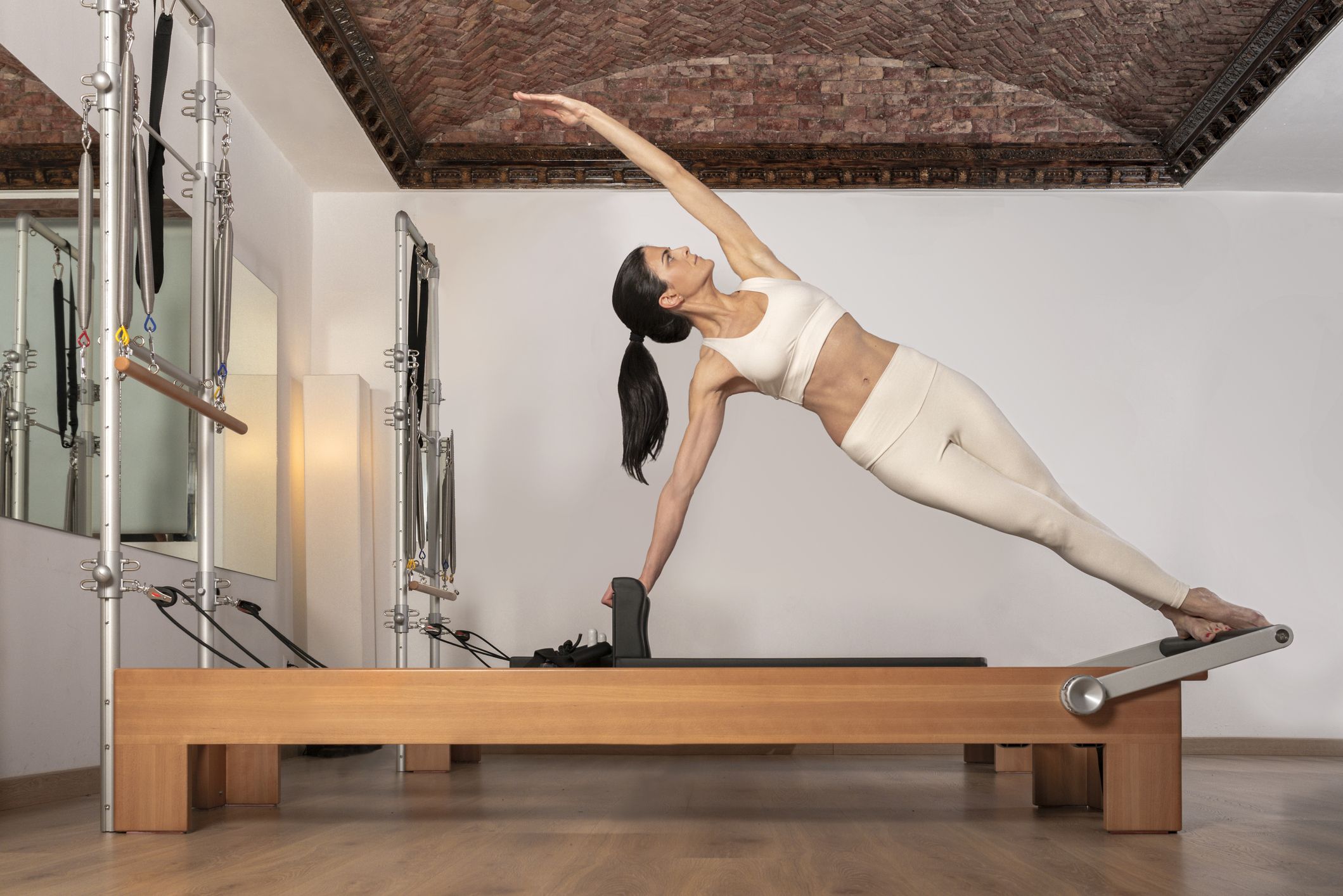
Improve Posture and Spinal Health with Pilates | Benefits Explained

In today’s digital age, many of us spend hours hunched over computers, slouched on couches, or scrolling through smartphones. These habits can take a toll on our posture, leading to muscle imbalances, spinal misalignment, and chronic pain. Fortunately, Pilates offers a highly effective solution for improving posture and strengthening the core muscles that support proper alignment. In this article, we’ll explore how Pilates can help you achieve better posture and enhance overall spinal health.

Understanding Posture and Its Importance

Posture refers to the alignment of your body parts in relation to one another while sitting, standing, or moving. Good posture involves maintaining the natural curves of the spine, balancing the body’s weight evenly, and avoiding excessive strain on muscles and joints. Poor posture, on the other hand, can lead to a host of problems, including back pain, neck pain, headaches, and decreased mobility.

The Role of Core Strength in Posture

Your core muscles, which include the muscles of the abdomen, lower back, pelvis, and hips, play a crucial role in supporting your spine and maintaining proper posture. Weakness or imbalance in these muscles can contribute to poor posture and increase the risk of injury. Pilates focuses on strengthening the core muscles, improving stability, and promoting better alignment, making it an ideal form of exercise for posture correction.

Benefits of Pilates for Posture Improvement

  1. Core Strengthening: Pilates exercises target the deep abdominal muscles, obliques, and back muscles, helping to strengthen and stabilize the core. A strong core provides a solid foundation for good posture and helps prevent slouching and rounding of the spine.
  2. Spinal Alignment: Pilates emphasizes spinal articulation and alignment, teaching you to lengthen the spine, stack the vertebrae, and maintain a neutral pelvis. Through controlled movements and mindful awareness, Pilates helps correct postural deviations and promote a more upright and balanced posture.
  3. Muscle Flexibility: In addition to strengthening the core muscles, Pilates also improves flexibility and mobility in the spine, hips, and shoulders. Increased flexibility allows for greater range of motion and reduces stiffness and tension that can contribute to poor posture.
  4. Body Awareness: Pilates promotes body awareness and mindfulness, encouraging you to pay attention to your alignment, movement patterns, and muscle engagement. By becoming more conscious of how you hold yourself and move, you can make adjustments to improve posture both during Pilates sessions and in everyday life.
  5. Postural Correction: Over time, consistent practice of Pilates can help retrain your body to adopt healthier movement habits and postural alignment. By strengthening weak muscles, releasing tight muscles, and improving overall body mechanics, Pilates contributes to long-term postural correction and spinal health.

Incorporating Pilates Into Your Routine

Whether you’re a beginner or experienced practitioner, Pilates offers a variety of exercises and modifications to suit your fitness level and goals. Consider incorporating Pilates into your weekly routine, either through group classes, private sessions, or online workouts. With regular practice and proper guidance from a certified Pilates instructor, you can reap the benefits of improved posture, core strength, and spinal health that Pilates has to offer.

In conclusion, Pilates is a powerful tool for enhancing posture, strengthening the core, and promoting overall spinal health. By addressing the root causes of poor posture and providing targeted exercises to correct imbalances, Pilates empowers you to stand taller, move more efficiently, and live with greater comfort and confidence. Start your Pilates journey today and experience the transformative effects it can have on your posture and well-being.