Patellofemoral Pain Syndrome

knock knee

Patellofemoral pain syndrome (PFPS), also called “Runners Knee”, describes the symptom complex of knee discomfort, swelling, or crepitus that results from excessive or imbalanced forces acting on the joint. It is the most common cause of knee pain in the general population, affecting an estimated 25% of adults.

PFPS is most commonly related to lateral tracking of the patella. The patella has a natural tendency to migrate laterally due to the pull of the quadriceps and the slight natural valgus of the lower extremity. A new study in the Journal of Sports Medicine (1) provides additional confirmation that when managing patellofemoral pain syndrome, clinicians must address two critical yet often overlooked issues.

This study concludes that PFPS and dynamic knee valgus do not arise primarily from knee dysfunction, rather from hip abductor/ external rotator weakness and/or foot hyperpronation.

“The most effective intervention programs included exercises targeting the hip external rotator and abductor muscles and knee extensor muscles.” and “PFPS patients with foot abnormalities, such as those with increased rearfoot eversion or pes pronatus, may benefit the most from foot orthotics.”

Since gluteus medius and VMO weakness are key factors in the development of PFPS, strengthening exercises that target those muscles prove most effective. Stabilization exercises may include pillow push (push the back of your knee into a pillow for 5-6 seconds), supine heel slide, terminal knee (short-arc) extension, clam, glut bridge, semi-stiff deadlift, posterior lunge, and monster walk.

Myofascial release and stretching should be directed at hypertonic muscles, including the TFL, gastroc, soleus, hamstring, piriformis, hip rotators, and psoas. Myofascial release or IASTM may be appropriate for tightness in the iliotibial band, vastus lateralis, posterior hip capsule, and lateral knee retinaculum.

Manipulation may be necessary for restrictions in the lumbosacral and lower extremity joints. Hypermobility is common in the ipsilateral SI joint with restrictions present contralaterally. Evidence has shown that patellar tracking braces, i.e. BioSkin® or PatellaPro®, may lead to better outcomes.

Lifestyle modification may be necessary to reduce pain-provoking endeavors, especially running, jumping and other activities that induce a valgus stress. Athletes should avoid allowing their knee to cross in front of their toes while squatting. Arch supports or custom orthotics may be necessary to correct hyperpronation. Runners should avoid cross-over gaits and change shoes every 250 to 500 miles.

.

.

.

.

.

.

.

#pain

#kneepain

#chiropractic

#fitness

#sports

#wellness

#fitness

#healthyliving

#healthychoices

#Winnipeg

References

1. Petersen W, Rembitzki I, Liebau C. Patellofemoral pain in athletes. Open Access Journal of Sports Medicine. 2017;8:143-15

Why Does My Back Hurt?

It’s been said that if you haven’t had back pain, just wait, because (statistically) some day you will! The following list is a list of “causes” that can be easily “fixed” to reduce your risk for a back pain episode.
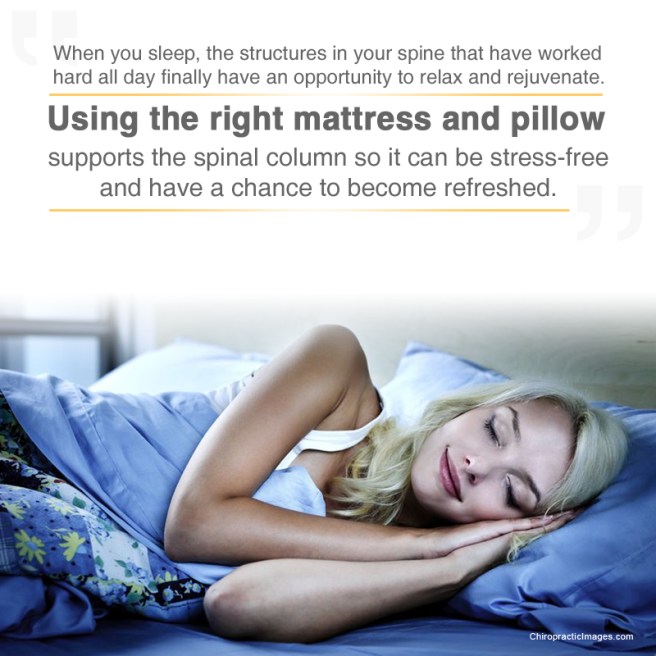
1. MATTRESS: Which type of mattress is best? The “short answer”: there is no single mattress (style or type) for all people, primarily due to body type, size, gender, and what “feels good.” TRY laying on a variety of mattresses (for several minutes on your back and sides) and check out the difference between coiled, inner springs, foam (of different densities), air, waterbeds, etc. The thickness of a mattress can vary from 7 to 18 inches (~17-45 cm) deep. Avoid mattresses that feel like you’re sleeping in a hammock! A “good” mattress should maintain your natural spinal curves when lying on your sides or back (avoid stomach sleeping in most cases). Try placing a pillow between the knees and “hug” a pillow when side sleeping, as it can act like a “kick stand” and prevent you from rolling onto your stomach. If your budget is tight, you can “cheat” by placing a piece of plywood between the mattress and box spring as a short-term fix.
2. SHOES: Look at the bottom of your favorite pair of shoes and check out the “wear pattern.” If you have worn out soles or heels, you are way overdue for a new pair or a “re-sole” by your local shoe cobbler! If you work on your feet, then it’s even more important for both managing and preventing LBP!
3. DIET: A poor diet leads to obesity, which is a MAJOR cause of LBP. Consider the Paleo or Mediterranean Diet and STAY AWAY from fast food! Identify the two or three “food abuses” you have embraced and eliminate them – things with empty calories like soda, ice cream, chips… you get the picture! Keeping your BMI (Body Mass Index) between 20 and 25 is the goal! Positive “side-effects” include increased longevity, better overall health, and an improved quality of life!
4. EXERCISE: The most effective self-help approach to LBP management is exercise. Studies show those who exercise regularly hurt less, see doctors less, have a higher quality of life, and just feel better! This dovetails with diet in keeping your weight in check as well. Think of hamstring stretches and core strengthening as important LBP managers – USE PROPER TECHNIQUE AND FORM; YOUR DOCTOR OF CHIROPRACTIC CAN GUIDE YOU IN THIS PROCESS!
5. POSTURE: Another important “self-help” trick of the trade is to avoid sitting slumped over with an extreme forward head carriage positions. Remember that every inch your head pokes forwards places an additional ten pounds (~4.5 kg) of load on your upper back muscles to keep your head upright, and sitting slumped increases the load on your entire back!
We have only scratched the surface of some COMMON causes and/or contributors of back pain. Stay tuned next month as we continue this important conversation!
We realize you have a choice in whom you consider for your health care provision and we sincerely appreciate your trust in choosing our service for those needs.  If you, a friend, or family member requires care for back pain, we would be honored to render our services.

Exercise and Low Back Pain

Low back pain (LBP) is a very common problem that affects most of us at some point in life and for some, it’s a daily issue. Through education and research, researchers have found low back-specific exercises can not only help get rid of LBP but can also prevent future exacerbations or episodes. Like brushing our teeth, low back exercises are equally important in order to maintain, preserve, and optimize function. But because there are SO MANY exercise options available, it’s hard to know which ones are best, especially for each specific person.
There are different methods for determining the right low back exercises for the patient. One of the most common is to try different exercises to determine individual tolerance, but this is not very specific, as it only determines whether or not the patient is comfortable with an exercise. Another is using physical performance tests (PPTs) that measure the strength and endurance of specific muscle groups, muscle shortness, balance, aerobic capacity, and spinal range of motion.
Physical performance tests are much more specific because they address each patient’s differences. Also, many PPTs include normative data to compare against the patient’s own performance, so repeat use of the abnormal PPTs on a monthly interval can gauge their progress (or the lack thereof), which is motivating to the patient and serves as a great outcome measure!
PPTs are typically done two to four weeks after an initial presentation or at a time when the condition is stable so as not to irritate the condition. Initially, the decision as to which exercise is best is often made by something called “directional preference” or positional bias. This simply means if a patient feels best by bending over, we initially give “flexion-biased” exercises.
Flexion-biased exercises include (partial list): pulling the knees to the chest (single then double), posterior pelvic tilts (flattening the low back into the floor), sitting and/or standing bend overs, hamstring stretches, and more. If a person’s low back feels best bending backwards, their doctor of chiropractic may give extension-biased exercises, which include (partial list): standing back bends, saggy push-ups (prone press-ups), and/or laying on pillows or a gym ball on their back, arching over the ball.
Chiropractors generally add exercises gradually once they’ve determined tolerance and will recheck to make sure the patient is doing them correctly. Studies show that spinal manipulation achieves great short-term results, but when exercise is added to the treatment plan, the patient can achieve a more satisfying long-term result. Unfortunately, other studies have shown that ONLY 4% of patients continue their exercises after pain is satisfactorily managed and they fall back into old habits of not exercising.
81

Chronic Neck Pain and Anxiety-Depression.

Chronic neck pain often results in a psychological impact that can affect daily life. A new study involving 80 patients with chronic neck pain investigated the prevalence of anxiety and depression in patients with neck pain as well as associated risk factors and found that 68.4 % suffered from anxiety and 55.7% patients were depressed. Furthermore, disability and cervicobrachial neuralgia (neck pain radiating into the arm) associated with chronic neck pain predicted which patients had at higher risk of psychological distress.

The Pan-African Medical Journal, May 2016

whiplash

Active Seniors Recover More Easily from Injury.

357

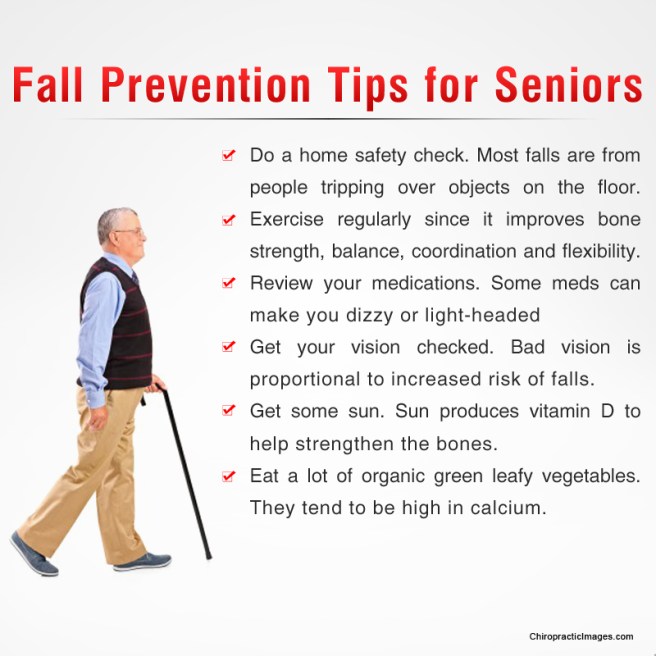
Seniors who regularly exercise appear less likely to suffer a disability, and if they do, they tend to recover quicker. A study that included 1,600 older adults showed that active seniors were 13% less likely to develop a physical disability, and exercisers were one-third more likely to recover from impairment than those who lived a sedentary lifestyle. The findings suggest that it’s never too late to reap the benefits of exercise.

Annals of Internal Medicine, September 2016

Low Back Pain Basics

316046269_1280x720

Low back pain (LBP) is a very common problem that affects most of us at some point in life and for some, it’s a daily issue. Through education and research, researchers have found low back-specific exercises can not only help get rid of LBP but can also prevent future exacerbations or episodes. Like brushing our teeth, low back exercises are equally important in order to maintain, preserve, and optimize function. But because there are SO MANY exercise options available, it’s hard to know which ones are best, especially for each specific person.
There are different methods for determining the right low back exercises for the patient. One of the most common is to try different exercises to determine individual tolerance, but this is not very specific, as it only determines whether or not the patient is comfortable with an exercise. Another is using physical performance tests (PPTs) that measure the strength and endurance of specific muscle groups, muscle shortness, balance, aerobic capacity, and spinal range of motion.
Physical performance tests are much more specific because they address each patient’s differences. Also, many PPTs include normative data to compare against the patient’s own performance, so repeat use of the abnormal PPTs on a monthly interval can gauge their progress (or the lack thereof), which is motivating to the patient and serves as a great outcome measure!
PPTs are typically done two to four weeks after an initial presentation or at a time when the condition is stable so as not to irritate the condition. Initially, the decision as to which exercise is best is often made by something called “directional preference” or positional bias. This simply means if a patient feels best by bending over, we initially give “flexion-biased” exercises.
Flexion-biased exercises include (partial list): pulling the knees to the chest (single then double), posterior pelvic tilts (flattening the low back into the floor), sitting and/or standing bend overs, hamstring stretches, and more. If a person’s low back feels best bending backwards, their doctor of chiropractic may give extension-biased exercises, which include (partial list): standing back bends, saggy push-ups (prone press-ups), and/or laying on pillows or a gym ball on their back, arching over the ball.
Chiropractors generally add exercises gradually once they’ve determined tolerance and will recheck to make sure the patient is doing them correctly. Studies show that spinal manipulation achieves great short-term results, but when exercise is added to the treatment plan, the patient can achieve a more satisfying long-term result. Unfortunately, other studies have shown that ONLY 4% of patients continue their exercises after pain is satisfactorily managed and they fall back into old habits of not exercising.

2 Critical Questions

2-critical-questions


Evidence-based chiropractors must routinely answer two questions:

  • Does this patient have inflamed tissue or degenerated tissue?
  • Has this injury resulted in a compensatory movement pattern?

Chiropractors treat the cause of dysfunction and not the just the pain—right? This becomes more challenging when patients present with an assortment of orthopedic diagnoses. Let’s be honest, we see the worst of the worst on a daily basis, and we are often the last option.

Identifying IF inflammation is a source of pain may be one of the biggest differentiators in your initial exam.

Chiropractors see patients in pain resulting from acute injuries. Newly injured tissue often contains an inflammatory component for healing. However, emerging clinical research tells us that reoccurring painful conditions often lack an inflammatory component. Effective treatment of pain is dependent on a clear understanding of whether inflammation is present or not.

Learn how to identify chemical vs. mechanical pain

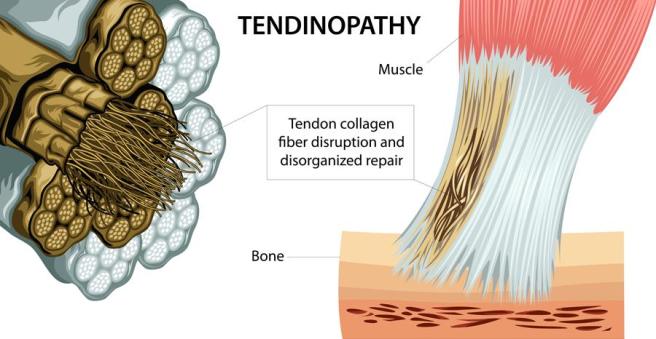
Many chronic tendon problems are not the result of ongoing inflammation, rather failed inflammation. Chronic failed inflammation results in tissue degeneration that diminishes long-term tissue capacity, size, and function. Tendons, when degenerated, exhibit lower stiffness. A failed healing response results in proliferation of tissue with decreased load transfer and elastic capability. We sometimes refer to this as scar tissue. This deficit must be accounted for during locomotion. Diminished tendon load transfer will lead to widespread biomechanical dysfunction. The patient must be willing to change their movement pattern or habits to stop this process.

Chronic problems often lead to widespread biomechanical dysfunction.

We have all seen the patient with chronic, but intermittent, plantar fasciitis who develops subsequent knee, hip, or back pain. Human movement is coordinated by a hierarchal system. The CNS initiates, controls and executes movement patterns. The human body knows movements—not muscles. If one tissue in the loop loses its integrity the patient may develop a new movement pattern. This new movement pattern may not be efficient to all the tissue components and result in new injuries. Our tissue only has a certain capacity. Muscles and tendons will strain, ligaments will sprain, and bones will break at different rates and/or amounts of load. Rehab should focus on optimal movement patterns instead of strengthening isolated muscles.

Let’s examine a patient with Achilles tendinosis?

Patients with Achilles pain will often favor the outside of their foot. Pain will result in an adaptive behavior altering the activity of agonist, synergist and antagonist muscles. A recent study in the Journal of Physiology highlighted this compensatory behavior:

“This was seen during single-legged hopping, where the contribution from the triceps surae muscle to the plantar flexors was decreased and the co-contraction from the tibialis anterior muscle was also decreased on the involved side in individuals with Achilles tendinosis. This may be attributed to the protective mechanism shielding the already injured tendon from further injury or even rupture.” (1)

If the agonist and antagonists have decreased activity, then how do these patients transfer load while walking?

“The EMG activity of the synergist muscle, the peroneal longus muscle in the present study, increased to compensate for the mechanical deficit resulting from the compliant Achilles tendon and to achieve the task goal.”

These patients have now condemned their gait cycle to walk on a supinated foot that transfers compensatory repercussions to the knee and hip. The increased load on the peroneal muscles may also result in injury in time. This is not an isolated problem, rather the typical continuum of an “…itis” to an “…opathy” over time. These are not isolated lesions; rather the start of widespread biomechanical dysfunction that may result in any number of orthopedic diagnosis. The authors conclude:

“Pain is a signal of tissue damage, although damaged tissues are not always painful.”

Excellent chiropractic clinical outcomes require that providers look upstream and downstream for biomechanical co-conspirators. ChiroUp helps your patients recognize how specific orthopedic conditions change movement patterns. Preselected exercise protocols incorporate ideal movement patterns during the rehab process. In the case of tendinopathy, ChiroUp protocols incorporate eccentric exercise to facilitate and strengthen the damaged tissue and prevent recurrence of pain.


Reference

  1. Chang Y-J, Kulig K. The neuromechanical adaptations to Achilles tendinosis. The Journal of Physiology. 2015;593(Pt 15):3373-3387. doi:10.1113/JP270220.

Avoid Doing This Before Bedtime.

169


Your habits just before going to bed could be sabotaging your sleep.


The National Sleep Foundation recommends avoiding the following: over-the-counter medications that contain pseudoephedrine, which can be found in common cold medicines; texting, watching TV, or spending time on the computer shortly before bed; indulging in a greasy, fattening, salty bedtime snack, which can be stimulating and trigger nightmares; and drinking caffeine beyond the morning, as it can stay in your system for as long as twelve hours.


National Sleep Foundation, October 2016

Canada’s Pain Crisis

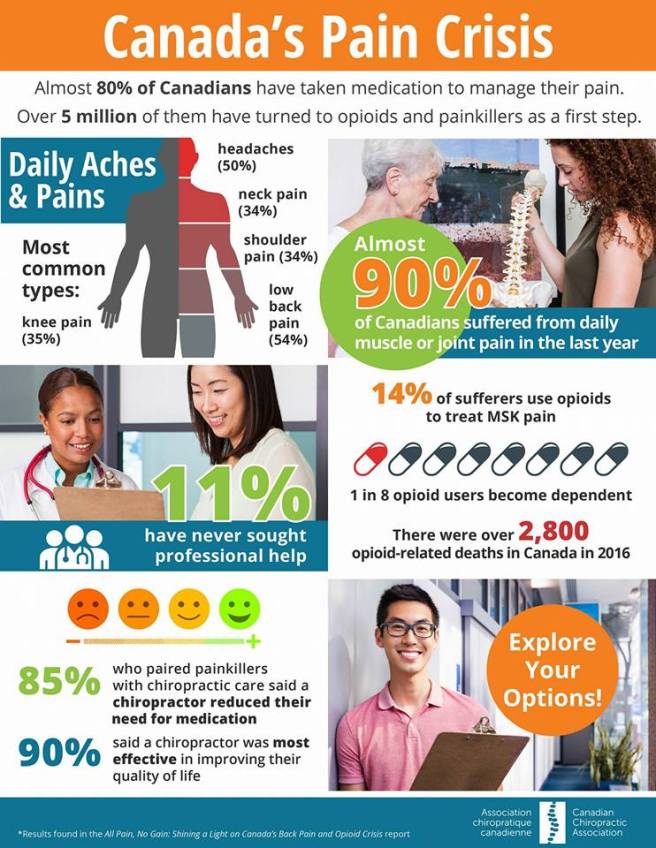
In a nation of only 36 million people, over 5 million people turned to opioid use for their pain despite the availability of better options. Opioids should never be the first step in pain management; preventing overuse takes education of both the public who are using and the professionals prescribing these drugs.

At Aberdeen Chiropractic we are proud to be part of the solution to Canada’s opioid crisis by providing safe, effective care for back pain, neck pain and headaches. Our goal is to assess, correct and prevent your pain with a variety of interventions including Chiropractic, Acupuncture, Laser, Exercise Rehabilitation and Trigger Point Therapy.


Pain Crisis