
Midlife Fitness and Cancer Risk Reduction in Men: Key Findings

The correlation between midlife fitness and reduced cancer risk in men underscores the pivotal role of physical activity in promoting long-term health and longevity. Following treadmill testing involving nearly 14,000 men, researchers unveiled a compelling association between fitness levels and cancer incidence and mortality rates.

According to the findings, middle-aged men who exhibited higher levels of fitness experienced a significant reduction in the risk of developing lung and colon cancer later in life. Specifically, the most fit participants demonstrated a remarkable 50% lower risk of lung and colon cancer, as well as a 30% lower risk of death from these malignancies, compared to their less fit counterparts.

Lead researcher Dr. Susan Lakoski underscores the profound implications of these findings, highlighting the enduring benefits of midlife fitness in bolstering survival outcomes among men diagnosed with cancer. Notably, fit men diagnosed with prostate cancer exhibited a lower risk of mortality from both cancer and cardiovascular disease, underscoring the overarching importance of physical fitness in enhancing overall resilience and well-being.

These findings underscore the profound impact of midlife fitness on cancer prevention and survival outcomes, underscoring the imperative of prioritizing regular physical activity as a cornerstone of a healthy lifestyle. By embracing a proactive approach to fitness in midlife, men can significantly reduce their risk of developing lung and colon cancer and enhance their chances of survival in the face of a cancer diagnosis. Through sustained commitment to regular exercise and wellness, individuals can empower themselves to optimize their health and longevity well into their later years.

JAMA Oncology, March 2015
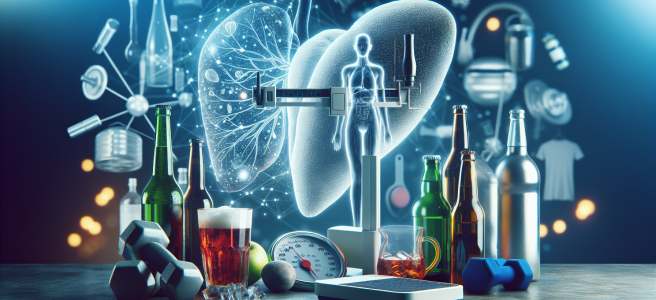
Alcohol Consumption and Weight Management: Key Factors in Liver Cancer Prevention

Recent research underscores the critical role of lifestyle factors, particularly alcohol consumption and weight management, in mitigating the risk of liver cancer. While the link between excessive alcohol intake and liver cancer risk is well-established, a comprehensive analysis of data from 8.2 million individuals has shed light on the additional risk posed by overweight or obesity.

Indeed, the findings reveal that individuals who consume three or more alcoholic drinks per day face elevated odds of developing liver cancer, highlighting the importance of moderation in alcohol consumption to safeguard liver health. Moreover, the study unveils a concerning association between excess body weight and heightened liver cancer risk, underscoring the imperative of weight management in cancer prevention efforts.

Excess adiposity, particularly visceral fat accumulation, is known to contribute to chronic inflammation, insulin resistance, and fatty liver disease, all of which predispose individuals to liver cancer development. By maintaining a healthy weight through a balanced diet and regular exercise, individuals can mitigate these risk factors and fortify their defenses against liver cancer.

These findings underscore the multifaceted nature of liver cancer prevention, emphasizing the need for comprehensive lifestyle modifications to safeguard liver health. From limiting alcohol consumption to achieving and maintaining a healthy weight, individuals can proactively reduce their risk of liver cancer and promote overall well-being. Through informed decision-making and proactive health management, individuals can empower themselves to take charge of their liver health and mitigate the impact of modifiable risk factors on cancer risk.

World Cancer Research Fund International, March 2015

Wellness/Prevention: Use of Media Devices Affect Teens’ Sleep Significantly.

Wellness/Prevention: Use of Media Devices Affect Teens’ Sleep Significantly.

A Norwegian study has found that if it takes more than an hour for a teenager to fall asleep, there is an almost 50% likelihood that they are spending more than four hours per day outside of school using electronic devices such as computers, TVs, smartphones, and MP3 players. The findings are of concern since the majority of teens in the United States report having at least one electronic device in their bedroom, and poor sleep has implications on school performance. The authors add, “The current recommendation is not to have a TV in the bedroom. It seems, however, that there may be other electronic devices exerting the same negative influence on sleep, such as PCs and mobile phones. The results confirm recommendations for restricting media use in general.” Scandinavian Journal of Public Health, November 2014

Diet: Healthy Diet & Nutrition Critical for Mental Health.

Diet: Healthy Diet & Nutrition Critical for Mental Health.

A new collaborative study adds to a growing body of evidence showing a relationship between both diet quality and potential nutritional deficiencies and mental health. Studies have shown that many nutrients have a clear influence on brain health including omega-3 fatty acids, B vitamins (particularly folate and B12), choline, iron, zinc, magnesium, S-adenosyl methionine (SAMe), vitamin D, and amino acids. Lead author Dr. Jerome Sarris writes, “While the determinants of mental health are complex, the emerging and compelling evidence for nutrition as a key factor in the high prevalence and incidence of mental disorders suggests that nutrition is as important to psychiatry as it is to cardiology, endocrinology, and gastroenterology.” The Lancet Psychiatry, January 2014

Health Alert: Lung Cancer Now the #1 Cancer Killer of Women in Wealthy Nations.

Health Alert: Lung Cancer Now the #1 Cancer Killer of Women in Wealthy Nations.

According to a new report, lung cancer has overtaken breast cancer as the leading killer of women in developed countries. Experts explain that an increase in female smokers in the 1970s is the likely explanation for the upsurge in lung cancer-related deaths among women in present day. On the other hand, early detection and improved treatments have led to a decline in breast cancer-related deaths in recent decades.

CA: A Cancer Journal for Clinicians, February 2015

Wellness/Prevention: Positive Emotions May Be Best Anti-Inflammatories.

Wellness/Prevention: Positive Emotions May Be Best Anti-Inflammatories.

University of California, Berkeley researchers have discovered a link between positive emotions and lower levels of inflammatory proteins that are knows to signal the immune system to work harder. The research team found that participants who experienced positive emotions had the lowest levels of the cytokine and interleukin 6, which are known markers of inflammation. Sustained high levels of cytokines are associated with conditions such as type-2 diabetes, heart disease, arthritis, Alzheimer’s disease, and clinical depression. Emotion, January 2015

Boost Your Health and Fitness Goals: The Power of Support Networks

Maintaining motivation to reach health and fitness objectives is bolstered by a robust support network. The American Council on Exercise advises discussing goals with a partner or loved one, securing an accountability buddy for mutual encouragement, and engaging with a community of like-minded individuals dedicated to enhancing their well-being. These connections foster encouragement, accountability, and camaraderie, facilitating sustained commitment to personal health and fitness endeavors. The American Council on Exercise, March 2015

Optimizing Quality of Life: Importance of Preventing and Managing Knee and Back Pain

Chiropractic: Here’s Why Preventing and Managing Knee and Back Pain Is So Important…

As individuals approach their later years, proactively managing and preventing knee and back pain emerges as a paramount priority for optimizing quality of life. A seminal study, featured in PM & R: The Journal of Injury, Function, and Rehabilitation in March 2015, underscores the profound impact of these musculoskeletal ailments on overall well-being, surpassing even the toll exacted by many chronic diseases.

Conducted among a cohort of nearly 3,000 men and women aged 50 and above, the research illuminates the stark reality that knee pain and back pain exert a disproportionately significant influence on quality of life. Participants grappling with these musculoskeletal afflictions reported a notable reduction in their overall well-being, surpassing the deleterious effects observed in individuals contending with various chronic diseases.

This revelation underscores the imperative for proactive measures to mitigate the onset and progression of knee and back pain, particularly as individuals age. By adopting a multifaceted approach encompassing lifestyle modifications, targeted exercises, and prudent self-care practices, individuals can fortify their musculoskeletal health and minimize the burden of pain and discomfort in later life.

Engaging in regular physical activity tailored to promote joint mobility, muscular strength, and flexibility constitutes a cornerstone of preventive efforts against knee and back pain. Furthermore, cultivating proper posture, implementing ergonomic adjustments in daily activities, and maintaining a healthy weight can alleviate undue stress on the joints and spine, reducing the risk of pain and injury.

Moreover, fostering a holistic approach to wellness that encompasses dietary interventions, stress management techniques, and adequate sleep hygiene can bolster resilience and enhance pain coping mechanisms. By nurturing physical, mental, and emotional well-being in tandem, individuals can fortify their defenses against the onset and progression of musculoskeletal ailments, safeguarding their quality of life well into their golden years.

In light of these findings, healthcare practitioners, policymakers, and individuals alike are urged to prioritize musculoskeletal health as a cornerstone of healthy aging. By fostering awareness, promoting early intervention, and facilitating access to evidence-based interventions, stakeholders can empower individuals to proactively manage and prevent knee and back pain, fostering a future characterized by vitality, mobility, and optimal well-being.

PM & R: The Journal of Injury, Function, and Rehabilitation, March 2015

Impact of High-Impact Training on Patellar Cartilage Quality

The paradigm surrounding high-impact training and its purported deleterious effects on articular cartilage has undergone a paradigm shift, courtesy of a groundbreaking study highlighted in Medicine & Science in Sports & Exercise in February 2015. Contrary to conventional wisdom, which posited that high-impact loading, particularly in the form of jumping exercises, could exacerbate knee osteoarthritis, the study’s findings illuminate a promising avenue for improving patellar cartilage quality in postmenopausal women.

Over the course of twelve months, participants in the study engaged in a meticulously supervised progressive high-impact exercise program encompassing a spectrum of dynamic movements, including jumping and versatile rapid movements. Astonishingly, far from precipitating deterioration, this regimen yielded tangible improvements in the quality of patellar cartilage among postmenopausal women with mild knee osteoarthritis.

The implications of these findings are profound, heralding a paradigm shift in the management of knee osteoarthritis and the promotion of musculoskeletal health in aging populations. Rather than shying away from high-impact loading exercises for fear of exacerbating joint degeneration, individuals—especially those grappling with mild knee osteoarthritis—are encouraged to embrace such activities as a means of preserving and enhancing their health and functional capacity.

By challenging preconceived notions and illuminating the therapeutic potential of high-impact training, this study paves the way for a more nuanced and evidence-based approach to exercise prescription in the context of musculoskeletal health. Moving forward, healthcare practitioners and fitness professionals alike are poised to leverage these insights to empower individuals to optimize their physical well-being and defy the constraints imposed by osteoarthritis, fostering a future marked by vitality, resilience, and mobility.

Preventing Heart Attacks and Strokes: The Impact of Hypertension Treatment

Wellness/Prevention: Blood Pressure Program Could Save Millions of Lives Globally.

Experts have sounded a clarion call for action in the battle against uncontrolled high blood pressure, asserting that treating just half of the individuals afflicted could avert a staggering 10 million heart attacks and strokes worldwide within the next decade. In a concerted effort to stem the tide of cardiovascular morbidity and mortality, the Centers for Disease Control and Prevention (CDC) and the Pan American Health Organization have launched a groundbreaking initiative known as the Global Standardized Hypertension Treatment Project.

This ambitious program aims to mobilize resources and expertise on a global scale, leveraging standardized protocols and best practices to optimize hypertension treatment outcomes across diverse populations. By streamlining approaches to diagnosis, medication adherence, and lifestyle modifications, the project seeks to empower individuals worldwide to take control of their blood pressure and mitigate their risk of premature death from cardiovascular disease.

Dr. Tom Frieden, director of the CDC, emphasizes the urgency of the endeavor, asserting that hypertension represents a formidable foe in the fight against cardiovascular disease. He underscores the imperative for swift and decisive action, stressing that the question is not whether treatment of hypertension should be undertaken on a global scale, but rather how rapidly and effectively effective programs can be established.

As the Lancet highlighted in February 2015, the launch of the Global Standardized Hypertension Treatment Project heralds a new chapter in the global health landscape, one marked by collaboration, innovation, and a shared commitment to saving lives. By uniting efforts on a global scale, stakeholders stand poised to achieve unprecedented gains in the prevention and control of hypertension, forging a path toward a healthier, more resilient future for generations to come.

Quote: “Anyone can hide. Facing up to things, working through them, that’s what makes you strong.” ~ Sarah Dessen