Chiro & Concussions

head-shot2

Whiplash Associated Disorders (WAD) is the appropriate terminology to use when addressing the myriad of symptoms that can occur as a result of a motor vehicle collision (MVC). In a recent publication in The Physician and Sports Medicine (Volume 43, Issue 3, 2015; 7/3/15 online:1-11), the article “The role of the cervical spine in post-concussive syndrome” takes a look at the neck when it’s injured in a car accident and how this relates to concussion.

It’s estimated about 3.8 million concussion injuries, also referred to as “mild traumatic brain injury” (mTBI), occur each year in the United States. Ironically, it’s one of the least understood injuries in the sports medicine and neuroscience communities. The GOOD NEWS is that concussion symptoms resolve within 7-10 days in the majority of cases; unfortunately, this isn’t the case with 10-15% of patients. Symptoms can last weeks, months, or even years in this group for which the term “post-concussive syndrome” (PCS) is used (defined as three or more symptoms lasting for four weeks as defined by the ICD-10) or three months following a minor head injury (as defined by the Diagnostic and Statistical Manual of Mental Disorders).

There have been significant advances in understanding what takes place in the acute phase of mTBI, but unfortunately, there is no clear physiological explanation for the chronic phase. Studies show the range of force to the head needed to cause concussion is between 60-160g (“g” = gravity) with 96.1g representing the highest predictive value in a football injury, whereas as little as 4.5g of neck acceleration can cause mild strain injury to the neck. In spite of this difference, the signs and symptoms reported by those injured in low-speed MVCs vs. football collisions are strikingly similar!

Research shows if an individual sustains an injury where the head is accelerated between 60-160g, it is HIGHLY likely that the tissues of the cervical spine (neck) have also reached their injury threshold of 4.5g. In a study that looked at hockey players, those who sustained a concussion also had WAD / neck injuries indicating that these injuries occur concurrently. Injuries to the neck in WAD include the same symptoms that occur in concussion including headache, dizziness/balance loss, nausea, visual and auditory problems, and cognitive dysfunction, just to name a few.

The paper concludes with five cases of PCS that responded well to a combination of active exercise/rehabilitation AND passive manual therapy (cervical spine manipulation). The favourable outcome supports the concept that the neck injury portion of WAD is a very important aspect to consider when treating patients with PCS!

This “link” between neck injury and concussion explains why chiropractic care is essential in the treatment of the concussion patient! This is especially true when the symptoms of concussion persist longer than one month!

We realize you have a choice in whom you consider for your health care provision and we sincerely appreciate your trust in choosing our service for those needs.  If you, a friend, or family member requires care for Whiplash, we would be honoured to render our services.


The Best Sleeping Position: Optimize Your Sleep for Better Health

Achieving a good night’s sleep is crucial for overall health and well-being. However, many people overlook the importance of their sleeping position, which can significantly impact the quality of sleep and overall health. In this blog post, we’ll explore the best sleeping positions and provide tips to optimize your sleep for better health. Let’s dive into the best sleeping position to enhance your sleep quality and ensure you wake up refreshed and pain-free.

Why Sleeping Position Matters

Your sleeping position plays a vital role in determining the quality of your sleep and your overall health. The right position can help reduce back and neck pain, prevent acid reflux, and minimize snoring. Conversely, a poor sleeping position can lead to discomfort, poor sleep quality, and long-term health issues.

The Best Sleeping Positions

Here are the top sleeping positions that promote optimal health:

1. Back Sleeping (Supine Position)

Pros:

  • Spinal Alignment: Sleeping on your back maintains the natural alignment of your head, neck, and spine.
  • Prevents Wrinkles: Reduces pressure on your face, helping prevent wrinkles.
  • Reduces Acid Reflux: Elevating your head with a pillow can prevent stomach acid from traveling back into the esophagus.

Cons:

  • Snoring and Sleep Apnea: Back sleeping can exacerbate snoring and obstructive sleep apnea in some individuals.

Tips for Back Sleepers:

  • Use a supportive pillow to keep your head slightly elevated.
  • Place a small pillow or rolled-up towel under your knees to maintain the natural curve of your spine.

2. Side Sleeping (Lateral Position)

Pros:

  • Reduces Snoring: Keeps airways open, reducing snoring.
  • Improves Digestion: Sleeping on the left side can aid digestion and reduce acid reflux.
  • Reduces Back Pain: Can alleviate pressure on the spine and reduce back pain.

Cons:

  • Shoulder Pain: Can cause shoulder pain if the shoulder is compressed for long periods.
  • Facial Wrinkles: Can lead to facial wrinkles due to pressure on one side of the face.

Tips for Side Sleepers:

  • Use a firm pillow to keep your head aligned with your spine.
  • Place a pillow between your knees to reduce strain on your hips and lower back.

3. Fetal Position

Pros:

  • Ideal for Pregnancy: Sleeping in the fetal position improves circulation for both the mother and fetus.
  • Reduces Snoring: Keeps airways open, reducing snoring.

Cons:

  • Joint Pain: Can cause joint pain and stiffness if curled up too tightly.
  • Restricted Breathing: Can restrict deep breathing if the body is too tightly curled.

Tips for Fetal Position Sleepers:

  • Keep your body relatively relaxed rather than tightly curled.
  • Use a pillow that supports your head and neck.

4. Stomach Sleeping (Prone Position)

Pros:

  • Reduces Snoring: Can help reduce snoring by keeping airways open.

Cons:

  • Neck and Back Pain: Can cause neck and back pain due to unnatural spine alignment.
  • Pressure on Internal Organs: Can exert pressure on internal organs, leading to discomfort.

Tips for Stomach Sleepers:

  • Use a thin pillow or no pillow to keep your head level with your spine.
  • Place a pillow under your pelvis to reduce lower back strain.

Optimizing Your Sleeping Environment

In addition to finding the best sleeping position, optimizing your sleeping environment is crucial for quality sleep:

  • Choose the Right Mattress: A medium-firm mattress provides the right balance of support and comfort for most sleeping positions.
  • Use Supportive Pillows: Choose pillows that support your head, neck, and spine alignment based on your preferred sleeping position.
  • Maintain a Cool, Dark Room: A cool, dark environment promotes better sleep by regulating your body temperature and reducing distractions.
  • Establish a Routine: Consistent sleep schedules and bedtime routines signal your body that it’s time to wind down and prepare for rest.

Conclusion

Finding the best sleeping position is essential for achieving high-quality sleep and maintaining overall health. While back sleeping, side sleeping, and the fetal position offer various benefits, the optimal choice depends on your individual health needs and comfort preferences. Additionally, optimizing your sleeping environment and maintaining a consistent sleep routine can further enhance your sleep quality. Prioritize your sleep position and environment to wake up feeling refreshed and ready to tackle the day.

Unlocking Your Speed Potential: Why Sprinting 3 Times a Week is Key to Building and Maintaining Speed Year-Round

Speed is a coveted attribute in various sports and physical activities. Whether you’re an athlete aiming to enhance performance, a fitness enthusiast looking to diversify your workout routine, or someone seeking to improve overall health, incorporating sprinting into your weekly regimen can be a game-changer. Sprinting three times a week is particularly effective for building and maintaining speed year-round. Here’s why this approach is so beneficial.

1. Maximizes Fast-Twitch Muscle Fibers Activation

Sprinting primarily engages fast-twitch muscle fibers, which are crucial for explosive movements and speed. These fibers generate more power compared to slow-twitch fibers, making them essential for activities requiring quick bursts of energy. Regular sprinting stimulates these muscles, enhancing their strength and efficiency. By sprinting three times a week, you consistently activate and develop these fibers, leading to improved speed and explosive power.

2. Enhances Neuromuscular Coordination

Speed is not just about muscle power; it’s also about how effectively your brain and muscles communicate. Sprinting improves neuromuscular coordination by training your nervous system to send rapid, precise signals to your muscles. This heightened coordination translates into quicker, more efficient movements, essential for maintaining speed. Regular sprinting ensures these neuromuscular pathways remain sharp and responsive.

3. Boosts Cardiovascular Fitness

While sprinting is an anaerobic exercise, it significantly boosts cardiovascular fitness. Short, intense bursts of sprinting elevate your heart rate, improving heart and lung function. This enhanced cardiovascular capacity supports longer durations of physical activity and quicker recovery times, contributing to overall endurance. Better cardiovascular health also means your body can sustain high-speed performance for extended periods.

4. Increases Metabolic Rate

Sprinting is an excellent way to boost your metabolism. The high-intensity nature of sprinting triggers a metabolic response known as excess post-exercise oxygen consumption (EPOC), where your body continues to burn calories at an elevated rate even after the workout is finished. This increase in metabolic rate aids in fat loss and muscle definition, which can contribute to overall speed and agility.

5. Improves Technique and Form

Regular sprinting allows for continual refinement of technique and form. Proper sprinting mechanics are crucial for maximizing speed and efficiency while minimizing the risk of injury. Sprinting three times a week provides ample opportunity to focus on aspects such as stride length, arm movement, and body posture. Over time, these adjustments become ingrained, leading to improved overall speed.

6. Promotes Hormonal Balance

High-intensity exercises like sprinting stimulate the release of growth hormone and testosterone, both of which are vital for muscle growth and recovery. These hormones help repair and build muscle tissue, ensuring that your muscles remain strong and capable of producing the power needed for sprinting. Maintaining a balanced hormonal environment is key to sustaining speed and athletic performance.

7. Supports Mental Toughness and Resilience

Sprinting is as much a mental challenge as it is a physical one. The intensity of sprinting workouts builds mental toughness and resilience. Pushing through the discomfort of high-intensity sprints develops a strong, determined mindset, which is crucial for athletes and fitness enthusiasts alike. This mental fortitude can be applied to various aspects of life, enhancing overall well-being and performance.

8. Provides Time Efficiency

One of the most significant advantages of sprinting is its time efficiency. Unlike lengthy endurance workouts, sprinting sessions are short yet highly effective. A well-structured sprint workout, including warm-up and cool-down, can be completed in 30 minutes or less. This makes it easier to fit into a busy schedule while still reaping substantial benefits for speed and fitness.

Sprinting three times a week is a powerful strategy for building and maintaining speed year-round. By maximizing fast-twitch muscle fiber activation, enhancing neuromuscular coordination, boosting cardiovascular fitness, increasing metabolic rate, improving technique, promoting hormonal balance, supporting mental toughness, and offering time efficiency, sprinting proves to be an indispensable component of a well-rounded fitness regimen. Embrace the challenge and unlock your speed potential by incorporating regular sprints into your weekly routine. Your body—and your stopwatch—will thank you.

The Importance of Maintaining Mobility as We Age

As we age, maintaining mobility becomes increasingly important for preserving our quality of life. Mobility allows us to perform daily activities independently, engage in physical exercise, and participate in social interactions, all of which contribute to our overall well-being. However, aging often brings about physical changes that can impair mobility, such as joint stiffness, muscle weakness, and balance issues. In this blog post, we will explore the importance of maintaining mobility as we age and offer practical tips for staying active and healthy.

Why Mobility Matters

  1. Independence and Quality of Life

Maintaining mobility is crucial for preserving independence. The ability to move freely and perform daily tasks, such as getting out of bed, cooking, and bathing, allows seniors to live independently and with dignity. Reduced mobility can lead to a reliance on others for assistance, which can be frustrating and demoralizing. Staying mobile helps seniors maintain their autonomy and a higher quality of life.

  1. Physical Health

Regular movement is essential for physical health. Mobility aids in maintaining cardiovascular health, muscle strength, and joint flexibility. It also helps prevent conditions such as osteoporosis and arthritis from worsening. Engaging in regular physical activity can improve circulation, enhance immune function, and reduce the risk of chronic diseases like heart disease and diabetes.

  1. Mental Health

Mobility plays a significant role in mental health. Physical activity releases endorphins, which are natural mood boosters. Regular movement can reduce feelings of depression and anxiety, which are common among seniors. Additionally, being able to move around and engage in social activities can help combat feelings of loneliness and isolation, contributing to better mental well-being.

  1. Fall Prevention

Falls are a major concern for seniors, often leading to serious injuries and a loss of independence. Maintaining mobility through strength training, balance exercises, and flexibility routines can help reduce the risk of falls. Improved balance and coordination make seniors more stable on their feet, decreasing the likelihood of accidents.

Tips for Maintaining Mobility

  1. Stay Active

Engaging in regular physical activity is the cornerstone of maintaining mobility. Aim for a combination of cardiovascular exercises, strength training, and flexibility exercises. Walking, swimming, and cycling are excellent low-impact options that promote cardiovascular health. Strength training exercises, such as lifting weights or using resistance bands, help maintain muscle mass and bone density. Stretching routines and yoga can improve flexibility and range of motion.

  1. Incorporate Balance Exercises

Balance exercises are essential for preventing falls and maintaining stability. Simple activities like standing on one leg, heel-to-toe walking, and practicing tai chi can enhance balance and coordination. Many fitness centers and community organizations offer balance classes specifically designed for seniors.

  1. Maintain a Healthy Diet

Nutrition plays a crucial role in maintaining mobility. A balanced diet rich in fruits, vegetables, lean proteins, and whole grains provides the nutrients needed for muscle and bone health. Calcium and vitamin D are particularly important for bone strength. Staying hydrated is also essential, as dehydration can lead to muscle cramps and weakness.

  1. Regular Check-ups

Regular medical check-ups are important for monitoring health conditions that can affect mobility, such as arthritis, osteoporosis, and diabetes. Early detection and management of these conditions can prevent them from severely impacting mobility. Additionally, discussing any mobility concerns with a healthcare provider can lead to personalized advice and interventions.

  1. Seek Professional Help

Working with professionals such as physical therapists, personal trainers, and chiropractors can provide targeted support for maintaining mobility. Physical therapists can create individualized exercise programs to address specific mobility issues. Personal trainers can provide guidance and motivation for regular physical activity. Chiropractors can help with spinal alignment and joint health, reducing pain and improving mobility.

Maintaining mobility as we age is essential for preserving independence, physical health, mental well-being, and preventing falls. By staying active, incorporating balance exercises, maintaining a healthy diet, attending regular check-ups, and seeking professional help, seniors can enhance their mobility and overall quality of life.

At River East Chiropractic, we understand the importance of mobility for seniors. Our facility offers a comprehensive range of services, including chiropractic care, acupuncture, massage therapy, personal training, and pilates, all designed to support your mobility and health. Our experienced team is dedicated to providing personalized care to help you stay active and vibrant as you age. Visit us to learn how we can help you maintain your mobility and enjoy a fulfilling, independent life.

Choosing the Right Mattress for Optimal Spinal Health and Comfort

Selecting the right mattress is crucial for ensuring a good night’s sleep and maintaining optimal spinal health. With numerous options available, it’s essential to consider several factors to determine the best mattress for your individual needs.

First and foremost, prioritize support and alignment. Opt for a mattress that offers medium to firm support, as this helps keep the spine in a neutral position throughout the night. Traditional coil spring mattresses and adjustable airbeds are excellent choices, providing sufficient support to prevent sagging and promote proper spinal alignment. Conversely, avoid waterbeds and mattresses with thick pillow tops, as these may lack adequate support and contribute to spinal misalignment.

Additionally, consider your preferred sleep position when selecting a mattress. Back sleepers typically benefit from mattresses that offer firm support to maintain proper spinal alignment. Placing a pillow underneath the knees can further support the lower back and alleviate pressure points. Side sleepers, on the other hand, may find greater comfort and support with a slightly softer mattress. Placing a pillow between the knees helps align the hips and pelvis, reducing strain on the lower back. It’s advisable to avoid sleeping on the stomach, as this position can strain the neck and lead to spinal misalignment.

Furthermore, pay attention to temperature regulation and comfort. Look for mattresses with breathable materials that promote airflow and dissipate body heat, ensuring a comfortable sleeping environment. Additionally, consider investing in mattress protectors or toppers to enhance comfort and extend the lifespan of your mattress.

Lastly, prioritize your personal preferences and comfort levels when choosing a mattress. Take the time to test different options and seek guidance from mattress professionals to find the perfect fit for your unique needs. Remember, investing in a high-quality mattress is an investment in your overall health and well-being, ensuring restful sleep and optimal spinal support night after night.

Exercise Tip Of The Month

10-reasons-every-woman-should-try-crossfit-promo-image

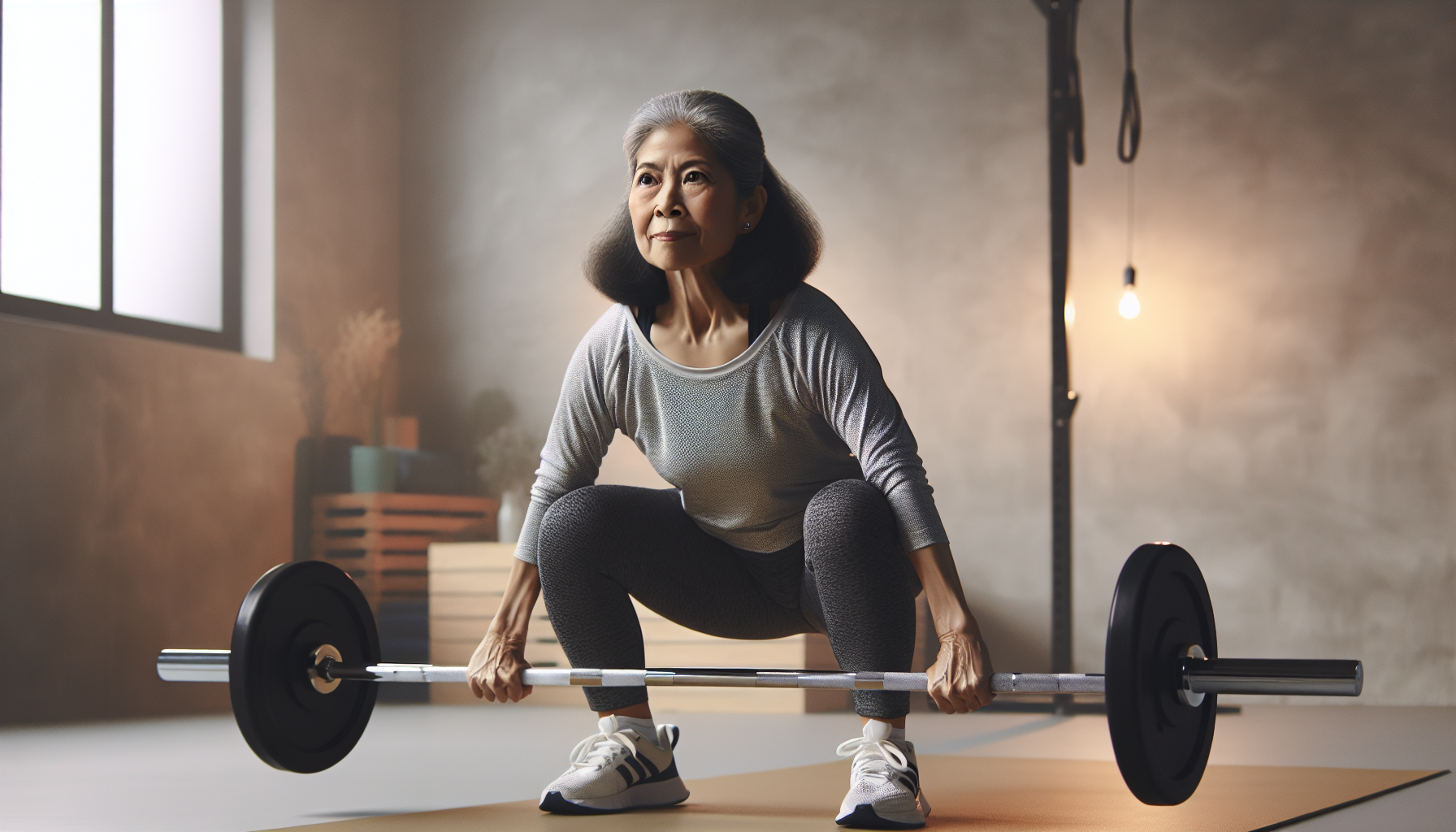
Women are often afraid to lift weights for fear they will look too “bulky”, but actually that’s not what happens.

Women can and should do weight lifting exercises if they want to shed body fat and achieve a toned physique. Strength training 30 to 40 minutes twice a week for 4 months, could increase an average woman’s resting metabolism by 100 calories a day, meaning you’ll be burning calories even when you’re not exercising.

Truth Bomb!

Twitter, that internet town hall that can be the best and worst place on the internet gave me this gem of a post today:

“Doing exercises to stretch and strengthen that core region is going to help prevent and treat low back pain.”

That’s it. That’s the post. Get strong and mobile.

Contact us for treatment in Winnipeg

Shoulder Impingement Syndrome

Shoulder Impingement Syndrome
Impingement syndrome
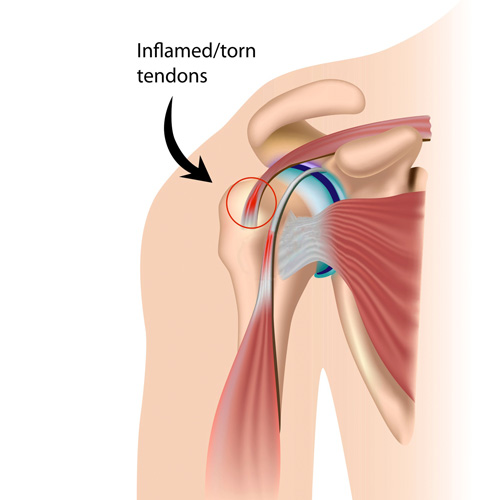
Impingement syndrome is an irritation of the structures between the upper portion of your arm and your shoulder blade mainly during overhead arm movements.The rotator cuff is comprised of four muscles that help position the humerus, your upper arm bone, into the shoulder socket during arm movement.The shoulder has great mobility but at the same time is prone to injury during falls or accident, or when there is a lack of motor control (altered biomechanics).Men over 40 performing manual labour are the most affected with this condition. It is also present in young athletes practicing sports involving repeated overhead motion such as swimming, baseball or tennis.

▬▬▬▬▬

Structures involved

The tendons of the rotator cuff, ligaments of your shoulder and subacromial bursa are the most commonly affected structures. The subacromial space gets smaller during overhead movements. This can cause, over time, irritation, inflammation and/or a lesion of the rotator cuff tendons.

page1image3462066528

▬▬▬▬▬

Signs & Symptoms that you may experience

Everyone will react differently after an injury and recovery will depend on the severity of it.

Impingement syndrome can cause but is not limited to, pain at the front of the shoulder and localized swelling. Pain or tightness is often felt when you lift your arm overhead or when you lower it from an elevated position. Pain can also be felt around your shoulder blade in your back.

Other early symptoms can include light pain with activities or during rest and in some cases, irradiating pain around your shoulder. In severe cases, you might feel pain at night and a loss of strength or range of motion. Impingement syndrome can lead to rotator cuff tendinitis or shoulder bursitis when left untreated.

▬▬▬▬▬

Recovery

Your rehabilitation plan, health, fitness & nutritional status will affect recovery speed. Most of the time, you can expect to recover fully from impingement syndrome. As a rule of thumb, this condition can take up to three months to fully recover.

▬▬▬▬▬▬▬▬▬▬▬▬▬▬▬▬▬▬▬▬▬▬▬▬▬▬▬▬▬▬▬▬▬▬▬▬▬▬▬▬▬▬▬▬▬▬▬▬▬
▬▬▬▬▬▬▬▬▬▬▬▬▬▬▬▬▬▬▬▬▬▬▬▬▬▬▬▬▬▬

▶ WHAT TO DO

Early Stage

Relative rest is a good way to protect your shoulder and prevent further damage, but it’s important to avoid overprotecting your injury. A few days rest where you avoid pain-inducing movement and activities might be necessary. A quick but progressive return to your activities of daily living, light cardiovascular exercise and specific range of motion and strengthening exercises will allow better recovery.

Rehabilitation

Follow your practitioner’s advice. It will help you manage the different phases of the recovery process and will increase the likelihood of successful rehabilitation. Your practitioner will assist you during your rehabilitation program in order to regain your normal range of motion, strength and endurance, optimal motor control and functional status.

As per the principles of rehabilitation for impingement syndrome, movement training through therapeutic exercises is an important part of functional recovery. A progressive exercise program performed over a few weeks period is pretty standard.

▶ WHAT TO AVOID

Don’t rely on passive treatment only. Each phase of the rehabilitation process is important. Patients that are actively involved in their treatment plan tend to recover faster. Keep in mind that pain is not always a good indicator of tissue damage. As soon as you feel better and the pain is well managed in collaboration with your therapist, you should reintroduce light strengthening exercises as tolerated.

Anterior Cruciate Ligament Sprain (ACL Sprain)

Photo by cottonbro on Pexels.com

Anterior Cruciate Ligament Sprain
Anterior cruciate ligament (ACL) sprain is a partial or complete stretch or tear of the ligament. This injury is relatively common among athletes and physical activity enthusiasts.It occurs mainly during a sudden pivot, a hyperextension movement of the knee, a jump or after a contact behind the leg. Movements that cause rapid twisting or hyperextension of the knee joint can lead to ACL injury.An audible creak may be heard at the time of injury and the knee may sometimes appear unstable.

▬▬▬▬▬

Structures involved

The anterior cruciate ligament is the main structure involved. The function of the ​anterior cruciate ligament is to stabilize the knee and prevent hyperextension. ACL sprains often occur in conjunction with other knee injuries such as torn m​ eniscus​, ​articular cartilage​ lesion​ o​ r ​collateral ligament​ injury.

▬▬▬▬▬

Signs & Symptoms that you may experience

Each person will react differently after an injury and recovery will depend on the severity of the injury. Sprained ACL can produce, but is not limited to,​ pain and swelling, often immediate, around the knee. The range of motion of the knee is often limited and the knee may be sensitive to touch.

▬▬▬▬▬

Recovery

Your rehabilitation plan, health profile, fitness level and nutritional status affect the recovery time. In most cases, you can expect full recovery from an ACL sprain. Typically, this injury can take a few months to fully recover.