Exercise: Elderly COPD Patients Benefit from Home-Based Rehabilitation with a Pedometer.

Exercise: Elderly COPD Patients Benefit from Home-Based Rehabilitation with a Pedometer.

A small-scale study found that older patients with chronic obstructive pulmonary disease (COPD) achieved greater improvements in physical function when they used a pedometer in conjunction with their home-based pulmonary rehabilitation. The researchers believe the pedometer helps to motivate patients to be more active when they have viewable feedback. Respiratory Medicine, January 2015

Optimizing Quality of Life: Importance of Preventing and Managing Knee and Back Pain

Chiropractic: Here’s Why Preventing and Managing Knee and Back Pain Is So Important…

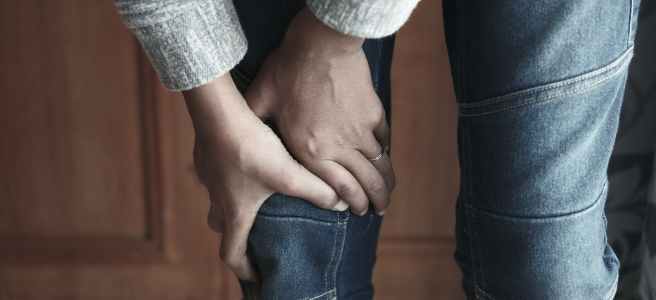
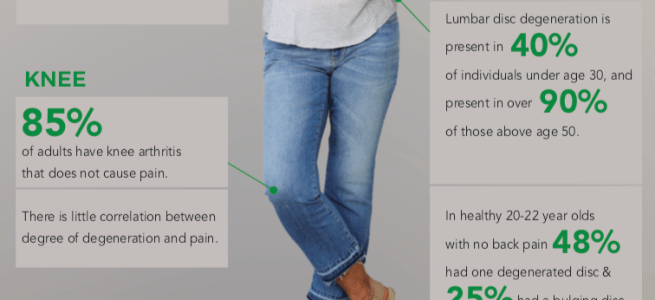
As individuals approach their later years, proactively managing and preventing knee and back pain emerges as a paramount priority for optimizing quality of life. A seminal study, featured in PM & R: The Journal of Injury, Function, and Rehabilitation in March 2015, underscores the profound impact of these musculoskeletal ailments on overall well-being, surpassing even the toll exacted by many chronic diseases.

Conducted among a cohort of nearly 3,000 men and women aged 50 and above, the research illuminates the stark reality that knee pain and back pain exert a disproportionately significant influence on quality of life. Participants grappling with these musculoskeletal afflictions reported a notable reduction in their overall well-being, surpassing the deleterious effects observed in individuals contending with various chronic diseases.

This revelation underscores the imperative for proactive measures to mitigate the onset and progression of knee and back pain, particularly as individuals age. By adopting a multifaceted approach encompassing lifestyle modifications, targeted exercises, and prudent self-care practices, individuals can fortify their musculoskeletal health and minimize the burden of pain and discomfort in later life.

Engaging in regular physical activity tailored to promote joint mobility, muscular strength, and flexibility constitutes a cornerstone of preventive efforts against knee and back pain. Furthermore, cultivating proper posture, implementing ergonomic adjustments in daily activities, and maintaining a healthy weight can alleviate undue stress on the joints and spine, reducing the risk of pain and injury.

Moreover, fostering a holistic approach to wellness that encompasses dietary interventions, stress management techniques, and adequate sleep hygiene can bolster resilience and enhance pain coping mechanisms. By nurturing physical, mental, and emotional well-being in tandem, individuals can fortify their defenses against the onset and progression of musculoskeletal ailments, safeguarding their quality of life well into their golden years.

In light of these findings, healthcare practitioners, policymakers, and individuals alike are urged to prioritize musculoskeletal health as a cornerstone of healthy aging. By fostering awareness, promoting early intervention, and facilitating access to evidence-based interventions, stakeholders can empower individuals to proactively manage and prevent knee and back pain, fostering a future characterized by vitality, mobility, and optimal well-being.

PM & R: The Journal of Injury, Function, and Rehabilitation, March 2015

Diet: Oatmeal for Breakfast = Fullness & Lower Calorie Intake at Lunch.

Diet: Oatmeal for Breakfast = Fullness & Lower Calorie Intake at Lunch.

Your breakfast choice may affect how full you feel during the rest of the morning and how much you eat for lunch. Scientists from the New York Obesity Nutrition Research Center at Mount Sinai St. Luke’s Hospital report that having oatmeal for breakfast results in greater fullness, less hunger, and fewer calories eaten during lunch compared with those eating a ready-to-eat cereal for breakfast. The researchers believe that the greater satiety effect of oatmeal cereal compared to sugared ready-to-eat cereal or water might be due to slower gastric emptying, as they found that oatmeal took longer to leave the stomach.

Annals of Nutrition and Metabolism, January 2015

Exercise: Make it Fun and Keep Going.

Exercise: Make it Fun and Keep Going.

When exercising, it is important to make your routine enjoyable and fun to help ensure that you keep exercising. The American Heart Association suggests the following: wear shoes that are comfortable and fit properly, wear clothing that is appropriate for weather conditions, start slow, stick to a consistent workout time, make expectations reasonable for your health and abilities, include fun activities with family and friends, track you progress, and reward yourself for success. American Heart Association, February 2015

Impact of High-Impact Training on Patellar Cartilage Quality

The paradigm surrounding high-impact training and its purported deleterious effects on articular cartilage has undergone a paradigm shift, courtesy of a groundbreaking study highlighted in Medicine & Science in Sports & Exercise in February 2015. Contrary to conventional wisdom, which posited that high-impact loading, particularly in the form of jumping exercises, could exacerbate knee osteoarthritis, the study’s findings illuminate a promising avenue for improving patellar cartilage quality in postmenopausal women.

Over the course of twelve months, participants in the study engaged in a meticulously supervised progressive high-impact exercise program encompassing a spectrum of dynamic movements, including jumping and versatile rapid movements. Astonishingly, far from precipitating deterioration, this regimen yielded tangible improvements in the quality of patellar cartilage among postmenopausal women with mild knee osteoarthritis.

The implications of these findings are profound, heralding a paradigm shift in the management of knee osteoarthritis and the promotion of musculoskeletal health in aging populations. Rather than shying away from high-impact loading exercises for fear of exacerbating joint degeneration, individuals—especially those grappling with mild knee osteoarthritis—are encouraged to embrace such activities as a means of preserving and enhancing their health and functional capacity.

By challenging preconceived notions and illuminating the therapeutic potential of high-impact training, this study paves the way for a more nuanced and evidence-based approach to exercise prescription in the context of musculoskeletal health. Moving forward, healthcare practitioners and fitness professionals alike are poised to leverage these insights to empower individuals to optimize their physical well-being and defy the constraints imposed by osteoarthritis, fostering a future marked by vitality, resilience, and mobility.

Preventing Heart Attacks and Strokes: The Impact of Hypertension Treatment

Wellness/Prevention: Blood Pressure Program Could Save Millions of Lives Globally.

Experts have sounded a clarion call for action in the battle against uncontrolled high blood pressure, asserting that treating just half of the individuals afflicted could avert a staggering 10 million heart attacks and strokes worldwide within the next decade. In a concerted effort to stem the tide of cardiovascular morbidity and mortality, the Centers for Disease Control and Prevention (CDC) and the Pan American Health Organization have launched a groundbreaking initiative known as the Global Standardized Hypertension Treatment Project.

This ambitious program aims to mobilize resources and expertise on a global scale, leveraging standardized protocols and best practices to optimize hypertension treatment outcomes across diverse populations. By streamlining approaches to diagnosis, medication adherence, and lifestyle modifications, the project seeks to empower individuals worldwide to take control of their blood pressure and mitigate their risk of premature death from cardiovascular disease.

Dr. Tom Frieden, director of the CDC, emphasizes the urgency of the endeavor, asserting that hypertension represents a formidable foe in the fight against cardiovascular disease. He underscores the imperative for swift and decisive action, stressing that the question is not whether treatment of hypertension should be undertaken on a global scale, but rather how rapidly and effectively effective programs can be established.

As the Lancet highlighted in February 2015, the launch of the Global Standardized Hypertension Treatment Project heralds a new chapter in the global health landscape, one marked by collaboration, innovation, and a shared commitment to saving lives. By uniting efforts on a global scale, stakeholders stand poised to achieve unprecedented gains in the prevention and control of hypertension, forging a path toward a healthier, more resilient future for generations to come.

Quote: “Anyone can hide. Facing up to things, working through them, that’s what makes you strong.” ~ Sarah Dessen

The Interplay of Pain and Mobility in Elderly Fall Risk

Chiropractic: Chronic Pain May Increase Fall Risk for Seniors!

The ramifications of falls among elderly individuals extend far beyond the physical injury itself, often encroaching upon independence and diminishing overall quality of life. Traditionally, impaired motor function has been pinpointed as a primary risk factor for falls among the elderly. However, a recent report published in Aging Clinical and Experimental Research in March 2015 has unveiled a startling revelation: older adults with ostensibly normal motor function are not immune to the perils of falls, particularly when grappling with chronic musculoskeletal pain across multiple body sites.

This finding challenges conventional wisdom and underscores the intricate interplay between pain and mobility in the context of fall risk among the elderly. Chronic musculoskeletal pain, pervasive among aging populations, introduces a formidable obstacle to mobility and stability, predisposing individuals to the hazards of falls despite outwardly intact motor function.

The implications of this report reverberate throughout the realms of geriatric healthcare and fall prevention. Healthcare providers must adopt a holistic approach to fall risk assessment, incorporating not only measures of motor function but also comprehensive evaluations of pain and musculoskeletal health. By identifying and addressing chronic pain as a modifiable risk factor, clinicians can mitigate the likelihood of falls and safeguard the independence and well-being of elderly patients.

Furthermore, this research underscores the imperative for multidisciplinary interventions aimed at enhancing mobility, managing pain, and fortifying musculoskeletal health among aging populations. Through targeted strategies encompassing physical therapy, pain management, and lifestyle modifications, healthcare professionals can empower older adults to navigate their golden years with confidence and vitality, minimizing the specter of falls and preserving their autonomy and quality of life.

Health Alert: Chemical Exposure May Drive Earlier Menopause in Women.

Health Alert: Chemical Exposure May Drive Earlier Menopause in Women.

Researchers have discovered that women exposed to high levels of certain chemicals found in household items, personal care products, plastics, and the environment typically begin to experience menopause two to four years earlier than women with less exposure to these chemicals (which include PCBs, pesticides, phthalates, and furan). Senior study author Dr. Amber Cooper adds, “Many of these chemical exposures are beyond our control because they are in the soil, water, and air. But we can educate ourselves about our day-to-day chemical exposures and become more aware of the plastics and other household products we use.” The research team recommends further research to determine how much exposure is needed to impact female health.

PLOS ONE, January 2015

Diet: Soda Consumption May Prompt Early Puberty in Girls.

Diet: Soda Consumption May Prompt Early Puberty in Girls.

Harvard researchers report that girls who consume a lot of sugary drinks may enter puberty earlier than girls who do not consume such beverages. The female participants in their study who drank more than 1.5 servings of sugary drinks per day began having periods 2.7 months earlier than those who drank two or less sugary drinks per week. Study author Dr. Jenny Carwile adds, “Starting periods early is a risk factor for depression during adolescence and breast cancer during adulthood. Thus, our findings have implications beyond just starting menstruation early.” While this study does prove that drinking sugary drinks causes early puberty, the researchers add that there is no good reason for anyone to drink sugar-sweetened drinks or sodas regularly at any age. Human Reproduction, January 2015

CranioSacral Technique is especially good at treating headaches.

Chiropractic: Abnormal Neck Posture Associated with Headache Risk.

Chiropractic: Abnormal Neck Posture Associated with Headache Risk.

After comparing neck x-rays of patients with cervicogenic headaches (or headaches originating from dysfunction in the neck) to neck x-rays of healthy controls, researchers found that just a 3-4° difference in cervical lordosis (curve) is associated with an 8% increased risk for developing this type of headache.


Physical Therapy, February 2015

For more health and wellness tips and information follow us or check out our blog at http://www.aberdeenchiropracticblog.com 

Photo by Andrea Piacquadio on Pexels.com