Midlife Fitness and Cancer Risk Reduction in Men: Key Findings

The correlation between midlife fitness and reduced cancer risk in men underscores the pivotal role of physical activity in promoting long-term health and longevity. Following treadmill testing involving nearly 14,000 men, researchers unveiled a compelling association between fitness levels and cancer incidence and mortality rates.

According to the findings, middle-aged men who exhibited higher levels of fitness experienced a significant reduction in the risk of developing lung and colon cancer later in life. Specifically, the most fit participants demonstrated a remarkable 50% lower risk of lung and colon cancer, as well as a 30% lower risk of death from these malignancies, compared to their less fit counterparts.

Lead researcher Dr. Susan Lakoski underscores the profound implications of these findings, highlighting the enduring benefits of midlife fitness in bolstering survival outcomes among men diagnosed with cancer. Notably, fit men diagnosed with prostate cancer exhibited a lower risk of mortality from both cancer and cardiovascular disease, underscoring the overarching importance of physical fitness in enhancing overall resilience and well-being.

These findings underscore the profound impact of midlife fitness on cancer prevention and survival outcomes, underscoring the imperative of prioritizing regular physical activity as a cornerstone of a healthy lifestyle. By embracing a proactive approach to fitness in midlife, men can significantly reduce their risk of developing lung and colon cancer and enhance their chances of survival in the face of a cancer diagnosis. Through sustained commitment to regular exercise and wellness, individuals can empower themselves to optimize their health and longevity well into their later years.

JAMA Oncology, March 2015

Alcohol Consumption and Weight Management: Key Factors in Liver Cancer Prevention

Recent research underscores the critical role of lifestyle factors, particularly alcohol consumption and weight management, in mitigating the risk of liver cancer. While the link between excessive alcohol intake and liver cancer risk is well-established, a comprehensive analysis of data from 8.2 million individuals has shed light on the additional risk posed by overweight or obesity.

Indeed, the findings reveal that individuals who consume three or more alcoholic drinks per day face elevated odds of developing liver cancer, highlighting the importance of moderation in alcohol consumption to safeguard liver health. Moreover, the study unveils a concerning association between excess body weight and heightened liver cancer risk, underscoring the imperative of weight management in cancer prevention efforts.

Excess adiposity, particularly visceral fat accumulation, is known to contribute to chronic inflammation, insulin resistance, and fatty liver disease, all of which predispose individuals to liver cancer development. By maintaining a healthy weight through a balanced diet and regular exercise, individuals can mitigate these risk factors and fortify their defenses against liver cancer.

These findings underscore the multifaceted nature of liver cancer prevention, emphasizing the need for comprehensive lifestyle modifications to safeguard liver health. From limiting alcohol consumption to achieving and maintaining a healthy weight, individuals can proactively reduce their risk of liver cancer and promote overall well-being. Through informed decision-making and proactive health management, individuals can empower themselves to take charge of their liver health and mitigate the impact of modifiable risk factors on cancer risk.

World Cancer Research Fund International, March 2015

Wellness/Prevention: Use of Media Devices Affect Teens’ Sleep Significantly.

Wellness/Prevention: Use of Media Devices Affect Teens’ Sleep Significantly.

A Norwegian study has found that if it takes more than an hour for a teenager to fall asleep, there is an almost 50% likelihood that they are spending more than four hours per day outside of school using electronic devices such as computers, TVs, smartphones, and MP3 players. The findings are of concern since the majority of teens in the United States report having at least one electronic device in their bedroom, and poor sleep has implications on school performance. The authors add, “The current recommendation is not to have a TV in the bedroom. It seems, however, that there may be other electronic devices exerting the same negative influence on sleep, such as PCs and mobile phones. The results confirm recommendations for restricting media use in general.” Scandinavian Journal of Public Health, November 2014

Diet: Healthy Diet & Nutrition Critical for Mental Health.

Diet: Healthy Diet & Nutrition Critical for Mental Health.

A new collaborative study adds to a growing body of evidence showing a relationship between both diet quality and potential nutritional deficiencies and mental health. Studies have shown that many nutrients have a clear influence on brain health including omega-3 fatty acids, B vitamins (particularly folate and B12), choline, iron, zinc, magnesium, S-adenosyl methionine (SAMe), vitamin D, and amino acids. Lead author Dr. Jerome Sarris writes, “While the determinants of mental health are complex, the emerging and compelling evidence for nutrition as a key factor in the high prevalence and incidence of mental disorders suggests that nutrition is as important to psychiatry as it is to cardiology, endocrinology, and gastroenterology.” The Lancet Psychiatry, January 2014

Health Alert: Lung Cancer Now the #1 Cancer Killer of Women in Wealthy Nations.

Health Alert: Lung Cancer Now the #1 Cancer Killer of Women in Wealthy Nations.

According to a new report, lung cancer has overtaken breast cancer as the leading killer of women in developed countries. Experts explain that an increase in female smokers in the 1970s is the likely explanation for the upsurge in lung cancer-related deaths among women in present day. On the other hand, early detection and improved treatments have led to a decline in breast cancer-related deaths in recent decades.

CA: A Cancer Journal for Clinicians, February 2015

Wellness/Prevention: Positive Emotions May Be Best Anti-Inflammatories.

Wellness/Prevention: Positive Emotions May Be Best Anti-Inflammatories.

University of California, Berkeley researchers have discovered a link between positive emotions and lower levels of inflammatory proteins that are knows to signal the immune system to work harder. The research team found that participants who experienced positive emotions had the lowest levels of the cytokine and interleukin 6, which are known markers of inflammation. Sustained high levels of cytokines are associated with conditions such as type-2 diabetes, heart disease, arthritis, Alzheimer’s disease, and clinical depression. Emotion, January 2015

Mental Attitude: Stress Reduces Our Ability to Deal with Pain.

Mental Attitude: Stress Reduces Our Ability to Deal with Pain.

Chronic stress can take a mental and physical toll on the body. A new study suggests that stress can affect our ability to withstand physical pain as well. Of the study’s 29 participants, those who experienced higher levels of psychological stress had a significantly lower ability to withstand pain than those with lower stress levels. Lead researcher Dr. Ruth Defrin explains, “Modern life exposes individuals to many, recurrent stressful situations. While there is no way to predict the type of stress we will feel under different circumstances, it is advisable to do everything in our power – adopt relaxation and stress reduction techniques as well as therapy – to reduce the amount of stress in our lives.” Pain, February 2015

Health Alert: Over 50 Million Non-Smokers in the US Are Still Exposed to Secondhand Smoke!

Health Alert: Over 50 Million Non-Smokers in the US Are Still Exposed to Secondhand Smoke!

While secondhand smoke (SHS) exposure was cut in half between 1999/2000 and 2011/2012, the Centers for Disease Control and Prevention (CDC) reports that 58 million non-smokers are still regularly exposed to secondhand smoke. Furthermore, the risk of secondhand smoke exposure is higher among minorities, those living below the poverty line, and those living in rental housing. Experts from the CDC add, “Each year exposure to SHS causes more than 41,000 deaths from lung cancer and heart disease among non-smoking adults and 400 deaths from Sudden Infant Death Syndrome, as well as about $5.6 billion annually in lost productivity.”

Centers for Disease Control and Prevention, February 2015

Boost Your Health and Fitness Goals: The Power of Support Networks

Maintaining motivation to reach health and fitness objectives is bolstered by a robust support network. The American Council on Exercise advises discussing goals with a partner or loved one, securing an accountability buddy for mutual encouragement, and engaging with a community of like-minded individuals dedicated to enhancing their well-being. These connections foster encouragement, accountability, and camaraderie, facilitating sustained commitment to personal health and fitness endeavors. The American Council on Exercise, March 2015

Unlocking Youthful Vitality: HIIT Workouts, Chiropractic Care, and Anti-Aging Secrets

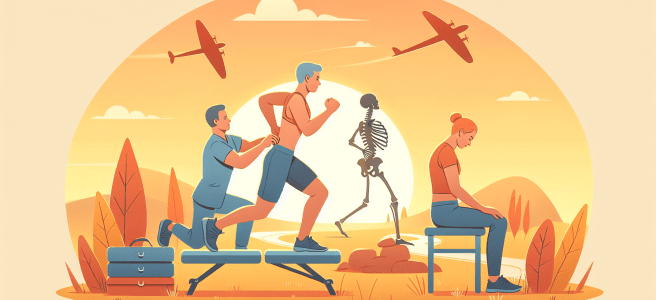
Are you searching for the secret to staying youthful and vibrant? The quest for the fountain of youth may not be as elusive as it seems. In fact, the solution might be closer than you think. Integrating regular exercise and chiropractic care into your lifestyle can form a powerful anti-aging program. Research increasingly supports the idea that a combination of high-intensity interval training (HIIT) and chiropractic adjustments can significantly enhance your overall well-being, reduce the effects of aging, and promote a youthful, energetic body.

Exercise has long been touted for its myriad health benefits, and its role in anti-aging is no exception. Regular physical activity has been shown to reduce inflammation, improve cardiovascular and respiratory health, decrease body fat, and boost energy levels. These benefits collectively contribute to a healthier and more youthful appearance. But recent studies suggest that the effects of exercise on aging go even deeper.

Researchers at the Mayo Clinic have conducted studies indicating that HIIT workouts, when performed three times a week, may reverse some of the biological signs of aging. HIIT, which involves short bursts of intense exercise followed by brief periods of rest or low-intensity exercise, has been found to improve mitochondrial function in muscle cells. This enhancement in mitochondrial activity is crucial because mitochondria, often referred to as the powerhouses of cells, play a vital role in energy production and cellular health. As we age, mitochondrial function tends to decline, leading to decreased energy levels and an increase in age-related ailments. However, engaging in HIIT can rejuvenate these cellular structures, effectively turning back the clock on a cellular level.

Incorporating chiropractic care into your anti-aging regimen can amplify these benefits. Chiropractic care focuses on the health of the spine and nervous system, which are integral to overall wellness. Misalignments in the spine, known as subluxations, can impede the nervous system’s ability to communicate effectively with the rest of the body. This can lead to a host of health issues, including chronic pain, decreased mobility, and a diminished ability to recover from physical stress—all of which can accelerate the aging process.

Regular chiropractic adjustments can help maintain proper spinal alignment, ensuring that the nervous system functions optimally. This can enhance your body’s natural healing processes, improve your posture, and increase your range of motion. By alleviating pain and improving physical function, chiropractic care enables you to engage more fully in physical activities, including HIIT workouts, thereby reinforcing the anti-aging benefits of exercise.

Moreover, chiropractic care has been shown to reduce inflammation, much like regular exercise. Chronic inflammation is a key contributor to the aging process and various age-related diseases. By addressing inflammation through both chiropractic adjustments and regular physical activity, you can significantly mitigate these risks and promote a healthier, more youthful body.

In addition to its physical benefits, the combination of exercise and chiropractic care can have profound effects on mental health. Regular physical activity is known to reduce stress, anxiety, and depression, while chiropractic care can help alleviate headaches and improve sleep quality. Together, these practices support a more balanced and resilient mental state, which is crucial for maintaining a youthful outlook on life.

In conclusion, the journey to the fountain of youth involves a holistic approach that includes both regular exercise and chiropractic care. By committing to a routine that features HIIT workouts three times a week and consistent chiropractic adjustments, you can enhance your physical health, reduce the signs of aging, and enjoy a more vibrant, energetic life. Embrace this comprehensive anti-aging program to unlock your full potential and maintain your youthfulness well into the future.