The Best Sleeping Position: Optimize Your Sleep for Better Health

Achieving a good night’s sleep is crucial for overall health and well-being. However, many people overlook the importance of their sleeping position, which can significantly impact the quality of sleep and overall health. In this blog post, we’ll explore the best sleeping positions and provide tips to optimize your sleep for better health. Let’s dive into the best sleeping position to enhance your sleep quality and ensure you wake up refreshed and pain-free.

Why Sleeping Position Matters

Your sleeping position plays a vital role in determining the quality of your sleep and your overall health. The right position can help reduce back and neck pain, prevent acid reflux, and minimize snoring. Conversely, a poor sleeping position can lead to discomfort, poor sleep quality, and long-term health issues.

The Best Sleeping Positions

Here are the top sleeping positions that promote optimal health:

1. Back Sleeping (Supine Position)

Pros:

  • Spinal Alignment: Sleeping on your back maintains the natural alignment of your head, neck, and spine.
  • Prevents Wrinkles: Reduces pressure on your face, helping prevent wrinkles.
  • Reduces Acid Reflux: Elevating your head with a pillow can prevent stomach acid from traveling back into the esophagus.

Cons:

  • Snoring and Sleep Apnea: Back sleeping can exacerbate snoring and obstructive sleep apnea in some individuals.

Tips for Back Sleepers:

  • Use a supportive pillow to keep your head slightly elevated.
  • Place a small pillow or rolled-up towel under your knees to maintain the natural curve of your spine.

2. Side Sleeping (Lateral Position)

Pros:

  • Reduces Snoring: Keeps airways open, reducing snoring.
  • Improves Digestion: Sleeping on the left side can aid digestion and reduce acid reflux.
  • Reduces Back Pain: Can alleviate pressure on the spine and reduce back pain.

Cons:

  • Shoulder Pain: Can cause shoulder pain if the shoulder is compressed for long periods.
  • Facial Wrinkles: Can lead to facial wrinkles due to pressure on one side of the face.

Tips for Side Sleepers:

  • Use a firm pillow to keep your head aligned with your spine.
  • Place a pillow between your knees to reduce strain on your hips and lower back.

3. Fetal Position

Pros:

  • Ideal for Pregnancy: Sleeping in the fetal position improves circulation for both the mother and fetus.
  • Reduces Snoring: Keeps airways open, reducing snoring.

Cons:

  • Joint Pain: Can cause joint pain and stiffness if curled up too tightly.
  • Restricted Breathing: Can restrict deep breathing if the body is too tightly curled.

Tips for Fetal Position Sleepers:

  • Keep your body relatively relaxed rather than tightly curled.
  • Use a pillow that supports your head and neck.

4. Stomach Sleeping (Prone Position)

Pros:

  • Reduces Snoring: Can help reduce snoring by keeping airways open.

Cons:

  • Neck and Back Pain: Can cause neck and back pain due to unnatural spine alignment.
  • Pressure on Internal Organs: Can exert pressure on internal organs, leading to discomfort.

Tips for Stomach Sleepers:

  • Use a thin pillow or no pillow to keep your head level with your spine.
  • Place a pillow under your pelvis to reduce lower back strain.

Optimizing Your Sleeping Environment

In addition to finding the best sleeping position, optimizing your sleeping environment is crucial for quality sleep:

  • Choose the Right Mattress: A medium-firm mattress provides the right balance of support and comfort for most sleeping positions.
  • Use Supportive Pillows: Choose pillows that support your head, neck, and spine alignment based on your preferred sleeping position.
  • Maintain a Cool, Dark Room: A cool, dark environment promotes better sleep by regulating your body temperature and reducing distractions.
  • Establish a Routine: Consistent sleep schedules and bedtime routines signal your body that it’s time to wind down and prepare for rest.

Conclusion

Finding the best sleeping position is essential for achieving high-quality sleep and maintaining overall health. While back sleeping, side sleeping, and the fetal position offer various benefits, the optimal choice depends on your individual health needs and comfort preferences. Additionally, optimizing your sleeping environment and maintaining a consistent sleep routine can further enhance your sleep quality. Prioritize your sleep position and environment to wake up feeling refreshed and ready to tackle the day.

Guyon’s canal syndrome

One of the conditions best suited to laser therapy

This syndrome corresponds to a compression or irritation of the ulnar nerve at the level of the Guyon’s canal, located on the anterior surface of the wrist towards the fifth finger.

This condition is usually the result of a direct trauma to the hand or following a prolonged compression of the hand, such as in cyclists or golfers. Also, Guyon’s canal syndrome can occur as a result of repeated grasping movements along hand movements. This problem can also occur following a sustained position with the wrist bent.

▬▬▬▬▬

Structures involved

In the wrist, the ulnar nerve passes directly between the pisohamate ligament, which connects two carpal bones together, and the fascia of the palmaris brevis muscle located in the palm of the hand. These two structures together form Guyon’s canal. In addition to the ulnar nerve, the canal also contains the deep branch of the ulnar artery. The syndrome usually occurs when, for one reason or another, the space in Guyon’s canal is reduced and the ulnar nerve is compressed.

▬▬▬▬▬

Signs & Symptoms that you may experience

Guyon’s canal syndrome can cause, but is not limited to, numbness, tingling and loss of sensation in the fifth finger and half of the fourth. Atrophy of the hand muscles may also occur. During the night, you may experience pain and numbness from prolonged bending of the wrist. Symptoms are also exacerbated during repetitive activities involving wrist movements or prolonged pressure on the hand.

▬▬▬▬▬

Recovery

Your rehabilitation plan, health profile, fitness level and nutritional status affect the recovery time. Most of the time, you should recover completely from Guyon’s canal syndrome. This condition may take a few months to fully recover.

▬▬▬▬▬▬▬▬▬▬▬▬▬▬▬▬▬▬▬▬▬▬▬▬▬▬▬▬▬▬▬▬▬▬▬▬▬▬▬▬▬▬▬▬▬▬▬▬▬▬▬▬▬▬▬▬▬▬▬▬▬▬▬▬▬▬▬▬▬▬▬▬▬▬▬▬▬▬▬▬

▶​ ​WHAT TO DO

Early Stage

Relative rest is a good way to protect your Guyon’s canal syndrome and prevent your injury from getting worse, but it is important to avoid over-protecting it. A few days of rest by reducing activities that cause pain may be necessary. A quick return to your daily activities, light cardiovascular exercise and specific mobility and strengthening exercises will allow for better recovery.

Rehabilitation

Follow your therapist’s advice. This will help you manage the various stages of the healing process and increase the odds of successful rehabilitation. Your therapist will accompany you during your rehabilitation program to restore your joint range of motion, muscle strength and endurance, flexibility and functional status.

▶ ​WHAT TO AVOID

Do not rely solely on a passive treatment approach. Each phase of the rehabilitation process is important. Patients who actively participate in their treatment plan tend to recover more quickly. As soon as you feel better and the pain is well under control, introduce, in collaboration with your therapist, mild strengthening exercises based on your tolerance.

Unlocking Peak Performance: The Benefits of Chiropractic Care for MMA Fighters

Photo by Bruno Bueno on Pexels.com

Mixed Martial Arts (MMA) is one of the most physically demanding sports, requiring a combination of strength, speed, flexibility, and endurance. Fighters subject their bodies to intense training regimes and rigorous competition, often leading to various physical strains and injuries. To maintain peak performance and longevity in the sport, many MMA athletes turn to chiropractic care. This holistic approach to health not only aids in injury prevention and recovery but also enhances overall athletic performance. Here’s how chiropractic care can be a game-changer for MMA fighters.

Enhancing Performance and Flexibility

Chiropractic care focuses on maintaining and improving the alignment and function of the musculoskeletal system, particularly the spine. For MMA fighters, optimal spinal alignment is crucial for performance. Proper alignment ensures that the nervous system operates efficiently, which can enhance reflexes, coordination, and overall physical performance. Regular chiropractic adjustments can also improve joint flexibility and range of motion, which are essential for executing precise techniques and avoiding injury during training and fights.

Injury Prevention and Recovery

MMA fighters are prone to a variety of injuries, including sprains, strains, dislocations, and fractures. Chiropractic care plays a significant role in both preventing and recovering from these injuries. By maintaining proper alignment and balance, chiropractic adjustments help distribute physical stress more evenly across the body, reducing the risk of overuse injuries. Additionally, chiropractors can identify and address minor misalignments and imbalances before they develop into more serious issues.

For injury recovery, chiropractic care can accelerate the healing process. Techniques such as spinal adjustments, soft tissue therapy, and rehabilitative exercises help reduce inflammation, improve circulation, and promote the body’s natural healing mechanisms. This holistic approach ensures that fighters can return to training and competition more quickly and with reduced risk of re-injury.

Pain Management

Pain management is another critical aspect where chiropractic care benefits MMA fighters. The physical demands of training and fighting can lead to chronic pain conditions, including back pain, neck pain, and headaches. Chiropractic adjustments can alleviate these pains by addressing their root causes, rather than merely masking the symptoms. By reducing nerve irritation and improving spinal function, chiropractic care provides long-term relief and helps fighters maintain their training schedules without being hindered by pain.

Mental Well-Being

The benefits of chiropractic care extend beyond the physical realm. Mental clarity and focus are paramount for MMA fighters, both in training and in the octagon. Pain and discomfort can be significant distractions, impairing concentration and decision-making. By alleviating pain and promoting overall well-being, chiropractic care can enhance mental focus and resilience. Moreover, regular chiropractic sessions can reduce stress and anxiety levels, contributing to better mental health and a more positive mindset.

Comprehensive Care at River East Chiropractic

At River East Chiropractic, we understand the unique needs of MMA fighters and offer a comprehensive range of services to support their health and performance. Our facility is equipped with a full gym, and our team includes chiropractors, acupuncturists, massage therapists, occupational therapists, and personal trainers. This multidisciplinary approach ensures that fighters receive well-rounded care tailored to their specific requirements.

  • Chiropractic Care: Our chiropractors specialize in sports-related injuries and performance enhancement, providing personalized adjustments and rehabilitation plans.
  • Acupuncture: This ancient practice can aid in pain relief, stress reduction, and overall wellness, complementing chiropractic care.
  • Massage Therapy: Regular massage sessions help relieve muscle tension, improve circulation, and enhance recovery.
  • Occupational Therapy: Our therapists work on improving functional movements and preventing injuries through targeted exercises.
  • Personal Training: Our trainers design customized workout programs that focus on strength, conditioning, and flexibility, essential for MMA fighters.

Conclusion

For MMA fighters aiming to reach their peak potential and extend their careers, chiropractic care is an invaluable resource. By addressing physical alignment, preventing injuries, managing pain, and promoting overall well-being, chiropractic care helps fighters stay at the top of their game. River East Chiropractic is dedicated to providing the comprehensive care that MMA fighters need to excel. Follow us on social media and visit our clinic to learn more about how we can support your journey to optimal performance and health.

Effective Shoulder Stability Training for Hockey Players: Injury Prevention & Performance Enhancement


Hockey is a dynamic and physically demanding sport that places significant stress on the entire body, particularly the shoulders. From powerful slap shots to intense physical checks, hockey players rely heavily on shoulder strength and stability. Given the sport’s physicality, shoulder injuries are common and can be debilitating. Incorporating shoulder stability training into a hockey player’s regimen is crucial for enhancing performance and preventing injuries. This blog post will explore the importance of shoulder stability training for hockey players and offer insights into effective exercises.

1. Injury Prevention

Shoulder injuries are prevalent in hockey due to frequent collisions, falls, and the repetitive motions involved in skating, shooting, and checking. Common injuries include dislocations, separations, rotator cuff tears, and labral tears. Shoulder stability training strengthens the muscles, tendons, and ligaments around the shoulder joint, making it more resilient to the stresses encountered during play. By improving shoulder stability, players can significantly reduce their risk of these injuries, ensuring they remain healthy and on the ice.

2. Enhanced Performance

A stable shoulder is essential for executing key hockey skills such as shooting, passing, and checking. The shoulder serves as a pivot point during these actions, and stability allows for more controlled and powerful movements. When shooting, for example, a stable shoulder enables players to generate more power and accuracy. Similarly, stability is crucial for effective stickhandling and delivering strong checks. By incorporating shoulder stability exercises into their training, hockey players can enhance their overall performance and effectiveness in the game.

3. Improved Upper Body Strength and Endurance

Hockey players rely on their upper body for various aspects of the game, including battling for the puck, maintaining balance, and executing powerful shots. Shoulder stability training enhances overall upper body strength and endurance. Strengthening the shoulder muscles, such as the deltoids, rotator cuff, and scapular stabilizers, contributes to better endurance, allowing players to perform at a high level throughout the game. Increased strength and endurance also help players withstand the physical demands and impacts of hockey.

4. Better Posture and Biomechanics

Proper posture and biomechanics are crucial for efficient and effective movement on the ice. Shoulder stability training helps improve posture by balancing the muscles around the shoulder joint and upper back. This balance reduces the risk of developing muscle imbalances that can lead to poor posture and associated injuries. Proper biomechanics enhance skating efficiency, shooting accuracy, and overall agility, providing players with a competitive edge.

5. Rehabilitation and Recovery

For hockey players recovering from shoulder injuries, stability training is a critical component of rehabilitation. Structured stability exercises help rebuild strength, restore range of motion, and improve proprioception (the body’s ability to sense its position and movement). This comprehensive approach to rehabilitation ensures that players not only recover fully but also return to the ice stronger and more resilient. Even for players without current injuries, incorporating stability exercises can aid in recovery from the general wear and tear of the season.

Key Shoulder Stability Exercises for Hockey Players

Incorporating shoulder stability exercises into a hockey training program is straightforward and highly effective. Here are some essential exercises:

  1. External and Internal Rotations: Using resistance bands or light weights, these exercises target the rotator cuff muscles, crucial for shoulder stability.
  2. Scapular Push-Ups: Focuses on the muscles that stabilize the shoulder blade, promoting better posture and shoulder mechanics.
  3. Shoulder Taps: A core and shoulder stability exercise that involves alternating taps to the opposite shoulder while in a plank position.
  4. Face Pulls: Using resistance bands or a cable machine, this exercise strengthens the upper back and shoulder stabilizers.
  5. Overhead Carries: Holding a weight overhead while walking challenges the shoulder stabilizers and improves overall shoulder endurance.

Shoulder stability training is a vital component of a hockey player’s fitness regimen. By focusing on injury prevention, enhancing performance, improving upper body strength and endurance, promoting better posture and biomechanics, and aiding in rehabilitation, shoulder stability exercises help players stay healthy and perform at their best.

At River East Chiropractic, we understand the unique demands of hockey and offer comprehensive services, including chiropractic care, acupuncture, massage therapy, and personal training, to help you achieve your goals. Our full gym is equipped with everything you need to incorporate shoulder stability training into your routine. Our experienced staff is dedicated to helping you become a stronger, faster, and more durable athlete. Whether you’re recovering from an injury or looking to enhance your performance, River East Chiropractic is here to support your journey every step of the way.

Essential Nutrient-Rich Foods: Fruits, Vegetables, Lean Meats, and More

Maintaining a healthy diet is crucial for overall well-being, and one of the key principles to remember is the importance of variety. A diverse diet ensures that you receive a wide range of nutrients necessary for the optimal functioning of your body. Incorporating a variety of fruits, vegetables, lean meats, fish, eggs, nuts, and whole grains into your meals can provide the balance and nutritional diversity needed for a healthy lifestyle.

Fruits and Vegetables: Nature’s Nutrient Powerhouses

Fruits and vegetables are essential components of a varied diet. They are rich in vitamins, minerals, antioxidants, and fiber, which support various bodily functions and help protect against chronic diseases. The more colorful your plate, the better. Each color group provides different phytonutrients:

  • Red fruits and vegetables like tomatoes, strawberries, and red peppers are high in antioxidants like lycopene and anthocyanins, which support heart health and reduce cancer risk.
  • Orange and yellow produce such as carrots, sweet potatoes, and oranges are packed with vitamins C and A, essential for immune function and vision.
  • Green vegetables like spinach, broccoli, and kale are rich in chlorophyll, fiber, and folate, promoting detoxification and cardiovascular health.
  • Blue and purple options like blueberries, eggplants, and plums contain anthocyanins and resveratrol, which support cognitive function and reduce inflammation.
  • White and brown produce such as garlic, onions, and mushrooms have compounds like allicin and selenium, which boost the immune system and have anti-inflammatory properties.

Lean Meats and Fish: Protein and Beyond

Lean meats and fish are excellent sources of high-quality protein, essential for muscle repair and growth, hormone production, and enzyme function. Including a variety of these protein sources ensures you get different amino acids and other nutrients:

  • Chicken and turkey are great sources of lean protein and B vitamins, supporting energy metabolism.
  • Fish, especially fatty fish like salmon, mackerel, and sardines, are rich in omega-3 fatty acids, which are vital for brain health and reducing inflammation.
  • Lean cuts of beef and pork provide iron and zinc, essential for oxygen transport and immune function.

Eggs and Nuts: Compact Nutritional Powerhouses

Eggs and nuts are versatile and nutrient-dense foods that can easily fit into any diet:

  • Eggs are an excellent source of complete protein, vitamins D and B12, and choline, which is crucial for brain health.
  • Nuts like almonds, walnuts, and cashews offer healthy fats, protein, fiber, and essential minerals like magnesium and potassium.

Whole Grains: Sustained Energy and Nutrients

Whole grains are another vital part of a varied diet. They provide sustained energy through complex carbohydrates and are rich in fiber, vitamins, and minerals:

  • Quinoa, brown rice, and oats are excellent sources of fiber, promoting digestive health and stable blood sugar levels.
  • Whole grain bread and pasta can help increase your intake of B vitamins and iron.

Creating a Colorful Plate

A colorful plate not only looks appealing but also signifies a range of nutrients. Aim to include a variety of colors in each meal to maximize the health benefits. For example:

  • Start your day with a smoothie made from spinach, blueberries, a banana, and a scoop of protein powder.
  • For lunch, enjoy a salad with mixed greens, cherry tomatoes, orange bell peppers, grilled chicken, and a sprinkle of nuts.
  • Dinner could be grilled salmon with a side of quinoa and steamed broccoli, carrots, and cauliflower.

Conclusion

Variety in your diet is essential for ensuring you receive all the necessary nutrients your body needs to function optimally. By incorporating a wide range of fruits, vegetables, lean meats and fish, eggs, nuts, and whole grains, you can create a colorful and nutrient-rich diet that supports overall health and well-being. Remember, a healthy diet is not just about eating the right foods but also about enjoying a diverse array of flavors and textures that make meals enjoyable and satisfying.

Managing Scapular Dyskinesis: Exercise, Posture, and Chiropractic Care

Your shoulder is composed of three bones: the scapula (shoulder blade), the clavicle (collar bone), and the humerus (upper arm bone). These bones come together to form a shallow ball-and-socket joint that relies heavily on the surrounding muscles for support. For your shoulder joint to remain healthy and stable, all the muscles must work in a coordinated manner. When the normal rhythm of your shoulder blade is disrupted, it creates abnormal strain on your shoulder and rotator cuff, a condition known as “scapular dyskinesis.” This dysfunction can crowd the area where your rotator cuff tendons reside, potentially causing painful pinching of the tendons or bursa each time you raise your arm. Many shoulder issues, including sprains, strains, tendinitis, bursitis, or rotator cuff irritation, can result from this often overlooked condition.

Scapular dyskinesis most commonly arises from weakness or imbalance in the muscles that control your shoulder blade. Other times, it can be caused by shoulder conditions such as prior fractures, arthritis, or instability. In about 5% of cases, irritation of the nerves that control the shoulder muscles is the underlying cause.

Despite its potential to cause various shoulder problems, scapular dyskinesis may initially go unnoticed. Studies show that up to 75% of healthy college athletes exhibit some form of abnormal shoulder blade movement. If left untreated, you may begin to experience pain near the top of your shoulder, which can sometimes radiate toward your neck or down your arm. Patients often report a tender spot on the front of their shoulder. Over time, these altered mechanics can lead to more serious issues, including rotator cuff injuries, shoulder instability, and arthritis.

Effective management of scapular dyskinesis involves a multifaceted approach, including consistent exercise, posture awareness, and chiropractic care. Exercises designed to strengthen and balance the shoulder muscles are crucial and must be performed regularly. Additionally, maintaining good posture and avoiding slouched positions can prevent aggravation of the condition.

Chiropractic care plays an important role in the treatment of scapular dyskinesis. Chiropractors are skilled in assessing and addressing musculoskeletal imbalances, including those affecting the shoulder. Through targeted adjustments and therapies, chiropractic care can help restore proper alignment and function to the shoulder blade and surrounding muscles. This approach not only alleviates pain but also prevents the development of further complications by ensuring that the shoulder joint moves correctly.

Chiropractors can also provide valuable guidance on exercises and stretches tailored to your specific needs, enhancing the effectiveness of your rehabilitation efforts. By addressing the root causes of scapular dyskinesis, chiropractic care can help you achieve better shoulder stability and overall joint health.

In summary, scapular dyskinesis is a common but often overlooked cause of shoulder problems. It results from muscle imbalances or weakness, previous injuries, or nerve irritation. Left untreated, it can lead to significant pain and further complications. Consistent exercise, good posture, and chiropractic care are essential components of an effective treatment plan. By incorporating these elements, you can manage scapular dyskinesis effectively, improve shoulder function, and prevent future issues.

Effective Treatment of Carpal Tunnel Syndrome: Chiropractic Care and Laser Therapy

Carpal tunnel syndrome (CTS) is a common condition resulting from the compression or irritation of the median nerve as it travels through the carpal tunnel—a U-shaped channel formed by the eight bones of your wrist. This condition affects 3-5% of the general population, with women being two to three times more likely to develop CTS than men. It typically occurs in adults aged 45-60 and can significantly impact daily activities.

Causes and Risk Factors

Carpal tunnel syndrome is often brought on by activities that involve prolonged wrist flexion and repetitive wrist movements, such as:

  • Keyboard use
  • Supermarket scanning
  • Carpentry
  • Assembly line work

Other factors that can exacerbate CTS include exposure to vibration or cold temperatures. The condition is more common in the dominant hand but frequently affects both hands. Certain health conditions and lifestyle factors increase the risk of developing CTS, including:

  • Diabetes
  • Thyroid disease
  • Rheumatoid arthritis
  • Alcoholism
  • Kidney disease
  • Being short or overweight
  • Fluid retention during pregnancy

Symptoms of Carpal Tunnel Syndrome

Symptoms of CTS often start gradually and may include:

  • Numbness and tingling: Typically felt on the palm side of the thumb, index, middle, and half of the ring finger.
  • Discomfort: This can extend towards the elbow and usually begins as nighttime discomfort or waking up with numb hands.
  • Aggravation by gripping activities: Activities like reading, driving, or painting can worsen the symptoms.
  • “Shaking out” the hands: Early symptoms may be temporarily relieved by shaking the hands.
  • Sensation of tightness or swelling: Although there may be no visible swelling.
  • Hand weakness: In more severe cases, muscle weakness can develop.

CTS can also be part of “double crush syndrome,” where compression of the median nerve in the carpal tunnel is accompanied by compression at another site, such as the spine or muscles in the neck, shoulder, or forearm.

Chiropractic Care and Laser Therapy: Keys to Successful Treatment

1. Chiropractic Care:

Chiropractic adjustments are highly effective in treating carpal tunnel syndrome. Chiropractors can use specific manipulative techniques to alleviate the compression on the median nerve, thereby reducing pain and improving function. These adjustments not only address the wrist but also focus on the entire kinetic chain, including the neck, shoulder, and spine, which can contribute to the symptoms.

  • Alignment Restoration: By realigning the wrist and surrounding joints, chiropractic care helps relieve nerve pressure and enhance mobility.
  • Soft Tissue Therapy: Techniques like myofascial release can reduce muscle tightness and improve blood flow.
  • Ergonomic Advice: Chiropractors often provide guidance on posture and ergonomics to prevent further aggravation of CTS.

2. Laser Therapy:

Laser therapy is an innovative, non-invasive treatment that complements chiropractic care in managing carpal tunnel syndrome. It uses specific wavelengths of light to penetrate the skin and tissues, promoting healing and reducing inflammation.

  • Pain Reduction: Laser therapy helps decrease pain levels by reducing inflammation and promoting tissue repair.
  • Improved Nerve Function: By stimulating cellular activity, laser therapy can enhance nerve function and accelerate healing.
  • Non-Invasive: This treatment is painless and involves no downtime, making it an excellent option for those seeking non-surgical solutions.

Preventative Measures and Additional Treatments

  • Activity Modification: Avoid repetitive wrist flexion activities, such as push-ups and gripping handlebars on a bicycle, to prevent further irritation.
  • Splinting: A special wrist splint that holds your wrist in a neutral or slightly extended position can help alleviate nighttime symptoms.
  • Conservative Care: The American Academy of Neurology recommends conservative treatments like chiropractic care and laser therapy before considering surgical alternatives.

Conclusion

If left untreated, carpal tunnel syndrome can lead to permanent nerve damage. Early intervention with chiropractic care and laser therapy can effectively relieve symptoms and prevent long-term complications. If you’re experiencing symptoms of CTS, don’t wait—seek treatment and start your journey to recovery. Share your experiences or ask questions in the comments below. Let’s work together to keep our hands healthy and pain-free!

Managing Hip Arthritis: Causes, Symptoms, and Effective Treatments

Hip arthritis is a common condition that affects up to one-third of the population, particularly as we age. The likelihood of developing osteoarthritis (OA) increases with age and is often partially inherited. Factors such as being overweight and experiencing repetitive injury from occupations or sports that require prolonged standing or heavy physical exertion can also contribute to the development of hip arthritis.

Symptoms of Hip Arthritis

One of the early signs of hip osteoarthritis is prolonged stiffness, especially upon arising in the morning or after periods of inactivity. You might find it difficult to perform simple tasks such as putting on your socks, shaving your legs, or climbing stairs. Common symptoms include:

  • Groin, thigh, and buttock pain: Pain in these areas is typical and can sometimes radiate into the lower leg.
  • Stiffness: Particularly noticeable in the morning or after sitting for long periods.
  • Cracking and popping: You might hear or feel your hip cracking or popping when you move.
  • Reduced range of motion: Difficulty in moving the hip, such as rotating it internally (pigeon-toed movements).

Diagnosing Hip Arthritis

Diagnosing hip arthritis can be challenging, as the symptoms often overlap with lower back problems that also cause hip pain. To determine the extent of arthritis, doctors typically use X-rays, grading the severity from 1 to 4.

Treatment Options for Hip Arthritis

While arthritis cannot be cured, several treatment options can help relieve symptoms and improve quality of life:

1. Exercise and Physical Therapy: Engaging in regular exercise, especially water-based programs like water aerobics, can help manage symptoms. Physical therapy modalities, including specific stretches and manipulations of the hip, have been shown to be effective in alleviating pain and improving mobility.

2. Chiropractic Adjustments: Chiropractic care is an excellent treatment option for relieving the symptoms of hip arthritis. Chiropractors can use adjustments and manipulative techniques to improve hip joint function, reduce pain, and enhance overall mobility. Chiropractic treatments focus on restoring proper alignment and can provide significant relief from the discomfort associated with hip arthritis.

3. Lifestyle Modifications: Your doctor may recommend avoiding activities that aggravate your hip pain, particularly those involving internal rotation of the hip. Maintaining a healthy weight is crucial to reducing stress on the hip joint. Learning home stretching and strengthening exercises can also aid in recovery and symptom management.

4. Supplements: Some arthritis sufferers find relief by taking 1500 mg of glucosamine and chondroitin daily, which can help reduce inflammation and improve joint health.

5. Assistive Devices: In more severe cases, using a cane (in the opposite hand) can help take weight off the arthritic hip, making walking less painful.

6. Medical Interventions: If conservative treatments fail to relieve your pain, your doctor might refer you to an orthopedic hip specialist to discuss the possibility of joint replacement surgery.

Final Thoughts

While hip arthritis can significantly impact your quality of life, various treatment options, including chiropractic care, exercise, lifestyle modifications, and medical interventions, can help manage symptoms and improve mobility. Early diagnosis and proactive management are key to living well with hip arthritis.

Have you experienced hip arthritis? Share your story in the comments below and let us know what treatments have worked for you, especially if you’ve found relief through chiropractic care. Stay informed and take proactive steps to keep your hips healthy and pain-free!

Understanding Neck Sprains and Strains: Causes and Symptoms

Your cervical spine, or neck, is made up of seven bones stacked on top of each other with a shock-absorbing disc between each level. Your neck is relatively flexible so it relies on muscles and ligaments for support. “Sprains” and “strains” are the result of these tissues being stretched too hard or too far, much like a rope that frays when it is stretched beyond its normal capacity.

Auto accidents and sports injuries are the leading causes of neck sprains and strains. Other less traumatic activities like reaching, pushing, pulling, moving heavy objects and falls can also trigger these problems. Most commonly, sprains and strains are not the result of any single event but rather from repeated overloading. Tendons and ligaments generally manage small isolated stressors quite well, but repetitive challenges lead to injury in much the same way that constantly bending a piece of copper wire will cause it to break.

Symptoms from a sprain/strain may begin abruptly but more commonly develop gradually. Complaints often include dull neck pain that becomes sharper when you move your head. Rest may relieve your symptoms but often leads to stiffness. The pain is generally centered in the back of your neck but can spread to your shoulders or between your shoulder blades. Tension headaches commonly accompany neck injuries.

Sprain/strain injuries cause your normal healthy elastic tissue to be replaced with less elastic “scar tissue”. This process can lead to ongoing pain and even arthritis. Seeking early and appropriate treatment, like the type provided in our office, is critical. Depending upon the severity of your injury, you may need to limit your activity for awhile- especially movements or activities that cause pain. Avoid heavy lifting and take frequent breaks from prolonged activity, particularly overhead activity. Following acute injuries, you can apply ice for 10-15 minutes each hour. Heat may be helpful after several days or for more chronic types of pain. http://ow.ly/i/uSftb

The Importance of Resistance Training for Seniors: Building Strength and Independence

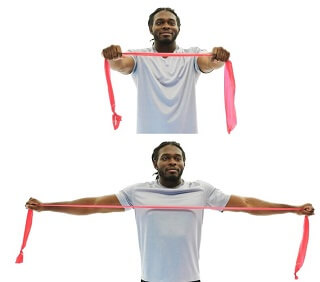
Hey there, seniors! Let’s talk about resistance training – you know, pumping some iron, lifting weights, or using resistance bands. Now, I know what you might be thinking: “Isn’t that just for bodybuilders and young gym buffs?” Well, think again! Resistance training is actually super important for seniors too, and here’s why:

First off, let’s address the elephant in the room: muscle loss. As we age, our muscles tend to shrink and weaken, a process called sarcopenia. It’s like our muscles are saying, “Hey, I’m retiring early!” But here’s the thing – resistance training can help combat this muscle loss. By lifting weights or using resistance bands, seniors can build and maintain muscle mass, keeping them strong and functional well into their golden years.

And speaking of functionality, let’s talk about everyday activities. Whether it’s carrying groceries, climbing stairs, or even just getting out of a chair, these tasks require strength and stability. Resistance training helps improve both, making it easier to tackle daily activities with confidence and ease.

But wait, there’s more! Resistance training isn’t just about muscles – it’s also great for bones. As we age, our bones can become weaker and more prone to fractures. But resistance training puts stress on the bones, which actually helps strengthen them over time. So not only will you be flexing those muscles, but you’ll also be giving your bones a workout too!

Now, let’s address the elephant in the room: fear of injury. I get it – the idea of lifting weights or using resistance bands might seem daunting, especially if you’re not used to it. But here’s the good news: resistance training can be tailored to your fitness level and abilities. You don’t need to be pumping massive weights or doing crazy exercises. Start slow, use light weights or resistance bands, and gradually increase the intensity as you get stronger. And always remember to listen to your body – if something doesn’t feel right, don’t push it.

So, seniors, let’s make resistance training a priority in our fitness routines. Not only will it help us stay strong, functional, and independent, but it’ll also keep us feeling young at heart. So grab those weights, strap on those resistance bands, and let’s show the world that age is just a number – and we’re not letting it slow us down!