Diet: Oatmeal for Breakfast = Fullness & Lower Calorie Intake at Lunch.

Diet: Oatmeal for Breakfast = Fullness & Lower Calorie Intake at Lunch.

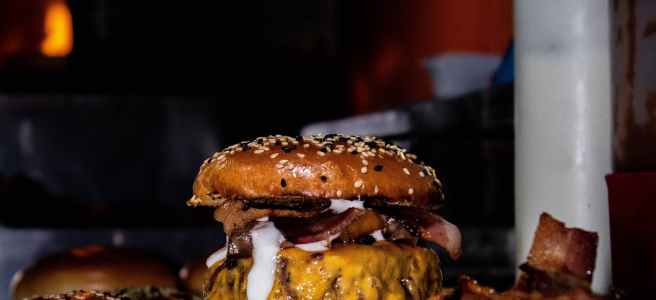
Your breakfast choice may affect how full you feel during the rest of the morning and how much you eat for lunch. Scientists from the New York Obesity Nutrition Research Center at Mount Sinai St. Luke’s Hospital report that having oatmeal for breakfast results in greater fullness, less hunger, and fewer calories eaten during lunch compared with those eating a ready-to-eat cereal for breakfast. The researchers believe that the greater satiety effect of oatmeal cereal compared to sugared ready-to-eat cereal or water might be due to slower gastric emptying, as they found that oatmeal took longer to leave the stomach.

Annals of Nutrition and Metabolism, January 2015

Daily Affirmation

🌟 Need a boost of positivity and mental wellness today? Join me for a daily dose of affirmations and meditation to nurture your mind and soul! ☀️ Let’s cultivate self-love, confidence, and gratitude together while also prioritizing our mental health. Remember, you’re amazing and capable of anything you set your mind to! 💪 #DailyAffirmations #MentalWellness #PositiveVibes #SelfLove #Meditation #Motivation #Empowerment #Happiness #Gratitude #BelieveInYourself #Positivity #SelfCare #Inspiration #YouAreEnough #ConfidenceBoost #AffirmationNation #StayPositive #InnerStrength #Mindset #TikTokAffirmations #Wellness #GoodVibesOnly

Wellness/Prevention: Preventing Second Hip Fractures.

Wellness/Prevention: Preventing Second Hip Fractures.

After analyzing long-term data on nearly 40,000 first-time hip fracture patients, University of British Columbia researchers found that roughly 8% will experience a second hip fracture in the decade following their first hip injury. In light of this finding, they recommend that secondary hip fracture prevention interventions should continue beyond just the early post-fracture period. Bone, February 2015

Daily Affirmation

🌟 Need a boost of positivity and mental wellness today? Join me for a daily dose of affirmations and meditation to nurture your mind and soul! ☀️ Let’s cultivate self-love, confidence, and gratitude together while also prioritizing our mental health. Remember, you’re amazing and capable of anything you set your mind to! 💪 #DailyAffirmations #MentalWellness #PositiveVibes #SelfLove #Meditation #Motivation #Empowerment #Happiness #Gratitude #BelieveInYourself #Positivity #SelfCare #Inspiration #YouAreEnough #ConfidenceBoost #AffirmationNation #StayPositive #InnerStrength #Mindset #TikTokAffirmations #Wellness #GoodVibesOnly

Exercise: Make it Fun and Keep Going.

Exercise: Make it Fun and Keep Going.

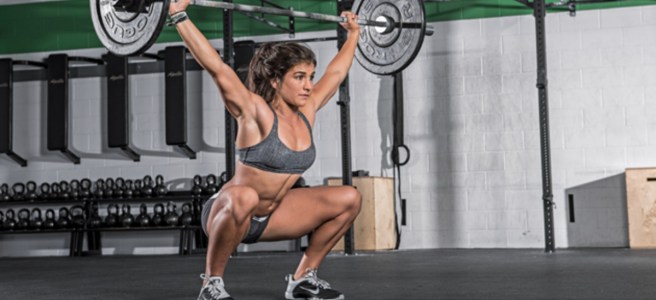
When exercising, it is important to make your routine enjoyable and fun to help ensure that you keep exercising. The American Heart Association suggests the following: wear shoes that are comfortable and fit properly, wear clothing that is appropriate for weather conditions, start slow, stick to a consistent workout time, make expectations reasonable for your health and abilities, include fun activities with family and friends, track you progress, and reward yourself for success. American Heart Association, February 2015

Daily Affirmation

🌟 Need a boost of positivity and mental wellness today? Join me for a daily dose of affirmations and meditation to nurture your mind and soul! ☀️ Let’s cultivate self-love, confidence, and gratitude together while also prioritizing our mental health. Remember, you’re amazing and capable of anything you set your mind to! 💪 #DailyAffirmations #MentalWellness #PositiveVibes #SelfLove #Meditation #Motivation #Empowerment #Happiness #Gratitude #BelieveInYourself #Positivity #SelfCare #Inspiration #YouAreEnough #ConfidenceBoost #AffirmationNation #StayPositive #InnerStrength #Mindset #TikTokAffirmations #Wellness #GoodVibesOnly

Impact of High-Impact Training on Patellar Cartilage Quality

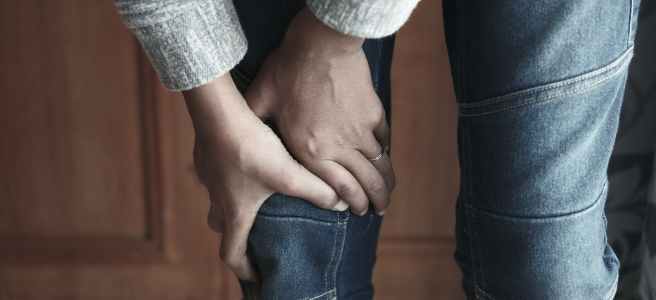
The paradigm surrounding high-impact training and its purported deleterious effects on articular cartilage has undergone a paradigm shift, courtesy of a groundbreaking study highlighted in Medicine & Science in Sports & Exercise in February 2015. Contrary to conventional wisdom, which posited that high-impact loading, particularly in the form of jumping exercises, could exacerbate knee osteoarthritis, the study’s findings illuminate a promising avenue for improving patellar cartilage quality in postmenopausal women.

Over the course of twelve months, participants in the study engaged in a meticulously supervised progressive high-impact exercise program encompassing a spectrum of dynamic movements, including jumping and versatile rapid movements. Astonishingly, far from precipitating deterioration, this regimen yielded tangible improvements in the quality of patellar cartilage among postmenopausal women with mild knee osteoarthritis.

The implications of these findings are profound, heralding a paradigm shift in the management of knee osteoarthritis and the promotion of musculoskeletal health in aging populations. Rather than shying away from high-impact loading exercises for fear of exacerbating joint degeneration, individuals—especially those grappling with mild knee osteoarthritis—are encouraged to embrace such activities as a means of preserving and enhancing their health and functional capacity.

By challenging preconceived notions and illuminating the therapeutic potential of high-impact training, this study paves the way for a more nuanced and evidence-based approach to exercise prescription in the context of musculoskeletal health. Moving forward, healthcare practitioners and fitness professionals alike are poised to leverage these insights to empower individuals to optimize their physical well-being and defy the constraints imposed by osteoarthritis, fostering a future marked by vitality, resilience, and mobility.

Diet: Healthy Diet May Lower Risk of COPD.

Diet: Healthy Diet May Lower Risk of COPD.

New research suggests that a diet low in red meat and rich in whole grains may reduce the risk of developing a chronic lung disease known as chronic obstructive pulmonary disease (COPD). Researchers tracked over 120,000 individuals and found that healthy eaters were one-third less likely to develop COPD when compared with regular consumers of red meat, refined grains, sugary drinks, and alcohol. The findings reveal that good eating habits appear to lower COPD risk for both smokers and nonsmokers alike. British Medical Journal, February 2015

Daily Affirmation

🌟 Need a boost of positivity and mental wellness today? Join me for a daily dose of affirmations and meditation to nurture your mind and soul! ☀️ Let’s cultivate self-love, confidence, and gratitude together while also prioritizing our mental health. Remember, you’re amazing and capable of anything you set your mind to! 💪 #DailyAffirmations #MentalWellness #PositiveVibes #SelfLove #Meditation #Motivation #Empowerment #Happiness #Gratitude #BelieveInYourself #Positivity #SelfCare #Inspiration #YouAreEnough #ConfidenceBoost #AffirmationNation #StayPositive #InnerStrength #Mindset #TikTokAffirmations #Wellness #GoodVibesOnly

Neck Pain Risk: The Influence of Exercise-Induced Fatigue on Proprioception

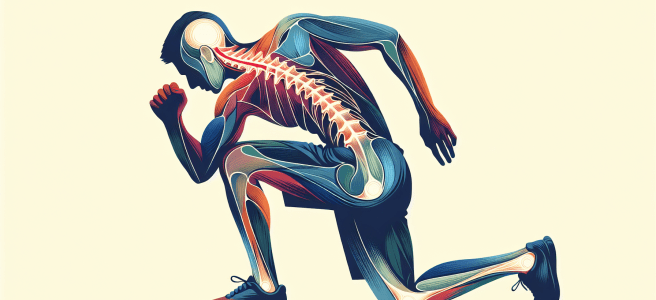
Chiropractic: Fatigue Is a Risk Factor for Neck Pain.

The intricate relationship between exercise-induced fatigue and neck proprioception, as elucidated in a study featured in Ortopedia, Traumatologia, Rehabilitacja in February 2015, sheds light on the multifaceted interplay between physical exertion and musculoskeletal health in healthy young adults.

Exercise-induced general fatigue, a common phenomenon experienced during and after vigorous physical activity, has been found to exert discernible effects on neck proprioception. Proprioception, the body’s innate ability to perceive the position and movement of its various body parts in space, plays a pivotal role in maintaining balance, stability, and postural alignment.

The study reveals that even subtle alterations in neck proprioception induced by exercise-induced fatigue can disrupt the delicate equilibrium of body stability and posture. This disruption may manifest as increased strain and tension in the head, neck, and shoulders, potentially predisposing individuals to neck pain and musculoskeletal discomfort.

By compromising the body’s ability to accurately perceive and adjust to changes in position and movement, reduced neck proprioception may place added stress on the cervical spine and surrounding musculature, exacerbating the risk of strain, injury, and pain.

These findings underscore the importance of integrating targeted interventions to enhance neck proprioception into exercise regimens, particularly among young adults engaged in vigorous physical activity. By incorporating exercises aimed at improving proprioceptive awareness, balance, and postural control, individuals can mitigate the adverse effects of exercise-induced fatigue on neck health, promoting optimal musculoskeletal function and well-being.

Moreover, these insights underscore the need for further research to elucidate the mechanisms underlying the relationship between exercise-induced fatigue, proprioception, and neck pain, paving the way for more effective preventive strategies and rehabilitative interventions in the realm of musculoskeletal rehabilitation.