Diet: Healthy Diet & Nutrition Critical for Mental Health.

Diet: Healthy Diet & Nutrition Critical for Mental Health.

A new collaborative study adds to a growing body of evidence showing a relationship between both diet quality and potential nutritional deficiencies and mental health. Studies have shown that many nutrients have a clear influence on brain health including omega-3 fatty acids, B vitamins (particularly folate and B12), choline, iron, zinc, magnesium, S-adenosyl methionine (SAMe), vitamin D, and amino acids. Lead author Dr. Jerome Sarris writes, “While the determinants of mental health are complex, the emerging and compelling evidence for nutrition as a key factor in the high prevalence and incidence of mental disorders suggests that nutrition is as important to psychiatry as it is to cardiology, endocrinology, and gastroenterology.” The Lancet Psychiatry, January 2014

The Impact of Lifelong Exercise on Senior Mobility | Rush University Study

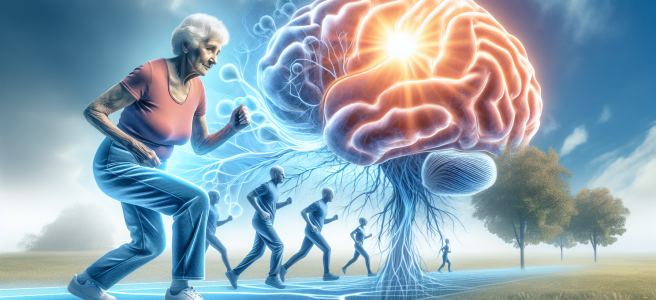
Exercise: Exercise’s Effect on the Brain Could Improve Mobility as We Age.

The findings of a small-scale study conducted at Rush University Medical Center in Chicago underscore the profound impact of lifelong physical activity on preserving mobility and staving off age-related movement problems. Analyzing a cohort of 167 seniors, researchers observed a striking disparity in mobility scores between individuals with a history of regular physical exercise and their sedentary counterparts.

Despite the inevitable cognitive decline often associated with aging, participants who remained active throughout their adult years exhibited significantly higher mobility scores than those who led predominantly sedentary lifestyles. This resilience in maintaining mobility, even in the face of neurological changes, highlights the enduring benefits of regular physical activity in promoting musculoskeletal health and functional independence.

These findings reinforce the imperative of incorporating physical activity into daily routines from early adulthood onwards, laying the foundation for sustained mobility and vitality in later life. By prioritizing regular exercise as a non-negotiable component of a balanced lifestyle, individuals can mitigate the risk of age-related movement difficulties and enjoy a higher quality of life well into their senior years.

Neurology, March 2015

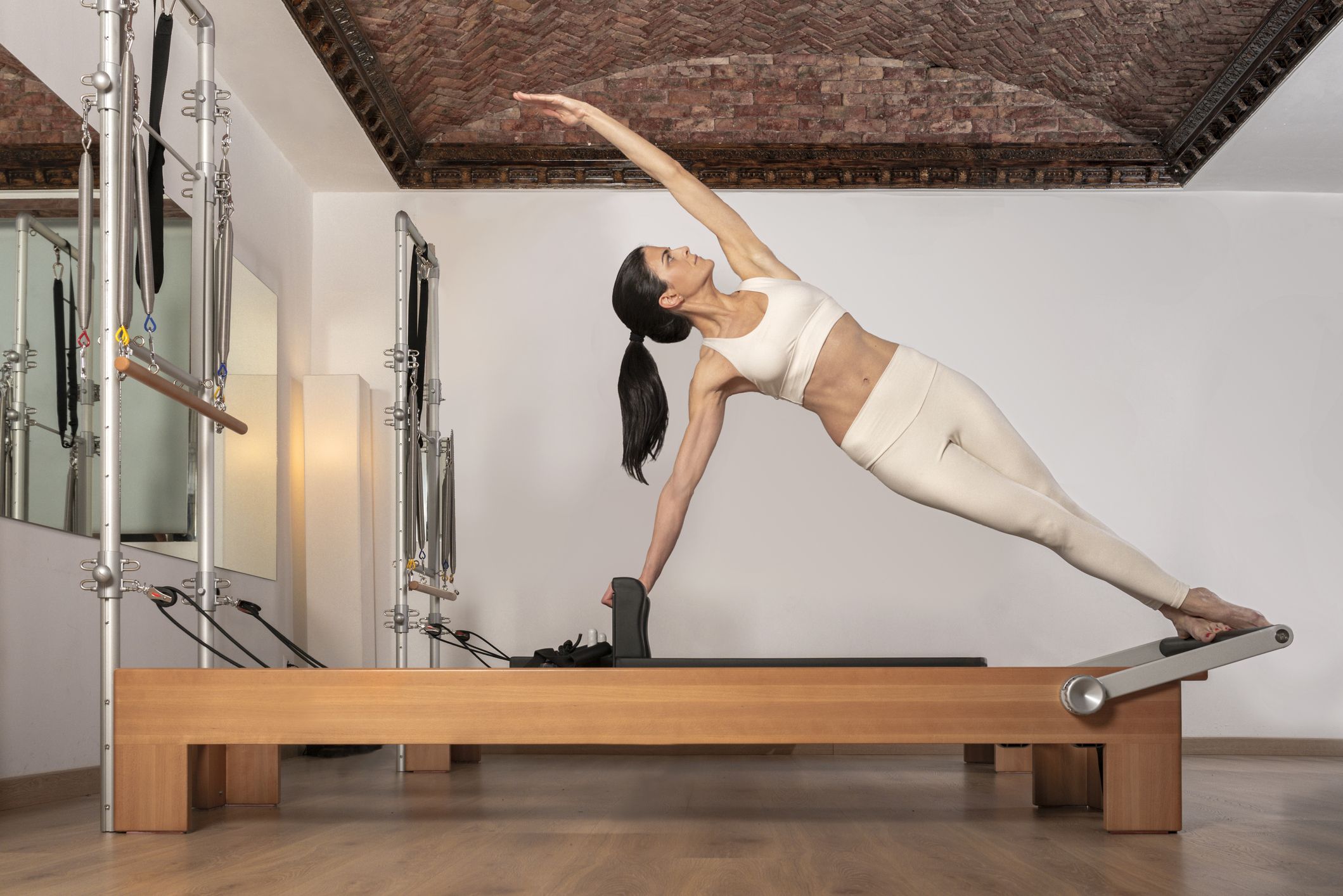
Improve Posture and Spinal Health with Pilates | Benefits Explained

In today’s digital age, many of us spend hours hunched over computers, slouched on couches, or scrolling through smartphones. These habits can take a toll on our posture, leading to muscle imbalances, spinal misalignment, and chronic pain. Fortunately, Pilates offers a highly effective solution for improving posture and strengthening the core muscles that support proper alignment. In this article, we’ll explore how Pilates can help you achieve better posture and enhance overall spinal health.

Understanding Posture and Its Importance

Posture refers to the alignment of your body parts in relation to one another while sitting, standing, or moving. Good posture involves maintaining the natural curves of the spine, balancing the body’s weight evenly, and avoiding excessive strain on muscles and joints. Poor posture, on the other hand, can lead to a host of problems, including back pain, neck pain, headaches, and decreased mobility.

The Role of Core Strength in Posture

Your core muscles, which include the muscles of the abdomen, lower back, pelvis, and hips, play a crucial role in supporting your spine and maintaining proper posture. Weakness or imbalance in these muscles can contribute to poor posture and increase the risk of injury. Pilates focuses on strengthening the core muscles, improving stability, and promoting better alignment, making it an ideal form of exercise for posture correction.

Benefits of Pilates for Posture Improvement

  1. Core Strengthening: Pilates exercises target the deep abdominal muscles, obliques, and back muscles, helping to strengthen and stabilize the core. A strong core provides a solid foundation for good posture and helps prevent slouching and rounding of the spine.
  2. Spinal Alignment: Pilates emphasizes spinal articulation and alignment, teaching you to lengthen the spine, stack the vertebrae, and maintain a neutral pelvis. Through controlled movements and mindful awareness, Pilates helps correct postural deviations and promote a more upright and balanced posture.
  3. Muscle Flexibility: In addition to strengthening the core muscles, Pilates also improves flexibility and mobility in the spine, hips, and shoulders. Increased flexibility allows for greater range of motion and reduces stiffness and tension that can contribute to poor posture.
  4. Body Awareness: Pilates promotes body awareness and mindfulness, encouraging you to pay attention to your alignment, movement patterns, and muscle engagement. By becoming more conscious of how you hold yourself and move, you can make adjustments to improve posture both during Pilates sessions and in everyday life.
  5. Postural Correction: Over time, consistent practice of Pilates can help retrain your body to adopt healthier movement habits and postural alignment. By strengthening weak muscles, releasing tight muscles, and improving overall body mechanics, Pilates contributes to long-term postural correction and spinal health.

Incorporating Pilates Into Your Routine

Whether you’re a beginner or experienced practitioner, Pilates offers a variety of exercises and modifications to suit your fitness level and goals. Consider incorporating Pilates into your weekly routine, either through group classes, private sessions, or online workouts. With regular practice and proper guidance from a certified Pilates instructor, you can reap the benefits of improved posture, core strength, and spinal health that Pilates has to offer.

In conclusion, Pilates is a powerful tool for enhancing posture, strengthening the core, and promoting overall spinal health. By addressing the root causes of poor posture and providing targeted exercises to correct imbalances, Pilates empowers you to stand taller, move more efficiently, and live with greater comfort and confidence. Start your Pilates journey today and experience the transformative effects it can have on your posture and well-being.

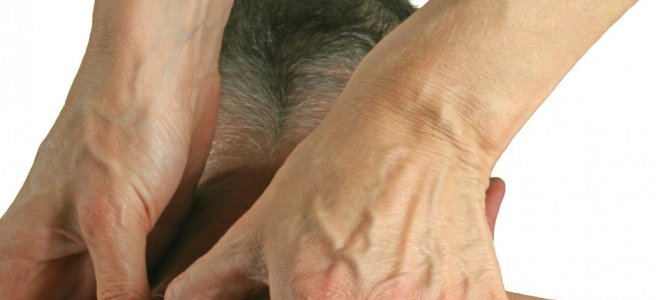
Massage Therapy: More Than Just Relaxation

When many people think of massage therapy, they envision a luxurious spa treatment reserved for special occasions or a way to unwind and relax after a long day. While massage certainly has its relaxing benefits, its scope extends far beyond mere relaxation. In this article, we’ll delve into the multifaceted benefits of massage therapy and explore its therapeutic value beyond relaxation.

1. Stress Reduction

Let’s start with the most commonly known benefit: stress reduction. Massage therapy has a profound ability to induce relaxation by calming the nervous system, reducing cortisol levels (the stress hormone), and promoting the release of endorphins (natural mood elevators). Regular massage sessions can help manage stress levels and improve overall well-being.

2. Pain Management

Massage therapy is widely recognized for its effectiveness in managing various types of pain, including musculoskeletal pain, chronic pain conditions, and pain associated with injuries or medical conditions. Through techniques such as Swedish massage, deep tissue massage, and myofascial release, massage therapists can alleviate tension, reduce inflammation, and improve circulation, resulting in pain relief and increased mobility.

3. Improved Circulation

Massage therapy promotes better blood circulation throughout the body, which delivers oxygen and nutrients to tissues and facilitates the removal of metabolic waste products. Enhanced circulation can aid in the healing process, reduce swelling and inflammation, and contribute to overall cardiovascular health.

4. Enhanced Range of Motion and Flexibility

Regular massage therapy can help improve flexibility and range of motion by stretching and loosening tight muscles, breaking up adhesions and scar tissue, and increasing joint mobility. This can be especially beneficial for athletes, individuals recovering from injuries, or those with musculoskeletal conditions such as arthritis.

5. Immune System Support

Massage therapy has been shown to have immune-boosting effects by stimulating the lymphatic system, which plays a key role in immune function and detoxification. By promoting lymphatic drainage, massage therapy helps rid the body of toxins and waste products, thereby supporting immune health and enhancing the body’s natural defense mechanisms.

6. Mental and Emotional Well-being

Beyond its physical benefits, massage therapy can have profound effects on mental and emotional well-being. Studies have demonstrated that massage can reduce symptoms of anxiety, depression, and insomnia, as well as improve mood, promote relaxation, and enhance overall quality of life.

7. Rehabilitation and Injury Prevention

Massage therapy is often incorporated into rehabilitation programs to aid in recovery from injuries, surgeries, or athletic training. By promoting tissue healing, reducing scar formation, and preventing muscle imbalances, massage therapy can help accelerate the rehabilitation process and minimize the risk of future injuries.

In conclusion, massage therapy offers a multitude of benefits beyond relaxation, ranging from pain management and stress reduction to improved circulation, flexibility, and immune function. Whether you’re seeking relief from chronic pain, recovering from an injury, or simply looking to enhance your overall well-being, regular massage therapy sessions can be an invaluable component of your self-care routine.

Health Alert: Lung Cancer Now the #1 Cancer Killer of Women in Wealthy Nations.

Health Alert: Lung Cancer Now the #1 Cancer Killer of Women in Wealthy Nations.

According to a new report, lung cancer has overtaken breast cancer as the leading killer of women in developed countries. Experts explain that an increase in female smokers in the 1970s is the likely explanation for the upsurge in lung cancer-related deaths among women in present day. On the other hand, early detection and improved treatments have led to a decline in breast cancer-related deaths in recent decades.

CA: A Cancer Journal for Clinicians, February 2015

Senior Wellness: Chiropractic, Acupuncture, Weight Training, and Massage Benefits

Staying Healthy and Active in Your Senior Years: The Benefits of Chiropractic, Acupuncture, Weight Training, and Massage

As we age, maintaining our health and staying active becomes increasingly important. Adopting a holistic approach to wellness can significantly enhance the quality of life in our senior years. Chiropractic care, acupuncture, weight training, and massage therapy are four key components that can help keep you healthy, mobile, and vibrant well into your golden years. At River East Chiropractic, we offer all these services under one roof, making it easy for you to take a comprehensive approach to your health.

Chiropractic Care: Aligning Your Body for Optimal Function

Chiropractic care is essential for maintaining spinal health and overall body function. As we age, the spine can become misaligned due to wear and tear, leading to discomfort and reduced mobility.

  1. Pain Relief: Regular chiropractic adjustments can help alleviate back pain, neck pain, and joint discomfort, common issues that can hinder your ability to stay active.
  2. Improved Mobility: By realigning the spine, chiropractic care enhances mobility and flexibility, making it easier to engage in physical activities and daily tasks.
  3. Nervous System Support: Proper spinal alignment ensures that your nervous system functions optimally, improving overall health and well-being.

Acupuncture: Balancing Energy and Relieving Pain

Acupuncture, an ancient Chinese medicine practice, involves inserting thin needles into specific points on the body to balance energy flow and promote healing.

  1. Pain Management: Acupuncture is effective in managing chronic pain conditions, including arthritis and joint pain, which are prevalent in older adults.
  2. Stress Reduction: It helps reduce stress and anxiety, promoting mental well-being and enhancing the body’s natural healing processes.
  3. Enhanced Circulation: Acupuncture improves blood flow, which can aid in reducing inflammation and promoting tissue repair.

Weight Training: Building Strength and Preventing Frailty

Weight training is not just for the young; it is crucial for seniors to maintain muscle mass, strength, and bone density.

  1. Muscle Preservation: Regular weight training helps prevent muscle loss, a common issue in aging, ensuring you remain strong and capable of handling everyday activities.
  2. Bone Health: Weight-bearing exercises increase bone density, reducing the risk of osteoporosis and fractures.
  3. Balance and Coordination: Strengthening your muscles improves balance and coordination, decreasing the risk of falls and injuries.

Massage Therapy: Enhancing Relaxation and Recovery

Massage therapy offers numerous benefits that are particularly valuable for seniors.

  1. Relaxation and Stress Relief: Massage helps to relax the muscles and mind, reducing stress and promoting a sense of well-being.
  2. Improved Circulation: It enhances blood flow, which can help in the recovery of muscles and tissues, and reduce swelling.
  3. Pain Relief: Regular massage can alleviate chronic pain conditions, such as arthritis, and improve flexibility and range of motion.

River East Chiropractic: Your One-Stop Wellness Facility

At River East Chiropractic, we understand the unique needs of seniors and offer a comprehensive range of services to support your health and wellness journey. Our facility includes:

  • Chiropractic Care: Our skilled chiropractors provide personalized adjustments to help you maintain spinal health and mobility.
  • Acupuncture: Our acupuncture specialists use time-tested techniques to balance your energy and manage pain.
  • Weight Training: Our personal trainers design customized weight training programs to help you build strength and prevent frailty.
  • Massage Therapy: Our experienced massage therapists offer treatments to relax your muscles, improve circulation, and relieve pain.
  • Pilates: We offer Pilates classes focused on core strength, flexibility, and balance.
  • Full Gym: Our state-of-the-art gym is equipped with everything you need to stay active and fit.

With all these services available in one location, River East Chiropractic makes it easy to take a holistic approach to your health. Whether you’re looking to relieve pain, improve mobility, or simply stay active, our team is here to help you thrive in your senior years. Visit us today and discover how we can support your journey to a healthier, more active life.

Holistic Wellness: Maximizing Benefits Through Diet & Exercise

Wellness/Prevention: Benefits From Diet & Exercise.

The amalgamation of a nutritious diet and regular exercise constitutes a cornerstone of a holistic approach to well-being, yielding a plethora of benefits that extend far beyond mere physical fitness. According to the Weight-Control Information Network, harnessing the power of exercise engenders a multitude of advantages that encompass physical, mental, and emotional realms, profoundly enriching the quality of life.

First and foremost, engaging in regular physical activity infuses the body with vitality and stamina, fostering sustained energy levels that empower individuals to tackle the demands of daily life with vigor and resilience. By enhancing cardiovascular function and oxygen delivery to tissues, exercise optimizes metabolic efficiency, promoting alertness, productivity, and endurance throughout the day.

Moreover, exercise serves as a potent antidote to the deleterious effects of stress, offering a sanctuary for relaxation, rejuvenation, and emotional release. Through the release of endorphins, neurotransmitters renowned for their mood-enhancing properties, physical activity alleviates tension, fosters mental clarity, and cultivates a sense of inner peace and equilibrium.

In addition to its physiological benefits, exercise plays a pivotal role in nurturing a positive self-image and bolstering self-confidence. By setting and achieving personal fitness goals, individuals forge a sense of accomplishment and empowerment, cultivating a deep-seated belief in their capabilities and worthiness. Furthermore, the tangible improvements in physical appearance resulting from regular exercise, such as enhanced muscle tone and a leaner physique, contribute to a heightened sense of self-esteem and body appreciation.

Beyond its individual impact, exercise also radiates outward, exerting a positive influence on interpersonal relationships and social dynamics. By embodying a commitment to health and vitality, individuals serve as beacons of inspiration and motivation for their family and friends, catalyzing a ripple effect of positive behavior change and well-being within their social circles.

Furthermore, the physical transformation wrought by exercise transcends mere aesthetics, imbuing individuals with a newfound confidence and sense of empowerment that radiates in every aspect of their lives. From the enhanced fit and look of clothing to the tangible manifestation of toned muscles and improved posture, the outward manifestations of physical fitness serve as tangible reminders of the transformative power of exercise.

In essence, the benefits of exercise extend far beyond the confines of the gym, permeating every facet of life with vitality, resilience, and joy. By embracing physical activity as an integral component of a balanced lifestyle, individuals unlock a gateway to optimal health, well-being, and fulfillment, cultivating a legacy of vitality and vitality for generations to come.

The Weight-Control Information Network, March 2015

Wellness/Prevention: Positive Emotions May Be Best Anti-Inflammatories.

Wellness/Prevention: Positive Emotions May Be Best Anti-Inflammatories.

University of California, Berkeley researchers have discovered a link between positive emotions and lower levels of inflammatory proteins that are knows to signal the immune system to work harder. The research team found that participants who experienced positive emotions had the lowest levels of the cytokine and interleukin 6, which are known markers of inflammation. Sustained high levels of cytokines are associated with conditions such as type-2 diabetes, heart disease, arthritis, Alzheimer’s disease, and clinical depression. Emotion, January 2015

Health Alert: Family History of Prostate Cancer May Be Linked to Breast Cancer Risk.

A recent health alert has shed light on a potential link between a family history of prostate cancer and an increased risk of breast cancer in women. According to researchers, women with a paternal lineage marked by instances of prostate cancer face a 14% higher likelihood of developing breast cancer compared to those without such familial history. Furthermore, the risk escalates dramatically for women with a dual familial burden, as those with relatives afflicted by both prostate and breast cancer exhibit a staggering 78% higher risk of breast cancer than those without such familial precedent.

These findings underscore the critical importance of understanding one’s complete family medical history, particularly with regard to cancer diagnoses among first-degree relatives. By elucidating patterns of hereditary risk, individuals can make informed decisions about proactive screening, risk reduction strategies, and lifestyle modifications to safeguard their health.

Healthcare professionals urge women to initiate conversations with their families about their medical history, probing for any instances of cancer among fathers, brothers, and sons. Armed with this knowledge, individuals can collaborate with their healthcare providers to formulate personalized risk assessment and management plans tailored to their unique familial risk profile.

Moreover, these findings underscore the imperative for ongoing research into the intricate interplay of genetic and environmental factors in cancer susceptibility. By unraveling the underlying mechanisms linking prostate and breast cancer, scientists can pave the way for more targeted prevention, early detection, and treatment strategies, ultimately advancing the fight against these prevalent malignancies.

In essence, awareness of familial cancer history serves as a powerful tool in the arsenal against breast cancer, empowering individuals to take proactive steps to protect their health and well-being. Through informed decision-making and collaborative efforts between patients, families, and healthcare providers, we can strive to mitigate the impact of hereditary risk factors and forge a path towards a future marked by improved cancer outcomes and enhanced quality of life.

Cancer, March 2015