The Surprising Health Benefits of Good Posture

The importance of good posture extends beyond mere appearance, encompassing a multitude of health benefits that are often overlooked. By maintaining proper alignment of bones and joints, good posture helps reduce stress on ligaments, minimizing the risk of injury. Moreover, it prevents muscle strain, overuse, and pain, promoting overall musculoskeletal health.

Efficient posture also conserves energy, as muscles are utilized more effectively and efficiently. This not only enhances physical performance but also reduces fatigue and promotes endurance. Additionally, by decreasing abnormal joint wear, good posture helps preserve joint integrity and function over time.

Furthermore, research has highlighted the far-reaching implications of posture on mental and emotional well-being. Poor posture has been linked to increased feelings of depression, potentially exacerbating mood disorders and negatively impacting mental health. Moreover, posture can influence the function of the digestive tract, with slouched postures potentially impeding digestion and exacerbating gastrointestinal discomfort.

Beyond physiological effects, posture plays a pivotal role in shaping confidence levels and managing stress. Maintaining an upright posture has been associated with heightened self-assurance and a greater sense of control, while slouched postures may contribute to feelings of insecurity and stress.

In summary, good posture serves as a cornerstone of overall health and well-being, exerting profound effects on both physical and mental health. By prioritizing proper posture habits, individuals can optimize their musculoskeletal health, reduce the risk of injury, and enhance their overall quality of life.

Combatting Opioid Misuse: Non-Opioid Alternatives for Low Back Pain

The opioid crisis remains a pressing concern globally, demanding concerted efforts to educate both the public and healthcare professionals on non-opioid alternatives. This urgency is underscored by the significant role of low back pain as a primary driver of opioid overuse.

Low back pain stands as a leading cause of disability worldwide, according to the Global Burden of Disease 2010 report, and ranks among the most common reasons for missed work days. Approximately half of working Americans report experiencing back pain annually, with an estimated 80% of the population encountering back problems at some point in their lives. Importantly, the majority of back pain cases are mechanical or non-organic, unrelated to serious conditions like inflammatory arthritis or cancer.

The economic burden of back pain is substantial, with Americans spending over $50 billion annually on related costs alone. Amidst this backdrop, promoting awareness of non-pharmaceutical treatment options emerges as a crucial strategy in mitigating opioid overprescription.

Recent research by Dr. James Whedon highlights the efficacy of chiropractic care in reducing reliance on opioids. By employing a multidimensional approach encompassing spinal manipulation, rehabilitative exercise, and lifestyle modifications, chiropractic interventions offer a viable alternative for managing low back pain without resorting to prolonged drug therapy or surgery.

Empowering individuals and healthcare providers with knowledge of these non-opioid treatment modalities represents a pivotal step in combatting opioid misuse. By fostering a culture of informed decision-making and comprehensive pain management strategies, we can mitigate the burden of opioid abuse and enhance patient outcomes in the management of low back pain.

Groundbreaking Blood Test for Early-Stage Osteoarthritis Detection

The pioneering work conducted by researchers from the University of Warwick in the United Kingdom has culminated in the development of a groundbreaking blood test heralded as the first of its kind for detecting early-stage osteoarthritis (OA). This innovative diagnostic tool not only holds the potential to identify OA at its incipient stages, prior to the onset of bone damage, but also boasts the capability to differentiate between osteoarthritis and rheumatoid arthritis, a distinction that has eluded conventional diagnostic modalities.

Lead researcher Dr. Naila Rabbani lauds this achievement as a remarkable and unexpected breakthrough, underscoring its transformative potential in revolutionizing the landscape of arthritis diagnosis and treatment. By enabling the early detection of OA, the blood test empowers healthcare providers to intervene at the earliest possible juncture, facilitating the prompt initiation of targeted interventions aimed at mitigating disease progression and preserving joint integrity.

One of the most compelling facets of this novel blood test lies in its ability to discern between osteoarthritis and rheumatoid arthritis, two distinct forms of arthritis with divergent pathophysiologies and therapeutic approaches. This discrimination is of paramount importance, as accurate diagnosis lays the foundation for personalized treatment strategies tailored to the specific needs and underlying mechanisms of each disease entity.

The implications of this pioneering diagnostic advancement extend far beyond the realm of clinical practice, reverberating throughout the entire continuum of arthritis care. By facilitating the timely identification of individuals at risk for OA development, the blood test holds the promise of averting unnecessary suffering and disability while optimizing treatment outcomes through early intervention.

Moreover, the potential of this blood test to streamline diagnostic pathways, enhance treatment efficacy, and mitigate healthcare costs underscores its status as a game-changing innovation poised to revolutionize arthritis care on a global scale. As researchers continue to refine and validate this novel diagnostic tool through rigorous clinical trials and real-world applications, its widespread integration into routine clinical practice holds the promise of ushering in a new era of precision medicine for individuals affected by arthritis.

In essence, the advent of the first blood test for early-stage osteoarthritis represents a watershed moment in the field of musculoskeletal health, offering newfound hope and promise to millions of individuals worldwide grappling with the debilitating impact of arthritis. Through collaborative efforts between researchers, clinicians, and policymakers, this transformative diagnostic innovation has the potential to catalyze a paradigm shift in arthritis management, paving the way for improved patient outcomes and enhanced quality of life for generations to come.

Scientific Reports, March 2015

Quote: “The man who does not read has no advantage over the man who cannot read.” ~ Mark Twain

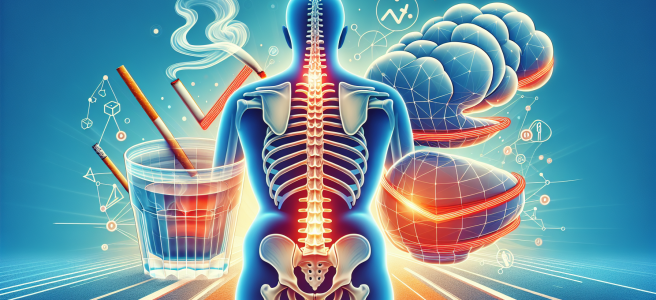
Impact of Smoking, Alcohol, and Obesity on Low Back Pain: Insights from 26 Million Individuals

The latest research presented at the American Academy of Orthopedic Surgeons annual meeting delves into the intricate interplay between lifestyle factors and the prevalence of low back pain, shedding light on the profound impact of behaviors such as smoking, alcohol consumption, and obesity on musculoskeletal health. Drawing upon a comprehensive analysis of data encompassing 26 million individuals, researchers uncovered compelling associations between these modifiable risk factors and the incidence of low back pain.

The study revealed that individuals who engage in habitual smoking, exhibit excessive alcohol consumption, and/or are classified as obese face a significantly elevated risk of experiencing low back pain compared to their counterparts who abstain from these behaviors and maintain a healthy weight. Specifically, smokers, alcohol-dependent drinkers, and obese individuals were found to be between four and five times more likely to report current back pain symptoms.

These findings underscore the multifaceted nature of low back pain etiology, highlighting the pivotal role of lifestyle choices in shaping musculoskeletal health outcomes. Smoking, for instance, is known to compromise blood flow to the spinal tissues, impair healing processes, and exacerbate inflammation, thereby contributing to the onset and persistence of back pain symptoms. Similarly, excessive alcohol consumption can disrupt sleep patterns, exacerbate inflammation, and impair bone density, all of which may predispose individuals to musculoskeletal discomfort.

Obesity, characterized by excess adiposity and increased mechanical stress on the spine, represents another significant risk factor for low back pain. The added strain placed on spinal structures by carrying excess weight can lead to structural abnormalities, musculoskeletal imbalances, and chronic pain conditions, perpetuating a cycle of discomfort and functional impairment.

In light of these findings, there exists a compelling imperative to promote healthier lifestyle choices and facilitate behavior change interventions aimed at mitigating the burden of low back pain. By empowering individuals to adopt smoking cessation strategies, moderate their alcohol intake, and achieve and maintain a healthy weight through regular exercise and balanced nutrition, healthcare providers can play a pivotal role in preventing and managing musculoskeletal disorders.

Furthermore, these findings underscore the importance of adopting a comprehensive, multidisciplinary approach to low back pain management. In addition to addressing the physical manifestations of pain through targeted interventions such as manual therapy, exercise, and pharmacotherapy, healthcare providers must also prioritize lifestyle modifications and holistic wellness strategies to address the underlying drivers of musculoskeletal discomfort and promote long-term musculoskeletal health and well-being. Through collaborative efforts between patients, healthcare providers, and policymakers, we can strive to create environments that support healthier behaviors and empower individuals to live pain-free, active lives.

American Academy of Orthopaedic Surgeons, March 2015

Yoga’s Surging Popularity in the United States: A Holistic Wellness Revolution

Exercise: Yoga Gaining in Popularity in the United States.

Over the past decade, yoga has experienced a notable surge in popularity, with a remarkable uptick in participation observed across diverse age groups. According to data compiled by the National Center for Health Statistics in February 2015, the percentage of adults engaging in yoga has more than doubled, soaring from just under 6% in 2002 to over 10% in 2012. This trend is mirrored among children and seniors, reflecting a widespread recognition of yoga’s myriad benefits for physical, mental, and emotional well-being.

At its core, yoga is far more than a mere physical exercise regimen; it embodies an ancient tradition rooted in the harmonization of body, mind, and spirit. Through a synthesis of mindful movement, controlled breathing, and meditation, yoga fosters a profound sense of inner peace, serenity, and interconnectedness with the world around us. Its holistic approach to health and wellness transcends the confines of conventional fitness routines, offering practitioners a pathway to holistic flourishing and self-discovery.

For adults, yoga serves as a sanctuary from the stresses of modern life, providing a sanctuary where they can reconnect with themselves and cultivate resilience in the face of adversity. Meanwhile, children benefit from the developmental advantages conferred by yoga, including improved concentration, enhanced flexibility, and heightened emotional intelligence. For seniors, yoga offers a gentle yet effective means of maintaining mobility, alleviating chronic pain, and fostering a sense of vitality and vitality in their golden years.

As yoga continues to captivate hearts and minds worldwide, its transformative potential as a catalyst for personal growth and well-being remains undeniable. By embracing yoga as a holistic lifestyle practice, individuals of all ages can embark on a journey of self-discovery, healing, and empowerment, enriching their lives immeasurably in the process.

Chiropractic Care: The Main Source of Relief and Correction for Whiplash

Auto accidents are the leading cause of whiplash, with up to 83% of people involved in accidents suffering from this painful injury. Whiplash can be severe, especially in rear-end collisions, and various factors can predict the extent of your injury. Surprisingly, the amount of visible damage to your vehicle does not correlate with the severity of your whiplash. Even minor impacts at speeds less than 5 MPH can cause significant symptoms.

Factors Increasing Your Risk of Whiplash

Several factors can increase your risk of sustaining a whiplash injury in an auto accident:

  • Type of Collision: Rear-end collisions generally result in more severe whiplash injuries.
  • Size of the Striking Vehicle: Being hit by a larger or heavier vehicle increases your risk.
  • Head Restraint Position: Improperly positioned head restraints can lead to more severe injuries.
  • Road Conditions: Wet or icy roads can contribute to the severity of the collision and the resulting whiplash.
  • Head Position: Having your head rotated or extended at the time of impact worsens the injury.
  • Awareness: Being unaware of the impending collision can lead to more severe whiplash.
  • Age: As we age, our tissues become less elastic, increasing the risk of injury.

Symptoms of Whiplash

Symptoms of whiplash can begin immediately or have a delayed onset. Early signs include soreness in the front of your neck, which usually fades quickly. Ongoing symptoms often include:

  • Neck Pain: Dull pain that becomes sharper with head movement, typically centered in the back of the neck.
  • Radiating Pain: Pain spreading to your shoulders or between your shoulder blades.
  • Increasing Discomfort: Symptoms may worsen over time.
  • Stiffness: Rest may temporarily relieve symptoms but often leads to stiffness.

Sprain/strain injuries from whiplash replace normal, healthy, elastic tissue with less elastic “scar tissue,” leading to ongoing pain and even arthritis. Over half of those injured will experience neck pain up to a year after the accident.

Why Chiropractic Care is Essential for Whiplash

Seeking early and appropriate treatment is critical, and chiropractic care stands out as the main source of relief and correction for whiplash. Here’s why:

1. Early Intervention: Chiropractors are trained to assess and treat whiplash injuries promptly. Early intervention can prevent the formation of scar tissue and chronic pain.

2. Pain Relief: Chiropractic adjustments help reduce pain and inflammation by realigning the spine and improving joint function. This can provide immediate relief and long-term benefits.

3. Restoring Mobility: Chiropractic care focuses on restoring normal movement patterns, which is essential for preventing stiffness and improving overall mobility.

4. Preventing Chronic Issues: By addressing the underlying causes of pain and stiffness, chiropractors can help prevent the development of chronic conditions such as arthritis.

5. Comprehensive Care: Chiropractors offer a holistic approach, including lifestyle advice, exercises, and ergonomics, to support recovery and prevent future injuries.

Importance of Early Examination

If you are involved in an accident, it is essential to seek chiropractic care as soon as possible. Even if your symptoms are mild or delayed, early examination and treatment can significantly impact your recovery. Additionally, if you were riding with others, they might also have sustained injuries, and it would be beneficial for all passengers to be examined promptly.

Take Action

If you’ve been in an auto accident, don’t wait for symptoms to worsen. Schedule an appointment with our chiropractic office to get the care you need and start your path to recovery. Chiropractic care is your best option for relieving pain, restoring mobility, and preventing long-term complications from whiplash. Share your experiences or questions in the comments below and let us help you on your journey to wellness.

TV Screen Time Linked to 30% Higher Child Hypertension Risk

Health Alert: Watching Two or More Hours of TV a Day Increases Hypertension Risk in Children.

A groundbreaking study published in the International Journal of Cardiology in February 2015 has unveiled alarming correlations between sedentary behaviors and childhood hypertension. Delving into the intricate relationship between screen time and physical activity, researchers discovered unsettling statistics: spending more than two hours daily in front of a TV screen elevates a child’s risk of high blood pressure by a staggering 30%. Equally concerning is the revelation that engaging in less than one hour of physical activity per day amplifies the risk of hypertension by a staggering 50%.

These findings underscore the profound impact of lifestyle choices on cardiovascular health, particularly during the formative years of childhood. The authors of the study emphasize the pervasiveness of sedentary behaviors in infancy and their persistence into later stages of life, sounding a clarion call for urgent intervention.

The implications of these findings reverberate far beyond the realm of childhood health, permeating societal norms and public health agendas. As sedentary habits become increasingly pervasive in modern lifestyles, addressing the root causes of inactivity assumes paramount importance in mitigating the burgeoning epidemic of hypertension among children.

Armed with this knowledge, healthcare practitioners, policymakers, and parents alike are tasked with orchestrating concerted efforts to promote physical activity and limit sedentary behaviors among children. By fostering environments conducive to active living and instilling healthy habits from an early age, we can stem the tide of childhood hypertension and cultivate a generation primed for lifelong cardiovascular wellness.

Consequences of Vitamin D Deficiency: Insight from Dr. Peter Horvath

In regions characterized by snowy winters and high latitudes, such as Buffalo, New York, residents face a heightened risk of vitamin D deficiency, according to the insights of esteemed nutrition researcher, Dr. Peter Horvath. His research reveals a stark reality: during the winter months, nearly half of Buffalo’s population grapples with insufficient vitamin D levels, with a quarter classified as deficient.

The consequences of such deficiencies extend far beyond mere inconvenience. They encompass a spectrum of health concerns, from compromised bone density and weakened immunity to an elevated susceptibility to type 2 diabetes, certain cancers, cardiovascular ailments, and cognitive decline in older individuals.

Vitamin D plays a crucial role in maintaining bone health by facilitating the absorption of calcium and phosphorus. Inadequate levels of this vital nutrient can lead to decreased bone density, increasing the risk of fractures and osteoporosis, particularly in older adults. Furthermore, vitamin D deficiency has been linked to immune system dysfunction, making individuals more susceptible to infections and illnesses.

Dr. Horvath’s findings also shed light on the connection between vitamin D and chronic diseases like type 2 diabetes and certain cancers. Insufficient vitamin D levels have been associated with insulin resistance and impaired glucose metabolism, contributing to the development of diabetes. Additionally, studies suggest that vitamin D may play a role in regulating cell growth and preventing the proliferation of cancer cells, highlighting its importance in cancer prevention.

Moreover, emerging research indicates a correlation between vitamin D deficiency and cardiovascular disease. Low levels of vitamin D have been linked to an increased risk of hypertension, heart failure, and stroke, underscoring the need to address this deficiency to safeguard cardiovascular health.

In the realm of cognitive function, vitamin D deficiency has been implicated in age-related cognitive decline and neurodegenerative diseases such as Alzheimer’s. Adequate levels of vitamin D are thought to support cognitive health by reducing inflammation and promoting neuronal growth and function.

In light of these findings, Dr. Horvath advocates for proactive measures to address vitamin D deficiency. He recommends increasing sun exposure during the warmer months, as sunlight is a primary source of vitamin D synthesis in the skin. Additionally, dietary supplements or fortified foods can help individuals maintain optimal vitamin D levels, especially during the winter season when sunlight exposure is limited.

By heeding Dr. Horvath’s advice and taking steps to ensure adequate vitamin D intake, individuals can mitigate the risks associated with deficiency and promote overall health and well-being. As Markus Zusak’s poignant quote suggests, perhaps with the right interventions, everyone can surpass their perceived limitations and thrive in the face of adversity.

Cervicogenic Headaches: Impact of Abnormal Neck Posture Revealed

Chiropractic: Abnormal Neck Posture Associated with Headache Risk.

In a groundbreaking study published in the February 2015 issue of Physical Therapy, researchers delved into the intricate relationship between cervicogenic headaches and cervical lordosis. By meticulously analyzing neck x-rays from individuals suffering from cervicogenic headaches and contrasting them with those from healthy controls, the researchers unearthed a striking correlation. Even a subtle 3-4° variance in cervical lordosis was discovered to be intimately linked with an 8% escalation in the likelihood of developing this debilitating type of headache. This finding not only underscores the profound impact of cervical curvature on health outcomes but also accentuates the pivotal role of physical therapy in managing such conditions. With such revelations, healthcare practitioners gain invaluable insights into the nuanced mechanisms underlying cervicogenic headaches, paving the way for more targeted and effective interventions to alleviate patient suffering and enhance overall well-being.

Diet: Are Fruits and Vegetables Good for Your Lungs?

Diet: Are Fruits and Vegetables Good for Your Lungs?

A meta-analysis of 38 studies indicates that eating fruits and vegetables can have a protective effect on the lungs. After reviewing data concerning nearly five million individuals, researchers conclude that consuming up to two servings of fruit and two servings of vegetables per day is associated with as much as a 16% reduced risk for developing lung cancer. Lung Cancer, February 2015