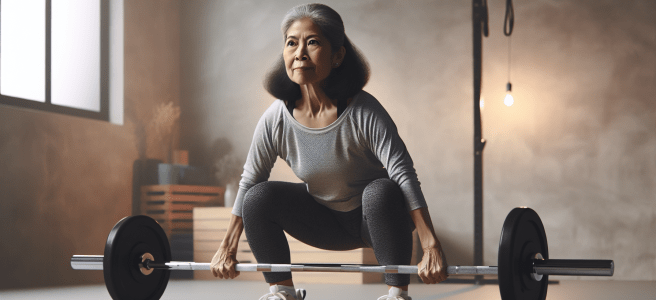
Managing Hip Arthritis: Causes, Symptoms, and Effective Treatments

Hip arthritis is a common condition that affects up to one-third of the population, particularly as we age. The likelihood of developing osteoarthritis (OA) increases with age and is often partially inherited. Factors such as being overweight and experiencing repetitive injury from occupations or sports that require prolonged standing or heavy physical exertion can also contribute to the development of hip arthritis.

Symptoms of Hip Arthritis

One of the early signs of hip osteoarthritis is prolonged stiffness, especially upon arising in the morning or after periods of inactivity. You might find it difficult to perform simple tasks such as putting on your socks, shaving your legs, or climbing stairs. Common symptoms include:

  • Groin, thigh, and buttock pain: Pain in these areas is typical and can sometimes radiate into the lower leg.
  • Stiffness: Particularly noticeable in the morning or after sitting for long periods.
  • Cracking and popping: You might hear or feel your hip cracking or popping when you move.
  • Reduced range of motion: Difficulty in moving the hip, such as rotating it internally (pigeon-toed movements).

Diagnosing Hip Arthritis

Diagnosing hip arthritis can be challenging, as the symptoms often overlap with lower back problems that also cause hip pain. To determine the extent of arthritis, doctors typically use X-rays, grading the severity from 1 to 4.

Treatment Options for Hip Arthritis

While arthritis cannot be cured, several treatment options can help relieve symptoms and improve quality of life:

1. Exercise and Physical Therapy: Engaging in regular exercise, especially water-based programs like water aerobics, can help manage symptoms. Physical therapy modalities, including specific stretches and manipulations of the hip, have been shown to be effective in alleviating pain and improving mobility.

2. Chiropractic Adjustments: Chiropractic care is an excellent treatment option for relieving the symptoms of hip arthritis. Chiropractors can use adjustments and manipulative techniques to improve hip joint function, reduce pain, and enhance overall mobility. Chiropractic treatments focus on restoring proper alignment and can provide significant relief from the discomfort associated with hip arthritis.

3. Lifestyle Modifications: Your doctor may recommend avoiding activities that aggravate your hip pain, particularly those involving internal rotation of the hip. Maintaining a healthy weight is crucial to reducing stress on the hip joint. Learning home stretching and strengthening exercises can also aid in recovery and symptom management.

4. Supplements: Some arthritis sufferers find relief by taking 1500 mg of glucosamine and chondroitin daily, which can help reduce inflammation and improve joint health.

5. Assistive Devices: In more severe cases, using a cane (in the opposite hand) can help take weight off the arthritic hip, making walking less painful.

6. Medical Interventions: If conservative treatments fail to relieve your pain, your doctor might refer you to an orthopedic hip specialist to discuss the possibility of joint replacement surgery.

Final Thoughts

While hip arthritis can significantly impact your quality of life, various treatment options, including chiropractic care, exercise, lifestyle modifications, and medical interventions, can help manage symptoms and improve mobility. Early diagnosis and proactive management are key to living well with hip arthritis.

Have you experienced hip arthritis? Share your story in the comments below and let us know what treatments have worked for you, especially if you’ve found relief through chiropractic care. Stay informed and take proactive steps to keep your hips healthy and pain-free!

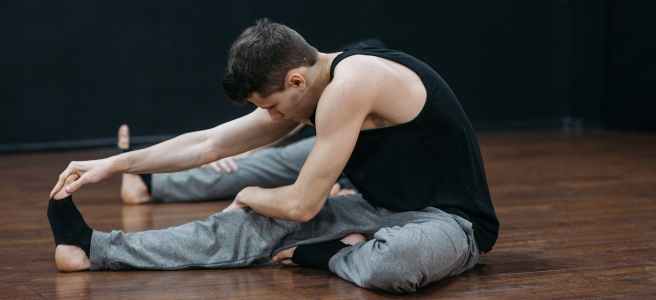
Understanding Rib Problems: Causes, Symptoms, and Solutions


Rib problems can sneak up on you in various ways, and understanding them is crucial for effective management and prevention. Whether it’s a sudden accident, an ongoing repetitive strain, or even something as common as poor posture, rib issues can cause significant discomfort and limit your daily activities. Let’s dive into the different causes, symptoms, and solutions for rib problems, including how chiropractic adjustments can play a key role in treatment.

Causes of Rib Problems

1. Accidents and Injuries: Rib problems often arise from traumatic events such as car accidents or sports injuries. A direct blow to the chest can fracture a rib or cause other serious injuries.

2. Repetitive Strains: Everyday activities that involve repetitive motions can lead to rib issues. For example, activities like heavy lifting, certain sports, or even vigorous coughing can put excessive strain on the ribcage, leading to discomfort and pain over time.

3. Poor Posture: Sitting or standing with poor posture for extended periods can cause rib problems. Slouching or hunching over a desk compresses the ribcage and puts undue stress on the surrounding muscles and ligaments.

4. Pregnancy: Rib discomfort is common during pregnancy due to the expanding uterus and the associated shifts in the body’s center of gravity. As the baby grows, it can push against the ribs, causing pain and discomfort.

5. Whiplash Injuries: Whiplash injuries, often resulting from car accidents, can cause rib problems. The sudden back-and-forth motion can strain the muscles and ligaments around the ribcage, leading to pain and stiffness.

Symptoms to Watch For

Recognizing the symptoms of rib problems early can help you seek appropriate treatment and prevent further complications. Common symptoms include:

  • Sharp or Dull Pain: Pain can range from sharp and stabbing to dull and achy, often worsening with movement or deep breathing.
  • Tenderness: The affected area may be tender to the touch.
  • Difficulty Breathing: Rib problems can make it painful to take deep breaths, leading to shallow breathing and sometimes shortness of breath.
  • Swelling and Bruising: Visible swelling or bruising around the ribcage can indicate a fracture or severe strain.
  • Muscle Spasms: The muscles around the ribs might spasm, adding to the discomfort.

Effective Solutions and Management

1. Chiropractic Adjustments: Chiropractic care is highly effective in treating rib problems. Chiropractors use specific adjustments to realign the ribs and relieve pain. These adjustments can help improve mobility, reduce muscle tension, and enhance overall ribcage function. Chiropractic care also focuses on correcting posture, which can prevent future rib issues.

2. Rest and Immobilization: For minor rib injuries, rest is crucial. Avoid activities that exacerbate the pain and give your body time to heal. In some cases, wrapping the chest with a bandage can help immobilize the area and provide support.

3. Pain Management: Over-the-counter pain relievers such as ibuprofen or acetaminophen can help manage pain and reduce inflammation. However, always consult your doctor before starting any medication.

4. Physical Therapy: Physical therapy can be highly effective in treating rib problems. A physical therapist can guide you through exercises to strengthen the muscles around your ribcage, improve posture, and enhance flexibility.

5. Posture Correction: Improving your posture can prevent and alleviate rib problems. Ensure your workstation is ergonomically set up, take regular breaks to stretch, and be mindful of your posture throughout the day.

6. Breathing Exercises: Deep breathing exercises can help expand your ribcage and strengthen the muscles involved in respiration. This can be particularly beneficial for those who experience rib pain with breathing.

7. Medical Intervention: In cases of severe injury, such as a rib fracture, medical intervention may be necessary. Your doctor might recommend imaging tests to assess the extent of the injury and develop an appropriate treatment plan.

Prevention Tips

Preventing rib problems involves adopting healthy habits and making lifestyle adjustments:

  • Stay Active: Regular exercise helps maintain muscle strength and flexibility, reducing the risk of rib problems.
  • Practice Good Posture: Be mindful of your posture whether you’re sitting, standing, or sleeping.
  • Use Proper Techniques: When lifting heavy objects, use proper techniques to avoid straining your ribs.
  • Wear Protective Gear: If you’re involved in contact sports, always wear appropriate protective gear to safeguard your ribcage.

Share Your Story

Have you experienced rib problems? Share your story in the comments below and let us know what strategies worked for you, especially if you’ve found relief through chiropractic adjustments. Stay informed and take proactive steps to keep your ribs healthy and pain-free!

Understanding Hamstring Strains: Causes, Symptoms, and Recovery Tips

Ever felt a sharp pain in the back of your thigh while running or after an intense workout? You might be dealing with a hamstring strain. Your hamstring consists of a group of muscles at the back of your thigh that help flex your knee, essentially bringing your heel towards your buttock.

What Exactly is a Hamstring Strain?

When we talk about a “strain,” we’re referring to a muscle or its tendon being stressed beyond its limit. Picture a rope that’s been pulled too hard and starts to fray. That’s similar to what happens to your hamstring when it’s forced to contract beyond its capacity, often during activities like running or stretching excessively. This overstretching can cause tearing, leading to bleeding, bruising, swelling, pain, and a noticeable loss of function.

How to Identify a Hamstring Strain

The symptoms can range from mild discomfort to severe pain, largely depending on the extent of the tissue damage. Did you know over 90% of hamstring strains happen suddenly? Most people feel a tearing, burning, or popping sensation accompanied by immediate pain just below the buttock. Common symptoms include:

  • Increased pain when straightening your leg, walking, or bending forward.
  • Bruising near the injury site.
  • Severe pain extending into your lower back or calf.
  • Pain that worsens with coughing or sneezing.
  • A rash on the back of your thigh.

If you experience these symptoms, especially if they worsen or don’t improve, it’s crucial to consult a doctor.

Why Do Hamstring Strains Happen?

Hamstring injuries often occur when muscles are tired from activity, and they become more frequent as we age. Other risk factors include:

  • Excessive tightness or weakness in the hamstring.
  • Quadriceps muscles that are significantly stronger than the hamstring.
  • Poor core strength.
  • Poor running form.

Managing and Treating Hamstring Strains

The good news? Most hamstring strains can be effectively managed with conservative care, like the treatments we offer at our office. The healing period varies depending on the injury’s location and severity. Injuries near the ischial tuberosity (the bones you sit on) typically take longer to heal than those further down the muscle.

Initial Care Tips:

  1. Ice Therapy: Apply ice or perform an ice massage on the injured area for 15 minutes at a time, up to once per hour.
  2. Compression: Using an ACE wrap or compression bandage can help limit swelling.
  3. Medications: The use of NSAIDs is controversial as some studies suggest they might delay healing.
  4. Mobility Aids: For severe injuries, crutches might be necessary to avoid further strain.

While recovering, it’s important to avoid high-impact activities like running and jumping. Instead, opt for low-impact exercises like stationary cycling or swimming.

Preventing Future Strains

Recurrent hamstring injuries can take twice as long to heal as the initial one, so prevention is key. Ensure you:

  • Allow adequate healing time.
  • Consistently perform your recommended exercises.
  • Warm up properly before any physical activity.

By following these steps, you can reduce the risk of future strains and maintain a healthy, active lifestyle.

Understanding Neck Sprains and Strains: Beyond Auto Accidents and Sports Injuries

Auto accidents and sports injuries are the leading causes of neck sprains and strains, but they are not the only activities that can lead to these painful conditions. While these high-impact incidents are often the most obvious culprits, everyday actions and less traumatic activities can also contribute significantly to the development of neck sprains and strains.

Neck sprains and strains frequently arise from mundane activities such as reaching for items, pushing or pulling objects, moving heavy furniture or boxes, and experiencing falls. These actions, though seemingly benign, can place considerable stress on the muscles, tendons, and ligaments in the neck, especially when performed repeatedly or with poor posture. For example, consistently reaching for items on high shelves can strain the neck muscles over time, while pushing or pulling heavy objects can overload the tendons and ligaments, leading to gradual wear and tear.

Most commonly, neck sprains and strains are not caused by a single, isolated event but rather by the cumulative effect of repeated overloading. Tendons and ligaments are remarkably resilient structures that can handle isolated stressors well. However, when subjected to continuous and repetitive challenges, their ability to recover is compromised. This repeated stress can result in microtears and inflammation, eventually leading to more significant injuries. The analogy of bending a piece of copper wire illustrates this concept well: while the wire can withstand a certain amount of bending, constant and repetitive flexing will ultimately cause it to break. Similarly, the neck’s soft tissues can only endure so much before they too succumb to injury.

Auto accidents, often involving sudden deceleration and forceful impact, can cause the head and neck to whip forward and backward violently. This rapid movement, commonly referred to as whiplash, can result in severe sprains and strains as the neck’s tendons and ligaments are stretched beyond their normal range of motion. The forceful nature of such accidents can cause immediate and significant damage, leading to pain, stiffness, and reduced mobility.

Sports injuries, on the other hand, can result from direct impacts, falls, or sudden twists and turns. Contact sports like football, rugby, and hockey are particularly notorious for causing neck injuries due to the high likelihood of collisions and impacts. Even non-contact sports such as gymnastics or swimming can lead to neck strains and sprains if athletes perform movements that overstretch or overuse the neck muscles and ligaments.

The risk of neck sprains and strains is further exacerbated by poor posture and ergonomics in everyday activities. For instance, prolonged use of computers or smartphones often leads to forward head posture, where the head is positioned ahead of the shoulders. This posture increases the strain on the neck muscles and ligaments, making them more susceptible to injury. Similarly, sleeping in an awkward position or using inadequate pillows can also place undue stress on the neck, leading to discomfort and potential injury over time.

Preventing neck sprains and strains involves a combination of proper ergonomics, posture correction, and strength training. Ensuring that workspaces are set up ergonomically, taking frequent breaks to move and stretch, and strengthening the neck and shoulder muscles through targeted exercises can help mitigate the risk of these injuries. Additionally, being mindful of body mechanics during daily activities, such as lifting objects with proper technique and avoiding overreaching, can also reduce the likelihood of developing neck sprains and strains.

In summary, while auto accidents and sports injuries are the most common causes of neck sprains and strains, they are by no means the only factors. Everyday activities and repetitive stresses play a significant role in these injuries, highlighting the importance of awareness and preventive measures to maintain neck health and prevent long-term damage.

Understanding Neck Sprains and Strains: Causes and Symptoms

Your cervical spine, or neck, is made up of seven bones stacked on top of each other with a shock-absorbing disc between each level. Your neck is relatively flexible so it relies on muscles and ligaments for support. “Sprains” and “strains” are the result of these tissues being stretched too hard or too far, much like a rope that frays when it is stretched beyond its normal capacity.

Auto accidents and sports injuries are the leading causes of neck sprains and strains. Other less traumatic activities like reaching, pushing, pulling, moving heavy objects and falls can also trigger these problems. Most commonly, sprains and strains are not the result of any single event but rather from repeated overloading. Tendons and ligaments generally manage small isolated stressors quite well, but repetitive challenges lead to injury in much the same way that constantly bending a piece of copper wire will cause it to break.

Symptoms from a sprain/strain may begin abruptly but more commonly develop gradually. Complaints often include dull neck pain that becomes sharper when you move your head. Rest may relieve your symptoms but often leads to stiffness. The pain is generally centered in the back of your neck but can spread to your shoulders or between your shoulder blades. Tension headaches commonly accompany neck injuries.

Sprain/strain injuries cause your normal healthy elastic tissue to be replaced with less elastic “scar tissue”. This process can lead to ongoing pain and even arthritis. Seeking early and appropriate treatment, like the type provided in our office, is critical. Depending upon the severity of your injury, you may need to limit your activity for awhile- especially movements or activities that cause pain. Avoid heavy lifting and take frequent breaks from prolonged activity, particularly overhead activity. Following acute injuries, you can apply ice for 10-15 minutes each hour. Heat may be helpful after several days or for more chronic types of pain. http://ow.ly/i/uSftb

Understanding Femoroacetabular Impingement (FAI) and Hip Pain

Your hip socket or “acetabulum” is covered by smooth, glassy cartilage extending all the way to its outer rim. The term “Femoroacetabular impingement” (FAI) means that this rim of cartilage is being pinched when you move your hip into certain positions. Repetitive pinching results in irritation, tearing, or even detachment of this cartilage from your hip socket.

FAI occurs because of a mismatch between the head of your femur and the socket of your hip. The mismatch may be from an abnormally shaped hip bone (cam deformity), or having too much cartilage on the rim of your hip socket (pincer deformity). Most frequently, FAI results from a combination of both (combined or mixed deformity).
FAI is most common in young active people. Although the deformity may be present on both sides, symptoms are usually one-sided. The condition is equally common among men and women. Symptoms of FAI include a constant dull pain with periods of sharp pain, made worse by activity. Walking, pivoting, prolonged sitting, stair climbing, and impact activities like running or jumping can aggravate your symptoms. Snapping, locking, and clicking are common.

Our office will help direct a rehab program to maximize your chance of recovery. You should attempt to stay active, but avoid activities that aggravate symptoms. You may consider temporarily switching to low-impact activities, like stationary biking or water-walking. You should avoid motions that combine flexion and internal rotation, like- getting out of a car with one leg at a time, swimming the breaststroke, or performing squats. Patients with FAI should avoid excessive stretching, as this could aggravate the condition, but will likely benefit from strengthening exercises in the type of treatment provided in this office.

Bowling and Chiropractic Care: The Winning Team

Whether you’re a seasoned league player or just enjoy hitting the lanes with friends on the weekends, you know that bowling is more than just a game – it’s a way of life. But did you know that chiropractic care can be a game-changer for bowlers of all skill levels? That’s right, folks – it’s time to spare a few minutes and talk about why chiropractic is crucial for keeping you at the top of your bowling game.

Let’s start by rolling into the basics: your body. Bowling might not seem like the most physically demanding sport, but anyone who’s spent hours at the alley knows that it can take a toll on your body. All that bending, twisting, and lunging can put a serious strain on your muscles and joints, leading to aches, pains, and even injuries. That’s where chiropractic care comes in.

Chiropractors are experts in the musculoskeletal system, which means they know a thing or two about keeping your body in tip-top shape. By using hands-on techniques like spinal adjustments, soft tissue therapy, and corrective exercises, chiropractors can help relieve tension, improve flexibility, and restore proper alignment to your spine and joints. And when your body is functioning at its best, you can bet your bowling form will be too.

Now, let’s talk about performance. Whether you’re trying to up your average or just aiming to beat your buddies in a friendly game, every bowler wants to knock down more pins. And guess what? Chiropractic care can help with that too. By addressing imbalances in your body, chiropractors can help improve your posture, enhance your balance and coordination, and even boost your power and accuracy on the lanes. That’s right – with a little help from your friendly neighborhood chiropractor, you could be rolling strikes like never before.

But it’s not just about the physical aspect of the game – chiropractic care can also give you a mental edge on the lanes. Let’s face it – bowling is as much a mental game as it is a physical one. And when your body is feeling good, your mind is free to focus on the task at hand: picking up that tricky spare or nailing that perfect strike. Plus, regular chiropractic adjustments have been shown to reduce stress and anxiety, improve concentration, and enhance overall well-being – all of which can help you stay cool, calm, and collected under pressure.

Now, I know what you’re thinking: “But I’m not injured, so why do I need to see a chiropractor?” Great question! The truth is, chiropractic care isn’t just for treating injuries – it’s also about preventing them. By keeping your body in alignment and addressing any imbalances or weaknesses before they become major issues, chiropractors can help you stay injury-free and rolling strikes for years to come.

So whether you’re a casual bowler or a league champion, don’t overlook the importance of chiropractic care for your bowling game. Schedule regular check-ups with your chiropractor, incorporate corrective exercises into your routine, and listen to your body – it’ll thank you for it on the lanes. And who knows? With a little help from chiropractic, you might just be the next big thing in bowling.

The Importance of Resistance Training for Seniors: Building Strength and Independence

Hey there, seniors! Let’s talk about resistance training – you know, pumping some iron, lifting weights, or using resistance bands. Now, I know what you might be thinking: “Isn’t that just for bodybuilders and young gym buffs?” Well, think again! Resistance training is actually super important for seniors too, and here’s why:

First off, let’s address the elephant in the room: muscle loss. As we age, our muscles tend to shrink and weaken, a process called sarcopenia. It’s like our muscles are saying, “Hey, I’m retiring early!” But here’s the thing – resistance training can help combat this muscle loss. By lifting weights or using resistance bands, seniors can build and maintain muscle mass, keeping them strong and functional well into their golden years.

And speaking of functionality, let’s talk about everyday activities. Whether it’s carrying groceries, climbing stairs, or even just getting out of a chair, these tasks require strength and stability. Resistance training helps improve both, making it easier to tackle daily activities with confidence and ease.

But wait, there’s more! Resistance training isn’t just about muscles – it’s also great for bones. As we age, our bones can become weaker and more prone to fractures. But resistance training puts stress on the bones, which actually helps strengthen them over time. So not only will you be flexing those muscles, but you’ll also be giving your bones a workout too!

Now, let’s address the elephant in the room: fear of injury. I get it – the idea of lifting weights or using resistance bands might seem daunting, especially if you’re not used to it. But here’s the good news: resistance training can be tailored to your fitness level and abilities. You don’t need to be pumping massive weights or doing crazy exercises. Start slow, use light weights or resistance bands, and gradually increase the intensity as you get stronger. And always remember to listen to your body – if something doesn’t feel right, don’t push it.

So, seniors, let’s make resistance training a priority in our fitness routines. Not only will it help us stay strong, functional, and independent, but it’ll also keep us feeling young at heart. So grab those weights, strap on those resistance bands, and let’s show the world that age is just a number – and we’re not letting it slow us down!

Optimizing Athletic Performance: The Role of Chiropractic Care

Athletes constantly push their bodies to the limit, striving for peak performance and excellence in their chosen sports. However, this intense physical activity can take a toll on the body, leading to a variety of musculoskeletal issues and injuries. That’s where regular chiropractic care comes in. By incorporating chiropractic treatment into their training regimen, athletes can experience numerous benefits that enhance their performance, prevent injuries, and promote overall well-being.

  1. Improved Range of Motion and Flexibility: Athletes rely on optimal joint mobility and flexibility to perform at their best. Regular chiropractic adjustments help ensure that the spine and joints are properly aligned, reducing restrictions and allowing for improved range of motion. By addressing spinal misalignments and muscle imbalances, chiropractors can help athletes achieve greater flexibility, enabling them to move more freely and efficiently on the field or court.
  2. Enhanced Recovery and Rehabilitation: Injuries are an inevitable part of sports participation, but how athletes manage and recover from these injuries can significantly impact their long-term performance. Chiropractic care plays a crucial role in the rehabilitation process, helping athletes recover faster and return to play sooner. Chiropractors use a variety of techniques, such as spinal adjustments, soft tissue therapy, and rehabilitative exercises, to promote healing, reduce inflammation, and restore function to injured areas.
  3. Prevention of Sports-Related Injuries: Prevention is always better than treatment when it comes to sports injuries. Regular chiropractic adjustments can help identify and address biomechanical imbalances and dysfunctional movement patterns before they lead to injury. By correcting spinal misalignments and improving joint function, chiropractors help athletes maintain proper posture and alignment, reducing the risk of overuse injuries, strains, and sprains.
  4. Pain Management and Relief: Athletes often experience aches, pains, and discomfort as a result of their intense training and competition. Chiropractic care offers a natural, drug-free approach to pain management, providing relief from musculoskeletal conditions such as back pain, neck pain, shoulder pain, and headaches. By addressing the underlying causes of pain, chiropractors help athletes manage their symptoms more effectively and improve their overall quality of life.
  5. Optimal Performance and Function: When the body is functioning at its best, athletes can perform at their peak potential. Chiropractic adjustments help ensure that the nervous system, which controls every function in the body, is functioning optimally. By removing interference in the nervous system caused by spinal misalignments, chiropractors help improve communication between the brain and the body, leading to better coordination, balance, and proprioception.
  6. Individualized Care and Treatment Plans: Every athlete is unique, with specific goals, needs, and challenges. Chiropractors understand this and provide personalized care and treatment plans tailored to each athlete’s individual needs. Whether it’s addressing a specific injury, optimizing performance, or enhancing recovery, chiropractors work closely with athletes to develop customized treatment strategies that support their athletic goals and aspirations.
  7. Holistic Approach to Health and Wellness: Chiropractic care takes a holistic approach to health and wellness, focusing on the body’s innate ability to heal itself. In addition to spinal adjustments, chiropractors may incorporate other modalities such as soft tissue therapy, corrective exercises, nutritional counseling, and lifestyle recommendations to support overall health and well-being. By addressing the root cause of health issues and promoting balance within the body, chiropractors help athletes achieve optimal health and performance.

In conclusion, regular chiropractic care is essential for athletes looking to optimize their performance, prevent injuries, and maintain overall health and well-being. By addressing spinal misalignments, improving joint function, and supporting the body’s natural healing processes, chiropractors play a crucial role in helping athletes reach their full potential on and off the field. Whether you’re a professional athlete or a weekend warrior, incorporating chiropractic care into your training regimen can make a significant difference in your athletic performance and longevity.

The Significance of Proper Footwear for Health and Performance

When it comes to health and well-being, many people overlook the significance of proper footwear. Yet, the shoes you wear can have a profound impact on your overall health, comfort, and performance in various activities. Whether you’re running a marathon, working a long shift on your feet, or simply going about your daily routine, choosing the right footwear is crucial. Let’s explore why proper footwear matters and how it can benefit you in the long run.

  1. Provides Support and Stability: One of the primary functions of footwear is to provide support and stability for your feet and ankles. Properly designed shoes with adequate arch support, cushioning, and heel support can help distribute weight evenly, reduce strain on your joints, and prevent injuries such as sprains and strains. Whether you have flat feet, high arches, or any other foot condition, wearing shoes that offer the right support can help alleviate discomfort and improve your overall posture and alignment.
  2. Prevents Foot Problems: Wearing ill-fitting or unsupportive shoes can contribute to a host of foot problems, including blisters, calluses, corns, and ingrown toenails. Over time, these issues can lead to more serious conditions such as plantar fasciitis, bunions, and even stress fractures. By choosing footwear that fits properly and provides adequate support, you can minimize the risk of developing these painful foot conditions and maintain healthy feet for years to come.
  3. Enhances Performance: Whether you’re an athlete or simply enjoy staying active, wearing the right shoes can enhance your performance and help you achieve your fitness goals. Running shoes with proper cushioning and traction can improve your speed, endurance, and agility while reducing the risk of injury. Similarly, specialized footwear for sports such as basketball, tennis, and soccer can provide the support and stability you need to perform at your best on the court or field.
  4. Supports Overall Health: Believe it or not, the shoes you wear can have a ripple effect on your overall health and well-being. Chronic foot pain or discomfort can affect your mobility and quality of life, leading to decreased physical activity and potential weight gain. By investing in proper footwear that promotes comfort and support, you can stay active, maintain a healthy weight, and reduce the risk of developing chronic conditions such as obesity, diabetes, and heart disease.
  5. Boosts Confidence: Lastly, wearing stylish and comfortable shoes that complement your outfit can boost your confidence and self-esteem. When you look good and feel good from head to toe, you exude confidence and positivity in every aspect of your life. Whether you’re dressing for a job interview, a special occasion, or a casual outing with friends, choosing the right footwear can make all the difference in how you present yourself to the world.

In conclusion, proper footwear is essential for maintaining foot health, preventing injuries, enhancing performance, and supporting overall well-being. Whether you’re shopping for athletic shoes, work boots, or everyday sneakers, prioritize comfort, support, and quality to ensure you’re giving your feet the care they deserve. Your feet carry you through life’s journey, so treat them well by choosing the right shoes for every occasion.