Understanding Pronator Syndrome and How Chiropractic Care Can Help

The median nerve begins in your neck and travels down your arm to your hand. This nerve is responsible for sensation on the palm side of your first 3 ½ fingers and also controls some of the muscles that flex your fingers. The median nerve can sometimes become entrapped near your elbow as it travels through a muscle called the “pronator teres.” Compression of the median nerve by the pronator muscle is known as Pronator Syndrome.

What Causes Pronator Syndrome? Pronator syndrome is often brought on by prolonged or repeated wrist and finger movements, such as gripping with the palm down. Carpenters, mechanics, assembly line workers, tennis players, rowers, and weight lifters are predisposed to this problem. The condition is more common in people with excessively developed forearm muscles and is also more common in the dominant arm.

Symptoms of Pronator Syndrome

Pronator syndrome produces symptoms very similar to the more common carpal tunnel syndrome, another cause of median nerve compression. Symptoms of pronator syndrome include:

  • Numbness, tingling, or discomfort on the palm side of your thumb, index, middle finger, and half of your ring finger.
  • Discomfort often begins near the elbow and radiates toward your hand.
  • Symptoms are likely aggravated by gripping activities, especially those that involve rotation of the forearm, such as turning a doorknob or screwdriver.
  • Unlike carpal tunnel syndrome, pronator syndrome symptoms are not generally present at night.
  • You may sometimes feel as though your hands are clumsy.
  • In more severe cases, hand weakness can develop.

Avoid Repetitive Movements

To help resolve your condition, you should avoid activities that involve repetitive hand and forearm movements. The most important aspect of your treatment plan is to avoid repetitive forceful gripping.

Treatment Options for Pronator Syndrome at River East Chiropractic

Fortunately, River East Chiropractic offers several treatment options to help resolve your symptoms. Our new facility includes chiropractic care, acupuncture, massage, occupational therapy, and a full gym to provide a comprehensive approach to managing and treating pronator syndrome.

Chiropractic Care for Pronator Syndrome

Chiropractic care offers a non-drug, non-surgical method of treatment that many pronator syndrome sufferers utilize and benefit from. Chiropractors can perform adjustments and provide manual therapies to reduce nerve compression and alleviate pain.

Acupuncture and Massage Therapy

Acupuncture can help by stimulating specific points to reduce pain and inflammation, improving overall nerve function. Massage therapy helps to relax tight muscles, reduce inflammation, and improve circulation, which can alleviate symptoms of pronator syndrome.

Occupational Therapy and Strength Training

Our occupational therapists can guide you through exercises and ergonomic adjustments to strengthen the forearm muscles and improve posture, reducing strain on the median nerve. Additionally, our full gym offers resources for strength training under professional supervision, ensuring that exercises are performed correctly and safely.

Comprehensive Care for Long-Term Relief

At River East Chiropractic, we believe in a holistic approach to health. Our integrated services ensure that you receive personalized care tailored to your specific needs. By addressing the root causes of pronator syndrome and providing effective, non-invasive treatments, we help you achieve long-term relief and improved quality of life.

Contact River East Chiropractic Today

If you’re experiencing symptoms of pronator syndrome, don’t let it interfere with your daily activities. Contact River East Chiropractic today to schedule a consultation and learn more about how our comprehensive services can help you find relief. Our team of skilled professionals is here to support you on your journey to a pain-free and active lifestyle.

10 Effective Muscle Recovery Tips to Reduce Soreness and Alleviate Discomfort


Engaging in regular exercise is essential for maintaining a healthy lifestyle, but it often comes with the inevitable muscle soreness. Whether you’re a seasoned athlete or just starting your fitness journey, muscle recovery is crucial for reducing soreness, alleviating discomfort, and getting you back to your favorite exercises. Here are ten effective tips to help you recover faster and more efficiently.

1. Stay Hydrated

Hydration plays a vital role in muscle recovery. Water helps transport nutrients to your muscles and remove toxins, which aids in the recovery process. Aim to drink at least 8-10 glasses of water daily, and more if you’re engaging in intense workouts.

2. Get Adequate Sleep

Sleep is when your body does most of its repairing and rebuilding. Aim for 7-9 hours of quality sleep per night to ensure your muscles recover properly. Consider creating a relaxing bedtime routine to improve your sleep quality.

3. Incorporate Stretching and Yoga

Stretching after a workout helps to reduce muscle stiffness and improve flexibility. Incorporate a stretching routine or yoga sessions into your fitness regime to promote muscle relaxation and enhance recovery.

4. Use Foam Rollers

Foam rolling is a form of self-myofascial release that helps to alleviate muscle tightness, soreness, and inflammation. Spend 10-15 minutes foam rolling after your workouts to help your muscles recover faster.

5. Consider Massage Therapy

Massage therapy can significantly aid in muscle recovery by improving circulation, reducing muscle tension, and promoting relaxation. Schedule regular massages or use self-massage tools to help alleviate soreness.

6. Eat a Balanced Diet

Proper nutrition is essential for muscle recovery. Include a mix of protein, carbohydrates, and healthy fats in your diet to provide your muscles with the necessary nutrients for repair. Foods rich in antioxidants, such as berries and leafy greens, can also help reduce inflammation.

7. Take Epsom Salt Baths

Epsom salt baths are known for their muscle-soothing properties. The magnesium in Epsom salts helps to relax muscles and reduce soreness. Soak in a warm bath with Epsom salts for 20-30 minutes after a strenuous workout.

8. Apply Ice and Heat Therapy

Ice packs can help reduce inflammation and numb sore muscles, while heat therapy can increase blood flow and relax tight muscles. Alternate between ice and heat for 10-15 minutes each to alleviate discomfort.

9. Engage in Active Recovery

Active recovery involves low-intensity exercises, such as walking, swimming, or cycling, which help to keep your blood flowing and muscles moving without causing additional strain. Incorporate active recovery days into your workout routine.

10. Stay Consistent with Your Routine

Consistency is key to preventing excessive soreness and promoting overall muscle health. Stick to a regular exercise routine, gradually increasing intensity to allow your muscles to adapt and recover efficiently.

Conclusion

Implementing these muscle recovery tips can help you reduce soreness, alleviate discomfort, and get back to your favorite exercises more quickly. By prioritizing hydration, sleep, nutrition, and recovery techniques, you can enhance your overall fitness journey and achieve better results. Remember, taking care of your muscles is just as important as the workout itself.

For personalized muscle recovery strategies and more fitness tips, visit our blog regularly. Don’t forget to share this post with your workout buddies and let us know your favorite recovery techniques in the comments below!


Essential Nutrient-Rich Foods: Fruits, Vegetables, Lean Meats, and More

Maintaining a healthy diet is crucial for overall well-being, and one of the key principles to remember is the importance of variety. A diverse diet ensures that you receive a wide range of nutrients necessary for the optimal functioning of your body. Incorporating a variety of fruits, vegetables, lean meats, fish, eggs, nuts, and whole grains into your meals can provide the balance and nutritional diversity needed for a healthy lifestyle.

Fruits and Vegetables: Nature’s Nutrient Powerhouses

Fruits and vegetables are essential components of a varied diet. They are rich in vitamins, minerals, antioxidants, and fiber, which support various bodily functions and help protect against chronic diseases. The more colorful your plate, the better. Each color group provides different phytonutrients:

  • Red fruits and vegetables like tomatoes, strawberries, and red peppers are high in antioxidants like lycopene and anthocyanins, which support heart health and reduce cancer risk.
  • Orange and yellow produce such as carrots, sweet potatoes, and oranges are packed with vitamins C and A, essential for immune function and vision.
  • Green vegetables like spinach, broccoli, and kale are rich in chlorophyll, fiber, and folate, promoting detoxification and cardiovascular health.
  • Blue and purple options like blueberries, eggplants, and plums contain anthocyanins and resveratrol, which support cognitive function and reduce inflammation.
  • White and brown produce such as garlic, onions, and mushrooms have compounds like allicin and selenium, which boost the immune system and have anti-inflammatory properties.

Lean Meats and Fish: Protein and Beyond

Lean meats and fish are excellent sources of high-quality protein, essential for muscle repair and growth, hormone production, and enzyme function. Including a variety of these protein sources ensures you get different amino acids and other nutrients:

  • Chicken and turkey are great sources of lean protein and B vitamins, supporting energy metabolism.
  • Fish, especially fatty fish like salmon, mackerel, and sardines, are rich in omega-3 fatty acids, which are vital for brain health and reducing inflammation.
  • Lean cuts of beef and pork provide iron and zinc, essential for oxygen transport and immune function.

Eggs and Nuts: Compact Nutritional Powerhouses

Eggs and nuts are versatile and nutrient-dense foods that can easily fit into any diet:

  • Eggs are an excellent source of complete protein, vitamins D and B12, and choline, which is crucial for brain health.
  • Nuts like almonds, walnuts, and cashews offer healthy fats, protein, fiber, and essential minerals like magnesium and potassium.

Whole Grains: Sustained Energy and Nutrients

Whole grains are another vital part of a varied diet. They provide sustained energy through complex carbohydrates and are rich in fiber, vitamins, and minerals:

  • Quinoa, brown rice, and oats are excellent sources of fiber, promoting digestive health and stable blood sugar levels.
  • Whole grain bread and pasta can help increase your intake of B vitamins and iron.

Creating a Colorful Plate

A colorful plate not only looks appealing but also signifies a range of nutrients. Aim to include a variety of colors in each meal to maximize the health benefits. For example:

  • Start your day with a smoothie made from spinach, blueberries, a banana, and a scoop of protein powder.
  • For lunch, enjoy a salad with mixed greens, cherry tomatoes, orange bell peppers, grilled chicken, and a sprinkle of nuts.
  • Dinner could be grilled salmon with a side of quinoa and steamed broccoli, carrots, and cauliflower.

Conclusion

Variety in your diet is essential for ensuring you receive all the necessary nutrients your body needs to function optimally. By incorporating a wide range of fruits, vegetables, lean meats and fish, eggs, nuts, and whole grains, you can create a colorful and nutrient-rich diet that supports overall health and well-being. Remember, a healthy diet is not just about eating the right foods but also about enjoying a diverse array of flavors and textures that make meals enjoyable and satisfying.

River East Chiropractic: Expertise in Hip Muscle Strengthening

The role of hip muscles in maintaining leg alignment during movement cannot be overstated. Among these muscles, the gluteus medius stands out for its crucial stabilizing function during activities such as walking, running, and squatting. Positioned on the side of the hip, the gluteus medius plays a pivotal role in stabilizing the pelvis and preventing unwanted movements of the leg.

When you raise one leg, the opposite gluteus medius muscle must contract to counterbalance the body’s tendency to tip in the direction of the lifted leg. Similarly, when standing on a bent leg, the gluteus medius works to prevent the knee from collapsing inward, a position known as “knock knee” or “valgus.”

Weakness in the gluteus medius can lead to various problems. For instance, it allows the pelvis to drop and the knee to cave inward during walking or running, placing excessive strain on the hip and knee joints. This misalignment can cause the kneecap to rub against the thigh bone, resulting in irritation and potentially leading to arthritis over time. Moreover, walking or running with a knock knee posture can stress the ligaments around the knee, increasing the risk of sprains. Additionally, this misalignment can affect the foot arch, contributing to conditions like plantar fasciitis. Furthermore, weak hip muscles can lead to a forward pelvic tilt, which in turn can cause a swayback posture and contribute to lower back pain. Notably, hip muscle weakness appears to be more prevalent in females, particularly among athletes.

Certain activities can exacerbate hip abductor weakness and should be avoided, such as standing with excessive weight on one hip, sitting cross-legged, or sleeping in a side-lying position that stretches the hip abductors. Individuals with fallen arches may benefit from arch supports or orthotics to provide additional support. Furthermore, addressing obesity through diet and exercise can reduce stress on the hip muscles and improve overall musculoskeletal health.

Strength training is the cornerstone of treatment for hip abductor weakness. Building strength in these muscles not only helps prevent injuries but also enhances overall stability and function. Individuals with stronger hip muscles are less likely to experience hip and knee problems associated with weakness and misalignment.

At River East Chiropractic, we recognize the importance of addressing hip abductor weakness as part of a comprehensive approach to musculoskeletal health. Our facility boasts a full gym equipped with state-of-the-art equipment and experienced trainers who specialize in addressing conditions like upper crossed syndrome and hip muscle weakness. Our trainers work closely with patients to develop personalized strength training programs tailored to their specific needs and goals. Through targeted exercises and guidance on proper form and technique, we help individuals strengthen their hip muscles and improve overall stability and alignment.

In addition to strength training, chiropractic care can complement efforts to address hip abductor weakness. Chiropractors are trained to assess and treat musculoskeletal imbalances, including those affecting the hips and pelvis. Through manual adjustments and therapeutic techniques, chiropractors can help restore proper alignment and function to the pelvis and spine, reducing strain on the hip muscles and promoting optimal musculoskeletal health.

By incorporating strength training, chiropractic care, and lifestyle modifications, individuals can effectively manage hip abductor weakness and reduce the risk of associated musculoskeletal problems. With the support of our skilled team at River East Chiropractic, patients can achieve improved function, reduced pain, and a higher quality of life

Managing Upper Crossed Syndrome with Chiropractic Care and Ergonomic Adjustments

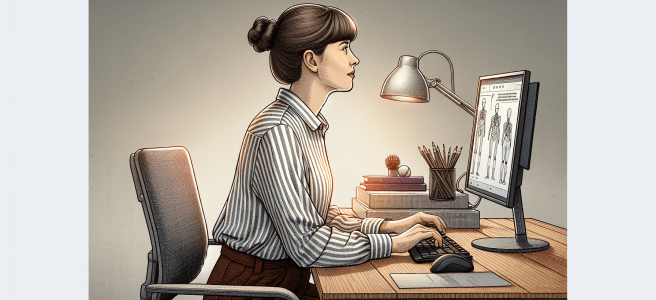
Your posture is a cornerstone of your overall health, influencing everything from musculoskeletal function to internal organ function. Poor posture can lead to chronic strain and discomfort, affecting your daily life and long-term well-being. One common postural issue is known as “upper crossed syndrome,” characterized by excessive tightness in the shoulders and chest paired with weakness in the neck and mid-back muscles. This imbalance forces the shoulders to roll inward and the head to protrude forward, creating a cascade of negative effects throughout the body.

To grasp how upper crossed syndrome wreaks havoc, envision your spine as a sturdy telephone pole and your head as a heavy bowling ball atop it. When the bowling ball is positioned directly over the pole, minimal effort is needed to maintain balance. However, if the pole tilts forward and the ball threatens to roll off, the muscles must work tirelessly to prevent it from falling. This constant effort places undue strain on the muscles of the neck and upper back, leading to chronic discomfort and potential complications.

The repercussions of upper crossed syndrome extend beyond mere discomfort. It can contribute to a host of issues including neck pain, upper back pain, headaches, temporomandibular joint (TMJ) pain, and even arthritis over time. This postural distortion is particularly prevalent among individuals who spend prolonged periods at computer workstations, where slouching and forward head posture are common.

Addressing upper crossed syndrome requires a multifaceted approach aimed at correcting muscular imbalances and optimizing workstation ergonomics. Chiropractic care plays a pivotal role in this process, offering targeted interventions to restore postural alignment and alleviate associated discomfort. Through manual adjustments, chiropractors can realign misaligned vertebrae and alleviate pressure on nerves, facilitating improved posture and function.

Additionally, chiropractors provide guidance on stretches and exercises tailored to address muscle tightness and weakness characteristic of upper crossed syndrome. These exercises aim to elongate tight muscles, such as the chest and front shoulder muscles, while strengthening weakened muscles, particularly those in the neck and mid-back. By restoring muscular balance, chiropractic care helps alleviate strain on the spine and promote better postural alignment.

In conjunction with chiropractic interventions, modifying your workstation ergonomics is crucial for preventing and managing upper crossed syndrome. Simple adjustments, such as raising the computer monitor to eye level, using an ergonomic chair with proper lumbar support, and taking regular breaks to stretch and move, can significantly reduce strain on the neck and back muscles.

By addressing the root causes of upper crossed syndrome through a comprehensive approach that includes chiropractic care and ergonomic modifications, you can effectively manage discomfort and prevent long-term complications. Prioritizing good posture and seeking timely intervention from a chiropractor can help you maintain optimal musculoskeletal health and enjoy a more comfortable, pain-free lifestyle.

Managing Scapular Dyskinesis: Exercise, Posture, and Chiropractic Care

Your shoulder is composed of three bones: the scapula (shoulder blade), the clavicle (collar bone), and the humerus (upper arm bone). These bones come together to form a shallow ball-and-socket joint that relies heavily on the surrounding muscles for support. For your shoulder joint to remain healthy and stable, all the muscles must work in a coordinated manner. When the normal rhythm of your shoulder blade is disrupted, it creates abnormal strain on your shoulder and rotator cuff, a condition known as “scapular dyskinesis.” This dysfunction can crowd the area where your rotator cuff tendons reside, potentially causing painful pinching of the tendons or bursa each time you raise your arm. Many shoulder issues, including sprains, strains, tendinitis, bursitis, or rotator cuff irritation, can result from this often overlooked condition.

Scapular dyskinesis most commonly arises from weakness or imbalance in the muscles that control your shoulder blade. Other times, it can be caused by shoulder conditions such as prior fractures, arthritis, or instability. In about 5% of cases, irritation of the nerves that control the shoulder muscles is the underlying cause.

Despite its potential to cause various shoulder problems, scapular dyskinesis may initially go unnoticed. Studies show that up to 75% of healthy college athletes exhibit some form of abnormal shoulder blade movement. If left untreated, you may begin to experience pain near the top of your shoulder, which can sometimes radiate toward your neck or down your arm. Patients often report a tender spot on the front of their shoulder. Over time, these altered mechanics can lead to more serious issues, including rotator cuff injuries, shoulder instability, and arthritis.

Effective management of scapular dyskinesis involves a multifaceted approach, including consistent exercise, posture awareness, and chiropractic care. Exercises designed to strengthen and balance the shoulder muscles are crucial and must be performed regularly. Additionally, maintaining good posture and avoiding slouched positions can prevent aggravation of the condition.

Chiropractic care plays an important role in the treatment of scapular dyskinesis. Chiropractors are skilled in assessing and addressing musculoskeletal imbalances, including those affecting the shoulder. Through targeted adjustments and therapies, chiropractic care can help restore proper alignment and function to the shoulder blade and surrounding muscles. This approach not only alleviates pain but also prevents the development of further complications by ensuring that the shoulder joint moves correctly.

Chiropractors can also provide valuable guidance on exercises and stretches tailored to your specific needs, enhancing the effectiveness of your rehabilitation efforts. By addressing the root causes of scapular dyskinesis, chiropractic care can help you achieve better shoulder stability and overall joint health.

In summary, scapular dyskinesis is a common but often overlooked cause of shoulder problems. It results from muscle imbalances or weakness, previous injuries, or nerve irritation. Left untreated, it can lead to significant pain and further complications. Consistent exercise, good posture, and chiropractic care are essential components of an effective treatment plan. By incorporating these elements, you can manage scapular dyskinesis effectively, improve shoulder function, and prevent future issues.

Managing Spinal Stenosis: Effective Strategies and Chiropractic Care

The term “stenosis” refers to the narrowing of a tube or opening. In the context of spinal stenosis, it means that the space surrounding your spinal cord and nerve roots has become constricted, leading to nerve compression. This condition can develop in various ways.

Some individuals are born with a spinal canal that is naturally too small, a condition known as congenital stenosis. Others may experience a narrowing of the canal due to surgery or conditions like disc bulges. However, the most common cause of spinal stenosis is chronic arthritic changes, which gradually narrow the canal over many years, typically leading to symptoms later in life.

Patients with spinal stenosis often experience pain, tingling, numbness, or weakness in their legs. While lower back pain may also be present, leg symptoms tend to be more pronounced and troublesome. Symptoms often worsen with standing or walking and improve with sitting or leaning forward, as these positions affect the amount of space available in the spinal canal. Activities like walking downhill can be particularly uncomfortable, whereas walking uphill or pushing a shopping cart or lawn mower can provide relief by promoting slight forward flexion. Sleeping in a fetal position with a pillow between the knees is often the most comfortable position.

The progression of spinal stenosis can vary significantly among individuals. Many patients find that their symptoms remain relatively stable over time. Others may experience either improvement or worsening of their condition. It is important to inform your doctor if you notice symptoms such as coldness, swelling, or changes in the color of your legs. Additionally, report any fever, unexplained weight loss, flu-like symptoms, excessive thirst or urination, numbness in the groin area, or loss of bladder control.

Although there is no non-surgical cure for spinal stenosis, there are effective treatments available to alleviate symptoms and improve mobility. Our treatment plans focus on enhancing your ability to walk and perform daily activities. You will receive exercises designed to improve your conditioning. It is important to avoid activities that exacerbate your pain, such as heavy lifting or prolonged standing, especially those that involve extending your back. If you must stand for extended periods, try elevating one foot on a stool or bar rail for relief. When washing dishes, opening a cabinet door and resting one foot inside the cabinet can provide some flexion and comfort. Recumbent cycling is often a more tolerable form of exercise compared to walking or running. Some patients also find relief using an inversion table.

In addition to these strategies, chiropractic care offers an excellent option for managing spinal stenosis. Chiropractors specialize in the health of the spine and nervous system, focusing on maintaining proper alignment and function. Regular chiropractic adjustments can help alleviate pain, improve mobility, and reduce inflammation, all of which are critical for managing spinal stenosis. By addressing misalignments and promoting optimal spinal health, chiropractic care can help prevent the compensatory patterns that often develop with untreated spinal issues. This approach not only helps in managing pain and discomfort but also supports overall well-being and enhances your quality of life.

By understanding and managing spinal stenosis through these strategies, including chiropractic care, you can maintain a more active and comfortable lifestyle despite the condition.

Discover the Fountain of Youth: The Power of Regular Exercise

Looking for the fountain of youth? Look no further than exercise. Research shows that regular exercise will reduce inflammation in your body, lead to healthier heart and lungs, reduce body fat, increase energy and now, it appears, reverse aging.

Researchers at the Mayo Clinic have found that HIIT workouts might reverse some of the signs of aging when performed 3 times a week.

Chiropractic Care: The Leading Option for Spinal Pain Relief

Understanding Your Spine

Your spine consists of 24 individual vertebrae, stacked one on top of the other, with the lowest five referred to as the lumbar spine. Each vertebra has two main components: the “body” and the “arch.” Imagine a coffee mug lying on its side: the cup represents the vertebral body, and the handle represents the arch. The spinal cord travels through these arches from your brain to your tailbone, making the spine an essential structure for movement and sensation.

What is Lumbar Spondylolysis?

Lumbar spondylolysis is a condition where part of the vertebral arch breaks away from its anchor site on the vertebral body. This condition often develops during adolescence when bones are hardening. Think of young bones as a clay coffee mug that hasn’t been fired in a kiln; they are shaped but not yet hardened. During this time, bones transform from softer, malleable structures to more brittle, solid bones.

Spondylolysis can result from trauma, but it is more commonly a “stress fracture” due to repetitive movements, particularly hyperextension and rotation. People born with a small or weak arch are more susceptible, similar to a coffee mug handle with a thin, brittle attachment.

Who is Affected?

Lumbar spondylolysis usually affects the lowest lumbar vertebra (L5) or occasionally L4. Most patients diagnosed with this condition are between 10-15 years old, although symptoms may not appear until adulthood. It is more prevalent among athletes, especially those involved in sports that predispose them to repetitive stress and hyperextension. Diving, wrestling, weight lifting, track, football, and gymnastics have the highest incidence of spondylolysis.

Symptoms and Diagnosis

The primary symptom of lumbar spondylolysis is back pain that may radiate into the buttock or thigh. Pain typically intensifies with prolonged standing or leaning backward. Movements involving hyperextension, such as leaning backward, should be limited. Females are advised to avoid high heels as they can exacerbate symptoms.

Diagnosis usually involves X-rays or an MRI to identify the presence and severity of the condition. If diagnosed early, your doctor may recommend stopping certain activities or sports until the fracture heals. In some cases, a lumbar brace may be used to aid recovery.

Chiropractic Care: The Leading Option for Spinal Pain Relief

Chiropractic care is an exceptional option for managing and relieving spinal pain, particularly conditions like lumbar spondylolysis. Here’s why:

1. Non-Invasive Treatment: Chiropractic adjustments are non-invasive, focusing on realigning the spine to alleviate pain and improve function without surgery or medication.

2. Pain Relief: Chiropractors use precise techniques to relieve pressure on the vertebrae and nerves, reducing pain and inflammation effectively.

3. Enhanced Mobility: Chiropractic care improves spinal alignment and joint function, enhancing overall mobility and allowing for a more active lifestyle.

4. Prevention: Regular chiropractic visits can prevent future spinal issues by maintaining proper alignment and promoting spinal health.

5. Holistic Approach: Chiropractors provide a holistic approach to care, including lifestyle advice, ergonomic recommendations, and exercises to support recovery and prevent recurrence.

Conclusion

Lumbar spondylolysis can significantly impact daily life, especially for young athletes. Chiropractic care offers a comprehensive, non-invasive solution to manage and alleviate spinal pain effectively. If you’re experiencing symptoms of lumbar spondylolysis, consider chiropractic care as your primary treatment option. Early intervention and regular care can make a significant difference in your recovery and overall spinal health.

Effective Treatment of Carpal Tunnel Syndrome: Chiropractic Care and Laser Therapy

Carpal tunnel syndrome (CTS) is a common condition resulting from the compression or irritation of the median nerve as it travels through the carpal tunnel—a U-shaped channel formed by the eight bones of your wrist. This condition affects 3-5% of the general population, with women being two to three times more likely to develop CTS than men. It typically occurs in adults aged 45-60 and can significantly impact daily activities.

Causes and Risk Factors

Carpal tunnel syndrome is often brought on by activities that involve prolonged wrist flexion and repetitive wrist movements, such as:

  • Keyboard use
  • Supermarket scanning
  • Carpentry
  • Assembly line work

Other factors that can exacerbate CTS include exposure to vibration or cold temperatures. The condition is more common in the dominant hand but frequently affects both hands. Certain health conditions and lifestyle factors increase the risk of developing CTS, including:

  • Diabetes
  • Thyroid disease
  • Rheumatoid arthritis
  • Alcoholism
  • Kidney disease
  • Being short or overweight
  • Fluid retention during pregnancy

Symptoms of Carpal Tunnel Syndrome

Symptoms of CTS often start gradually and may include:

  • Numbness and tingling: Typically felt on the palm side of the thumb, index, middle, and half of the ring finger.
  • Discomfort: This can extend towards the elbow and usually begins as nighttime discomfort or waking up with numb hands.
  • Aggravation by gripping activities: Activities like reading, driving, or painting can worsen the symptoms.
  • “Shaking out” the hands: Early symptoms may be temporarily relieved by shaking the hands.
  • Sensation of tightness or swelling: Although there may be no visible swelling.
  • Hand weakness: In more severe cases, muscle weakness can develop.

CTS can also be part of “double crush syndrome,” where compression of the median nerve in the carpal tunnel is accompanied by compression at another site, such as the spine or muscles in the neck, shoulder, or forearm.

Chiropractic Care and Laser Therapy: Keys to Successful Treatment

1. Chiropractic Care:

Chiropractic adjustments are highly effective in treating carpal tunnel syndrome. Chiropractors can use specific manipulative techniques to alleviate the compression on the median nerve, thereby reducing pain and improving function. These adjustments not only address the wrist but also focus on the entire kinetic chain, including the neck, shoulder, and spine, which can contribute to the symptoms.

  • Alignment Restoration: By realigning the wrist and surrounding joints, chiropractic care helps relieve nerve pressure and enhance mobility.
  • Soft Tissue Therapy: Techniques like myofascial release can reduce muscle tightness and improve blood flow.
  • Ergonomic Advice: Chiropractors often provide guidance on posture and ergonomics to prevent further aggravation of CTS.

2. Laser Therapy:

Laser therapy is an innovative, non-invasive treatment that complements chiropractic care in managing carpal tunnel syndrome. It uses specific wavelengths of light to penetrate the skin and tissues, promoting healing and reducing inflammation.

  • Pain Reduction: Laser therapy helps decrease pain levels by reducing inflammation and promoting tissue repair.
  • Improved Nerve Function: By stimulating cellular activity, laser therapy can enhance nerve function and accelerate healing.
  • Non-Invasive: This treatment is painless and involves no downtime, making it an excellent option for those seeking non-surgical solutions.

Preventative Measures and Additional Treatments

  • Activity Modification: Avoid repetitive wrist flexion activities, such as push-ups and gripping handlebars on a bicycle, to prevent further irritation.
  • Splinting: A special wrist splint that holds your wrist in a neutral or slightly extended position can help alleviate nighttime symptoms.
  • Conservative Care: The American Academy of Neurology recommends conservative treatments like chiropractic care and laser therapy before considering surgical alternatives.

Conclusion

If left untreated, carpal tunnel syndrome can lead to permanent nerve damage. Early intervention with chiropractic care and laser therapy can effectively relieve symptoms and prevent long-term complications. If you’re experiencing symptoms of CTS, don’t wait—seek treatment and start your journey to recovery. Share your experiences or ask questions in the comments below. Let’s work together to keep our hands healthy and pain-free!