Positive Expectations in Whiplash Patients Help with Recovery

443


“High expectations are the key to everything”

– Sam Walton

Now a new study found that this belief may apply to your health as well: Whiplash patients who have a positive expectation to improve tend to recover better and report less pain than those who harbor negative beliefs like fearing movement and re-injury.

If you or someone you know has been involved in accident, call our office today. Check out THIS VIDEO to learn more about resolving neck pain from auto accidents.

Put the shovel down and read this!

Your low back consists of 5 individual vertebrae stacked on top of each other. Flexible cushions called “discs” live between each set of vertebrae. A disc is made up of two basic components. The inner disc, called the “nucleus”, is like a ball of jelly about the size of a marble. This jelly is held in place by the outer part of the disc called the “annulus”, which is a tough ligament that wraps around the inner nucleus much like a ribbon wrapping around your finger.
Your low back relies on discs and other ligaments for support. “Discogenic Low Back Pain” develops when these tissues are placed under excessive stress, much like a rope that frays when it is stretched beyond its normal capacity. Most commonly, disc pain is not the result of any single event, but rather from repeated overloading. Your lumbar discs generally manage small isolated stressors quite well, but repetitive challenges lead to injury in much the same way that constantly bending a piece of copper wire will cause it to break. Examples of these stressors include: bad postures, sedentary lifestyles, poor fitting workstations, repetitive movements, improper lifting, or being overweight.

Approximately one third of adults will experience pain from a lumbar disc at some point in their lifetime. The condition is more common in men. Most lumbar disc problems occur at one of the two lowest discs- L5 or L4. Smokers and people who are generally inactive have a higher risk of lumbar disc problems. Certain occupations may place you at a greater risk, especially if you spend extended periods of time sitting or driving. People who are tall or overweight have increased risk of disc problems.

Symptoms from disc pain may begin abruptly but more commonly develop gradually. Symptoms may range from dull discomfort to surprisingly debilitating pain that becomes sharper when you move. Rest may relieve your symptoms but often leads to stiffness. The pain is generally centered in your lower back but can spread towards your hips or thighs. Be sure to tell your doctor if your pain extends beyond your knee, or if you have weakness in your lower extremities or a fever.

Repeated injuries cause your normal healthy elastic tissue to be replaced with less elastic “scar tissue.” Over time, discs may dehydrate and thin. This process can lead to ongoing pain and even arthritis. Patients who elect to forego treatment and “just deal with it” develop chronic low back pain more than 60% of the time. Seeking early and appropriate treatment like the type provided in our office is critical.

Depending on the severity of your injury, you may need to limit your activity for a while, especially bending, twisting, and lifting, or movements that cause pain. Bed rest is not in your best interest. You should remain active and return to normal activities as your symptoms allow. Light aerobic exercise (i.e. walking, swimming, etc) has been shown to help back pain sufferers. The short-term use of a lumbar support belt may be helpful. Sitting makes your back temporarily more vulnerable to sprains and strains from sudden or unexpected movements. Be sure to take “micro breaks” from workstations for 10 seconds every 20 minutes.

Transformative Recovery: Personal Trainers’ Role in Injury Rehabilitation

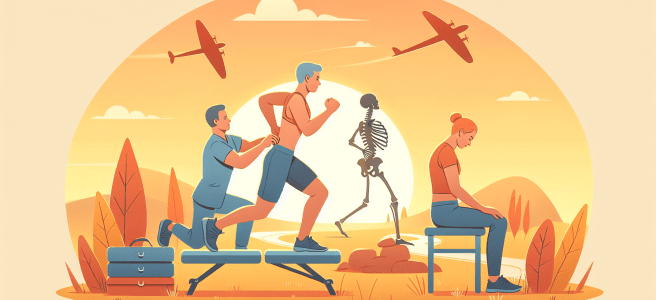
Recovering from an injury can be a challenging and often frustrating journey. While many individuals are eager to return to their regular routines, doing so without proper guidance can lead to further harm and prolonged recovery. This is where the expertise of a personal trainer becomes invaluable. Personal trainers provide tailored support and guidance, ensuring a safe and effective rehabilitation process. Here are key reasons why people with injuries should consider working with a personal trainer:

1. Customized Rehabilitation Programs

Personal trainers assess your specific injury, fitness level, and overall health to create a personalized rehabilitation plan. They design exercises that target the injured area, promoting healing while avoiding movements that could exacerbate the injury. This customized approach ensures that every workout is both safe and beneficial.

2. Expert Knowledge and Experience

Certified personal trainers have extensive knowledge of human anatomy, biomechanics, and injury rehabilitation. They understand the complexities of different injuries and the most effective methods for recovery. Their expertise allows them to select appropriate exercises and modifications, reducing the risk of further injury and speeding up the healing process.

3. Proper Technique and Form

One of the most critical aspects of exercising with an injury is maintaining proper technique and form. Personal trainers provide hands-on instruction and continuous feedback, ensuring that you perform each exercise correctly. This attention to detail helps prevent compensation patterns and incorrect movements that could hinder recovery or cause new injuries.

4. Progress Monitoring and Adjustments

Recovery from an injury is a dynamic process that requires ongoing assessment and adjustment. Personal trainers monitor your progress closely, making necessary modifications to your program based on your healing and feedback. This adaptive approach ensures that your rehabilitation plan evolves with your recovery, maximizing effectiveness and safety.

5. Motivation and Support

Rehabilitating an injury can be mentally and physically taxing. Personal trainers offer invaluable motivation and emotional support, helping you stay committed to your recovery plan. Their encouragement and positive reinforcement can boost your confidence and keep you focused on your goals, even during challenging times.

6. Safe Transition to Regular Activity

Returning to your regular exercise routine or daily activities too quickly can lead to setbacks. Personal trainers guide you through a safe and gradual transition, ensuring that your body is adequately prepared for increased activity levels. They help bridge the gap between rehabilitation and full recovery, reducing the likelihood of re-injury.

7. Education on Injury Prevention

Personal trainers educate clients on proper techniques, body mechanics, and lifestyle choices that can prevent future injuries. They teach you how to listen to your body, recognize early signs of strain, and incorporate preventive measures into your fitness routine. This proactive approach promotes long-term health and reduces the risk of recurrent injuries.

8. Holistic Health and Wellness

Beyond injury rehabilitation, personal trainers take a holistic approach to your health and wellness. They consider factors such as nutrition, sleep, stress management, and overall fitness, all of which play crucial roles in recovery and injury prevention. By addressing these aspects, trainers help you achieve optimal health and well-being.

Conclusion

Working with a personal trainer can be a transformative experience for individuals recovering from injuries. The combination of personalized rehabilitation programs, expert knowledge, proper technique instruction, progress monitoring, motivation, safe transitions, education on injury prevention, and holistic health support creates an ideal environment for recovery. If you’re dealing with an injury and looking to regain your strength and functionality, partnering with a personal trainer could be the key to a successful and sustainable recovery. Prioritize your health and take the first step toward healing with the guidance of a skilled personal trainer.

Managing Upper Crossed Syndrome with Chiropractic Care and Ergonomic Adjustments

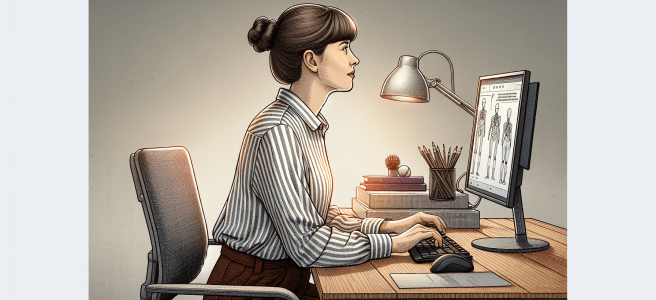
Your posture is a cornerstone of your overall health, influencing everything from musculoskeletal function to internal organ function. Poor posture can lead to chronic strain and discomfort, affecting your daily life and long-term well-being. One common postural issue is known as “upper crossed syndrome,” characterized by excessive tightness in the shoulders and chest paired with weakness in the neck and mid-back muscles. This imbalance forces the shoulders to roll inward and the head to protrude forward, creating a cascade of negative effects throughout the body.

To grasp how upper crossed syndrome wreaks havoc, envision your spine as a sturdy telephone pole and your head as a heavy bowling ball atop it. When the bowling ball is positioned directly over the pole, minimal effort is needed to maintain balance. However, if the pole tilts forward and the ball threatens to roll off, the muscles must work tirelessly to prevent it from falling. This constant effort places undue strain on the muscles of the neck and upper back, leading to chronic discomfort and potential complications.

The repercussions of upper crossed syndrome extend beyond mere discomfort. It can contribute to a host of issues including neck pain, upper back pain, headaches, temporomandibular joint (TMJ) pain, and even arthritis over time. This postural distortion is particularly prevalent among individuals who spend prolonged periods at computer workstations, where slouching and forward head posture are common.

Addressing upper crossed syndrome requires a multifaceted approach aimed at correcting muscular imbalances and optimizing workstation ergonomics. Chiropractic care plays a pivotal role in this process, offering targeted interventions to restore postural alignment and alleviate associated discomfort. Through manual adjustments, chiropractors can realign misaligned vertebrae and alleviate pressure on nerves, facilitating improved posture and function.

Additionally, chiropractors provide guidance on stretches and exercises tailored to address muscle tightness and weakness characteristic of upper crossed syndrome. These exercises aim to elongate tight muscles, such as the chest and front shoulder muscles, while strengthening weakened muscles, particularly those in the neck and mid-back. By restoring muscular balance, chiropractic care helps alleviate strain on the spine and promote better postural alignment.

In conjunction with chiropractic interventions, modifying your workstation ergonomics is crucial for preventing and managing upper crossed syndrome. Simple adjustments, such as raising the computer monitor to eye level, using an ergonomic chair with proper lumbar support, and taking regular breaks to stretch and move, can significantly reduce strain on the neck and back muscles.

By addressing the root causes of upper crossed syndrome through a comprehensive approach that includes chiropractic care and ergonomic modifications, you can effectively manage discomfort and prevent long-term complications. Prioritizing good posture and seeking timely intervention from a chiropractor can help you maintain optimal musculoskeletal health and enjoy a more comfortable, pain-free lifestyle.

Diet: Green Tea & Exercise = Weight Loss.

Diet: Green Tea & Exercise = Weight Loss.

Green tea extract may aid in weight loss, according to a new study published in the Journal of the International Society of Sports Nutrition. Researchers found that recreationally active participants who took a green tea extract capsule every day for four weeks experienced a body fat reduction of 1.63% compared with a placebo group. They also noted a 10.9% increase in exercise performance among those taking the green tea extract during the four-week study. Lead researcher Dr. Dustin Roberts writes, “In essence, our study showed that the use of a green tea extract could potentially help people to lose weight, if combined with exercise. However, we recognize that a larger scale study is now required.”
Journal of the International Society of Sports Nutrition, January 2015

Preventing Compensation Patterns: Optimal Functionality and Performance | Office Approach

Athletes and the general public alike often develop compensation patterns when mild, non-debilitating injuries go untreated. These compensatory patterns can significantly impact performance, whether in sports or daily activities, often resulting in pain and difficulty in movement. Recognizing and addressing these issues is crucial for maintaining optimal functionality and quality of life.

Our office is dedicated to identifying, correcting, and preventing these dysfunctional patterns as part of our comprehensive care approach, especially for patients dealing with long-term pain. When it comes to acute injuries—those that are new or recent—our focus on preventing these patterns is paramount. Addressing them early can lead to a quicker and smoother return to sports, work, and daily life.

Untreated mild injuries can subtly alter the way we move, causing the body to adapt in ways that are not always beneficial. For example, an untreated sprained ankle might cause an individual to favor the uninjured foot, leading to imbalances and strain in other parts of the body. Over time, these imbalances can cause additional problems, such as knee, hip, or back pain. In athletes, even minor changes in movement patterns can lead to significant decreases in performance and an increased risk of further injury.

Our approach to care involves a thorough assessment of each patient’s movement patterns and injury history. This allows us to pinpoint areas where compensations may be occurring. By addressing these issues early, we can help prevent the development of chronic pain and dysfunction. For those already experiencing long-term pain, our goal is to correct these patterns to restore normal function and alleviate discomfort.

In acute injury cases, early intervention is key. When an injury is fresh, the body is in a heightened state of healing and adaptation. This is the ideal time to ensure that healing occurs correctly and that no maladaptive compensation patterns are established. Our treatment plans for acute injuries are designed to support the body’s natural healing processes while providing the guidance and interventions needed to maintain proper movement and function.

Preventing compensation patterns involves a combination of techniques tailored to each individual’s needs. This may include manual therapies to address soft tissue restrictions, joint mobilizations to restore proper alignment and movement, and corrective exercises to strengthen and retrain affected muscles. Education is also a critical component, as understanding how and why compensations occur can empower patients to make adjustments in their daily lives that support their recovery and long-term health.

For athletes, this approach not only helps in recovering from injuries but also enhances overall performance. By ensuring that movement patterns are efficient and free of compensations, athletes can move more effectively, reducing the risk of future injuries and optimizing their physical capabilities.

In conclusion, the development of compensation patterns following untreated mild injuries can lead to decreased performance and increased pain. Our office is committed to addressing these issues through a comprehensive approach that includes identifying, correcting, and preventing dysfunctional movement patterns. Whether dealing with chronic pain or recovering from a recent injury, our goal is to support our patients in achieving a quick and seamless return to their desired activities, free from pain and with improved functionality. Through early intervention and personalized care, we aim to enhance the quality of life and performance for all our patients.

Unlocking Youthful Vitality: HIIT Workouts, Chiropractic Care, and Anti-Aging Secrets

Are you searching for the secret to staying youthful and vibrant? The quest for the fountain of youth may not be as elusive as it seems. In fact, the solution might be closer than you think. Integrating regular exercise and chiropractic care into your lifestyle can form a powerful anti-aging program. Research increasingly supports the idea that a combination of high-intensity interval training (HIIT) and chiropractic adjustments can significantly enhance your overall well-being, reduce the effects of aging, and promote a youthful, energetic body.

Exercise has long been touted for its myriad health benefits, and its role in anti-aging is no exception. Regular physical activity has been shown to reduce inflammation, improve cardiovascular and respiratory health, decrease body fat, and boost energy levels. These benefits collectively contribute to a healthier and more youthful appearance. But recent studies suggest that the effects of exercise on aging go even deeper.

Researchers at the Mayo Clinic have conducted studies indicating that HIIT workouts, when performed three times a week, may reverse some of the biological signs of aging. HIIT, which involves short bursts of intense exercise followed by brief periods of rest or low-intensity exercise, has been found to improve mitochondrial function in muscle cells. This enhancement in mitochondrial activity is crucial because mitochondria, often referred to as the powerhouses of cells, play a vital role in energy production and cellular health. As we age, mitochondrial function tends to decline, leading to decreased energy levels and an increase in age-related ailments. However, engaging in HIIT can rejuvenate these cellular structures, effectively turning back the clock on a cellular level.

Incorporating chiropractic care into your anti-aging regimen can amplify these benefits. Chiropractic care focuses on the health of the spine and nervous system, which are integral to overall wellness. Misalignments in the spine, known as subluxations, can impede the nervous system’s ability to communicate effectively with the rest of the body. This can lead to a host of health issues, including chronic pain, decreased mobility, and a diminished ability to recover from physical stress—all of which can accelerate the aging process.

Regular chiropractic adjustments can help maintain proper spinal alignment, ensuring that the nervous system functions optimally. This can enhance your body’s natural healing processes, improve your posture, and increase your range of motion. By alleviating pain and improving physical function, chiropractic care enables you to engage more fully in physical activities, including HIIT workouts, thereby reinforcing the anti-aging benefits of exercise.

Moreover, chiropractic care has been shown to reduce inflammation, much like regular exercise. Chronic inflammation is a key contributor to the aging process and various age-related diseases. By addressing inflammation through both chiropractic adjustments and regular physical activity, you can significantly mitigate these risks and promote a healthier, more youthful body.

In addition to its physical benefits, the combination of exercise and chiropractic care can have profound effects on mental health. Regular physical activity is known to reduce stress, anxiety, and depression, while chiropractic care can help alleviate headaches and improve sleep quality. Together, these practices support a more balanced and resilient mental state, which is crucial for maintaining a youthful outlook on life.

In conclusion, the journey to the fountain of youth involves a holistic approach that includes both regular exercise and chiropractic care. By committing to a routine that features HIIT workouts three times a week and consistent chiropractic adjustments, you can enhance your physical health, reduce the signs of aging, and enjoy a more vibrant, energetic life. Embrace this comprehensive anti-aging program to unlock your full potential and maintain your youthfulness well into the future.


Diet: Green Tea & Exercise = Weight Loss.

Diet: Green Tea & Exercise = Weight Loss.

Green tea extract may aid in weight loss, according to a new study published in the Journal of the International Society of Sports Nutrition. Researchers found that recreationally active participants who took a green tea extract capsule every day for four weeks experienced a body fat reduction of 1.63% compared with a placebo group. They also noted a 10.9% increase in exercise performance among those taking the green tea extract during the four-week study. Lead researcher Dr. Dustin Roberts writes, “In essence, our study showed that the use of a green tea extract could potentially help people to lose weight, if combined with exercise. However, we recognize that a larger scale study is now required.”
Journal of the International Society of Sports Nutrition, January 2015

Chiropractic: Musculoskeletal Pain Affects School Teachers.

Photo by Karolina Grabowska on Pexels.com

Chiropractic: Musculoskeletal Pain Affects School Teachers.

An assessment of 486 self-evaluation surveys from female school teachers in Saudi Arabia reveals that musculoskeletal pain is surprisingly prevalent in the profession. Their most common complaint was low back pain, followed by knee pain, heel pain, shoulder pain, upper back pain, hip joint pain, ankle pain, and neck pain. Furthermore, nearly half (46.1%) of the teachers surveyed claimed that their pain affected their teaching performance. Pakistan Journal of Medical Sciences, November 2014

Mental Attitude: Childhood Neglect May Affect Brain Development.

Mental Attitude: Childhood Neglect May Affect Brain Development.

A new study finds that severe childhood neglect may cause structural changes to the brain, but early intervention may reverse such alterations. Researchers found that children who remained in institutional care exhibited structural changes in certain areas of the brain’s white matter which facilitate communication between different areas of the brain. However, they found that children who had been moved from institutional care to foster care had white matter similar to that of children who had never been in institutional care, suggesting that the movement to foster care reversed the white matter abnormalities. The researchers write, “Our findings have important implications for public health related to early prevention and intervention for children reared in conditions of severe neglect or adverse contexts more generally.” JAMA Pediatrics, January 2015