How Chiropractic Care Can Help with Ankle Pain

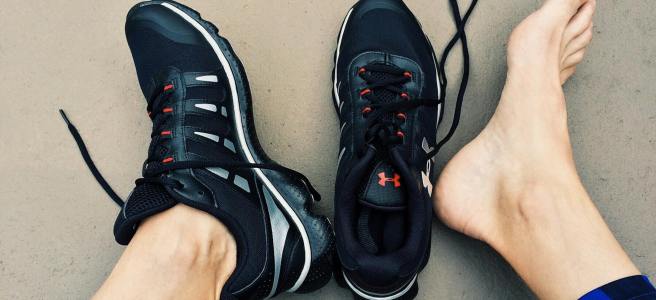
Photo by Pixabay on Pexels.com

Ankle pain can result from various causes, such as sprains, strains, arthritis, or even poor posture. When left untreated, it can limit your mobility and interfere with daily activities. Chiropractic care offers a natural and effective solution for addressing ankle pain by treating the underlying causes rather than just masking the symptoms.

Chiropractors specialize in adjusting and realigning the joints, including the ankle. When your ankle is misaligned, it can place undue stress on surrounding muscles, tendons, and ligaments, leading to pain and inflammation. By restoring proper alignment, chiropractic care can alleviate pain, improve joint mobility, and promote faster healing.

In addition to adjustments, chiropractors may incorporate other techniques such as soft tissue therapy, stretching exercises, and personalized rehabilitation programs. These complementary treatments help strengthen the ankle and surrounding areas, reducing the risk of future injuries.

If you’re experiencing ankle pain, whether from an injury or chronic condition, chiropractic care can provide relief and get you back on your feet. Learn more about how chiropractic treatments can help at rivereastchiropractic.ca.

Now Open Until 8pm Mondays and Thursdays.

How Chiropractic Care Can Help with Back Pain

Back pain is a widespread issue affecting people of all ages and lifestyles. Whether it’s due to poor posture, an injury, or long hours at a desk, back pain can seriously impact your quality of life. Chiropractic care offers a drug-free, non-invasive way to address the root cause of back pain and provide lasting relief.

Chiropractors specialize in spinal adjustments, which help to realign the spine and improve the body’s natural ability to heal itself. Misalignments, also known as subluxations, can put pressure on the nerves, leading to pain, inflammation, and reduced mobility. By correcting these misalignments, chiropractic care can relieve pain, reduce inflammation, and improve overall spinal health.

In addition to spinal adjustments, chiropractors may use other therapies such as soft tissue massage, stretching, and exercises to support the healing process. Many patients report reduced pain and increased flexibility after just a few sessions.

If you’re dealing with chronic or acute back pain, chiropractic care could be the solution you need. Learn more about how chiropractic care can help you at rivereastchiropractic.ca.

Now Open Until 8pm Mondays and Thursdays.

How Laser Therapy Can Help Carpal Tunnel Syndrome

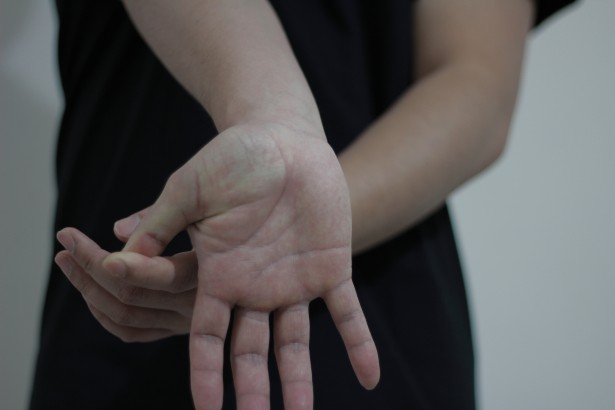
Photo by Kindel Media on Pexels.com

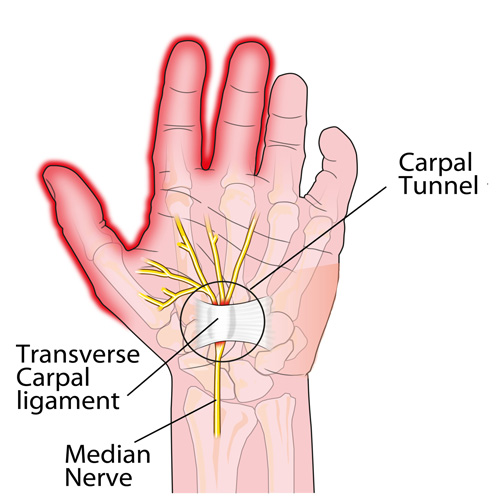
Carpal Tunnel Syndrome (CTS) is a common condition caused by pressure on the median nerve in the wrist, leading to pain, tingling, and numbness in the hand and arm. While traditional treatments like wrist splints or surgery can help, laser therapy has emerged as a non-invasive and effective solution for many sufferers.

Laser therapy works by using concentrated light energy to stimulate the body’s healing process. When applied to the wrist, it helps reduce inflammation, improve blood flow, and accelerate tissue repair, relieving the pressure on the median nerve. Patients often experience pain relief and restored function after just a few sessions, without the need for medication or surgery.

This treatment is especially beneficial for those seeking a quicker recovery time with minimal side effects. It is safe, painless, and typically takes just a few minutes per session.

If you’re struggling with Carpal Tunnel Syndrome, laser therapy could be the solution you’ve been searching for. Learn more about how this treatment can help at rivereastchiropractic.ca.

Now Open Until 8pm Mondays and Thursdays.

CTS Exercises?

CTS Stretch

Carpal Tunnel Syndrome (CTS) is the leading cause of numbness to the middle three fingers and thumb and affects millions of Americans each year. There are MANY potential causes of CTS, and these causes can be unclear or multi-factorial. We have discussed the importance of night splints and what chiropractic can do for CTS in the recent past. This month, let’s look at what YOU can do for CTS.
“Self-help” concepts are VERY important as they empower YOU to gain control of your condition’s signs and symptoms, thus placing less reliance on those of us who manage (in this case) CTS. There is a time for “PRICE” or, Protect, Rest, Ice, Compress, Elevate, such as when most activities make symptoms worse. This is the time for splinting, reducing activities of daily living (which sometimes includes work restrictions), and the use of ice cupping or massage. Patients should initiate movement or exercise-based approaches as soon as such activities can be tolerated. Here are four different exercises you can do:
1. Fist / “Bear Claw” / Open Wide Hand: This is a three-step exercise, and you can start or stop on any of the three “steps.” A. FIST:  Make a fist and squeeze as tightly as tolerated; B. BEAR CLAW: Starting from the fist position (A), open only the palm of the hand (keep your thumb and fingers bent but straighten the big knuckle joints at the base of the fingers); C. OPEN WIDE: Straighten and spread ALL your finger joints by opening up your hand as much as possible and feel for a good stretch in the palm. HOLD each position for one to five seconds (vary the “speed” of moving between the three positions – fast, medium, and slow; emphasize what feels best if you have a preference). Repeat five to ten times or until your hands feel looser.
2. “Church Steeple”: Place your hands together in front of you (“prayer position”) touching the pads of the thumbs and all four fingertips together and spread your fingers as wide as possible. Next, separate your palms as far as you can while applying pressure against your finger/thumb tips and repeat. Alter the speed and number of repetitions until your hands feel stretched out.
3. “Shake and Flick”: Simply shake your hands as if you just washed them and you’re shaking the water off to “air dry” them. Again, alter the speed and reps until they feel loosened up.
4. Forearm Stretches: Place one arm out in front, elbow straight, and fingers pointed straight, palm up (first set). Reach with the opposite hand and pull the fingers, hand, and wrist down and back towards you until you feel a strong “pull” in your forearm muscles. Hold until the forearm muscles feels stretched (5-10 seconds). Repeat this with the palm facing down for the second set to stretch the opposite (extensor) forearm muscles.
Do these on each side two to three times each (even the “good” side) EVERY HOUR (or as often as possible). Think about what you do on a daily basis and if you work in a repetitive manner (on the job or a hobby at home), try to do these exercises DURING THE REPETITIVE ACTIVITY to help keep your symptoms from getting out of control. If you can alter the position or speed of a work or avocational activity, do so for long-term prevention purposes!
If you cannot gain control of your CTS condition, you may need additional treatment options of which chiropractic offers a safe, non-surgical approach.
We realize you have a choice in whom you consider for your health care provision and we sincerely appreciate your trust in choosing our service for those needs.  If you, a friend, or family member requires care for Carpal Tunnel Syndrome, we would be honored to render our services.

Plantar Fasciitis In A Nutshell

The “Plantar fascia” is a fibrous band running from the under surface of your heel to the ball of your foot. “Plantar fasciitis” is a painful inflammation of this tissue caused by chronic over stretching and mild tearing.

Plantar fasciitis is commonly associated with fallen arches of the foot. To understand how this happens, cup your hand to make a “C” shape. This represents a foot with a high arch.

Imagine a band running from your fingertips to your wrist. This represents the plantar fascia. Now, straighten your fingers to simulate what happens when the arch “falls.” When this happens in your foot, the plantar fascia is stretched and can begin to tear away from your heel.

Plantar fasciitis affects 10% of the population and is more common in women. Approximately one fourth of patients have the problem in both feet at the same time. People who place excessive stress on their feet by being overweight, standing for long periods, or participating in endurance sports are more likely to develop the condition as well. Shoes without adequate arch supports, including sandals or going barefoot, increase your chances of developing plantar fasciitis. Wearing high-heeled shoes or boots may contribute to the problem.

The most common symptom of plantar fasciitis is pain in the heel or arch when standing up after a period of inactivity, particularly first thing in the morning. When you are sleeping, the arch is in a relaxed or shortened state, and the plantar fascia is able to heal. When you stand up first thing in the morning, you stretch the fascia, once again tearing it away from its attachment on the heel. The condition may progress to the point that you experience pain throughout the day, even while resting. The pain often eases after you walk for a period of time, only to redevelop. You may notice some tenderness when you touch your heel, and you probably have tight calf and hamstring muscles as well.

Plantar fasciitis can be a frustrating condition, often lasting 18 months or more if left untreated. Fortunately, you may recover more quickly with proper treatment. One of the most important things that you can do is to make sure that you are wearing shoes with good arch supports on a consistent basis. A period of rest may be necessary to help you recover. Runners may need to temporarily decrease mileage or switch to less stressful activities like swimming, cycling, or using an elliptical machine. A splint or “Strassburg sock” worn at night will help to keep your plantar fascia in a stretched position while it is healing.

Plantar Fasciitis and Laser Therapy

What is it?

Plantar fasciitis is inflammation of the thick tissue on the bottom of the foot that connects the heel to the toes and creates the arch of the foot.

Symptoms

The most common complaint is pain in the bottom of the heel. The heel pain may be dull or sharp. The bottom of the foot may also ache or burn. This can be painful and make walking more difficult.
The pain is usually worse:

  • In the morning when you take your first steps
  • After standing or sitting for a while
  • When climbing stairs
  • After intense activity

The pain may develop slowly over time, or suddenly after intense activity.

What Causes Plantar Fasciitis?

Plantar fasciitis develops because of repeated small tears to the flat band of ligamentous tissue that connects your heel to the bones of your toes. These tears weaken the arch that supports the foot. As the arch of the foot weakens, increasing strain is placed on the deeper ligaments and tendons of the foot and lower leg. Over time, Plantar Fasciitis can result in Chronic Pain, Heel Spurs and Degenerative Joint Disease (Arthritis).
You are more likely to get plantar fasciitis if you have:
• Foot arch problems (both flat feet and high arches)
• Long-distance running, especially running downhill or on uneven surfaces
• Sudden weight gain or obesity
• Tight Achilles tendon (the tendon connecting the calf muscles to the heel)
• Shoes with poor arch support or soft soles
Plantar fasciitis is seen in both men and women. However, it most often affects active men ages 40 – 70. It is one of the most common orthopedic complaints relating to the foot.
Plantar fasciitis is commonly thought of as being caused by a heel spur, but research has found that this is not the case. On x-ray, heel spurs are seen in people with and without plantar fasciitis.

Signs and tests

The health care provider will perform a physical exam. This may show:
• Tenderness on the bottom of your foot
• Flat feet or high arches
• Mild foot swelling or redness
• Stiffness or tightness of the arch in the bottom of your foot.

Physicians typically treat Plantar Fasciitis with anti-inflammatory drugs and steroid injections. These medications temporarily reduce the pain associated with Plantar Fasciitis but do not treat the cause of the problem. Traditional methods can usually take between 9 months to two years to resolve this condition.

Class IV Laser Plantar Fasciitis Program 

Our program utilizes the latest class IV Lasers, and combines them with other therapies to help reduce the pain, strengthen the muscles around the foot and ankle joints, and increase range of motion. The Class IV Laser is at the heart of our treatment program. It provides a safe, effective, non-invasive, painless solution for plantar fasciitis. Patients generally respond exceptionally well to treatments and usually notice significant pain relief after just a few treatments.

Permanent correction of Plantar Fasciitis requires two procedures.

1. Heal the Damaged Fascia

Ending the pain caused by Plantar Fasciitis requires stopping the cycle of inflammation. This is critical because chronically inflamed tissues block the flow of needed nutrients and oxygen to surrounding muscles and joints. The advanced CLASS IV LASER restores the flow of nutrients and oxygen to the inflamed tissue allowing the cells to repair themselves at an accelerated rate.

2. Correct the Foot and Gait Mechanics

Most cases of plantar fasciitis are resolved very easily with Class IV Laser Therapy alone; however, if the condition has become chronic this can lead to alterations in the gait that will have to be addressed. This could involve stabilizing the arch with orthotics  or implementing a simple series of specific strengthening and stretching exercises.
Plantar fasciitis when treated early has an exceptionally good prognosis with our protocol. We encourage those with Plantar Fasciitis to seek our help right away. The longer one suffers with this painful condition the more likely it will cause other conditions in the knee, hip and spine.

What Causes Low Back Pain?

236

Low back pain (LBP) can arise from disks, nerves, joints, and the surrounding soft tissues.
To simplify the task of determining “What is causing my LBP?” the Quebec Task Force recommends that LBP be divided into three main categories: 1) Mechanical LBP; 2) Nerve root related back pain; and 3) Pathology or fracture. We will address the first two, as they are most commonly managed by chiropractors.
Making the proper diagnosis points your doctor in the right direction regarding treatment. It avoids time wasted by treating an unrelated condition, which runs the risk of increased chances of a poor and/or prolonged recovery. Low back pain is no exception! The “correct” diagnosis allows treatment to be focused and specific so that it will yield the best results.
Mechanical low back pain is the most commonly seen type of back pain, and it encompasses pain that arises from sprains, strains, facet and sacroiliac (SI) syndromes, and more. The main difference between this and nerve root-related LBP is the ABSENCE of a pinched nerve. Hence, pain typically does NOT radiate, and if it does, it rarely goes beyond the knee and normally does not cause weakness in the leg.
The mechanism of injury for both types of LBP can occur when a person does too much, maintains an awkward position for too long, or over bends, lifts, and/or twists. However, LBP can also occur “insidiously” or for seemingly no reason at all. However, in most cases, if one thinks hard enough, they can identify an event or a series of “micro-traumas” extending back in time that may be the “cause” of their current low back pain issues.
Nerve root-related LBP is less common but it is often more severe—as the pain associated with a pinched nerve is often very sharp, can radiate down a leg often to the foot, and cause numbness, tingling, and muscle weakness. The location of the weakness depends on which nerve is pinched. Think of the nerve as a wire to a light and the switch of the nerve is located in the back where it exits the spine. When the switch is turned on (the nerve is pinched), and the “light” turns on—possibly in the outer foot, middle foot, inner foot, or front, back or side of the thigh. In fact, there are seven nerves that innervate or “run” into our leg, so usually, a very specific location “lights up” in the limb.
Determining the cause of your low back pain helps your doctor of chiropractic determine which treatments may work best to alleviate your pain as well as where such treatments can be focused.

Carpal Tunnel Syndrome #3

This week, we will conclude our three-part series on important facts regarding carpal tunnel syndrome (CTS).

CTS TREATMENT OPTIONS (continued): Aside from the carpal tunnel, there are several places where the median nerve can become compressed as it travels from the neck, down through the shoulder, through tight muscular areas of the upper arm and forearm, and finally through the carpal tunnel at the wrist. In order to achieve good, long-lasting results, treatment must focus on relieving compression at any point along the course of the nerve. This is why chiropractic works SO WELL as it addresses ALL of these areas using manual adjustments, muscle release techniques, and even physical therapy modalities.

CTS PREVENTION: Because there are multiple causes of CTS, prevention must be tailored to each person. For example, if the patient has diabetes mellitus, maintaining a proper blood sugar level is very important because the blood becomes thicker as the sugar levels increase and it simply cannot pass through our small blood vessels (capillaries), especially those located in the feet and hands. This can eventually lead to the need for amputation due to poor circulation and contribute to the numbness associated with diabetic neuropathy.

Similarly, low thyroid function results in a type of swelling called myxedema that can cause or worsen CTS, and keeping the thyroid hormone balanced in the bloodstream is very important. Managing other conditions that create inflammation or swelling, such as rheumatoid and other types of arthritis, will also help prevent CTS from developing or worsening.

Carpal tunnel syndrome can also occur during pregnancy due to the hormonal shifts similar for those taking birth control pills. The PRICE treatment options presented last month can be very helpful for the pregnant mother and represent important non-medication self-care approaches.

Certain occupations that require fast, repetitive work and/or firm gripping can result in carpal tunnel syndrome because of the friction that results in swelling that occurs when the muscle tendons inside the carpal tunnel rub excessively fast together (kind of like starting a fire with two sticks). Modifying the work task until the swelling is controlled is VERY important, as discussed last month.

Other preventative measures include exercises that keep the muscles and tendons in the forearm and inside the carpal tunnel stretched so that the tendons easily slide inside their respective muscle tendon sheaths. This is accomplished by placing the palm side of the hand (elbow straight) on a wall with the fingers pointing downwards while reaching across with the opposite hand and pulling the thumb back until you feel a good firm stretch. Hold this position for 5-10 seconds or until the forearm muscles feel like they are relaxing. Repeat this multiple times a day.

We realize you have a choice in whom you consider for your health care provision and we sincerely appreciate your trust in choosing our service for those needs.  If you, a friend, or family member requires care for Carpal Tunnel Syndrome, we would be honored to render our services.

Carpal Tunnel

Do I have a tension headache? Or Migranes?

Cervicogenic

Most likely, everyone reading this article has had a headache at one time or another. The American Headache Society reports that nearly 40% of the population suffers from episodic headaches each year while 3% have chronic tension-type headaches. The United States Department of Health and Human Services estimates that 29.5 million Americans experience migraines, but tension headaches are more common than migraines at a frequency of 5 to 1. Knowing the difference between the two is important, as the proper diagnosis can guide treatment in the right direction.

TENSION HEADACHES: These typically result in a steady ache and tightness located in the neck, particularly at the base of the skull, which can irritate the upper cervical nerve roots resulting in radiating pain and/or numbness into the head. At times, the pain can reach the eyes but often stops at the top of the head. Common triggers include stress, muscle strain, or anxiety.

MIGRAINE HEADACHES: Migraines are often much more intense, severe, and sometimes incapacitating. They usually remain on one side of the head and are associated with nausea and/or vomiting. An “aura”, or a pre-headache warning, often comes with symptoms such as a bright flashing light, ringing or noise in the ears, a visual floater, and more. For migraine headaches, there is often a strong family history, which indicates genetics may play a role in their origin.

There are many causes for headaches. Commonly, they include lack of sleep and/or stress and they can also result from a recent injury—such as a car accident, and/or a sports injury—especially when accompanied by a concussion.

Certain things can “trigger” a migraine including caffeine, chocolate, citrus fruits, cured meats, dehydration, depression, diet (skipping meals), dried fish, dried fruit, exercise (excessive), eyestrain, fatigue (extreme), food additives (nitrites, nitrates, MSG), lights (bright, flickering, glare), menstruation, some medications, noise, nuts, odors, onions, altered sleep, stress, watching TV, red wine/alcohol, weather, etc.

Posture is also a very important consideration. A forward head carriage is not only related to headaches, but also neck and back pain. We’ve previously pointed out that every inch (2.54 cm) the average 12 pound head (5.44 kg) shifts forwards adds an EXTRA ten pounds (4.5 kg) of load on the neck and upper back muscles to keep the head upright.

So, what can be done for people who suffer from headaches? First, research shows chiropractic care is highly effective for patients with both types of headaches. Spinal manipulation, deep tissue release techniques, and nutritional counseling are common approaches utilized by chiropractors. Patients are also advised to use some of these self-management strategies at home as part of their treatment plan: the use of ice, self-trigger point therapy, exercise (especially strengthening the deep neck flexors), and nutritional supplements.