Intermittent Fasting: A Guide to Better Health

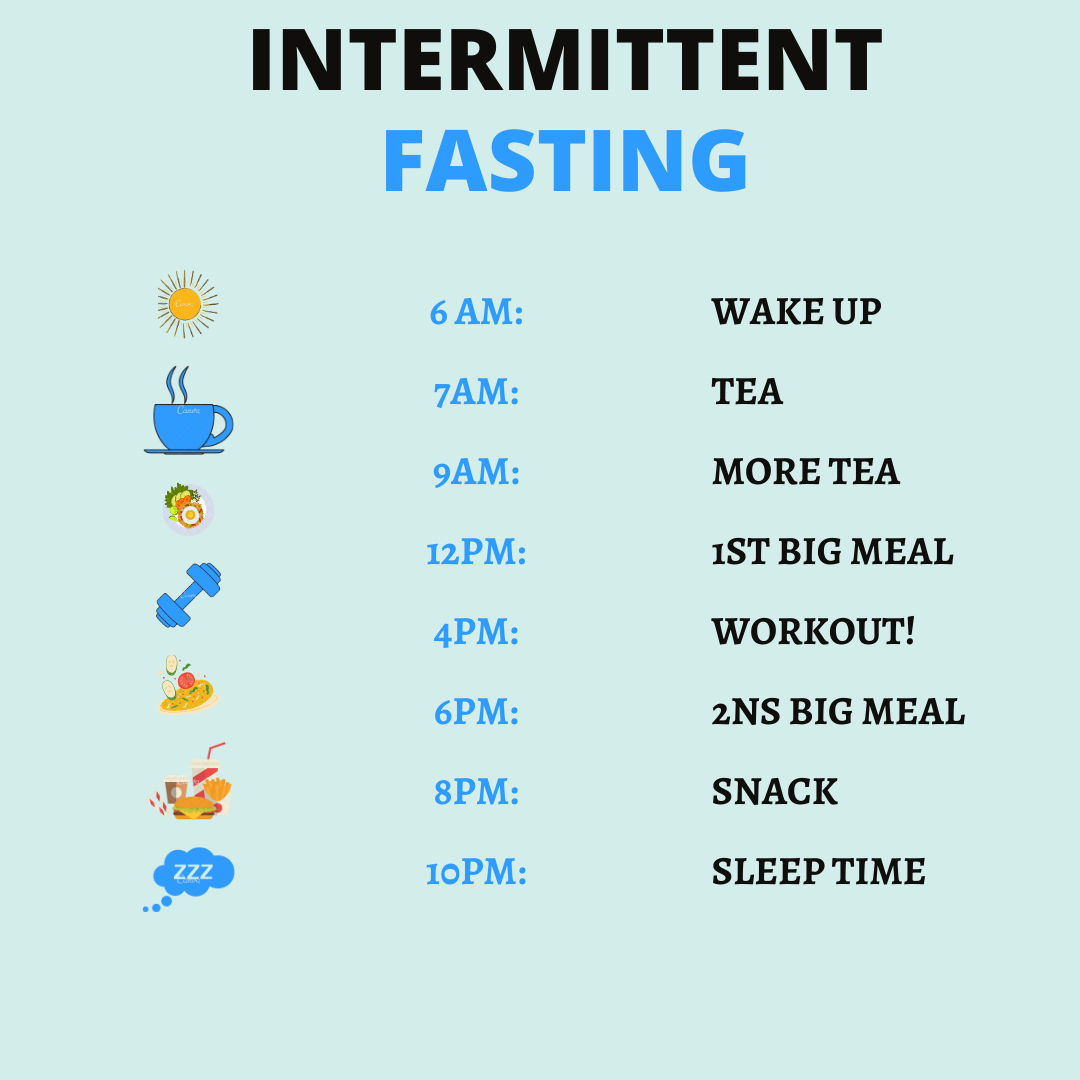
Intermittent fasting (IF) is an eating pattern that alternates between periods of eating and fasting. Unlike traditional diets, it doesn’t focus on what you eat but when you eat. Common methods include the 16/8 method, where you fast for 16 hours and eat during an 8-hour window, and the 5:2 approach, which involves eating normally for five days and restricting calorie intake to about 500-600 calories on two non-consecutive days.

The potential benefits of intermittent fasting extend beyond weight loss. Studies suggest it may help improve metabolic health, reduce inflammation, and enhance brain function. By giving your digestive system a break, IF can promote better blood sugar control and increase insulin sensitivity. Some people also find it simpler to follow than restrictive diets, as it doesn’t require cutting out specific food groups.

However, intermittent fasting isn’t for everyone. It may not be suitable for individuals with certain medical conditions or those who are pregnant or breastfeeding. If you’re considering trying IF, it’s best to consult a healthcare professional to determine if it’s right for you. Overall, intermittent fasting can be a flexible and effective tool for those seeking better health and weight management.

The Connection Between Diet and Inflammation

Inflammation is a natural response by the body’s immune system to injury or infection, but chronic inflammation can lead to various health issues, including arthritis, heart disease, and even some cancers. One of the most effective ways to manage and reduce inflammation is through diet. Understanding which foods can exacerbate inflammation and which can help combat it is essential for overall health.

Certain foods are known to promote inflammation. Processed foods high in sugar, trans fats, and refined carbohydrates can trigger an inflammatory response in the body. For instance, sugary beverages, fast food, and snacks containing artificial ingredients can increase levels of pro-inflammatory markers. Additionally, excessive consumption of red and processed meats has been linked to higher inflammation levels.

Conversely, incorporating anti-inflammatory foods into your diet can help mitigate inflammation. Foods rich in omega-3 fatty acids, such as fatty fish (like salmon and mackerel), walnuts, and flaxseeds, have been shown to reduce inflammatory markers. Fruits and vegetables, particularly those high in antioxidants, such as berries, spinach, and kale, also play a significant role in combating inflammation.

Spices and herbs like turmeric and ginger are powerful anti-inflammatory agents. Turmeric contains curcumin, a compound with strong anti-inflammatory properties. Including these spices in your meals can enhance flavor while providing health benefits.

Maintaining a balanced diet rich in whole, unprocessed foods while minimizing inflammatory triggers is key to promoting overall health. If you’re looking to make dietary changes to reduce inflammation, consider consulting a healthcare professional or a registered dietitian for personalized guidance.

At River East Chiropractic, we’re committed to helping you achieve your health goals. Learn more about our services at rivereastchiropractic.ca.

Now Open Until 8pm Mondays and Thursdays.

Understanding Low Back Pain in Curling: Causes and Prevention

Photo by SHVETS production on Pexels.com

Curling is a unique sport that combines skill, strategy, and teamwork. However, the physical demands of the game can put considerable strain on the lower back, leading to pain and discomfort. Understanding the causes of low back pain in curling and implementing preventive measures is crucial for maintaining performance and overall health.

One of the primary contributors to low back pain in curling is the repetitive bending and twisting motions required during delivery and sweeping. The act of sliding the stone involves a deep knee bend and significant rotation of the torso, placing stress on the lumbar spine. This repeated strain can lead to muscle imbalances, ligament sprains, and even disc injuries.

Inadequate conditioning is another risk factor. Many curlers may not engage in sufficient core strengthening or flexibility exercises, which are essential for supporting the lower back during the dynamic movements of the sport. Weak core muscles can lead to poor posture and increased vulnerability to injuries.

To prevent low back pain, curlers should prioritize proper technique and body mechanics. Ensuring a stable stance during delivery and maintaining a neutral spine can help minimize strain. Incorporating a warm-up routine that includes stretching and mobility exercises before games is also beneficial.

Strength training focused on the core, hips, and legs can improve stability and support the lower back. Additionally, cross-training with activities like yoga or Pilates can enhance flexibility and balance, reducing the risk of injury.

If you experience persistent low back pain while curling, it’s essential to seek guidance from a healthcare professional. At River East Chiropractic, we offer personalized treatment plans to address back pain and improve overall performance. Learn more at rivereastchiropractic.ca.

Now Open Until 8pm Mondays and Thursdays.

The Connection Between Sleep and Pain

Photo by Andrea Piacquadio on Pexels.com

Sleep and pain are closely intertwined; inadequate sleep can exacerbate pain, while persistent pain can significantly disrupt sleep patterns. Understanding this connection is essential for managing chronic pain and improving overall health.

When you don’t get enough restorative sleep, your body’s ability to heal and recover diminishes. Lack of sleep can heighten sensitivity to pain, making even minor discomfort feel more intense. Studies have shown that individuals with chronic pain often experience sleep disturbances, leading to a cycle where pain interferes with sleep, and poor sleep exacerbates pain.

Conversely, quality sleep is crucial for pain management. During deep sleep, the body produces cytokines, proteins that help combat inflammation and pain. Establishing a regular sleep routine, creating a calming bedtime environment, and practicing relaxation techniques can improve sleep quality.

Certain lifestyle factors can also influence both sleep and pain. Regular physical activity, a balanced diet, and stress management can contribute to better sleep and reduced pain levels.

If you’re struggling with pain or sleep issues, addressing both aspects can lead to improved overall well-being. For personalized strategies and support, consider consulting a healthcare professional.

Learn more about our services at rivereastchiropractic.ca.

Now Open Until 8pm Mondays and Thursdays.

The Importance of Movement in Pain Reduction

When dealing with pain, it’s natural to want to rest and avoid movement. However, staying inactive can actually make pain worse in the long run. Movement plays a crucial role in pain reduction by improving circulation, strengthening muscles, and promoting flexibility.

When we move, blood flow to the affected area increases, bringing essential nutrients and oxygen that help reduce inflammation and speed up healing. For example, gentle stretching or walking can alleviate stiffness and tension in the muscles and joints, making movement less painful over time.

Regular physical activity also strengthens the muscles that support the spine and joints, reducing the strain on these structures. This is especially important for people dealing with chronic conditions like back pain or arthritis, where weak muscles can exacerbate discomfort.

Movement also helps maintain flexibility, preventing stiffness that can restrict mobility and lead to further pain. Low-impact activities like walking, swimming, or yoga can gently stretch muscles and improve range of motion without overloading the joints.

If you’re experiencing pain, incorporating movement into your routine can provide long-term relief. A healthcare professional, like those at River East Chiropractic, can help guide you toward the right exercises for your condition. Learn more at rivereastchiropractic.ca.

Now Open Until 8pm Mondays and Thursdays.

Understanding the Causes of Low Back Disc Injuries

Disc injuries in the lower back, such as herniated or bulging discs, are a common source of pain and discomfort. The discs in your spine act as cushions between the vertebrae, but various factors can cause them to weaken or become damaged over time.

One of the leading causes of disc injuries is poor posture. Sitting for long periods, especially with improper alignment, places excessive pressure on the lower back, leading to degeneration or injury. Heavy lifting, especially with incorrect technique, can also strain the discs. Twisting or bending while lifting can cause the disc to bulge or rupture.

Age-related wear and tear is another contributing factor. As we age, the discs lose water content and become less flexible, making them more susceptible to injury. This natural degeneration can lead to conditions like degenerative disc disease.

Obesity can also increase the risk of disc injuries, as extra body weight puts more pressure on the spine. Additionally, sedentary lifestyles and lack of core strength reduce the support for the spine, leading to increased vulnerability.

If you’re dealing with low back pain from a disc injury, early treatment can help. Learn more about treatment options at rivereastchiropractic.ca.

Now Open Until 8pm Mondays and Thursdays.

Explore the Full Range of Services at River East Chiropractic

Fitness Quote 11/1/2022

At River East Chiropractic, we are dedicated to providing a comprehensive approach to health and wellness. We offer a variety of services designed to help you achieve optimal well-being, reduce pain, and improve mobility.

Our chiropractic care focuses on spinal health, offering adjustments to correct misalignments and relieve conditions like back pain, headaches, and joint discomfort. Acupuncture is another powerful tool, using fine needles to stimulate the body’s natural healing process, improving energy flow and reducing pain and inflammation.

We also offer massage therapy, which targets muscle tension and promotes relaxation, making it a perfect complement to chiropractic treatments. For those looking to improve their core strength and flexibility, our Pilates sessions provide low-impact exercises that help enhance posture and balance.

Our personal training services are designed to create tailored fitness plans that address your specific health needs, whether you’re recovering from an injury or working toward new fitness goals. For those seeking non-invasive pain relief, our laser therapy uses concentrated light energy to reduce inflammation and promote faster healing for conditions such as carpal tunnel or sports injuries.

Discover more about how these services can support your health at rivereastchiropractic.ca.

Now Open Until 8pm Mondays and Thursdays.

Introducing Our Brand New Fitness Facility at River East Chiropractic

We are excited to announce the grand opening of our brand new fitness facility at River East Chiropractic! This state-of-the-art gym is designed to complement our chiropractic services by offering a holistic approach to health and wellness. Whether you’re looking to improve your strength, flexibility, or overall fitness, our new facility has everything you need to support your goals.

Our gym features modern equipment, including cardio machines, strength training tools, and free weights, perfect for a full-body workout. In addition to the equipment, we offer personalized fitness plans tailored to your individual needs, ensuring that you can exercise safely and effectively. Our on-site team is here to provide guidance, whether you’re recovering from an injury or looking to improve your general fitness levels.

At River East Chiropractic, we believe that regular exercise is key to maintaining spinal health and overall well-being. Combining chiropractic care with a structured fitness routine can help you achieve long-lasting relief from pain, improve mobility, and enhance your quality of life.

Stop by and check out our new fitness facility today! Learn more at rivereastchiropractic.ca.

Now Open Until 8pm Mondays and Thursdays.

Understanding Tension Headaches: Causes and Relief

Tension headaches are one of the most common types of headaches, affecting millions of people worldwide. They often present as a dull, aching pain or tightness around the forehead, temples, or back of the head and neck. Unlike migraines, tension headaches typically don’t cause nausea or sensitivity to light, but the pain can still be debilitating.

The primary cause of tension headaches is muscle tension in the neck and shoulders, often triggered by stress, poor posture, or long hours spent sitting at a desk. Eye strain, lack of sleep, and dehydration can also contribute to their development.

While over-the-counter pain relievers may provide temporary relief, they don’t address the root cause. Chiropractic care offers a natural and effective way to manage tension headaches by targeting muscle tension and misalignments in the spine. Through spinal adjustments, massage therapy, and posture correction, chiropractic treatment can reduce the frequency and intensity of tension headaches.

If you’re struggling with chronic tension headaches, chiropractic care may provide the long-term relief you need. Learn more about how chiropractic treatments can help at rivereastchiropractic.ca.

Now Open Until 8pm Mondays and Thursdays.

Understanding Fibromyalgia: Symptoms and Treatment

Photo by Karolina Grabowska on Pexels.com

Fibromyalgia is a chronic condition characterized by widespread pain, fatigue, and tenderness in the muscles and joints. It affects millions of people, though it is often misunderstood and can be difficult to diagnose. The exact cause of fibromyalgia is unknown, but it’s believed to be linked to how the brain and spinal cord process pain signals, making the body more sensitive to pain stimuli.

In addition to pain, people with fibromyalgia often experience other symptoms such as sleep disturbances, headaches, difficulty concentrating (often referred to as “fibro fog”), and depression. This condition can significantly impact a person’s quality of life, making daily tasks difficult to manage.

While there is no cure for fibromyalgia, many treatments can help manage the symptoms. Chiropractic care is one option that can provide relief by addressing imbalances in the musculoskeletal system. Chiropractic adjustments, soft tissue therapies, and lifestyle advice can help reduce pain, improve mobility, and enhance overall well-being. Combined with other treatments, chiropractic care offers a holistic approach to managing fibromyalgia symptoms.

If you or a loved one is struggling with fibromyalgia, learn more about treatment options at rivereastchiropractic.ca.

Now Open Until 8pm Mondays and Thursdays.