Healthy High-Protein Breakfast: Why It Matters

Starting your day with a high-protein breakfast is a smart choice for fueling your body and mind. Protein is essential for building and repairing tissues, making it a crucial nutrient for overall health. A protein-rich breakfast can help you feel fuller for longer, reducing the likelihood of mid-morning cravings and unhealthy snacking.

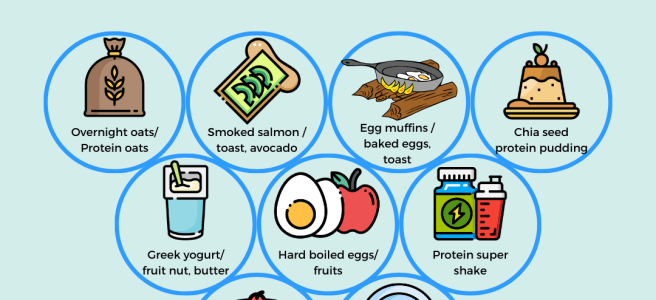
One excellent option for a high-protein breakfast is a vegetable omelet made with eggs and your favorite veggies. Eggs are a great source of high-quality protein and contain essential vitamins and minerals. Pair it with a slice of whole-grain toast or avocado for added fiber and healthy fats.

Greek yogurt topped with berries and a sprinkle of nuts is another delicious and satisfying choice. Greek yogurt is packed with protein and probiotics, supporting gut health while keeping you full.

Smoothies can also be a quick and nutritious option. Blend protein powder with spinach, bananas, and nut butter for a delicious, energy-boosting drink.

Incorporating a high-protein breakfast into your routine can enhance your energy levels, improve focus, and support muscle maintenance, setting a positive tone for the rest of your day.

Stay Full Longer: Best Foods to Curb Hunger

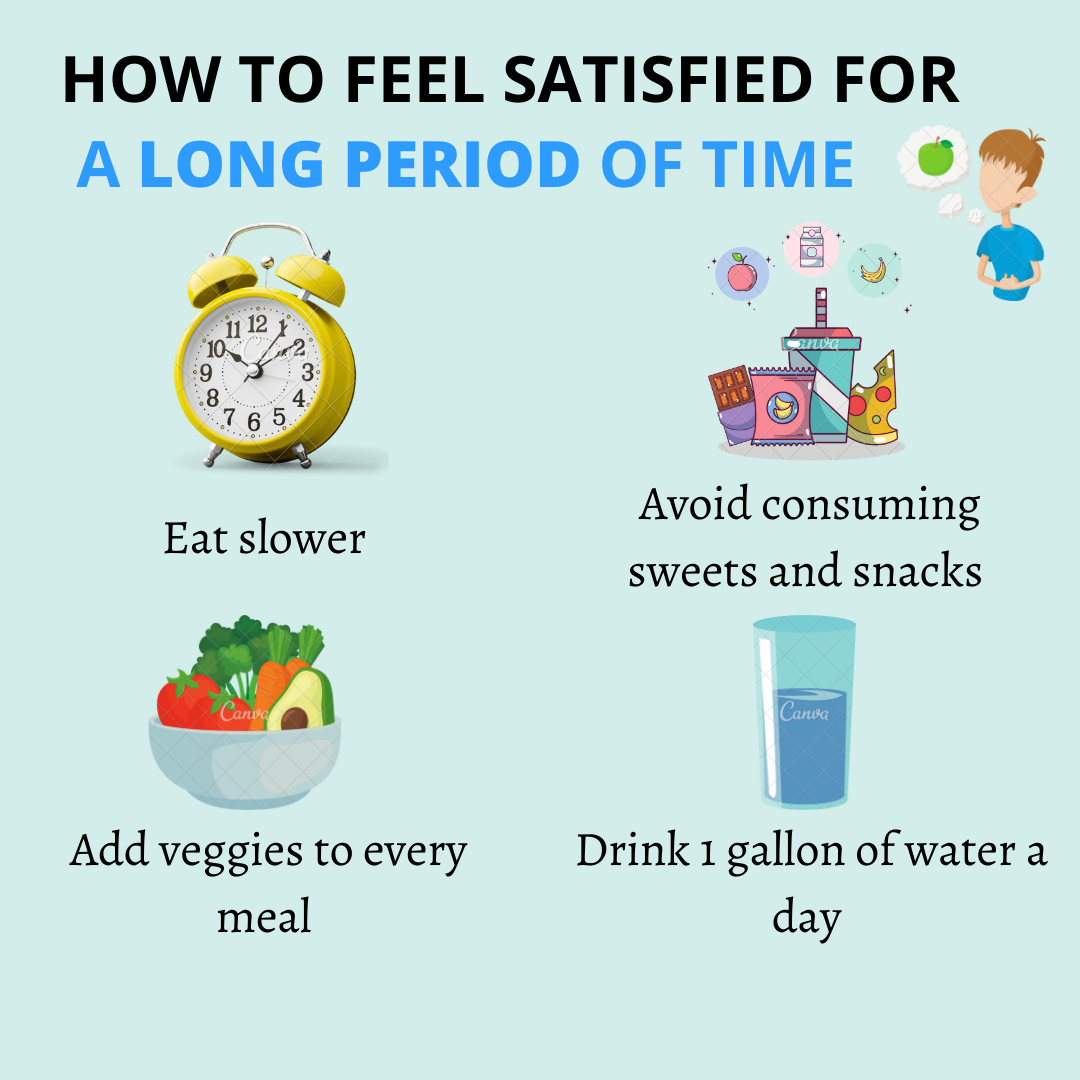
Eating in a way that keeps you full and satisfied for longer can help control hunger and curb cravings. One of the best strategies is to focus on protein-rich foods like lean meats, fish, eggs, and plant-based sources such as lentils and beans. Protein helps regulate hunger hormones, keeping you feeling fuller for longer.

Incorporating fiber-rich foods is another great way to stay satisfied. Vegetables, fruits, whole grains, and legumes provide fiber, which slows digestion and stabilizes blood sugar, reducing the urge to snack on sugary or processed foods.

Healthy fats also play an important role. Foods like avocados, nuts, seeds, and olive oil help keep you full by providing long-lasting energy. Adding healthy fats to your meals can prevent overeating by helping you feel satiated.

Finally, don’t skip meals—especially breakfast. A balanced breakfast with protein, fiber, and healthy fats sets the tone for the day and helps you avoid mid-morning cravings. Drinking plenty of water also helps control hunger and keeps you feeling energized.

By making these small adjustments to your diet, you can stay full for longer and resist unhealthy cravings.

The Role of Diet in Managing Pain

Diet plays a crucial role in managing and reducing pain levels in the body. The foods we consume can either contribute to inflammation, exacerbating pain, or help alleviate discomfort. Understanding this connection is essential for anyone dealing with chronic pain conditions, such as arthritis, fibromyalgia, or migraines.

Certain foods are known to promote inflammation. Processed foods high in sugar, refined carbohydrates, and unhealthy fats can trigger inflammatory responses, worsening pain. For example, sugary snacks, fast food, and excessive red meat can contribute to increased pain levels.

On the other hand, incorporating anti-inflammatory foods into your diet can help manage pain. Foods rich in omega-3 fatty acids, such as fatty fish (like salmon and mackerel), walnuts, and chia seeds, have been shown to reduce inflammation. Colorful fruits and vegetables, particularly berries, leafy greens, and peppers, are packed with antioxidants that combat oxidative stress and inflammation.

Herbs and spices like turmeric and ginger also possess anti-inflammatory properties, making them excellent additions to meals.

By adopting a balanced diet rich in whole, nutrient-dense foods and minimizing processed options, you can support your body in managing pain more effectively. For personalized dietary advice, consider consulting a healthcare professional.

Learn more about our services at rivereastchiropractic.ca.

Now Open Until 8pm Mondays and Thursdays.

Benefits of Working with a Personal Trainer

Working with a professional trainer can transform your fitness journey. Trainers bring expert knowledge of proper form, technique, and workout plans tailored to your unique goals. Whether you’re aiming for weight loss, muscle gain, or overall health, a trainer will design a program to maximize your results while minimizing injury risk.

Trainers also provide accountability and motivation, ensuring you stay consistent and push past plateaus. They can adjust your workouts as your fitness level improves, helping you progress safely and efficiently.

With a professional trainer, you’ll receive guidance on nutrition, recovery, and goal-setting, making your fitness plan more holistic and sustainable.


The gym is full of myths that can derail your progress. One common misconception is that lifting weights will make women “bulky.” In reality, weight training builds lean muscle and improves body composition without extreme muscle gain.

Another myth is that more cardio equals more fat loss. While cardio is important, too much can lead to muscle loss, and strength training is essential for burning fat efficiently.

Sneaky Calories: Where They Hide in Your Diet

Sneaky calories are hidden in everyday foods and drinks, often going unnoticed but quickly adding up. These extra calories can sabotage your weight management efforts without you realizing it. Common culprits include sauces, dressings, and condiments like ketchup, mayo, and creamy salad dressings, which are often packed with sugar, fats, and oils.

Beverages are another source of hidden calories—sodas, fruit juices, and flavored coffees contain added sugars that can turn a simple drink into a calorie bomb. Even healthy-seeming snacks like granola bars or trail mixes may be loaded with added sugars, fats, and oils.

Portion sizes can also be deceiving. A small handful of nuts or a seemingly light snack can have more calories than expected when not portioned properly.

To avoid sneaky calories, be mindful of labels, check portion sizes, and opt for whole, unprocessed foods. Being aware of these hidden sources can help you better control your daily intake and maintain a healthier diet.

Lesser Known Benefits of Fitness for Your Daily Life

We all know that regular exercise improves physical health, but fitness offers several lesser-known benefits that can positively impact your daily life.

One key advantage is improved mental clarity. Regular exercise increases blood flow to the brain, enhancing cognitive function, focus, and memory. This boost in brainpower can help with productivity, problem-solving, and overall work performance.

Exercise is also a powerful stress reliever. Physical activity releases endorphins, the body’s natural “feel-good” chemicals, which can help reduce anxiety and improve your mood. It’s a natural way to combat everyday stress and build emotional resilience.

Another hidden benefit of fitness is better sleep. Consistent exercise helps regulate your circadian rhythm, leading to deeper and more restful sleep. Better sleep means increased energy and mood stability throughout the day.

Finally, fitness improves posture and flexibility, which can prevent aches and pains, especially for those with sedentary jobs. Regular movement strengthens core muscles and reduces strain on the spine, making you feel more comfortable and energetic as you go about your day.

Incorporating regular exercise into your routine can enhance not just your physical health, but your overall quality of life in unexpected ways.

The Mental Benefits of Weight Training

Weight training is often associated with physical strength, but its mental benefits are just as powerful. Regular strength training can significantly boost your mental well-being, helping to reduce stress and anxiety. When you lift weights, your body releases endorphins, the “feel-good” chemicals that elevate your mood and create a sense of accomplishment.

Weight training also builds mental resilience. As you challenge yourself with progressively heavier weights, you develop greater discipline, focus, and perseverance—traits that carry over into other areas of life. This mental toughness helps you tackle obstacles both inside and outside the gym.

Additionally, weight training can enhance cognitive function. Studies suggest that regular resistance training improves memory, attention, and problem-solving abilities by increasing blood flow to the brain and promoting neuroplasticity.

Finally, weight training boosts confidence and self-esteem, giving you a sense of control over your body and progress that can positively affect your outlook and daily mindset.

How Sleep Affects Your Mental and Physical Well-being

Sleep is essential for overall health and well-being, yet it’s often overlooked in our busy lives. Quality sleep allows your body and brain to recharge, making it crucial for both physical and mental function. During sleep, the body repairs tissues, strengthens the immune system, and balances hormones. This restoration process is key to maintaining energy levels, mood stability, and cognitive performance.

Lack of sleep can lead to a weakened immune system, difficulty concentrating, and increased stress levels. Over time, chronic sleep deprivation has been linked to a higher risk of conditions such as heart disease, diabetes, and depression.

In addition to physical health, sleep plays a vital role in emotional regulation. Getting enough rest helps manage stress and improves emotional resilience, allowing you to handle daily challenges more effectively.

Prioritizing sleep—aiming for 7-9 hours per night—can improve your productivity, mood, and overall health.

Why Protein is Key for Weight Management and Vitality

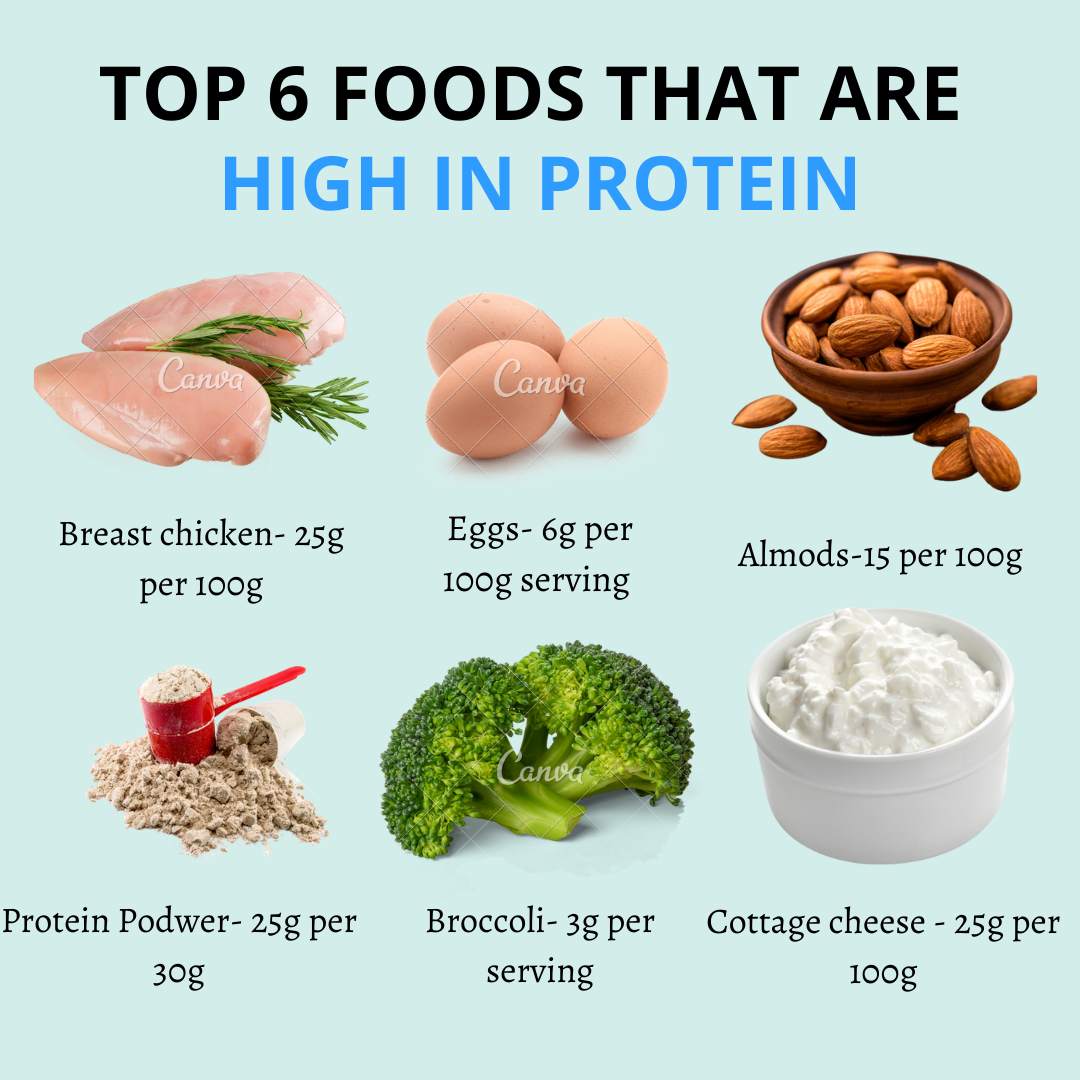
Protein is essential for building and repairing tissues, producing enzymes, and supporting immune health. It plays a key role in muscle growth, making it important for anyone active or looking to maintain lean muscle mass. Additionally, protein helps keep you feeling fuller for longer, which can aid in weight management. Whether from meat, fish, eggs, or plant-based sources like beans and lentils, getting enough protein daily is crucial for overall health and vitality.

River East Chiropractic is now open until 8pm Mondays and Thursdays.

How Sauces Increase Your Calorie Intake

Sauces can be a sneaky source of extra calories that often go unnoticed. While they add flavor to meals, many are packed with sugars, fats, and sodium. Creamy sauces like Alfredo or ranch, and even seemingly harmless condiments like ketchup or BBQ sauce, can quickly increase your calorie intake without you realizing. Pay attention to portion sizes, and consider lighter options like vinaigrettes or homemade sauces with fresh ingredients to keep calories in check.

River East Chiropractic is now open until 8pm Mondays and Thursdays.