Combatting Opioid Misuse: Non-Opioid Alternatives for Low Back Pain

The opioid crisis remains a pressing concern globally, demanding concerted efforts to educate both the public and healthcare professionals on non-opioid alternatives. This urgency is underscored by the significant role of low back pain as a primary driver of opioid overuse.

Low back pain stands as a leading cause of disability worldwide, according to the Global Burden of Disease 2010 report, and ranks among the most common reasons for missed work days. Approximately half of working Americans report experiencing back pain annually, with an estimated 80% of the population encountering back problems at some point in their lives. Importantly, the majority of back pain cases are mechanical or non-organic, unrelated to serious conditions like inflammatory arthritis or cancer.

The economic burden of back pain is substantial, with Americans spending over $50 billion annually on related costs alone. Amidst this backdrop, promoting awareness of non-pharmaceutical treatment options emerges as a crucial strategy in mitigating opioid overprescription.

Recent research by Dr. James Whedon highlights the efficacy of chiropractic care in reducing reliance on opioids. By employing a multidimensional approach encompassing spinal manipulation, rehabilitative exercise, and lifestyle modifications, chiropractic interventions offer a viable alternative for managing low back pain without resorting to prolonged drug therapy or surgery.

Empowering individuals and healthcare providers with knowledge of these non-opioid treatment modalities represents a pivotal step in combatting opioid misuse. By fostering a culture of informed decision-making and comprehensive pain management strategies, we can mitigate the burden of opioid abuse and enhance patient outcomes in the management of low back pain.

TV Screen Time Linked to 30% Higher Child Hypertension Risk

Health Alert: Watching Two or More Hours of TV a Day Increases Hypertension Risk in Children.

A groundbreaking study published in the International Journal of Cardiology in February 2015 has unveiled alarming correlations between sedentary behaviors and childhood hypertension. Delving into the intricate relationship between screen time and physical activity, researchers discovered unsettling statistics: spending more than two hours daily in front of a TV screen elevates a child’s risk of high blood pressure by a staggering 30%. Equally concerning is the revelation that engaging in less than one hour of physical activity per day amplifies the risk of hypertension by a staggering 50%.

These findings underscore the profound impact of lifestyle choices on cardiovascular health, particularly during the formative years of childhood. The authors of the study emphasize the pervasiveness of sedentary behaviors in infancy and their persistence into later stages of life, sounding a clarion call for urgent intervention.

The implications of these findings reverberate far beyond the realm of childhood health, permeating societal norms and public health agendas. As sedentary habits become increasingly pervasive in modern lifestyles, addressing the root causes of inactivity assumes paramount importance in mitigating the burgeoning epidemic of hypertension among children.

Armed with this knowledge, healthcare practitioners, policymakers, and parents alike are tasked with orchestrating concerted efforts to promote physical activity and limit sedentary behaviors among children. By fostering environments conducive to active living and instilling healthy habits from an early age, we can stem the tide of childhood hypertension and cultivate a generation primed for lifelong cardiovascular wellness.

Cervicogenic Headaches: Impact of Abnormal Neck Posture Revealed

Chiropractic: Abnormal Neck Posture Associated with Headache Risk.

In a groundbreaking study published in the February 2015 issue of Physical Therapy, researchers delved into the intricate relationship between cervicogenic headaches and cervical lordosis. By meticulously analyzing neck x-rays from individuals suffering from cervicogenic headaches and contrasting them with those from healthy controls, the researchers unearthed a striking correlation. Even a subtle 3-4° variance in cervical lordosis was discovered to be intimately linked with an 8% escalation in the likelihood of developing this debilitating type of headache. This finding not only underscores the profound impact of cervical curvature on health outcomes but also accentuates the pivotal role of physical therapy in managing such conditions. With such revelations, healthcare practitioners gain invaluable insights into the nuanced mechanisms underlying cervicogenic headaches, paving the way for more targeted and effective interventions to alleviate patient suffering and enhance overall well-being.

Diet: Are Fruits and Vegetables Good for Your Lungs?

Diet: Are Fruits and Vegetables Good for Your Lungs?

A meta-analysis of 38 studies indicates that eating fruits and vegetables can have a protective effect on the lungs. After reviewing data concerning nearly five million individuals, researchers conclude that consuming up to two servings of fruit and two servings of vegetables per day is associated with as much as a 16% reduced risk for developing lung cancer. Lung Cancer, February 2015

From the “No Kidding” files: Light Activity Good for Seniors’ Hearts.

Exercise: Light Activity Good for Seniors’ Hearts.

Light physical activity appears to benefit older adults’ hearts even if they suffer from mobility issues. Research involving almost 1,200 elderly adults with limited mobility revealed that those who fit some movement into their day, such as light housework or slow walking, had a lower risk of suffering a heart attack over the following ten years. Senior researcher Dr. Thomas Buford adds, “I think this and other studies are showing us it’s never too late for people to benefit from physical activity.” Journal of the American Heart Association, February 2015

Lifestyle Factors and Low Back Pain: Key Findings

The latest findings presented at the American Academy of Orthopedic Surgeons annual meeting shed light on the intricate relationship between lifestyle factors and the prevalence of low back pain. Drawing upon a comprehensive review of data encompassing 26 million individuals, researchers unveiled compelling associations between smoking, alcohol consumption, obesity, and the incidence of back pain.

According to the study, individuals who smoke, consume alcohol excessively, and/or are classified as obese face a significantly heightened risk of experiencing low back pain compared to their counterparts who abstain from these behaviors and maintain a healthy weight. Specifically, smokers, alcohol-dependent drinkers, and obese individuals were found to be between four and five times more likely to report current back pain symptoms.

These findings underscore the profound impact of lifestyle choices on musculoskeletal health, highlighting the potential for behavioral modifications to mitigate the burden of low back pain. By adopting healthier habits, such as smoking cessation, moderation in alcohol consumption, and weight management, individuals can potentially alleviate the severity of their back pain symptoms and enhance their overall quality of life.

Furthermore, these findings underscore the importance of adopting a holistic approach to low back pain management, one that addresses not only the physical manifestations of pain but also the underlying lifestyle factors contributing to its onset and persistence. By empowering individuals to make informed choices and adopt healthier behaviors, healthcare providers can play a pivotal role in promoting musculoskeletal health and preventing the onset of debilitating conditions such as low back pain.

American Academy of Orthopaedic Surgeons, March 2015

Yoga Practice for Senior Flexibility | Study Findings 2014

In a study investigating the efficacy of yoga and calisthenics in maintaining flexibility among seniors, 22 older adults engaged in yoga practice, while 20 participated in calisthenics over the course of a year, with 24 seniors serving as a control group. After one year, flexibility assessments revealed contrasting outcomes: the control group experienced a decline in overall flexibility, whereas both the yoga and calisthenics groups exhibited improvements compared to baseline measurements.

Notably, participants in the yoga group demonstrated a fourfold increase in flexibility assessments compared to their counterparts in the calisthenics group. This suggests that the slow, deliberate movements inherent in yoga practice may be particularly effective in enhancing flexibility among older adults, surpassing the benefits conferred by the fast-paced, dynamic exercises characteristic of calisthenics routines.

These findings underscore the potential of yoga as a valuable tool in promoting flexibility and mobility in aging populations. By embracing the gentle, passive movements and mindful breathing techniques inherent in yoga practice, seniors can cultivate suppleness and range of motion, enhancing their overall quality of life and functional independence as they age.

International Journal of Yoga Therapy, September 2014

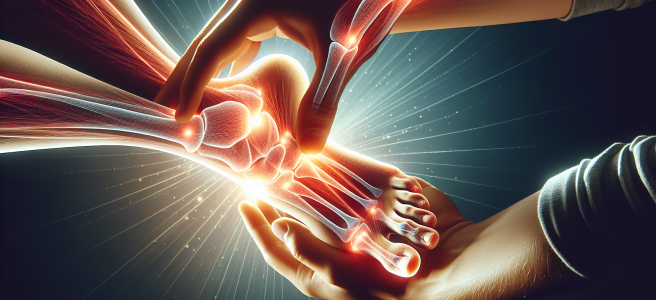
Chiropractic Care for Chronic Foot Pain: Study Reveals Long-Term Benefits | Canadian Chiropractic Association

The amalgamation of ischemic compression of trigger points and joint mobilization emerges as a promising therapeutic approach for addressing chronic foot pain, according to a recent study. This innovative treatment regimen yielded notable enhancements in both functional capacity and self-perceived pain relief among participants, with benefits sustained for up to six months following the intervention. While further investigation is warranted to elucidate the underlying mechanisms and optimize treatment protocols, these findings provide compelling support for the integration of chiropractic care into the management of foot disorders. By leveraging a multidisciplinary approach that targets both musculoskeletal dysfunction and pain perception, chiropractic practitioners can effectively alleviate the burden of chronic foot pain, enhancing patients’ quality of life and mobility.The Journal of the Canadian Chiropractic Association, March 2015

Young Elite Athletes: The Power of Personal Training for Success

In the highly competitive world of youth sports, the pursuit of excellence begins at a young age. Young elite athletes face immense pressure to perform, improve, and achieve their goals. To navigate this challenging landscape, personal training can be a game-changer. It provides tailored, professional guidance that helps young athletes maximize their potential, stay injury-free, and maintain a balanced approach to their training. Here are some key benefits of personal training for young elite athletes.

1. Customized Training Programs

Young athletes have unique needs based on their sport, position, and physical development. Personal trainers specialize in creating customized training programs that address these specific requirements. They take into account the athlete’s strengths, weaknesses, and goals, crafting a regimen that optimizes performance. This individualized approach ensures that the athlete is training in the most effective way possible, focusing on areas that need improvement while enhancing overall athletic ability.

2. Improved Technique and Skill Development

Proper technique is essential for young athletes to excel in their sport and avoid injuries. Personal trainers have the expertise to teach and refine techniques, ensuring that athletes perform movements correctly. This is particularly crucial during the formative years when habits are being developed. Trainers work closely with athletes to improve their skills, whether it’s refining a swimmer’s stroke, a soccer player’s dribbling, or a runner’s stride. Enhanced technique not only boosts performance but also builds a solid foundation for future growth.

3. Injury Prevention

Injuries can derail an athlete’s progress and career. Young athletes, in particular, are susceptible to injuries due to their growing bodies and intense training schedules. Personal trainers play a vital role in injury prevention by designing programs that include proper warm-ups, cool-downs, and exercises that enhance flexibility, strength, and stability. They also educate athletes on the importance of rest and recovery, helping to prevent overuse injuries. By focusing on injury prevention, trainers ensure that athletes can train consistently and safely.

4. Physical and Mental Conditioning

Personal training goes beyond physical fitness; it also encompasses mental conditioning. Elite sports require not just physical prowess but also mental toughness, focus, and resilience. Personal trainers incorporate techniques to improve concentration, manage stress, and build confidence. They help athletes set realistic goals, develop a positive mindset, and stay motivated. This holistic approach prepares young athletes for the psychological demands of competition, enhancing their overall performance.

5. Accountability and Motivation

Young athletes often struggle with consistency and motivation. Personal trainers provide the accountability and encouragement needed to stay on track. Regular sessions with a trainer ensure that athletes adhere to their training schedules and work towards their goals. Trainers also celebrate achievements and provide constructive feedback, keeping athletes motivated and committed. This support system is crucial for maintaining the discipline required to succeed at an elite level.

6. Nutritional Guidance

Nutrition plays a critical role in an athlete’s performance and recovery. Personal trainers offer nutritional guidance tailored to the needs of young athletes, advising on proper diet, hydration, and supplements. They educate athletes on how to fuel their bodies for optimal performance, ensuring that they have the energy and nutrients needed for training and competition. This personalized approach to nutrition helps athletes make informed choices that enhance their athletic ability.

7. Balanced Training and Lifestyle

Young athletes often juggle school, sports, and social activities. Personal trainers help them find a balance by creating manageable training schedules that fit into their busy lives. They emphasize the importance of rest, recovery, and maintaining a healthy lifestyle. This balanced approach helps athletes avoid burnout and ensures that they enjoy their sport while achieving their goals.

Conclusion

Personal training offers young elite athletes a comprehensive and personalized approach to achieving their full potential. From customized training programs and skill development to injury prevention and mental conditioning, the benefits are extensive. Personal trainers provide the expertise, support, and motivation that young athletes need to excel in their sport and maintain a healthy, balanced approach to their training.

At River East Chiropractic, we understand the unique needs of young elite athletes. Our facility offers a range of services, including personal training, chiropractic care, massage therapy, acupuncture, Pilates, and a full gym. Our dedicated team of professionals is committed to helping athletes reach their goals safely and effectively. By investing in personal training, young athletes can unlock their potential and enjoy a successful, fulfilling athletic journey.