Proper Lifting Technique

Some simple tips

Lifting Technique

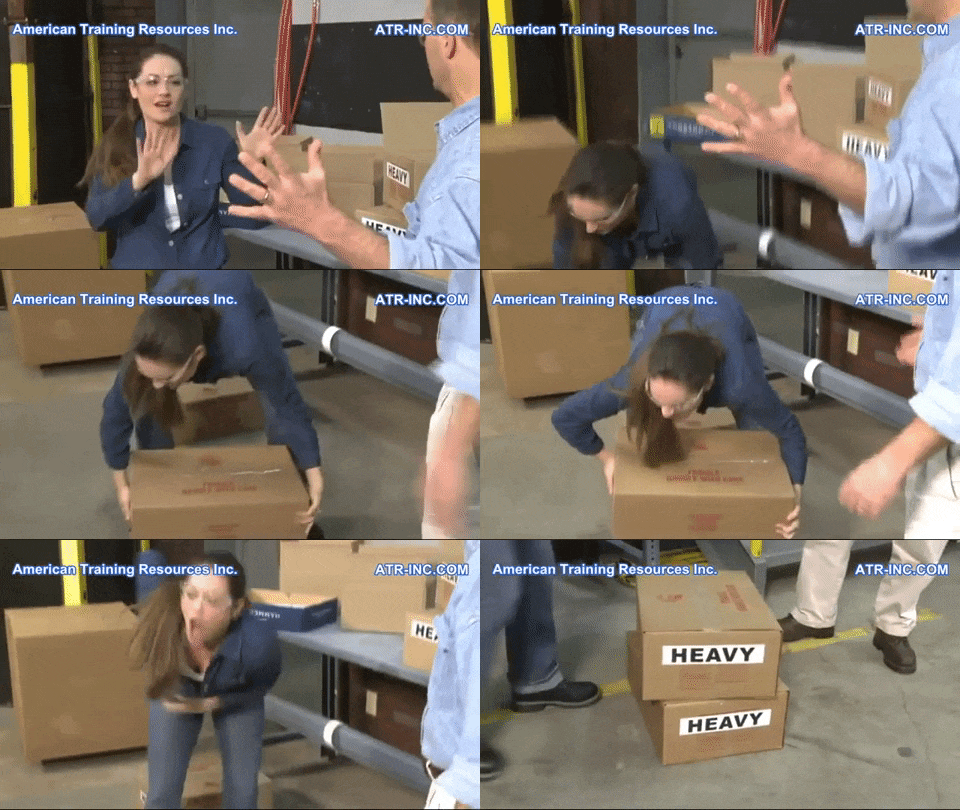
Lifting technique is important for preventing injuries when lifting heavy objects.

There are a few basic principles that should be followed when lifting:

1. Keep the object close to your body.

2. Use your legs to lift the object, not your back.

3. Keep your back straight.

4. Hold the object close to your body as you move it.

Following these principles will help you to lift objects safely and prevent back injuries.

Maximizing Athletes’ Performance and Preventing Injuries with Pilates

Athletes are no strangers to the risk of injury that comes with pushing the limits of physical performance. Whether you’re a professional athlete, a dedicated gym-goer, or a weekend warrior, the last thing you want is to be sidelined by an injury. That’s where Pilates comes in. This low-impact exercise method offers a myriad of benefits for athletes, including injury prevention. In this article, we’ll explore how Pilates can help athletes stay injury-free and perform at their best.

Understanding Pilates

Pilates is a form of exercise that focuses on strengthening the core muscles, improving flexibility, and enhancing body awareness and control. Developed by Joseph Pilates in the early 20th century, Pilates emphasizes precise, controlled movements performed with proper alignment and breathing techniques. Pilates exercises can be done on a mat or using specialized equipment such as reformers, cadillacs, and barrels, offering a versatile and customizable workout experience.

Benefits of Pilates for Injury Prevention

  1. Core Strength and Stability: Pilates targets the deep stabilizing muscles of the core, including the abdominals, obliques, and pelvic floor muscles. A strong core provides a stable foundation for movement, improves posture, and reduces the risk of injuries such as low back pain, hip instability, and knee injuries.
  2. Muscle Balance and Symmetry: Pilates exercises promote balanced muscle development by targeting both large and small muscle groups throughout the body. By addressing muscle imbalances and weaknesses, Pilates helps prevent overuse injuries and compensatory movement patterns that can lead to injury.
  3. Flexibility and Range of Motion: Pilates incorporates dynamic stretching and lengthening exercises that improve flexibility, joint mobility, and muscle elasticity. Enhanced flexibility reduces the risk of strains, sprains, and muscle tears by allowing muscles and joints to move through their full range of motion more effectively.
  4. Improved Body Awareness and Alignment: Pilates emphasizes proper alignment, posture, and body mechanics, teaching athletes to move mindfully and efficiently. By increasing body awareness and proprioception, Pilates helps athletes identify and correct movement dysfunctions and biomechanical issues that contribute to injury.
  5. Injury Rehabilitation and Recovery: Pilates is often used as a rehabilitation tool to help athletes recover from injuries and return to sport safely. With its low-impact nature and focus on controlled movements, Pilates can be adapted to accommodate individuals with injuries or mobility limitations, allowing for targeted strengthening and rehabilitation exercises.
  6. Mind-Body Connection: Pilates fosters a mind-body connection by encouraging focused concentration, breath awareness, and mindfulness during movement. This heightened awareness helps athletes tune into their bodies, listen to warning signs of potential injury, and make adjustments to prevent overexertion or strain.

Incorporating Pilates Into Your Training Routine

To reap the benefits of Pilates for injury prevention, consider incorporating Pilates into your training routine in the following ways:

  • Attend Pilates classes or private sessions led by certified instructors who can provide personalized guidance and instruction.
  • Include Pilates exercises as part of your warm-up or cool-down routine to prepare the body for activity and promote recovery.
  • Use Pilates equipment such as reformers, stability balls, and resistance bands to add variety and challenge to your workouts.
  • Focus on proper form, alignment, and breath control during Pilates exercises to maximize effectiveness and reduce the risk of injury.
  • Listen to your body and modify exercises as needed to accommodate any injuries, limitations, or areas of discomfort.

Conclusion

In conclusion, Pilates is a valuable tool for athletes seeking to prevent injuries, improve performance, and maintain overall health and well-being. By strengthening the core, promoting muscle balance and flexibility, enhancing body awareness, and facilitating injury rehabilitation, Pilates empowers athletes to move with confidence, resilience, and efficiency. Whether you’re a competitive athlete or a fitness enthusiast, incorporating Pilates into your training routine can help you stay injury-free and perform at your peak.

Unlocking the Mysteries of Acupuncture: From Qi to Neurotransmitters

Acupuncture is a centuries-old healing practice that originated in ancient China and has since gained popularity worldwide for its effectiveness in treating a wide range of health conditions. But how exactly does acupuncture work? In this article, we’ll explore the science behind acupuncture and shed light on its mechanisms of action.

Understanding Traditional Chinese Medicine

Before delving into the scientific aspects of acupuncture, it’s important to understand the principles of Traditional Chinese Medicine (TCM) upon which it is based. According to TCM theory, the body’s vital energy, known as Qi (pronounced “chee”), flows through meridians or pathways in the body. When the flow of Qi is disrupted or blocked, illness and pain can result.

Acupuncture Points and Meridians

Acupuncture involves the insertion of thin needles into specific points on the body known as acupuncture points or acupoints. These points are located along the meridians and are believed to correspond to different organs and functions in the body. By stimulating these points, acupuncturists aim to restore the balance and flow of Qi, promoting healing and well-being.

Scientific Explanations for Acupuncture

While the concepts of Qi and meridians may seem abstract to some, modern research has provided scientific explanations for the effects of acupuncture. Here are some of the key mechanisms by which acupuncture is believed to work:

1. Stimulation of Nerve Endings: Acupuncture needles stimulate nerve endings in the skin and muscles, sending signals to the brain. This can trigger the release of neurotransmitters such as endorphins and serotonin, which have pain-relieving and mood-enhancing effects.

2. Modulation of Neurotransmitters: Acupuncture has been shown to influence the levels of various neurotransmitters in the brain, including opioid peptides, which are natural painkillers produced by the body. By modulating these neurotransmitters, acupuncture can help regulate pain perception and mood.

3. Regulation of Blood Flow: Acupuncture can affect blood flow to specific areas of the body, promoting circulation and delivering oxygen and nutrients to tissues. Improved blood flow can aid in the healing process and reduce inflammation and pain.

4. Activation of the Autonomic Nervous System: Acupuncture has been found to activate the autonomic nervous system, which controls involuntary bodily functions such as heart rate, digestion, and immune response. This activation can have widespread effects on various physiological processes in the body.

5. Regulation of Neuroendocrine Pathways: Acupuncture can influence the release of hormones and other signaling molecules involved in the body’s stress response and immune function. By regulating these neuroendocrine pathways, acupuncture can help restore balance and promote health.

In conclusion, acupuncture may have ancient roots, but its efficacy is supported by modern scientific research. By stimulating specific points on the body, acupuncture can trigger a variety of physiological responses that promote healing and alleviate symptoms. Whether you’re seeking relief from pain, stress, or other health concerns, acupuncture offers a safe and effective treatment option backed by both tradition and science.

Understanding and Treating Common Back Injuries


Back pain is a widespread issue that affects millions of people worldwide, impacting daily life and overall well-being. While back pain can stem from various causes, certain types of back injuries are more prevalent than others. In this blog post, we’ll explore the five most common types of back injuries, their causes, symptoms, and potential treatments.

1. Muscle Strain or Sprain

Causes: Muscle strain or sprain occurs when muscles or ligaments in the back are stretched or torn, often due to sudden movements, heavy lifting, or poor posture.

Symptoms: Common symptoms include localized pain, stiffness, muscle spasms, and difficulty moving the affected area.

Treatment: Treatment typically involves rest, ice or heat therapy, over-the-counter pain medication, and gentle stretching exercises. In severe cases, physical therapy or chiropractic care may be recommended.

2. Herniated Disc

Causes: A herniated disc, also known as a slipped or ruptured disc, occurs when the soft inner core of a spinal disc protrudes through the tough outer layer, putting pressure on nearby nerves. This can result from age-related wear and tear, injury, or improper lifting techniques.

Symptoms: Symptoms may include sharp pain in the back or neck, radiating pain or numbness in the arms or legs, muscle weakness, and tingling sensations.

Treatment: Treatment options include rest, anti-inflammatory medication, physical therapy, and epidural steroid injections. In severe cases, surgery may be necessary to remove or repair the affected disc.

3. Degenerative Disc Disease

Causes: Degenerative disc disease is a condition characterized by the gradual deterioration of spinal discs over time. Factors such as aging, genetics, and repetitive strain can contribute to the development of this condition.

Symptoms: Symptoms may include chronic back pain, stiffness, reduced flexibility, and pain that worsens with movement or sitting for prolonged periods.

Treatment: Treatment focuses on managing symptoms and may include medication, physical therapy, lifestyle modifications, and spinal injections. In severe cases, surgery such as spinal fusion or disc replacement may be considered.

4. Spinal Stenosis

Causes: Spinal stenosis occurs when the spinal canal narrows, putting pressure on the spinal cord and nerves. This narrowing can be caused by age-related changes, such as bone spurs or thickened ligaments, or by conditions like arthritis or herniated discs.

Symptoms: Symptoms may include pain, numbness, or weakness in the back, legs, or arms, difficulty walking or maintaining balance, and bowel or bladder dysfunction.

Treatment: Treatment options include medication, physical therapy, epidural steroid injections, and lifestyle modifications. In severe cases, surgery to decompress the spinal cord may be necessary.

5. Spondylolisthesis

Causes: Spondylolisthesis occurs when a vertebra slips out of place and onto the vertebra below it. This can result from a fracture or defect in the vertebra, degenerative changes, or repetitive stress on the spine.

Symptoms: Symptoms may include lower back pain, stiffness, muscle spasms, leg pain or weakness, and difficulty walking or standing for long periods.

Treatment: Treatment options include rest, medication, physical therapy, and bracing to stabilize the spine. In severe cases, surgery may be needed to realign the vertebrae and relieve pressure on the nerves.

Conclusion

Back injuries can vary in severity and cause significant discomfort and impairment. Understanding the most common types of back injuries, their causes, symptoms, and treatment options is essential for effective management and prevention. If you experience persistent or severe back pain, it’s crucial to consult with a healthcare professional for a thorough evaluation and personalized treatment plan. By taking proactive steps to address back injuries, you can improve your quality of life and reduce the risk of long-term complications.

Effective Headache Management: Chiropractic Solutions for Different Types

Headaches are a prevalent ailment affecting people of all ages and backgrounds, often causing discomfort and disrupting daily activities. While headaches can stem from various causes, understanding their different types and exploring holistic treatments like chiropractic care can offer relief and long-term solutions. In this blog post, we’ll delve into the most common types of headaches and how chiropractic techniques can help alleviate their symptoms.

1. Tension Headaches

Tension headaches are the most common type, characterized by a dull, aching pain that wraps around the head. They often result from stress, muscle tension in the neck and shoulders, poor posture, or jaw clenching.

How Chiropractic Can Help: Chiropractic adjustments target misalignments in the spine and neck, which can alleviate muscle tension and improve posture. By restoring proper alignment, chiropractic care reduces the frequency and intensity of tension headaches, providing long-term relief.

2. Migraine Headaches

Migraines are intense, throbbing headaches often accompanied by symptoms such as nausea, sensitivity to light and sound, and visual disturbances. They can be triggered by various factors, including hormonal changes, certain foods, stress, and environmental factors.

How Chiropractic Can Help: Chiropractic adjustments, particularly those targeting the cervical spine, can reduce nerve irritation and improve blood flow to the brain. Additionally, chiropractors may recommend dietary modifications, stress management techniques, and lifestyle changes to help prevent migraine attacks and reduce their severity.

3. Cluster Headaches

Cluster headaches are excruciatingly painful headaches that occur in clusters or cycles, typically around the same time each day or night. They often affect one side of the head and are accompanied by symptoms such as eye redness, tearing, and nasal congestion.

How Chiropractic Can Help: Chiropractic adjustments can help relieve pressure on the nerves and blood vessels in the neck and head, reducing the frequency and intensity of cluster headaches. Additionally, chiropractors may recommend lifestyle changes and relaxation techniques to manage stress and minimize triggers.

4. Cervicogenic Headaches

Cervicogenic headaches originate from structural problems in the neck, such as misaligned vertebrae, muscle tightness, or joint dysfunction. The pain typically starts in the neck and radiates to the head, often mimicking the symptoms of tension headaches or migraines.

How Chiropractic Can Help: Chiropractic adjustments target the underlying issues in the cervical spine, addressing misalignments and restoring proper function. By improving spinal alignment and reducing nerve irritation, chiropractic care effectively treats cervicogenic headaches and prevents their recurrence.

5. Sinus Headaches

Sinus headaches result from inflammation or congestion in the sinus cavities, often due to allergies, sinus infections, or environmental irritants. The pain is usually localized around the forehead, cheeks, and eyes and may worsen with changes in air pressure or temperature.

How Chiropractic Can Help: While chiropractic care does not directly treat sinus inflammation, it can help alleviate associated neck and shoulder tension. By improving spinal alignment and reducing muscle tightness, chiropractic adjustments can alleviate secondary headaches caused by sinus issues, providing symptomatic relief.

Conclusion

Headaches can be debilitating, affecting every aspect of daily life. However, chiropractic care offers a holistic approach to headache management, addressing underlying issues in the spine and neck to provide natural and effective relief. Whether you suffer from tension headaches, migraines, cluster headaches, cervicogenic headaches, or sinus headaches, chiropractic techniques can help alleviate pain, improve spinal function, and enhance overall well-being. Consult with a qualified chiropractor to develop a personalized treatment plan tailored to your specific needs and experience the transformative benefits of chiropractic care in managing headaches.

Non-Invasive Carpal Tunnel Treatment: Exploring Laser Therapy Benefits


Carpal Tunnel Syndrome (CTS) is a prevalent condition characterized by numbness, tingling, and weakness in the hand and wrist due to compression of the median nerve as it passes through the carpal tunnel. This condition can significantly impact daily activities, from typing on a keyboard to gripping objects, leading to discomfort and reduced productivity. While conventional treatments like wrist splints, medication, and surgery are commonly prescribed, many individuals seek alternative therapies for relief. In this blog post, we’ll delve into Carpal Tunnel Syndrome and explore how laser therapy offers a holistic approach to managing its symptoms.

Understanding Carpal Tunnel Syndrome

The carpal tunnel is a narrow passageway in the wrist formed by bones and ligaments. The median nerve, responsible for sensation and movement in the thumb and fingers, passes through this tunnel. When the median nerve becomes compressed or irritated, it can lead to the symptoms associated with Carpal Tunnel Syndrome, including:

  • Numbness or tingling in the thumb, index, middle, and ring fingers
  • Weakness or clumsiness in the hand
  • Pain or discomfort in the wrist, hand, or forearm
  • Difficulty gripping objects or performing fine motor tasks

Laser Therapy: A Non-Invasive Solution

Laser therapy, also known as low-level laser therapy (LLLT) or cold laser therapy, is a non-invasive treatment modality that uses low-intensity light to stimulate cellular activity and promote healing. It works by penetrating the skin and targeting damaged tissues at the cellular level, where it helps to increase blood flow, reduce inflammation, and accelerate tissue repair. While laser therapy is commonly used to treat musculoskeletal conditions like arthritis and tendonitis, it has also shown promising results in the management of Carpal Tunnel Syndrome.

How Laser Therapy Benefits Carpal Tunnel Syndrome

  1. Pain Reduction: Laser therapy helps alleviate pain associated with Carpal Tunnel Syndrome by reducing inflammation and stimulating the release of endorphins, the body’s natural painkillers. This can provide immediate relief and improve overall comfort levels.
  2. Improved Circulation: By increasing blood flow to the affected area, laser therapy promotes tissue oxygenation and nutrient delivery, facilitating the healing process and reducing tissue damage.
  3. Nerve Regeneration: Laser therapy has been shown to promote nerve regeneration and repair, which is particularly beneficial for individuals experiencing nerve damage or dysfunction associated with Carpal Tunnel Syndrome.
  4. Non-Invasive and Painless: Unlike surgical interventions or injections, laser therapy is non-invasive and painless, making it an attractive option for individuals seeking a natural and gentle approach to managing their symptoms.
  5. No Downtime: Laser therapy sessions are typically brief and require no downtime, allowing individuals to resume their daily activities immediately after treatment.

Incorporating Laser Therapy into Carpal Tunnel Syndrome Treatment

While laser therapy can be an effective standalone treatment for Carpal Tunnel Syndrome, it is often used in conjunction with other modalities for comprehensive management. A qualified healthcare provider, such as a chiropractor or physiotherapist, can assess your condition and develop a personalized treatment plan tailored to your specific needs. In addition to laser therapy, this plan may include exercises, ergonomic modifications, and lifestyle recommendations to optimize results and prevent recurrence.

Conclusion

Carpal Tunnel Syndrome can have a significant impact on daily life, affecting everything from work performance to leisure activities. While conventional treatments may offer relief for some individuals, others seek alternative therapies like laser therapy for a holistic approach to symptom management. By harnessing the power of low-level laser light, laser therapy provides a safe, non-invasive, and effective solution for reducing pain, improving circulation, and promoting tissue healing in Carpal Tunnel Syndrome. If you’re experiencing symptoms of Carpal Tunnel Syndrome, consider exploring laser therapy as part of your treatment plan and take proactive steps towards better hand and wrist health.

Enhance Your Mobility with Chiropractic Care

Maintaining mobility is a cornerstone of overall health and well-being. As we age, it’s common to experience a decline in our range of motion and flexibility, leading to discomfort, pain, and reduced quality of life. Chiropractic care offers an effective and natural solution to improve and maintain mobility, ensuring that you stay active and healthy at any age.

Understanding Mobility

Mobility refers to the ability of your joints and muscles to move freely and efficiently through their full range of motion. Good mobility is essential for performing everyday activities, such as bending, reaching, walking, and even sitting comfortably. Poor mobility can lead to stiffness, pain, and a higher risk of injury.

Several factors can affect mobility, including:

  • Age: As we age, joint cartilage can wear down, and muscles may lose their elasticity.
  • Inactivity: A sedentary lifestyle can lead to muscle weakness and joint stiffness.
  • Injury: Past injuries can cause scar tissue and limited movement in affected areas.
  • Posture: Poor posture can contribute to muscle imbalances and restricted movement.
  • Health Conditions: Conditions like arthritis, osteoporosis, and chronic pain syndromes can negatively impact mobility.

How Chiropractic Care Enhances Mobility

Chiropractic care focuses on the diagnosis, treatment, and prevention of mechanical disorders of the musculoskeletal system, particularly the spine. Chiropractors use hands-on spinal manipulation and other manual techniques to help restore joint function, improve mobility, and alleviate pain. Here’s how chiropractic care can enhance your mobility:

  1. Spinal Adjustments:
    • Spinal adjustments, or manipulations, are the core of chiropractic treatment. These adjustments help realign the spine, reducing pressure on nerves and improving the function of the nervous system. This can lead to enhanced movement and decreased pain in the back, neck, and extremities.
  2. Joint Mobilization:
    • Chiropractors use joint mobilization techniques to gently move joints through their natural range of motion. This helps reduce stiffness, improve flexibility, and increase the range of motion in affected areas.
  3. Soft Tissue Therapy:
    • Techniques such as massage, trigger point therapy, and myofascial release target the muscles, tendons, and ligaments surrounding your joints. These therapies help reduce muscle tension, improve blood flow, and promote healing, all of which contribute to better mobility.
  4. Exercise and Stretching Programs:
    • Chiropractors often prescribe personalized exercise and stretching routines to complement their treatments. These programs are designed to strengthen muscles, enhance flexibility, and support joint health, leading to improved overall mobility.
  5. Posture Correction:
    • Poor posture can lead to muscle imbalances and joint restrictions. Chiropractors assess your posture and provide guidance on how to maintain proper alignment, both in everyday activities and during exercise.
  6. Education and Lifestyle Advice:
    • Chiropractors provide valuable advice on lifestyle changes that can support mobility, such as ergonomics, nutrition, and stress management. These holistic approaches contribute to long-term improvements in mobility and overall health.

Benefits of Improved Mobility

Enhancing your mobility through chiropractic care offers numerous benefits, including:

  • Reduced Pain: Improved joint function and reduced muscle tension can significantly decrease pain and discomfort.
  • Increased Range of Motion: Greater flexibility allows you to move more freely and perform daily tasks with ease.
  • Improved Physical Performance: Better mobility enhances athletic performance and reduces the risk of injuries.
  • Enhanced Quality of Life: Being able to move comfortably and without pain greatly improves your overall quality of life.
  • Prevention of Future Issues: Regular chiropractic care can help prevent the development of chronic conditions and maintain optimal joint health.

River East Chiropractic: Your Partner in Mobility

At River East Chiropractic, we are dedicated to helping you achieve and maintain optimal mobility. Our state-of-the-art facility offers a comprehensive range of services, including chiropractic care, acupuncture, massage, occupational therapy, Pilates, and a full gym. Our team of experienced professionals works together to create personalized treatment plans tailored to your unique needs.

Whether you’re dealing with stiffness, recovering from an injury, or looking to improve your athletic performance, we are here to support you. Regular chiropractic care, combined with our holistic approach, can help you stay active, healthy, and mobile for years to come.

Visit River East Chiropractic today and take the first step towards better mobility and a healthier, more active life.

Speed Enhancement Strategy: Vertical Jumps, Broad Jumps, and Squats for Athletes

Photo by Thomas Ronveaux on Pexels.com

When it comes to athletic performance, speed is often the differentiating factor between good and great athletes. Whether you’re sprinting down the soccer field, running bases in baseball, or breaking away in basketball, speed is crucial. But how do athletes increase their speed? The answer lies in improving their vertical jump, broad jump, and squat strength. Here’s why these exercises are so essential for boosting your speed.

The Power of Plyometrics

Plyometric exercises, such as vertical jumps and broad jumps, are designed to increase explosive power. Explosive power is the ability to generate maximum force in the shortest amount of time, which is directly linked to speed. When you perform a vertical jump, you’re training your muscles to contract more forcefully and quickly, which translates to faster sprinting ability.

Vertical Jump:

  • Muscle Activation: Vertical jumps activate the fast-twitch muscle fibers, which are crucial for sprinting.
  • Power Development: By improving your vertical jump, you increase your overall power output, making each step in your sprint more forceful.

Broad Jump:

  • Explosive Strength: Broad jumps enhance your ability to propel forward, using the same muscle groups and mechanics as sprinting.
  • Coordination: They also improve coordination and balance, essential for maintaining top speed without losing form.

The Squat: The Foundation of Strength

The squat is a fundamental exercise for building lower body strength. Strong legs and glutes are essential for generating the power needed to sprint at high speeds.

Squat:

  • Strength and Stability: Squats build strength in the quadriceps, hamstrings, glutes, and calves, which are all vital for sprinting.
  • Injury Prevention: A stronger lower body can better absorb the impact of running, reducing the risk of injuries.
  • Core Strength: Squats also engage the core muscles, which help maintain proper posture and form during a sprint.

Translating Jumps and Squats to Speed

To understand how these exercises translate to increased speed, consider the biomechanics of running. Sprinting involves a powerful push-off phase, where the foot drives into the ground, propelling the body forward. The more force you can apply during this phase, the faster you will run.

  1. Ground Reaction Force: Vertical and broad jumps train your muscles to apply greater force against the ground, which is directly applicable to the push-off phase in sprinting.
  2. Stride Length: Enhanced leg strength from squats increases your stride length, meaning you cover more ground with each step.
  3. Stride Frequency: Improved explosive power from plyometric exercises helps you increase your stride frequency, enabling you to take more steps in a given time period.

Comprehensive Training for Maximum Speed

Incorporating vertical jumps, broad jumps, and squats into your training regimen provides a comprehensive approach to developing speed. Here’s a sample routine to get you started:

  • Warm-Up: Begin with dynamic stretches and light cardio to prepare your muscles.
  • Vertical Jumps: 3 sets of 10 reps, focusing on maximum height and quick ground contact.
  • Broad Jumps: 3 sets of 10 reps, emphasizing distance and explosive power.
  • Squats: 4 sets of 8-12 reps, using a weight that challenges you but allows for proper form.
  • Cool Down: Finish with static stretching to aid in recovery and maintain flexibility.

Conclusion: Speed Enhancement with River East Chiropractic

At River East Chiropractic, we understand the importance of comprehensive training for athletic performance. Our facility offers a range of services, including personal training, chiropractic care, massage, acupuncture, and Pilates. Our full gym is equipped to help you maximize your training and achieve your speed goals.

Whether you’re looking to improve your vertical jump, broad jump, or squat strength, our expert team is here to guide you. By combining these key exercises with our holistic approach to health and fitness, you’ll be well on your way to becoming a faster, more powerful athlete.

Visit River East Chiropractic today and discover how we can help you unlock your full athletic potential.

Active Aging with Chiropractic Care: Pain Relief and Vitality

How Regular Chiropractic Care Can Help Seniors Live a More Active Life

As we age, maintaining an active and healthy lifestyle becomes increasingly important for overall well-being. However, seniors often face a variety of physical challenges that can hinder their ability to stay active. These challenges can include joint pain, decreased mobility, and a higher risk of injuries. Regular chiropractic care offers a natural, non-invasive solution to help seniors overcome these obstacles and enjoy a more active, fulfilling life. In this blog post, we’ll explore the numerous benefits of chiropractic care for seniors and how it can enhance their quality of life.

1. Pain Relief

One of the primary reasons seniors seek chiropractic care is to alleviate pain. Chronic pain in the back, neck, and joints can significantly impact a senior’s ability to engage in physical activities. Chiropractors use spinal adjustments and other techniques to address the root causes of pain, providing relief without the need for medication. By reducing pain, chiropractic care enables seniors to participate in activities they enjoy, such as walking, gardening, or playing with grandchildren.

2. Improved Mobility and Flexibility

As we age, our joints and muscles can become stiffer, leading to reduced mobility and flexibility. Chiropractic adjustments help restore proper alignment and function to the spine and joints, which can enhance mobility. Additionally, chiropractors often recommend specific stretching and strengthening exercises tailored to seniors’ needs. Improved mobility and flexibility make it easier for seniors to perform daily activities and stay active.

3. Enhanced Balance and Coordination

Falls are a major concern for seniors, often leading to serious injuries and a loss of independence. Chiropractic care can help improve balance and coordination by addressing issues related to the spine and nervous system. Proper spinal alignment ensures that nerve signals are efficiently transmitted throughout the body, which is crucial for maintaining balance. Regular chiropractic visits can help seniors feel more stable on their feet, reducing the risk of falls.

4. Better Posture

Poor posture is a common issue among seniors, often resulting from years of wear and tear on the body. Slouched or hunched posture can lead to discomfort and further restrict mobility. Chiropractic care focuses on correcting postural imbalances through spinal adjustments and exercises. By improving posture, seniors can experience less pain and a greater range of motion, allowing them to move more freely and comfortably.

5. Increased Energy Levels

Chronic pain and reduced mobility can drain energy levels, making it difficult for seniors to stay active. Chiropractic care helps alleviate pain and improve bodily function, which can lead to increased energy levels. When the body is properly aligned and functioning optimally, seniors are likely to feel more energetic and motivated to engage in physical activities and social interactions.

6. Boosted Immune System

A properly functioning nervous system is essential for a healthy immune response. Chiropractic adjustments help ensure that the nervous system is free from interference, which can boost the immune system. A stronger immune system helps seniors fend off illnesses and recover more quickly when they do get sick, contributing to overall health and well-being.

7. Holistic Approach to Health

Chiropractic care offers a holistic approach to health, addressing not just physical symptoms but also overall wellness. Chiropractors often provide guidance on nutrition, exercise, and lifestyle modifications that can further enhance a senior’s quality of life. This comprehensive approach helps seniors make healthier choices, leading to long-term benefits and a more active lifestyle.

Regular chiropractic care can be a game-changer for seniors, helping them overcome physical challenges and live more active, fulfilling lives. By providing pain relief, improving mobility and flexibility, enhancing balance and coordination, correcting posture, increasing energy levels, and boosting the immune system, chiropractic care addresses the unique needs of seniors.

At River East Chiropractic, we understand the importance of maintaining an active lifestyle as you age. Our new facility offers a wide range of services, including chiropractic care, acupuncture, massage therapy, and personal training, all designed to help you achieve optimal health. Our experienced team is dedicated to providing personalized care tailored to your specific needs. Whether you’re looking to relieve pain, improve mobility, or enhance your overall well-being, River East Chiropractic is here to support you on your journey to a more active and vibrant life.

Understanding the Connection: Mental Health’s Impact on Physical Discomfort

The Intricate Link Between Mental Health and Pain: How Your Mind Can Influence Physical Discomfort

Pain is a complex experience influenced by a myriad of factors, both physical and psychological. While the physical origins of pain are often emphasized, the role of mental health in the perception and intensification of pain cannot be understated. This blog post delves into the intricate relationship between mental health and pain, exploring how emotional and psychological states can amplify physical discomfort and offering strategies to manage this challenging interplay.

The Connection Between Mental Health and Pain

  1. The Brain’s Role in Pain Perception

Pain is not just a physical sensation but a subjective experience influenced by the brain’s interpretation of sensory signals. The brain processes pain signals and integrates them with emotional and cognitive inputs. Mental health conditions like depression and anxiety can alter this processing, often heightening the perception of pain. Negative emotions and stress can make pain feel more intense and less bearable.

  1. Depression and Pain

Depression is commonly associated with increased pain perception. People with depression often report higher levels of pain intensity and greater pain-related disability. Depression can lower the pain threshold, making minor discomforts feel more severe. It also disrupts sleep, which is crucial for pain management and healing, and reduces the production of serotonin and endorphins, neurotransmitters that help mitigate pain.

  1. Anxiety and Pain

Anxiety can exacerbate pain through a variety of mechanisms. It can cause muscle tension, which may lead to pain or worsen existing pain conditions. Anxiety also triggers the body’s fight-or-flight response, releasing stress hormones like cortisol that can increase inflammation and pain sensitivity. Chronic anxiety can lead to hypervigilance, where the person becomes overly aware of bodily sensations, amplifying their perception of pain.

  1. Stress and Pain

Chronic stress has a profound impact on pain. Stressful situations increase the body’s production of cortisol and adrenaline, which can lead to inflammation and heightened pain sensitivity. Stress also affects how pain signals are processed in the brain, often making pain feel more intense. Long-term stress can contribute to the development of chronic pain conditions and make them harder to manage.

  1. Emotional Trauma and Pain

Emotional trauma can leave lasting imprints on both mental and physical health. Traumatic experiences can lead to chronic pain conditions like fibromyalgia and irritable bowel syndrome. The body often stores emotional pain in physical form, manifesting as chronic pain in various regions, such as the back, neck, or shoulders. Trauma can disrupt the nervous system, making it more reactive to pain stimuli.

Managing the Mental Health-Pain Connection

  1. Mindfulness and Meditation

Practicing mindfulness and meditation can help manage the mental health aspects of pain. These techniques promote relaxation, reduce stress, and improve emotional regulation. Mindfulness helps break the cycle of negative thinking that often accompanies chronic pain, allowing individuals to experience pain with less emotional distress.

  1. Cognitive Behavioral Therapy (CBT)

CBT is an effective therapy for managing the mental health impact of chronic pain. It helps individuals identify and change negative thought patterns and behaviors related to pain. CBT teaches coping strategies that can reduce the emotional burden of pain and improve overall quality of life.

  1. Physical Activity

Regular physical activity is beneficial for both mental health and pain management. Exercise releases endorphins, which are natural painkillers and mood elevators. It also helps reduce muscle tension, improve sleep, and increase overall physical function. Tailored exercise programs can address specific pain conditions and improve mental health simultaneously.

  1. Healthy Lifestyle Choices

Maintaining a healthy lifestyle can significantly impact both pain and mental health. Adequate sleep, a balanced diet, and hydration are crucial for managing pain and emotional well-being. Avoiding alcohol and drugs, which can exacerbate both pain and mental health issues, is also important.

  1. Support Networks

Building a strong support network can provide emotional and practical assistance in managing pain. Friends, family, support groups, and mental health professionals can offer understanding, encouragement, and strategies to cope with the challenges of chronic pain.

  1. Professional Help

Seeking help from healthcare providers who understand the connection between mental health and pain is essential. Integrated care that addresses both physical and psychological aspects of pain can lead to better outcomes. Therapists, psychologists, and pain specialists can work together to create a comprehensive treatment plan.

The relationship between mental health and pain is complex and intertwined. Depression, anxiety, stress, and emotional trauma can all amplify the experience of pain, making it more difficult to manage. By understanding this connection and adopting strategies to address both mental health and pain, individuals can break the cycle and improve their quality of life.

At River East Chiropractic, we recognize the importance of a holistic approach to pain management. Our team of professionals, including chiropractors, acupuncturists, massage therapists, and fitness experts, is dedicated to helping you achieve optimal health and well-being. By addressing both physical and mental aspects of pain, we aim to provide comprehensive care that enhances your overall quality of life. Whether you’re dealing with chronic pain or seeking to improve your mental health, we’re here to support you every step of the way.