Positive Expectations in Whiplash Patients Help with Recovery

443


“High expectations are the key to everything”

– Sam Walton

Now a new study found that this belief may apply to your health as well: Whiplash patients who have a positive expectation to improve tend to recover better and report less pain than those who harbor negative beliefs like fearing movement and re-injury.

If you or someone you know has been involved in accident, call our office today. Check out THIS VIDEO to learn more about resolving neck pain from auto accidents.

Put the shovel down and read this!

Your low back consists of 5 individual vertebrae stacked on top of each other. Flexible cushions called “discs” live between each set of vertebrae. A disc is made up of two basic components. The inner disc, called the “nucleus”, is like a ball of jelly about the size of a marble. This jelly is held in place by the outer part of the disc called the “annulus”, which is a tough ligament that wraps around the inner nucleus much like a ribbon wrapping around your finger.
Your low back relies on discs and other ligaments for support. “Discogenic Low Back Pain” develops when these tissues are placed under excessive stress, much like a rope that frays when it is stretched beyond its normal capacity. Most commonly, disc pain is not the result of any single event, but rather from repeated overloading. Your lumbar discs generally manage small isolated stressors quite well, but repetitive challenges lead to injury in much the same way that constantly bending a piece of copper wire will cause it to break. Examples of these stressors include: bad postures, sedentary lifestyles, poor fitting workstations, repetitive movements, improper lifting, or being overweight.

Approximately one third of adults will experience pain from a lumbar disc at some point in their lifetime. The condition is more common in men. Most lumbar disc problems occur at one of the two lowest discs- L5 or L4. Smokers and people who are generally inactive have a higher risk of lumbar disc problems. Certain occupations may place you at a greater risk, especially if you spend extended periods of time sitting or driving. People who are tall or overweight have increased risk of disc problems.

Symptoms from disc pain may begin abruptly but more commonly develop gradually. Symptoms may range from dull discomfort to surprisingly debilitating pain that becomes sharper when you move. Rest may relieve your symptoms but often leads to stiffness. The pain is generally centered in your lower back but can spread towards your hips or thighs. Be sure to tell your doctor if your pain extends beyond your knee, or if you have weakness in your lower extremities or a fever.

Repeated injuries cause your normal healthy elastic tissue to be replaced with less elastic “scar tissue.” Over time, discs may dehydrate and thin. This process can lead to ongoing pain and even arthritis. Patients who elect to forego treatment and “just deal with it” develop chronic low back pain more than 60% of the time. Seeking early and appropriate treatment like the type provided in our office is critical.

Depending on the severity of your injury, you may need to limit your activity for a while, especially bending, twisting, and lifting, or movements that cause pain. Bed rest is not in your best interest. You should remain active and return to normal activities as your symptoms allow. Light aerobic exercise (i.e. walking, swimming, etc) has been shown to help back pain sufferers. The short-term use of a lumbar support belt may be helpful. Sitting makes your back temporarily more vulnerable to sprains and strains from sudden or unexpected movements. Be sure to take “micro breaks” from workstations for 10 seconds every 20 minutes.

What the heck is a trigger point?

trigger-point-referred-pain-shutterstock_228843211

What is a Trigger Point?

Trigger Points (TP’s) are defined as a “hyper-irritable spot within a taut band of skeletal muscle. The spot is painful on compression and can evoke characteristic referred pain and autonomic phenomena.”1

Put into plain language, a TP is a painful knot in muscle tissue that can refer pain to other areas of the body. You have probably felt the characteristic achy pain and stiffness that TP’s produce, at some time in your life.

TP’s were first brought to the attention of the medical world by Dr. Janet G. Travell. Dr. Travell, physician to President John F. Kennedy, is the acknowledged Mother of Myofascial Trigger Points. In fact, “Trigger Point massage, the most effective modality used by massage therapists for the relief of pain, is based almost entirely on Dr. Travell’s insights.”2 Dr. Travell’s partner in her research was Dr. David G. Simons, a research scientist and aerospace physician.

Trigger Points are very common. In fact, Travell and Simons state that TP’s are responsible for, or associated with, 75% of pain complaints or conditions.1 With this kind of prevalence, it’s no wonder that TP’s are often referred to as the “scourge of mankind”.

Trigger Points can produce a wide variety of pain complaints. Some of the most common are migraine headaches, back pain, and pain and tingling into the extremities. They are usually responsible for most cases of achy deep pain that is hard to localize.

A TP will refer pain in a predictable pattern, based on its location in a given muscle. Also, since these spots are bundles of contracted muscle fibres, they can cause stiffness and a decreased range of motion. Chronic conditions with many TP’s can also cause general fatigue and malaise, as well as muscle weakness.

Trigger Points are remarkably easy to get, but the most common causes are

TP’s (black X) can refer pain to other areas (red)

Sudden overload of a muscle

  • Poor posture
  • Chronic frozen posture (e.g., from a desk job), and
  • Repetitive strain

Once in place, a TP can remain there for the remainder of your life unless an intervention takes place.

Trigger Points Not Well Known

With thousands of people dealing with chronic pain, and with TP’s being responsible for — or associated with — a high percentage of chronic pain, it is very disappointing to find that a large portion of doctors and other health care practitioners don’t know about TP’s and their symptoms.

Scientific research on TP’s dates back to the 1700’s. There are numerous medical texts and papers written on the subject.

But, it still has been largely overlooked by the health care field. This has led to needless frustration and suffering, as well as thousands of lost work hours and a poorer quality of life.

How Are Trigger Points Treated?

As nasty and troublesome as TP’s are, the treatment for them is surely straight-forward. A skilled practitioner will assess the individual’s pain complaint to determine the most likely location of the TP’s and then apply one of several therapeutic modalities, the most effective of which is a massage technique called “ischemic compression”.

Basically, the therapist will apply a firm, steady pressure to the TP, strong enough to reproduce the symptoms. The pressure will remain until the tissue softens and then the pressure will increase appropriately until the next barrier is felt. This pressure is continued until the referral pain has subsided and the TP is released. (Note: a full release of TP’s could take several sessions.)

Other effective modalities include dry needling (needle placed into the belly of the TP) or wet needling (injection into the TP). The use of moist heat and stretching prove effective, as well. The best practitioners for TP release are Massage Therapists, Physiotherapists, and Athletic Therapists. An educated individual can also apply ischemic compression to themselves, but should start out seeing one of the above therapists to become familiar with the modality and how to apply pressure safely.

1 Simons, D.G., Travell, D.G., & Simons, L.S. Travell and Simons’Myofascial Pain and Dysfunction: the Trigger Point Manual.

Vol. 1. 2nd ed. Lippincott, Williams, and Wilkins, 1999.

PFPS Cont. You want details?

Screen Shot 2017-10-31 at 11.15.32 AM.png

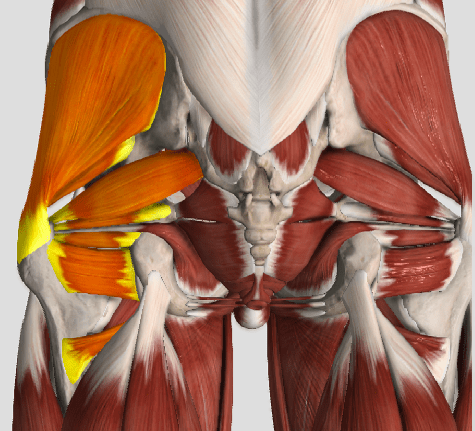
The muscles of the hip provide not only local stability, but also play an important role in spinal and lower extremity functional alignment. (1-4) While weakness in some hip muscles (hip extensors and knee extensors) is well tolerated, weakness or imbalance in others can have a profound effect on gait and biomechanical function throughout the lower half of the body. (5) Weakness of the hip abductors, particularly those that assist with external rotation, has the most significant impact on hip and lower extremity stability. (5,6)

Hip Abduction.gif

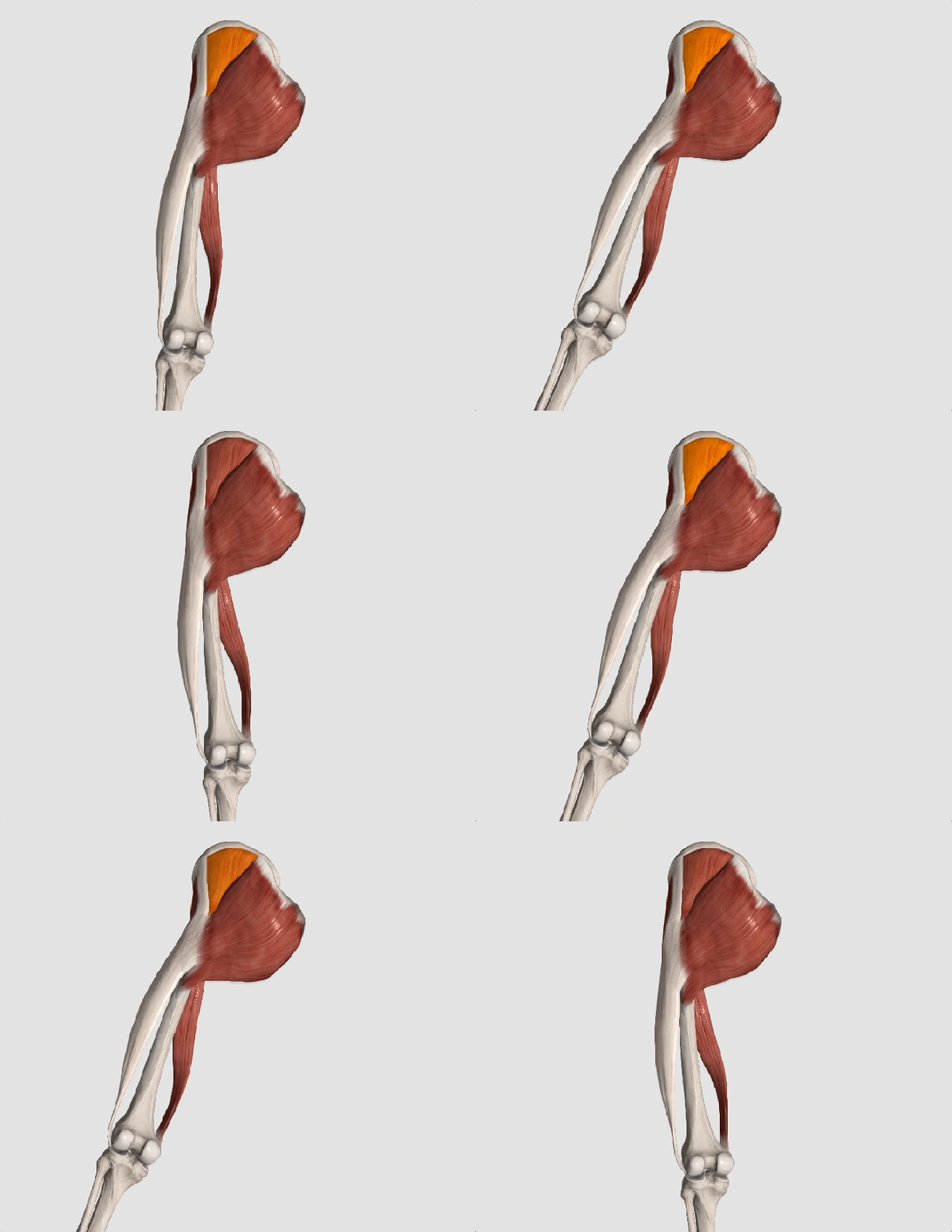
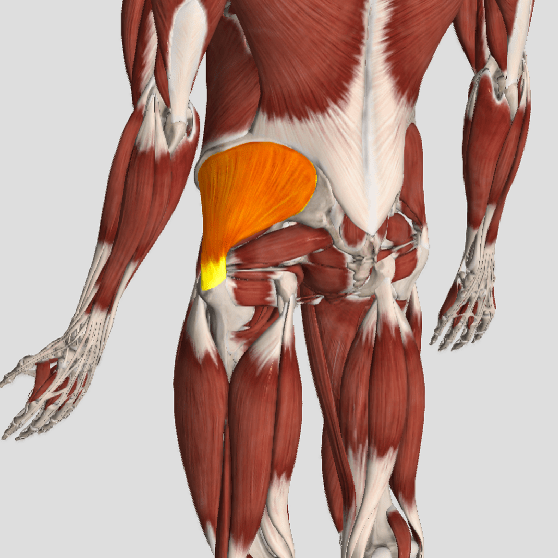
The gluteus medius is the principal hip abductor. When the hip is flexed, the muscle also assists the six deep hip external rotators (piriformis, gemelli, obturators, and quadratus femoris). The gluteus medius originates on the ilium just inferior to the iliac crest and inserts on the lateral and superior aspects of the greater trochanter. While the principal declared action of the gluteus medius is hip abduction, clinicians will appreciate its more valuable contribution as a dynamic stabilizer of the hip and pelvis- particularly during single leg stance activities like walking, running, and squatting. The gluteus medius contributes approximately 70% of the abduction force required to maintain pelvic leveling during single leg stance. The remainder comes predominantly from 2 muscles that insert onto the iliotibial band: the tensor fascia lata and upper gluteus maximus.  Hip abductor strength is the single greatest contributor to lower extremity frontal plain alignment during activity. (6)

Screen Shot 2017-10-31 at 11.12.00 AM

Incompetent hip abductors and/or external rotators allows for excessive adduction and internal rotation of the thigh during single leg stance activities. This leads to a cascade of biomechanical problems, including pelvic drop, excessive hip adduction, excessive femoral internal rotation, valgus knee stress, and internal tibial rotation. (1,7-12)


References
1. Szu-Ping Lee, Powers C. Description of a Weight-Bearing Method to Assess Hip Abductor and External Rotator Muscle Performance. JOSPT. Volume 43, Issue 6
2. Crossley KM, Zhang WJ, Schache AG, Bryant A, Cowan SM. Performance on the single-leg squat task indicates hip abductor muscle function. Am J Sports Med. 2011;39:866-873.
3. Presswood L, Cronin J, Keogh JWL, Whatman C. Gluteus medius: applied anatomy, dysfunction, assessment, and progressive strengthening. Strength Cond J. 2008;30:41-53.
4. Sled EA, Khoja L, Deluzio KJ, Olney SJ, Culham EG. Effect of a home program of hip abductor ex- ercises on knee joint loading, strength, function, and pain in people with knee osteoarthritis: a clinical trial. Phys Ther. 2010;90:895-904.
5. van der Krogt MM, Delp SL, Schwartz MH How robust is human gait to muscle weakness? Gait Posture. 2012 Feb 29.
6. Laurie Stickler, Margaret Finley, Heather Gulgin Relationship between hip and core strength and frontal plane alignment during a single leg squat Physical Therapy in Sport Available online 2 June 2014
7. Ireland ML, Willson JD, Ballantyne BT, Davis
IM. Hip strength in females with and without patellofemoral pain. J Orthop Sports Phys Ther. 2003;33:671-676.
8. Noehren B, Davis I, Hamill J. ASB clinical biome- chanics award winner 2006: prospective study of the biomechanical factors associated with iliotib- ial band syndrome. Clin Biomech (Bristol, Avon). 2007;22:951-956.
9. Powers CM. The influence of abnormal hip me- chanics on knee injury: a biomechanical perspec- tive. J Orthop Sports Phys Ther. 2010;40:42-51.
10. Powers CM. The influence of altered lower- extremity kinematics on patellofemoral joint dysfunction: a theoretical perspective. J Orthop Sports Phys Ther. 2003;33:639-646.
11. Sigward SM, Powers CM. Loading characteristics of females exhibiting excessive valgus moments during cutting. Clin Biomech (Bristol, Avon). 2007;22:827-833
12. Souza RB, Powers CM. Differences in hip kine- matics, muscle strength, and muscle activation between subjects with and without patellofemo- ral pain. J Orthop Sports Phys Ther. 2009;39:12- 19.

Exercise Tip Of The Month

10-reasons-every-woman-should-try-crossfit-promo-image

Women are often afraid to lift weights for fear they will look too “bulky”, but actually that’s not what happens.

Women can and should do weight lifting exercises if they want to shed body fat and achieve a toned physique. Strength training 30 to 40 minutes twice a week for 4 months, could increase an average woman’s resting metabolism by 100 calories a day, meaning you’ll be burning calories even when you’re not exercising.

CranioSacral Technique Is Here!

CranioSacral Technique is especially good at treating headaches.

CranioSacral Technique is here and now available at Aberdeen Chiropractic!

Dr. Natalie Carriere has come on board offering CST, Karen Specific Technique (KST), Acupuncture, Chiropractic, Dry Needling and rehabilitation at Aberdeen Chiropractic.

What is CranioSacral Technique? What does it treat?

CranioSacral Technique (CST) is a light touch treatment method of relieving pain and dysfunction.

CST releases tension to allow the entire body to relax and self-correct. Using gentle, light touch you are evaluated and treated to reduce pain and physical stress.

Because it is such a gentle technique, not is considered an excellent treatment option for patients of all ages, especially newborn and elderly patients who are concerned with what is seen as traditional Chiropractic treatment.

For more information or to book an appointment with Dr. Carriere please call us at 204-586-8424 or email at info@aberdeenchiropractic.com

Shoulder Impingement Syndrome

Shoulder Impingement Syndrome
Impingement syndrome
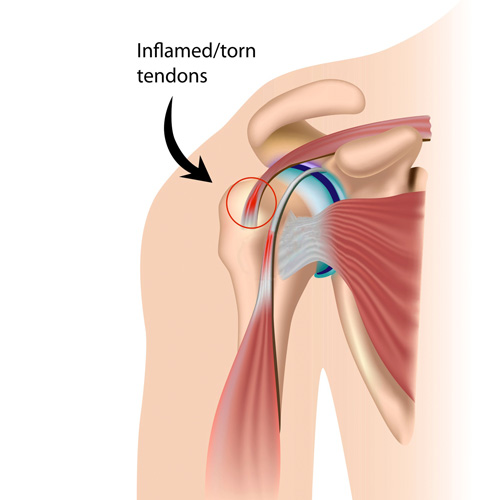
Impingement syndrome is an irritation of the structures between the upper portion of your arm and your shoulder blade mainly during overhead arm movements.The rotator cuff is comprised of four muscles that help position the humerus, your upper arm bone, into the shoulder socket during arm movement.The shoulder has great mobility but at the same time is prone to injury during falls or accident, or when there is a lack of motor control (altered biomechanics).Men over 40 performing manual labour are the most affected with this condition. It is also present in young athletes practicing sports involving repeated overhead motion such as swimming, baseball or tennis.

▬▬▬▬▬

Structures involved

The tendons of the rotator cuff, ligaments of your shoulder and subacromial bursa are the most commonly affected structures. The subacromial space gets smaller during overhead movements. This can cause, over time, irritation, inflammation and/or a lesion of the rotator cuff tendons.

page1image3462066528

▬▬▬▬▬

Signs & Symptoms that you may experience

Everyone will react differently after an injury and recovery will depend on the severity of it.

Impingement syndrome can cause but is not limited to, pain at the front of the shoulder and localized swelling. Pain or tightness is often felt when you lift your arm overhead or when you lower it from an elevated position. Pain can also be felt around your shoulder blade in your back.

Other early symptoms can include light pain with activities or during rest and in some cases, irradiating pain around your shoulder. In severe cases, you might feel pain at night and a loss of strength or range of motion. Impingement syndrome can lead to rotator cuff tendinitis or shoulder bursitis when left untreated.

▬▬▬▬▬

Recovery

Your rehabilitation plan, health, fitness & nutritional status will affect recovery speed. Most of the time, you can expect to recover fully from impingement syndrome. As a rule of thumb, this condition can take up to three months to fully recover.

▬▬▬▬▬▬▬▬▬▬▬▬▬▬▬▬▬▬▬▬▬▬▬▬▬▬▬▬▬▬▬▬▬▬▬▬▬▬▬▬▬▬▬▬▬▬▬▬▬
▬▬▬▬▬▬▬▬▬▬▬▬▬▬▬▬▬▬▬▬▬▬▬▬▬▬▬▬▬▬

▶ WHAT TO DO

Early Stage

Relative rest is a good way to protect your shoulder and prevent further damage, but it’s important to avoid overprotecting your injury. A few days rest where you avoid pain-inducing movement and activities might be necessary. A quick but progressive return to your activities of daily living, light cardiovascular exercise and specific range of motion and strengthening exercises will allow better recovery.

Rehabilitation

Follow your practitioner’s advice. It will help you manage the different phases of the recovery process and will increase the likelihood of successful rehabilitation. Your practitioner will assist you during your rehabilitation program in order to regain your normal range of motion, strength and endurance, optimal motor control and functional status.

As per the principles of rehabilitation for impingement syndrome, movement training through therapeutic exercises is an important part of functional recovery. A progressive exercise program performed over a few weeks period is pretty standard.

▶ WHAT TO AVOID

Don’t rely on passive treatment only. Each phase of the rehabilitation process is important. Patients that are actively involved in their treatment plan tend to recover faster. Keep in mind that pain is not always a good indicator of tissue damage. As soon as you feel better and the pain is well managed in collaboration with your therapist, you should reintroduce light strengthening exercises as tolerated.

Stiff neck??

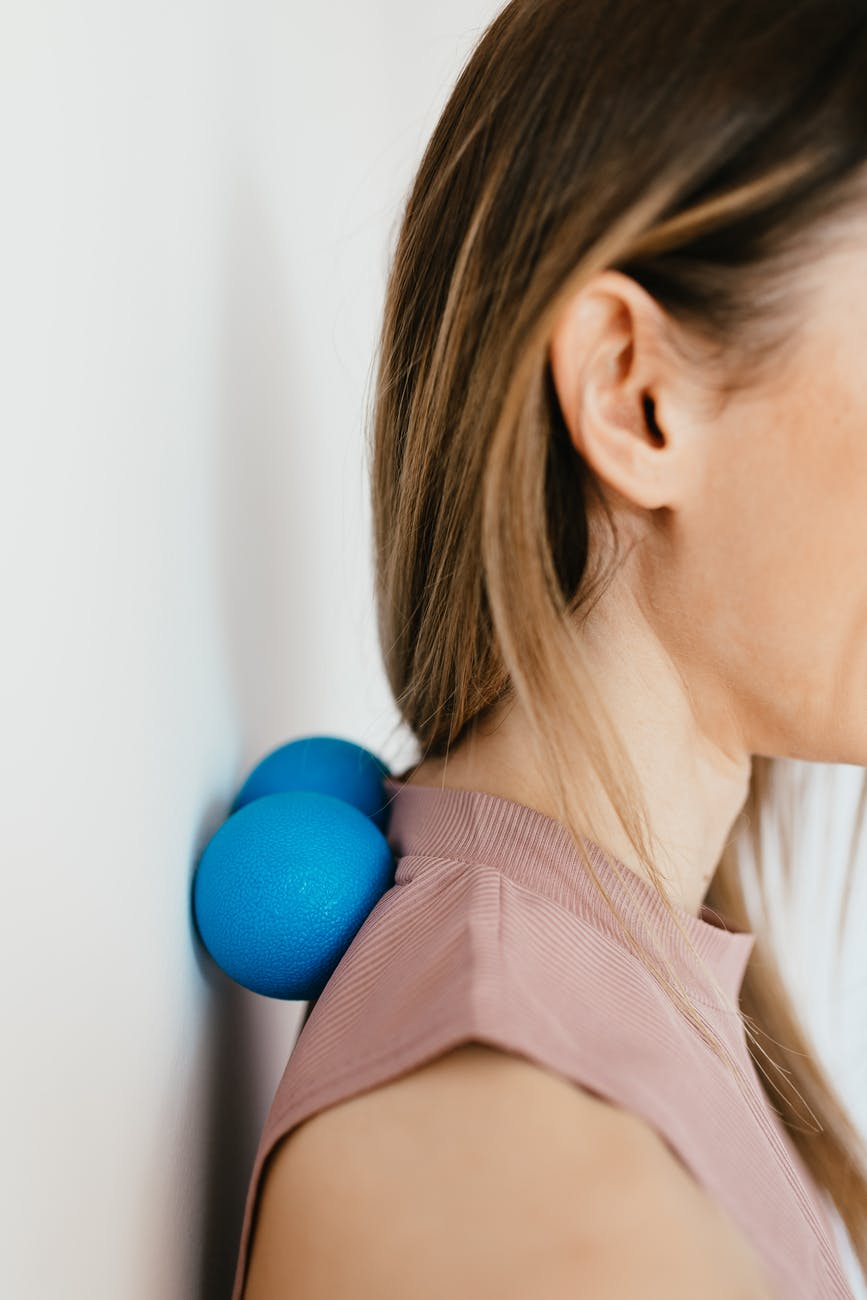
One of the most common causes of a stiff neck are trigger points in the levator scapulae muscle. This muscle runs up the side of the neck from the top of the shoulder blade. It helps to shrug the shoulders and move and stabilize the neck. When trigger points form in this muscle they will produce pain and stiffness in the neck. Deep tissue trigger point massage applied to these knots is an effective treatment method.

Photo by Karolina Grabowska on Pexels.com

Diet Strategies For Fibromyalgia

Fibromyalgia (FM) is a common condition that affects about five million Americans, often between ages 20 and 45 years old. FM is very difficult to diagnose primarily because there is no definitive test like there is for heart, liver, or kidney disease. Equally challenging is the ability to effectively treat FM as there are frequently other conditions that co-exist with FM that require special treatment considerations. Typically, each FM case is unique with a different group of symptoms and therefore, each person requires individualized care.

Fibromyalgia symptoms can include generalized pain throughout the body that can vary from mild to severely disabling, extreme fatigue, nausea/flu-like symptoms, brain “fog” (“fibro-fog”), depression and/or anxiety, sleeping problems and feeling un-refreshed in the mornings, headaches, irritable bowel syndrome, morning stiffness, painful menstrual cramps, numbness or tingling (arms/hands, legs/feet), tender points, urinary pain or burning, and more!

So, let’s talk about ways to improve your FM-related symptoms through dietary approaches. When the FM symptom group includes gut trouble (bad/painful gas, bloating, and/or constipation), it’s not uncommon to have an imbalance between the “good” vs. the “bad” bacteria, yeast, and problems with digestion or absorption. Think of management as a “Four Step” process for the digestive system:

1.  REMOVE HARMFUL TOXINS: Consider food allergy testing to determine any foods the FM patient has a sensitivity for. Frequently, removing gluten, dairy, eggs, bananas, potatoes, corn, and red meat can benefit the FM patient. The use of anti-fungal and / or anti-bacterial botanicals (as opposed to drug approaches such as antibiotics) can be highly effective. A low allergy-potential diet consisting of fish, poultry, certain vegetables, legumes, fruits, rice, and olive and coconut oil is usually a good choice.

2.  IMPROVE DIGESTIVE FUNCTION: The presence of bloating and gas is usually indicative of poor digestion, and the use of a digestive enzyme with every meal can be highly effective!

3.  RESTORE THE “GOOD” BACTERIA: Probiotics (with at least 20-30 billion live organisms) at each meal are often necessary to improve the “good” gut bacteria population, which will likely also improve immune function.

4.  REPAIR THE GUT: If the gut wall is damaged, nutrients like l-glutamine, fish oils, and n-acetyl-d-glucosamine may help repair it.

This process will take several months, and some of these approaches may have to be continued over the long term. Doctors of chiropractic are trained in nutritional counseling and can help you in this process. As an added benefit, many FM sufferers find the inclusion of chiropractic adjustments to be both symptomatically relieving and energy producing.

If you, a friend or family member requires care for Fibromyalgia, we sincerely appreciate the trust and confidence shown by choosing our services!

Chiropractic and Headaches

According to the World Health Organization, headaches are among the most common disorders of the nervous system affecting an estimated 47% of adults during the past year. Headaches place a significant burden on both quality of life (personal, social, and occupational) and financial health. They are usually misdiagnosed by healthcare practitioners, and in general, are underestimated, under-recognized, and under-treated around the world. So, what about chiropractic and headaches… Does it help?

Suffice it to say, there are MANY studies showing chiropractic care helps headache sufferers. For instance, in a review of past research studies using an “evidence-based” approach, chiropractic treatment of adults with different types of headaches revealed very positive findings! Researchers note that chiropractic care helps those with episodic or chronic migraine headaches, cervicogenic headache (that is, headaches caused by neck problems), and tension-type headaches (chronic more than episodic). There appears to be additional benefit when chiropractic adjustments are combined with massage, mobilization, and/or adding certain types of exercises, although this was not consistently studied. In the studies that discussed adverse or negative effects of treatment, the researchers noted no serious adverse effects.

In patients suffering from athletic injuries, particularly post-concussion headache (PC-HA), chiropractic care can play a very important role in the patient’s recovery. With an estimated 1.6 to 3.8 million sports-related brain injuries occurring each year, approximately 136,000 involve young high school athletes (although some argue this is “grossly underestimated”).

Several published case studies report significant benefits for post-concussion patients after receiving chiropractic care, some of which included PC-HA from motor vehicle collisions, as well as from slips and falls. For example, one described an improvement in symptoms that included deficits in short-term memory as well as attention problems. In this particular study, a six-year-old boy fell from a slide in the playground, and after 18 months of continuous problems, underwent a course of chiropractic care. After just three weeks of care, his spelling test scores improved from 20% to 80% with even more benefits observed by the eighth week of care!

Another case study looked at a 16-year-old male teenager with a five-week-old football injury who had daily headaches and “a sense of fogginess” (concentration difficulties). He reported significant improvement after the second visit, with near-complete symptom resolution after the fifth visit (within two weeks of care). After seven weeks of care, he successfully returned to normal activities, including playing football.

Dizziness and vertigo are also common residuals from concussion and were present in a 30-year-old woman just three days following a motor vehicle accident. She also complained of headache, neck pain, back pain, and numbness in both arms. The case study noted significant improvement after nine visits within an 18-day time frame.

We realize you have a choice in whom you consider for your health care provision and we sincerely appreciate your trust in choosing our service for those needs.  If you, a friend, or family member requires care for neck pain or headaches, we would be honored to render our services.