Health Alert: Lung Cancer Now the #1 Cancer Killer of Women in Wealthy Nations.

Health Alert: Lung Cancer Now the #1 Cancer Killer of Women in Wealthy Nations.

According to a new report, lung cancer has overtaken breast cancer as the leading killer of women in developed countries. Experts explain that an increase in female smokers in the 1970s is the likely explanation for the upsurge in lung cancer-related deaths among women in present day. On the other hand, early detection and improved treatments have led to a decline in breast cancer-related deaths in recent decades.

CA: A Cancer Journal for Clinicians, February 2015

Senior Wellness: Chiropractic, Acupuncture, Weight Training, and Massage Benefits

Staying Healthy and Active in Your Senior Years: The Benefits of Chiropractic, Acupuncture, Weight Training, and Massage

As we age, maintaining our health and staying active becomes increasingly important. Adopting a holistic approach to wellness can significantly enhance the quality of life in our senior years. Chiropractic care, acupuncture, weight training, and massage therapy are four key components that can help keep you healthy, mobile, and vibrant well into your golden years. At River East Chiropractic, we offer all these services under one roof, making it easy for you to take a comprehensive approach to your health.

Chiropractic Care: Aligning Your Body for Optimal Function

Chiropractic care is essential for maintaining spinal health and overall body function. As we age, the spine can become misaligned due to wear and tear, leading to discomfort and reduced mobility.

  1. Pain Relief: Regular chiropractic adjustments can help alleviate back pain, neck pain, and joint discomfort, common issues that can hinder your ability to stay active.
  2. Improved Mobility: By realigning the spine, chiropractic care enhances mobility and flexibility, making it easier to engage in physical activities and daily tasks.
  3. Nervous System Support: Proper spinal alignment ensures that your nervous system functions optimally, improving overall health and well-being.

Acupuncture: Balancing Energy and Relieving Pain

Acupuncture, an ancient Chinese medicine practice, involves inserting thin needles into specific points on the body to balance energy flow and promote healing.

  1. Pain Management: Acupuncture is effective in managing chronic pain conditions, including arthritis and joint pain, which are prevalent in older adults.
  2. Stress Reduction: It helps reduce stress and anxiety, promoting mental well-being and enhancing the body’s natural healing processes.
  3. Enhanced Circulation: Acupuncture improves blood flow, which can aid in reducing inflammation and promoting tissue repair.

Weight Training: Building Strength and Preventing Frailty

Weight training is not just for the young; it is crucial for seniors to maintain muscle mass, strength, and bone density.

  1. Muscle Preservation: Regular weight training helps prevent muscle loss, a common issue in aging, ensuring you remain strong and capable of handling everyday activities.
  2. Bone Health: Weight-bearing exercises increase bone density, reducing the risk of osteoporosis and fractures.
  3. Balance and Coordination: Strengthening your muscles improves balance and coordination, decreasing the risk of falls and injuries.

Massage Therapy: Enhancing Relaxation and Recovery

Massage therapy offers numerous benefits that are particularly valuable for seniors.

  1. Relaxation and Stress Relief: Massage helps to relax the muscles and mind, reducing stress and promoting a sense of well-being.
  2. Improved Circulation: It enhances blood flow, which can help in the recovery of muscles and tissues, and reduce swelling.
  3. Pain Relief: Regular massage can alleviate chronic pain conditions, such as arthritis, and improve flexibility and range of motion.

River East Chiropractic: Your One-Stop Wellness Facility

At River East Chiropractic, we understand the unique needs of seniors and offer a comprehensive range of services to support your health and wellness journey. Our facility includes:

  • Chiropractic Care: Our skilled chiropractors provide personalized adjustments to help you maintain spinal health and mobility.
  • Acupuncture: Our acupuncture specialists use time-tested techniques to balance your energy and manage pain.
  • Weight Training: Our personal trainers design customized weight training programs to help you build strength and prevent frailty.
  • Massage Therapy: Our experienced massage therapists offer treatments to relax your muscles, improve circulation, and relieve pain.
  • Pilates: We offer Pilates classes focused on core strength, flexibility, and balance.
  • Full Gym: Our state-of-the-art gym is equipped with everything you need to stay active and fit.

With all these services available in one location, River East Chiropractic makes it easy to take a holistic approach to your health. Whether you’re looking to relieve pain, improve mobility, or simply stay active, our team is here to help you thrive in your senior years. Visit us today and discover how we can support your journey to a healthier, more active life.

Holistic Wellness: Maximizing Benefits Through Diet & Exercise

Wellness/Prevention: Benefits From Diet & Exercise.

The amalgamation of a nutritious diet and regular exercise constitutes a cornerstone of a holistic approach to well-being, yielding a plethora of benefits that extend far beyond mere physical fitness. According to the Weight-Control Information Network, harnessing the power of exercise engenders a multitude of advantages that encompass physical, mental, and emotional realms, profoundly enriching the quality of life.

First and foremost, engaging in regular physical activity infuses the body with vitality and stamina, fostering sustained energy levels that empower individuals to tackle the demands of daily life with vigor and resilience. By enhancing cardiovascular function and oxygen delivery to tissues, exercise optimizes metabolic efficiency, promoting alertness, productivity, and endurance throughout the day.

Moreover, exercise serves as a potent antidote to the deleterious effects of stress, offering a sanctuary for relaxation, rejuvenation, and emotional release. Through the release of endorphins, neurotransmitters renowned for their mood-enhancing properties, physical activity alleviates tension, fosters mental clarity, and cultivates a sense of inner peace and equilibrium.

In addition to its physiological benefits, exercise plays a pivotal role in nurturing a positive self-image and bolstering self-confidence. By setting and achieving personal fitness goals, individuals forge a sense of accomplishment and empowerment, cultivating a deep-seated belief in their capabilities and worthiness. Furthermore, the tangible improvements in physical appearance resulting from regular exercise, such as enhanced muscle tone and a leaner physique, contribute to a heightened sense of self-esteem and body appreciation.

Beyond its individual impact, exercise also radiates outward, exerting a positive influence on interpersonal relationships and social dynamics. By embodying a commitment to health and vitality, individuals serve as beacons of inspiration and motivation for their family and friends, catalyzing a ripple effect of positive behavior change and well-being within their social circles.

Furthermore, the physical transformation wrought by exercise transcends mere aesthetics, imbuing individuals with a newfound confidence and sense of empowerment that radiates in every aspect of their lives. From the enhanced fit and look of clothing to the tangible manifestation of toned muscles and improved posture, the outward manifestations of physical fitness serve as tangible reminders of the transformative power of exercise.

In essence, the benefits of exercise extend far beyond the confines of the gym, permeating every facet of life with vitality, resilience, and joy. By embracing physical activity as an integral component of a balanced lifestyle, individuals unlock a gateway to optimal health, well-being, and fulfillment, cultivating a legacy of vitality and vitality for generations to come.

The Weight-Control Information Network, March 2015

Health Alert: Family History of Prostate Cancer May Be Linked to Breast Cancer Risk.

A recent health alert has shed light on a potential link between a family history of prostate cancer and an increased risk of breast cancer in women. According to researchers, women with a paternal lineage marked by instances of prostate cancer face a 14% higher likelihood of developing breast cancer compared to those without such familial history. Furthermore, the risk escalates dramatically for women with a dual familial burden, as those with relatives afflicted by both prostate and breast cancer exhibit a staggering 78% higher risk of breast cancer than those without such familial precedent.

These findings underscore the critical importance of understanding one’s complete family medical history, particularly with regard to cancer diagnoses among first-degree relatives. By elucidating patterns of hereditary risk, individuals can make informed decisions about proactive screening, risk reduction strategies, and lifestyle modifications to safeguard their health.

Healthcare professionals urge women to initiate conversations with their families about their medical history, probing for any instances of cancer among fathers, brothers, and sons. Armed with this knowledge, individuals can collaborate with their healthcare providers to formulate personalized risk assessment and management plans tailored to their unique familial risk profile.

Moreover, these findings underscore the imperative for ongoing research into the intricate interplay of genetic and environmental factors in cancer susceptibility. By unraveling the underlying mechanisms linking prostate and breast cancer, scientists can pave the way for more targeted prevention, early detection, and treatment strategies, ultimately advancing the fight against these prevalent malignancies.

In essence, awareness of familial cancer history serves as a powerful tool in the arsenal against breast cancer, empowering individuals to take proactive steps to protect their health and well-being. Through informed decision-making and collaborative efforts between patients, families, and healthcare providers, we can strive to mitigate the impact of hereditary risk factors and forge a path towards a future marked by improved cancer outcomes and enhanced quality of life.

Cancer, March 2015

The Benefits of Personal Training Over DIY Fitness

In the realm of fitness, there are countless resources available for those who wish to take control of their health and fitness journey. From online workout videos to fitness apps and books, the do-it-yourself (DIY) approach to fitness has never been more accessible. However, while it is possible to achieve results on your own, there are significant benefits to working with a personal trainer that can enhance your experience and outcomes. Here are some key reasons why personal training might be a better option than going it alone.

1. Personalized Workout Plans

One of the most significant advantages of working with a personal trainer is the customization of your fitness plan. Personal trainers assess your current fitness level, consider any health issues, and tailor workouts to meet your specific goals. Whether you aim to lose weight, build muscle, improve endurance, or rehabilitate an injury, a personalized plan ensures that your efforts are efficient and effective. In contrast, DIY fitness often involves generic plans that might not be suitable for your unique needs, potentially leading to frustration or injury.

2. Motivation and Accountability

Staying motivated can be challenging, especially when working out alone. Personal trainers provide the motivation and encouragement needed to push through tough workouts. They help you set realistic goals and celebrate your achievements, keeping you engaged and committed. Additionally, having a scheduled session with a trainer creates a sense of accountability. It’s harder to skip workouts when someone is waiting for you at the gym, ensuring consistency and progress.

3. Proper Technique and Injury Prevention

Proper technique is crucial in any exercise regimen to prevent injuries and maximize effectiveness. Personal trainers are skilled in teaching correct form and providing adjustments to ensure you perform exercises safely. They can identify and correct bad habits that you might not even be aware of. In a DIY approach, improper technique can lead to injuries, setbacks, and decreased motivation. A trainer’s expertise helps mitigate these risks, allowing you to progress safely.

4. Variety and Creativity in Workouts

Boredom is a common issue with self-directed fitness routines. It’s easy to fall into a repetitive pattern, which can lead to plateauing and decreased enthusiasm. Personal trainers keep workouts varied and interesting by incorporating new exercises and equipment. This not only keeps you engaged but also challenges different muscle groups, leading to better overall fitness. Trainers often use creative methods to make workouts fun, ensuring that you look forward to each session.

5. Nutritional Guidance

Fitness is not just about exercise; nutrition plays a critical role in achieving your goals. Many personal trainers offer basic nutritional advice and help you develop healthier eating habits. They can provide guidance on portion sizes, food choices, and meal timing to complement your workouts. While DIY fitness enthusiasts can find nutrition information online, it’s often generalized and may not address individual needs. A trainer’s personalized approach can help you make better dietary choices that enhance your fitness results.

6. Efficient Use of Time

Personal trainers design workouts that maximize efficiency, making the most out of your time at the gym. They structure sessions to target multiple muscle groups and incorporate high-intensity exercises that provide a comprehensive workout in less time. This is particularly beneficial for those with busy schedules. DIY fitness plans may not be as efficient, often leading to longer workouts with less impact.

7. Support and Encouragement

The journey to fitness can be challenging, and having a supportive figure can make a significant difference. Personal trainers not only provide physical guidance but also emotional support. They understand the ups and downs of the fitness journey and offer encouragement and empathy. This support system can be invaluable, especially during tough times when self-motivation wanes.

Conclusion

While the DIY approach to fitness has its merits, the benefits of personal training are substantial. Personalized plans, motivation, proper technique, variety, nutritional guidance, efficient use of time, and emotional support are just a few reasons why working with a personal trainer can elevate your fitness journey. At River East Chiropractic, we offer comprehensive personal training services designed to meet your individual needs. Our trainers are committed to helping you achieve your goals safely and effectively, providing the support and expertise you need to thrive. Consider investing in personal training to unlock your full potential and enjoy a healthier, more active lifestyle.


Obesity and Cancer Risk: The Impact of Weight Loss on Prevention

Wellness/Prevention: Weight Loss Should Be Part of Cancer Prevention Strategies!

Recent studies underscore the concerning link between obesity and heightened susceptibility to certain cancers, particularly ovarian, endometrial, and postmenopausal breast cancer in women. While the precise mechanisms underpinning this association remain elusive, emerging evidence suggests that obesity-induced alterations in sex hormone levels, insulin resistance, and chronic inflammation may play pivotal roles in fueling tumorigenesis.

Obesity exerts a multifaceted influence on hormonal balance, disrupting the delicate interplay of estrogen, progesterone, and other sex hormones implicated in the regulation of cell growth and proliferation. Furthermore, the presence of excess adipose tissue can precipitate insulin resistance, leading to elevated levels of circulating insulin and insulin-like growth factors that promote aberrant cell proliferation and tumor development.

Chronic inflammation, a hallmark feature of obesity, further exacerbates the oncogenic milieu by fostering a pro-inflammatory microenvironment conducive to tumor initiation and progression. Additionally, adipose tissue itself serves as an active endocrine organ, secreting a myriad of bioactive molecules, known as adipokines, which may exert direct and indirect effects on cancer cell behavior.

Compounding the risk posed by obesity, affected women also face heightened susceptibility to cancer recurrence and mortality, underscoring the urgent need for proactive intervention strategies. Recognizing the pivotal role of lifestyle factors in cancer prevention, experts advocate for the adoption of healthier behaviors among obese women as a cornerstone of cancer risk reduction efforts.

Embracing a multifaceted approach that encompasses dietary modifications, regular physical activity, weight management, and smoking cessation can mitigate the adverse impact of obesity on cancer risk and prognosis. By empowering women to make informed choices and cultivate a healthier lifestyle, healthcare professionals play a pivotal role in stemming the tide of obesity-related cancers and fostering a future marked by improved health outcomes and enhanced well-being.

Best Practice & Research, Clinical Obstetrics and Gynaecology, February 2015

Health Alert: Over 50 Million Non-Smokers in the US Are Still Exposed to Secondhand Smoke!

Health Alert: Over 50 Million Non-Smokers in the US Are Still Exposed to Secondhand Smoke!

While secondhand smoke (SHS) exposure was cut in half between 1999/2000 and 2011/2012, the Centers for Disease Control and Prevention (CDC) reports that 58 million non-smokers are still regularly exposed to secondhand smoke. Furthermore, the risk of secondhand smoke exposure is higher among minorities, those living below the poverty line, and those living in rental housing. Experts from the CDC add, “Each year exposure to SHS causes more than 41,000 deaths from lung cancer and heart disease among non-smoking adults and 400 deaths from Sudden Infant Death Syndrome, as well as about $5.6 billion annually in lost productivity.”

Centers for Disease Control and Prevention, February 2015

DAILY HEALTH UPDATE

DAILY HEALTH UPDATE

Friday, February 27th, 2015 Courtesy of Aberdeen Chiropractic Office:

Mental Attitude: Childhood Neglect May Affect Brain Development. A new study finds that severe childhood neglect may cause structural changes to the brain, but early intervention may reverse such alterations. Researchers found that children who remained in institutional care exhibited structural changes in certain areas of the brain’s white matter which facilitate communication between different areas of the brain. However, they found that children who had been moved from institutional care to foster care had white matter similar to that of children who had never been in institutional care, suggesting that the movement to foster care reversed the white matter abnormalities. The researchers write, “Our findings have important implications for public health related to early prevention and intervention for children reared in conditions of severe neglect or adverse contexts more generally.” JAMA Pediatrics, January 2015

Health Alert: Chemical Exposure May Drive Earlier Menopause in Women. Researchers have discovered that women exposed to high levels of certain chemicals found in household items, personal care products, plastics, and the environment typically begin to experience menopause two to four years earlier than women with less exposure to these chemicals (which include PCBs, pesticides, phthalates, and furan). Senior study author Dr. Amber Cooper adds, “Many of these chemical exposures are beyond our control because they are in the soil, water, and air. But we can educate ourselves about our day-to-day chemical exposures and become more aware of the plastics and other household products we use.” The research team recommends further research to determine how much exposure is needed to impact female health.

PLOS ONE, January 2015

Diet: Oatmeal for Breakfast = Fullness & Lower Calorie Intake at Lunch. Your breakfast choice may affect how full you feel during the rest of the morning and how much you eat for lunch. Scientists from the New York Obesity Nutrition Research Center at Mount Sinai St. Luke’s Hospital report that having oatmeal for breakfast results in greater fullness, less hunger, and fewer calories eaten during lunch compared with those eating a ready-to-eat cereal for breakfast. The researchers believe that the greater satiety effect of oatmeal cereal compared to sugared ready-to-eat cereal or water might be due to slower gastric emptying, as they found that oatmeal took longer to leave the stomach.

Annals of Nutrition and Metabolism, January 2015

Exercise: Elderly COPD Patients Benefit from Home-Based Rehabilitation with a Pedometer. A small-scale study found that older patients with chronic obstructive pulmonary disease (COPD) achieved greater improvements in physical function when they used a pedometer in conjunction with their home-based pulmonary rehabilitation. The researchers believe the pedometer helps to motivate patients to be more active when they have viewable feedback. Respiratory Medicine, January 2015

Chiropractic: More Sitting Time More Neck and Shoulder Pain. According to a study involving 118 males in blue-collar jobs across a variety of industries, those who spend nearly the whole workday sitting are nearly three times more likely to experience neck and shoulder pain than workers who spend more than half the workday on their feet.
International Archives of Occupational and Environmental Health, February 2015

Wellness/Prevention: Remember to Use Sunscreen. The use of sunscreen is vital in preventing sunburn and the future development of skin cancer. The Cleveland Clinic suggests wearing sunscreen if you spend several hours outdoors, have fair skin and burn easily, ski frequently, work in your garden, or sunbathe. The Cleveland Clinic, January 2015

Quote: “Life is so short. I would rather sing one song than interpret the thousand.” ~ Jack London

For More Information on Back Pain, Neck Pain, Headaches, Carpal Tunnel Syndrome, Fibromyalgia, and Whiplash, and To Sign Up For Our Daily Health Update Emails, Go To:

http://www.aberdeenchiropracticblog.com

This information should not be substituted for medical or chiropractic advice. Any and all health care concerns, decisions, and actions must be done through the advice and counsel of a health care professional who is familiar with your updated medical history.

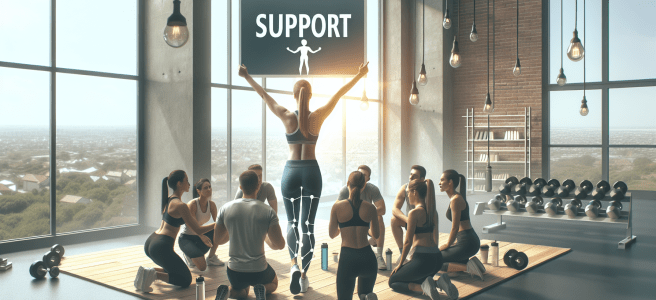
Boost Your Health and Fitness Goals: The Power of Support Networks

Maintaining motivation to reach health and fitness objectives is bolstered by a robust support network. The American Council on Exercise advises discussing goals with a partner or loved one, securing an accountability buddy for mutual encouragement, and engaging with a community of like-minded individuals dedicated to enhancing their well-being. These connections foster encouragement, accountability, and camaraderie, facilitating sustained commitment to personal health and fitness endeavors. The American Council on Exercise, March 2015

Optimizing Quality of Life: Importance of Preventing and Managing Knee and Back Pain

Chiropractic: Here’s Why Preventing and Managing Knee and Back Pain Is So Important…

As individuals approach their later years, proactively managing and preventing knee and back pain emerges as a paramount priority for optimizing quality of life. A seminal study, featured in PM & R: The Journal of Injury, Function, and Rehabilitation in March 2015, underscores the profound impact of these musculoskeletal ailments on overall well-being, surpassing even the toll exacted by many chronic diseases.

Conducted among a cohort of nearly 3,000 men and women aged 50 and above, the research illuminates the stark reality that knee pain and back pain exert a disproportionately significant influence on quality of life. Participants grappling with these musculoskeletal afflictions reported a notable reduction in their overall well-being, surpassing the deleterious effects observed in individuals contending with various chronic diseases.

This revelation underscores the imperative for proactive measures to mitigate the onset and progression of knee and back pain, particularly as individuals age. By adopting a multifaceted approach encompassing lifestyle modifications, targeted exercises, and prudent self-care practices, individuals can fortify their musculoskeletal health and minimize the burden of pain and discomfort in later life.

Engaging in regular physical activity tailored to promote joint mobility, muscular strength, and flexibility constitutes a cornerstone of preventive efforts against knee and back pain. Furthermore, cultivating proper posture, implementing ergonomic adjustments in daily activities, and maintaining a healthy weight can alleviate undue stress on the joints and spine, reducing the risk of pain and injury.

Moreover, fostering a holistic approach to wellness that encompasses dietary interventions, stress management techniques, and adequate sleep hygiene can bolster resilience and enhance pain coping mechanisms. By nurturing physical, mental, and emotional well-being in tandem, individuals can fortify their defenses against the onset and progression of musculoskeletal ailments, safeguarding their quality of life well into their golden years.

In light of these findings, healthcare practitioners, policymakers, and individuals alike are urged to prioritize musculoskeletal health as a cornerstone of healthy aging. By fostering awareness, promoting early intervention, and facilitating access to evidence-based interventions, stakeholders can empower individuals to proactively manage and prevent knee and back pain, fostering a future characterized by vitality, mobility, and optimal well-being.

PM & R: The Journal of Injury, Function, and Rehabilitation, March 2015