New research suggests that a diet low in red meat and rich in whole grains may reduce the risk of developing a chronic lung disease known as chronic obstructive pulmonary disease (COPD). Researchers tracked over 120,000 individuals and found that healthy eaters were one-third less likely to develop COPD when compared with regular consumers of red meat, refined grains, sugary drinks, and alcohol. The findings reveal that good eating habits appear to lower COPD risk for both smokers and nonsmokers alike. British Medical Journal, February 2015
Green tea extract may aid in weight loss, according to a new study published in the Journal of the International Society of Sports Nutrition. Researchers found that recreationally active participants who took a green tea extract capsule every day for four weeks experienced a body fat reduction of 1.63% compared with a placebo group. They also noted a 10.9% increase in exercise performance among those taking the green tea extract during the four-week study. Lead researcher Dr. Dustin Roberts writes, “In essence, our study showed that the use of a green tea extract could potentially help people to lose weight, if combined with exercise. However, we recognize that a larger scale study is now required.”
Journal of the International Society of Sports Nutrition, January 2015
The anti-inflammatory diet is a diet that is designed to help reduce inflammation throughout the body. The diet is based on the idea that by eating certain foods, you can help to reduce inflammation that may be causing health problems. The anti-inflammatory diet is based on the Mediterranean diet, which is known to be healthy and anti-inflammatory.
The anti-inflammatory diet focuses on eating plenty of fruits, vegetables, whole grains, and healthy fats. It also recommends avoiding processed foods, sugar, and unhealthy fats.
Some of the best foods to eat on the anti-inflammatory diet include:
-Fruits: Berries, citrus fruits, apples, pears
-Vegetables: Dark leafy greens, cruciferous vegetables, tomatoes, onions, garlic
-Whole grains: Brown rice, quinoa, oats
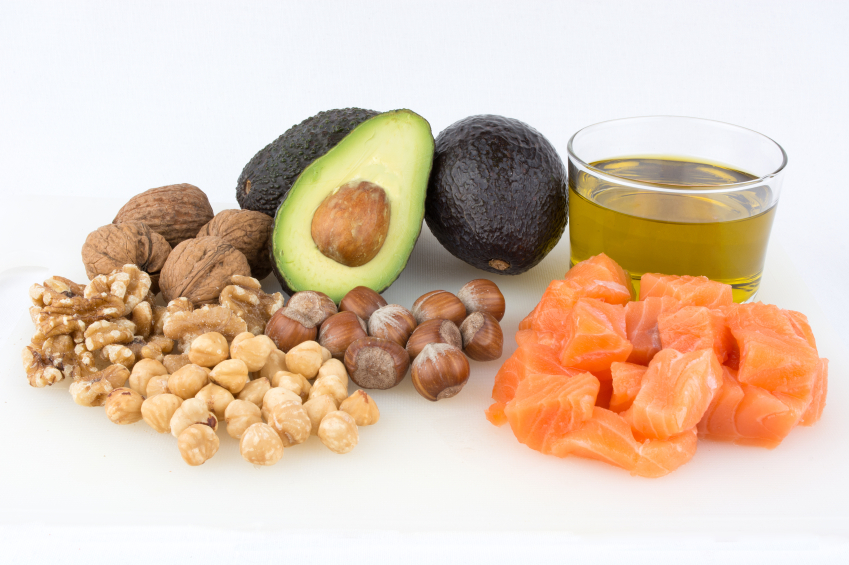
-Healthy fats: Olive oil, avocado, nuts, seeds
The anti-inflammatory diet can help to improve overall health and reduce the risk of diseases that are caused by inflammation. It is a healthy and sustainable way to eat, and it can be tailored to fit any individual’s needs and preferences.
As an elite athlete, you know that proper nutrition and diet are essential for success. But what you may not know is just how important they are. Eating the right foods can help you achieve peak performance, while eating the wrong foods can lead to fatigue and poor performance.
The first step to proper nutrition is understanding your own body. Everyone is different, and what works for one person may not work for another. You need to experiment to find out what foods give you the energy you need to perform your best. In general, athletes need to eat plenty of fruits and vegetables, lean protein, whole grains, and healthy fats. It’s also important to drink plenty of water and avoid sugary drinks.
When it comes to eating for performance, timing is everything. You need to eat a balanced meal several hours before your event, and then have a light snack about an hour before. During the event, you should focus on drinking fluids and consuming energy gels or bars. After the event, it’s important to refuel with a balanced meal that includes protein and carbohydrates. You may also need to take supplements to help you recover.
Proper nutrition and diet are essential for elite athletes. By eating the right foods, you can achieve peak performance, while eating the wrong foods can lead to fatigue and poor performance.
You’re busy and you’re stressed out. Well, you’re not alone.
These are two of the most common reasons people give for not exercising consistently. Ironically, these are the two exact reasons you should be exercising and moving your body!
Moving your body releases endorphins which help you feel good, relaxes your mind which reduces stress, and burns calories to keep you looking great.
Why it Matters:
Your body is meant to move. Long hours commuting in your car or sitting at a desk can place a lot of stress on your musculoskeletal system.
If your spine and core muscles are weak and unstable, then you are more likely to suffer an injury which can cause a downward spiral that impacts your relationships with food, sleep, and exercise. So taking a pro-active approach to your exercise routine is crucial to live your best life. Chiropractic adjustments are an essential part of the picture because they can help you feel good mentally and keep you moving physically.
Maintaining a healthy weight can decrease the risk factors for cardiovascular and heart disease.
Even 15 minutes of light exercise can make a difference in your overall health.
Exercise can help you feel good both physically and mentally.
Next Steps:
Schedule time every day to exercise. But, don’t get discouraged if you feel like you aren’t doing enough. Rome wasn’t built in a day!
Even 15 minutes of walking during your afternoon break can provide you with the health benefits you are looking for. Burning an extra hundred calories per day (which could be accomplished with 10 minutes of walking) adds up to thousands of calories each month. Continue that trend, and you will notice inches falling off your waistline before you know it!
Science Source(s):
The Role of Exercise and Physical Activity in Weight Loss and Maintenance. Prog Cardiovasc Dis 2015
Fibromyalgia (FM) is a common condition that affects about five million Americans, often between ages 20 and 45 years old. FM is very difficult to diagnose primarily because there is no definitive test like there is for heart, liver, or kidney disease. Equally challenging is the ability to effectively treat FM as there are frequently other conditions that co-exist with FM that require special treatment considerations. Typically, each FM case is unique with a different group of symptoms and therefore, each person requires individualized care.
Fibromyalgia symptoms can include generalized pain throughout the body that can vary from mild to severely disabling, extreme fatigue, nausea/flu-like symptoms, brain “fog” (“fibro-fog”), depression and/or anxiety, sleeping problems and feeling un-refreshed in the mornings, headaches, irritable bowel syndrome, morning stiffness, painful menstrual cramps, numbness or tingling (arms/hands, legs/feet), tender points, urinary pain or burning, and more!
So, let’s talk about ways to improve your FM-related symptoms through dietary approaches. When the FM symptom group includes gut trouble (bad/painful gas, bloating, and/or constipation), it’s not uncommon to have an imbalance between the “good” vs. the “bad” bacteria, yeast, and problems with digestion or absorption. Think of management as a “Four Step” process for the digestive system:
1. REMOVE HARMFUL TOXINS: Consider food allergy testing to determine any foods the FM patient has a sensitivity for. Frequently, removing gluten, dairy, eggs, bananas, potatoes, corn, and red meat can benefit the FM patient. The use of anti-fungal and / or anti-bacterial botanicals (as opposed to drug approaches such as antibiotics) can be highly effective. A low allergy-potential diet consisting of fish, poultry, certain vegetables, legumes, fruits, rice, and olive and coconut oil is usually a good choice.
2. IMPROVE DIGESTIVE FUNCTION: The presence of bloating and gas is usually indicative of poor digestion, and the use of a digestive enzyme with every meal can be highly effective!
3. RESTORE THE “GOOD” BACTERIA: Probiotics (with at least 20-30 billion live organisms) at each meal are often necessary to improve the “good” gut bacteria population, which will likely also improve immune function.
4. REPAIR THE GUT: If the gut wall is damaged, nutrients like l-glutamine, fish oils, and n-acetyl-d-glucosamine may help repair it.
This process will take several months, and some of these approaches may have to be continued over the long term. Doctors of chiropractic are trained in nutritional counseling and can help you in this process. As an added benefit, many FM sufferers find the inclusion of chiropractic adjustments to be both symptomatically relieving and energy producing.
If you, a friend or family member requires care for Fibromyalgia, we sincerely appreciate the trust and confidence shown by choosing our services!
Fibromyalgia (FM) and its cause remains a mystery, but most studies suggest that FM is NOT the result of a single event but rather a combination of many physical, chemical, and emotional stressors.
The question of the month regarding the BEST FM diet is intriguing since one might assume that the many causes should mean that there isn’t one dietary solution. But is that true? Could there be a “best diet” to help ease the symptoms from such a multi-faceted disorder?
Certainly, healthy eating is VERY important for ALL of us regardless of our current ailment(s). Obesity is rampant largely due to the fact that 60% of the calories consumed by the “typical” American center around eating highly inflaming food that include those rich in Sugar, Omega-6 oil, Flour, and Trans fats (“SOFT” foods, if you will!). Obesity has been cited as “an epidemic” largely due to kids and adults becoming too sedentary (watching TV, playing on electronic devices, etc.) and eating poorly.
Perhaps the BEST way to manage the pain associated with FM and to maintain a healthy BMI (Body Mass Index, or ratio between height and weight) is to substitute ANTI-INFLAMING foods for those that inflame (or SOFT foods).
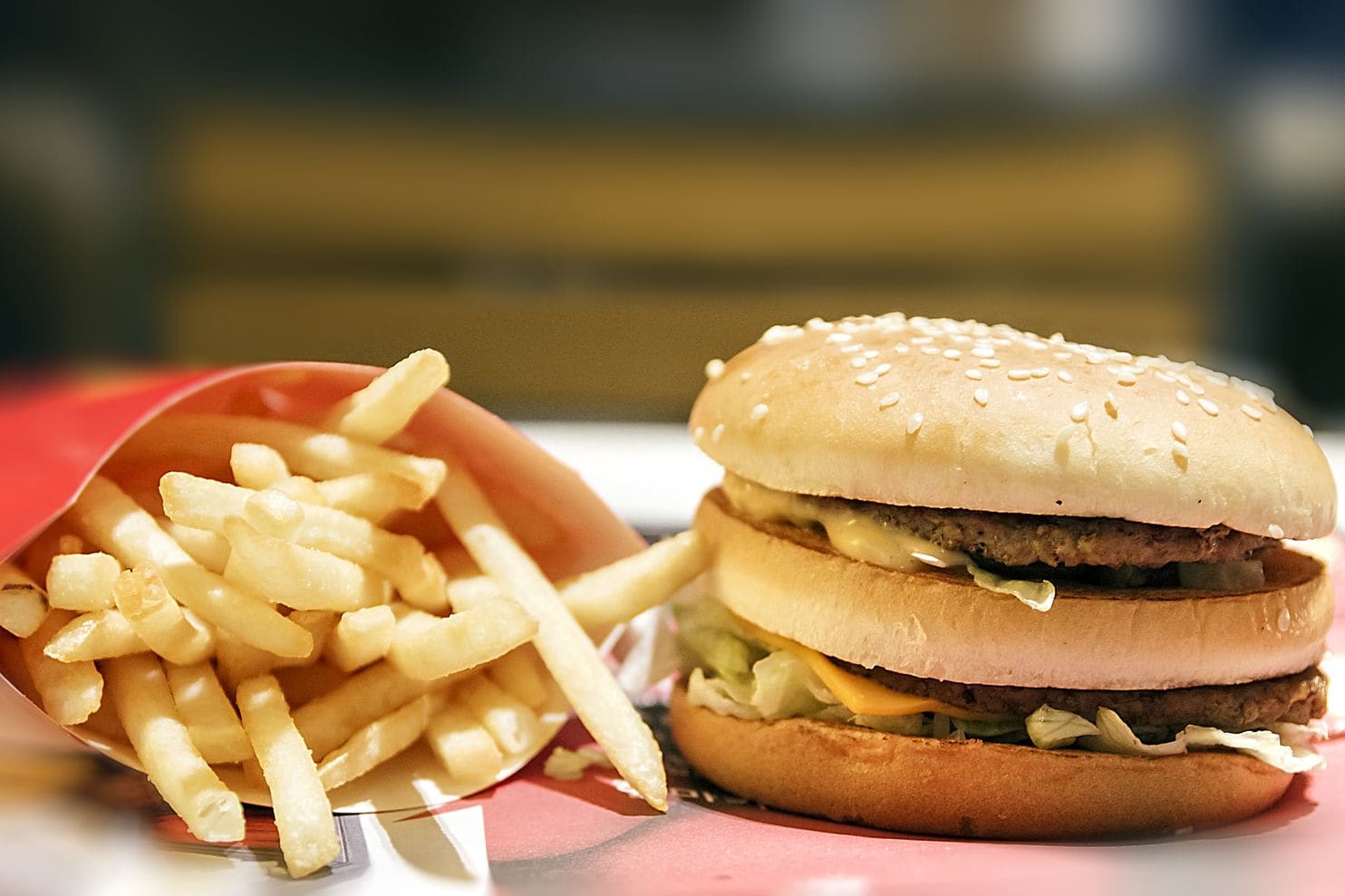
You can simplify your diet by substituting OUT “fast foods” for fruits, vegetables, and lean meats. So there you have it. It’s that simple. The problem is making up your mind to change and then actually doing it. Once these two things take place, most everyone can easily “recalibrate” their caloric intake and easily adapt.
Not only have studies shown that chronic illnesses like heart disease, stroke, and diabetes significantly benefit by following this simple dietary shift, but so does pain arising from the musculoskeletal system! This is because the human body is made up largely of chemicals, and chemical shifts are constantly taking place when it moves. If you reach for an anti-inflammatory drug like ibuprofen or naproxen and it helps, it’s because you ARE inflamed and the drug reduces the pain associated with that inflammation. This is an indication that an anti-inflammatory diet WILL HELP as well (but without the negative side effects)!
The list of chronic conditions that result in muscle pain not only includes FM but also obesity, metabolic syndrome, and type II diabetes. Conditions like tension-type and migraine headaches, neck and back pain, disk herniation, and tendonopathies and MANY more ALL respond WELL to making this SIMPLE change in the diet. For more information on how to “DEFLAME,” visit http://www.deflame.com! It could be a potential “lifesaver!”
Your thoracic spine is made up of 12 individual vertebrae stacked on top of each other. To allow for flexibility and movement, there is a cushion or “disc” in between each level. As we age, these discs can wear and become thinner over time. This leads to additional changes, including bone spurs and narrowing of the opening where your nerves exit your spine. This process is called “thoracic spondylosis”, or simply, “arthritis”.
How quickly you develop back arthritis is largely a trait you inherited from your parents. Other factors may play a role, including a history of trauma, smoking, operating motorized vehicles, being overweight and/ or performing repetitive movements (i.e. lifting, twisting, bending or sitting). Men seem to be affected slightly more often than women.
Symptoms often begin as back pain that gradually worsens over time. Stiffness may be present upon arising in the morning. Pain is relieved by rest or light activity and aggravated by strenuous work. Sometimes your nerves can become “pinched” in narrowed openings where they exit your spine. This can cause pain, numbness, or tingling radiating around your trunk along the path of the irritated nerve. Be sure to tell your doctor if you notice any weakness or if you have a rash (running along your rib), fever, abdominal pain, change in bowel or bladder function, or pain in your groin crease.
Arthritic changes can be seen on x-rays, but interestingly, the amount of wearing does not seem to correlate directly with the severity of your symptoms. People with the same degree of arthritis may have symptoms ranging from none to severe. Most researchers believe that the symptoms of osteoarthritis are not the direct result of the disease, but rather, from the conditions that preceded the disease and those that develop after it, like joint restrictions and muscle tightness. Fortunately, those conditions are treatable and our office has a variety of tools to help relieve your pain.
In general, you should avoid repeated lifting and twisting and take frequent breaks from prolonged sitting, especially in motorized vehicles. Avoid any position that causes an increase in radiating pain. Light exercise, like walking, stationary cycling, water aerobics, and yoga may be helpful. Smokers should find a program to help them quit and overweight patients will benefit from a diet and exercise program.








 Aberdeen Chiropractic