The Best Diet For Fibromyalgia?

Anti-Inflam

Fibromyalgia (FM) and its cause remains a mystery, but most studies suggest that FM is NOT the result of a single event but rather a combination of many physical, chemical, and emotional stressors.

The question of the month regarding the BEST FM diet is intriguing since one might assume that the many causes should mean that there isn’t one dietary solution. But is that true? Could there be a “best diet” to help ease the symptoms from such a multi-faceted disorder?

Certainly, healthy eating is VERY important for ALL of us regardless of our current ailment(s). Obesity is rampant largely due to the fact that 60% of the calories consumed by the “typical” American center around eating highly inflaming food that include those rich in Sugar, Omega-6 oil, Flour, and Trans fats (“SOFT” foods, if you will!). Obesity has been cited as “an epidemic” largely due to kids and adults becoming too sedentary (watching TV, playing on electronic devices, etc.) and eating poorly.

Perhaps the BEST way to manage the pain associated with FM and to maintain a healthy BMI (Body Mass Index, or ratio between height and weight) is to substitute ANTI-INFLAMING foods for those that inflame (or SOFT foods).

You can simplify your diet by substituting OUT “fast foods” for fruits, vegetables, and lean meats. So there you have it. It’s that simple. The problem is making up your mind to change and then actually doing it. Once these two things take place, most everyone can easily “recalibrate” their caloric intake and easily adapt.

Not only have studies shown that chronic illnesses like heart disease, stroke, and diabetes significantly benefit by following this simple dietary shift, but so does pain arising from the musculoskeletal system! This is because the human body is made up largely of chemicals, and chemical shifts are constantly taking place when it moves. If you reach for an anti-inflammatory drug like ibuprofen or naproxen and it helps, it’s because you ARE inflamed and the drug reduces the pain associated with that inflammation. This is an indication that an anti-inflammatory diet WILL HELP as well (but without the negative side effects)!

The list of chronic conditions that result in muscle pain not only includes FM but also obesity, metabolic syndrome, and type II diabetes. Conditions like tension-type and migraine headaches, neck and back pain, disk herniation, and tendonopathies and MANY more ALL respond WELL to making this SIMPLE change in the diet. For more information on how to “DEFLAME,” visit http://www.deflame.com! It could be a potential “lifesaver!”
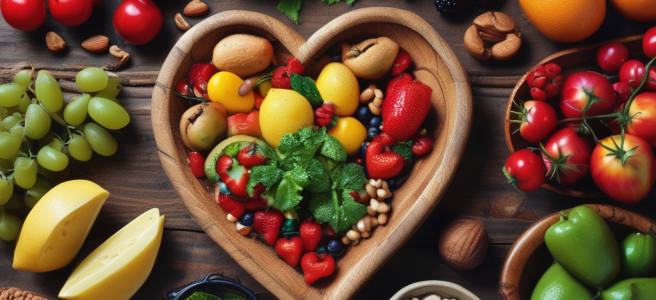
Mediterranean Diet: A Powerful Ally Against Cardiovascular Disease


Adopting a Mediterranean diet can significantly lower your risk of cardiovascular disease (CVD) and improve your overall health. The Mediterranean diet, renowned for its heart-healthy benefits, emphasizes a high intake of plant-based foods such as fruits, vegetables, whole grains, and nuts, while limiting red meats and unhealthy fats. This dietary pattern has gained widespread recognition for its ability to promote longevity and reduce the incidence of chronic diseases.

Key Components of the Mediterranean Diet

  • Fruits and Vegetables: Rich in antioxidants, vitamins, and minerals, these foods are essential for heart health.
  • Whole Grains: Foods like oats, barley, and whole wheat provide fiber and nutrients that help regulate blood pressure and cholesterol levels.
  • Nuts and Seeds: These provide healthy fats, protein, and essential nutrients that support cardiovascular health.
  • Olive Oil: A primary source of healthy monounsaturated fats that can reduce inflammation and improve cholesterol levels.
  • Fish and Seafood: High in omega-3 fatty acids, fish and seafood contribute to reduced risk of heart disease.
  • Limited Red Meat: Reducing intake of red meat helps lower saturated fat consumption, which is beneficial for heart health.
  • Low Dairy Consumption: Opting for low-fat or fat-free dairy products helps maintain heart health.

New Study Highlights Cardiovascular Benefits

A recent study published in BMC Medicine underscores the significant health benefits of the Mediterranean diet. Researchers analyzed data from 23,902 healthy adults in the United Kingdom and found compelling evidence supporting the diet’s protective effects against cardiovascular disease. The study revealed that participants with higher adherence to the Mediterranean diet were 6-16% less likely to develop CVD compared to those with lower adherence.

Potential Impact on Public Health

The researchers estimate that if the general population adopted a Mediterranean-style diet, approximately 3.9% of new-onset CVD cases and 12.5% of CVD-related deaths could be prevented. These findings highlight the potential for dietary changes to make a profound impact on public health and reduce the burden of cardiovascular disease.

Practical Tips to Adopt the Mediterranean Diet

  1. Incorporate More Fruits and Vegetables: Aim for at least five servings of fruits and vegetables each day. Try to include a variety of colors and types to maximize nutrient intake.
  2. Choose Whole Grains: Replace refined grains with whole grains like brown rice, quinoa, and whole-wheat pasta.
  3. Snack on Nuts and Seeds: Keep a small stash of almonds, walnuts, or sunflower seeds for a heart-healthy snack.
  4. Use Olive Oil: Replace butter and other oils with extra virgin olive oil for cooking and dressings.
  5. Eat More Fish: Include fatty fish like salmon, mackerel, and sardines in your diet at least twice a week.
  6. Limit Red Meat: Opt for lean proteins such as chicken, turkey, and plant-based options like beans and lentils.
  7. Enjoy Low-Fat Dairy: Choose low-fat or fat-free dairy products to maintain heart health without sacrificing essential nutrients.
  8. Flavor with Herbs and Spices: Use herbs and spices instead of salt to enhance the flavor of your meals.

Conclusion

The Mediterranean diet offers a delicious and nutritious way to protect your heart and improve your overall health. By prioritizing plant-based foods, healthy fats, and lean proteins, you can significantly reduce your risk of cardiovascular disease and enjoy a healthier, longer life.

Engage with Us

  • Follow us on Facebook, Instagram, and Twitter for more tips on healthy eating and heart health.
  • Share your success stories with the Mediterranean diet in the comments below to inspire others.

By embracing the Mediterranean diet, you can take a proactive step towards better heart health and overall wellness. Start making these changes today and experience the benefits for yourself.

BMC Medicine, September 2016

Essential Nutrient-Rich Foods: Fruits, Vegetables, Lean Meats, and More

Maintaining a healthy diet is crucial for overall well-being, and one of the key principles to remember is the importance of variety. A diverse diet ensures that you receive a wide range of nutrients necessary for the optimal functioning of your body. Incorporating a variety of fruits, vegetables, lean meats, fish, eggs, nuts, and whole grains into your meals can provide the balance and nutritional diversity needed for a healthy lifestyle.

Fruits and Vegetables: Nature’s Nutrient Powerhouses

Fruits and vegetables are essential components of a varied diet. They are rich in vitamins, minerals, antioxidants, and fiber, which support various bodily functions and help protect against chronic diseases. The more colorful your plate, the better. Each color group provides different phytonutrients:

  • Red fruits and vegetables like tomatoes, strawberries, and red peppers are high in antioxidants like lycopene and anthocyanins, which support heart health and reduce cancer risk.
  • Orange and yellow produce such as carrots, sweet potatoes, and oranges are packed with vitamins C and A, essential for immune function and vision.
  • Green vegetables like spinach, broccoli, and kale are rich in chlorophyll, fiber, and folate, promoting detoxification and cardiovascular health.
  • Blue and purple options like blueberries, eggplants, and plums contain anthocyanins and resveratrol, which support cognitive function and reduce inflammation.
  • White and brown produce such as garlic, onions, and mushrooms have compounds like allicin and selenium, which boost the immune system and have anti-inflammatory properties.

Lean Meats and Fish: Protein and Beyond

Lean meats and fish are excellent sources of high-quality protein, essential for muscle repair and growth, hormone production, and enzyme function. Including a variety of these protein sources ensures you get different amino acids and other nutrients:

  • Chicken and turkey are great sources of lean protein and B vitamins, supporting energy metabolism.
  • Fish, especially fatty fish like salmon, mackerel, and sardines, are rich in omega-3 fatty acids, which are vital for brain health and reducing inflammation.
  • Lean cuts of beef and pork provide iron and zinc, essential for oxygen transport and immune function.

Eggs and Nuts: Compact Nutritional Powerhouses

Eggs and nuts are versatile and nutrient-dense foods that can easily fit into any diet:

  • Eggs are an excellent source of complete protein, vitamins D and B12, and choline, which is crucial for brain health.
  • Nuts like almonds, walnuts, and cashews offer healthy fats, protein, fiber, and essential minerals like magnesium and potassium.

Whole Grains: Sustained Energy and Nutrients

Whole grains are another vital part of a varied diet. They provide sustained energy through complex carbohydrates and are rich in fiber, vitamins, and minerals:

  • Quinoa, brown rice, and oats are excellent sources of fiber, promoting digestive health and stable blood sugar levels.
  • Whole grain bread and pasta can help increase your intake of B vitamins and iron.

Creating a Colorful Plate

A colorful plate not only looks appealing but also signifies a range of nutrients. Aim to include a variety of colors in each meal to maximize the health benefits. For example:

  • Start your day with a smoothie made from spinach, blueberries, a banana, and a scoop of protein powder.
  • For lunch, enjoy a salad with mixed greens, cherry tomatoes, orange bell peppers, grilled chicken, and a sprinkle of nuts.
  • Dinner could be grilled salmon with a side of quinoa and steamed broccoli, carrots, and cauliflower.

Conclusion

Variety in your diet is essential for ensuring you receive all the necessary nutrients your body needs to function optimally. By incorporating a wide range of fruits, vegetables, lean meats and fish, eggs, nuts, and whole grains, you can create a colorful and nutrient-rich diet that supports overall health and well-being. Remember, a healthy diet is not just about eating the right foods but also about enjoying a diverse array of flavors and textures that make meals enjoyable and satisfying.

Gut Bacteria Diversity: Key to Healthy Immune System Development

Health Alert: Immune System Development Influenced Early in Life.

New research shows that exposure to a variety of bacteria during gestation and infancy can promote a more diverse population of bacteria in the gut. A healthy population of gut bacteria can aid in the development of the immune system and reduce a child’s risk for allergies and asthma. Research leader Dr. Christine Cole Johnson comments, “For years now, we’ve always thought that a sterile environment was not good for babies. Our research shows why. Exposure to these micro-organisms, or bacteria, in the first few months after birth actually help stimulate the immune system. The immune system is designed to be exposed to bacteria on a grand scale. If you minimize those exposures, the immune system won’t develop optimally.” Henry Ford Health System, February 2015

Wellness/Prevention: Eat More Carrots to Reduce Diabetes Risk!

Wellness/Prevention: Eat More Carrots to Reduce Diabetes Risk!

A diet rich in alpha-carotene and beta-carotene can reduce a person’s risk for developing type 2 diabetes by as much as 22%. The most common source of carotenes in the American diet is carrots; however, pumpkin, winter squash, sweet potato, spinach, and broccoli are also great food sources of alpha-carotene and/or beta-carotene. Nutrition, Metabolism, and Cardiovascular Diseases, December 2014

Quote: “And in the end it is not the years in your life that count, it’s the life in your years.” ~ Abraham Lincoln

#BackHealth #ChiropracticCare #SpineHealth #PostureTips #PainRelief #HealthySpine #ChiropracticAdjustment #BackPainRelief #WellnessJourney #HolisticHealth

Diet: Unhealthy Foods on the Rise in Developing Nations.

Diet: Unhealthy Foods on the Rise in Developing Nations.

While citizens in wealthier nations may be eating healthier foods, developing nations are consuming more processed meats and sugar-sweetened drinks than ever before. Senior study author Dr. Dariush Mozaffarian warns, “There is a particularly urgent need to focus on improving diet quality among poorer populations. If we do nothing, under-nutrition will be rapidly eclipsed by obesity and non-communicable diseases, as is already being seen in India, China, and other middle-income countries.” The Lancet Global Health, February 2015

Reducing Heart Failure Risk: Limiting Fried Food Consumption

Diet: Fried Food Intake Associated with Heart Failure Risk.

Recent research has illuminated a concerning correlation between fried food consumption and the risk of developing heart failure, particularly among men. According to the findings, men who indulge in fried food one to three times per week face an 18% elevated risk of heart failure compared to their counterparts who abstain from such dietary habits. This risk escalates significantly with higher frequency of fried food intake, with those consuming fried fare four to six times weekly experiencing a 25% increased risk, and those indulging seven or more times per week confronting a staggering 68% heightened risk of heart failure.

Samantha Heller, a senior clinical nutritionist at New York University, underscores the gravity of these findings, advocating for moderation in fried food consumption to mitigate cardiovascular risk. While occasional indulgence may be permissible, Heller cautions against the routine or excessive consumption of fried foods, emphasizing the need for a balanced and health-conscious dietary approach.

The detrimental effects of frequent fried food consumption on heart health can be attributed to several factors, including the high levels of unhealthy fats, refined carbohydrates, and sodium typically present in such fare. These dietary components contribute to elevated cholesterol levels, increased blood pressure, and inflammation, all of which are key risk factors for cardiovascular disease and heart failure.

In light of these findings, individuals are urged to exercise prudence and mindfulness in their dietary choices, opting for healthier cooking methods such as baking, grilling, or steaming over frying. By prioritizing whole, nutrient-dense foods and minimizing the intake of fried and processed fare, individuals can safeguard their cardiovascular health and promote longevity and well-being.

American Heart Association, March 2015

Diet: Healthy Diet & Nutrition Critical for Mental Health.

Diet: Healthy Diet & Nutrition Critical for Mental Health.

A new collaborative study adds to a growing body of evidence showing a relationship between both diet quality and potential nutritional deficiencies and mental health. Studies have shown that many nutrients have a clear influence on brain health including omega-3 fatty acids, B vitamins (particularly folate and B12), choline, iron, zinc, magnesium, S-adenosyl methionine (SAMe), vitamin D, and amino acids. Lead author Dr. Jerome Sarris writes, “While the determinants of mental health are complex, the emerging and compelling evidence for nutrition as a key factor in the high prevalence and incidence of mental disorders suggests that nutrition is as important to psychiatry as it is to cardiology, endocrinology, and gastroenterology.” The Lancet Psychiatry, January 2014

Obesity and Cancer Risk: The Impact of Weight Loss on Prevention

Wellness/Prevention: Weight Loss Should Be Part of Cancer Prevention Strategies!

Recent studies underscore the concerning link between obesity and heightened susceptibility to certain cancers, particularly ovarian, endometrial, and postmenopausal breast cancer in women. While the precise mechanisms underpinning this association remain elusive, emerging evidence suggests that obesity-induced alterations in sex hormone levels, insulin resistance, and chronic inflammation may play pivotal roles in fueling tumorigenesis.

Obesity exerts a multifaceted influence on hormonal balance, disrupting the delicate interplay of estrogen, progesterone, and other sex hormones implicated in the regulation of cell growth and proliferation. Furthermore, the presence of excess adipose tissue can precipitate insulin resistance, leading to elevated levels of circulating insulin and insulin-like growth factors that promote aberrant cell proliferation and tumor development.

Chronic inflammation, a hallmark feature of obesity, further exacerbates the oncogenic milieu by fostering a pro-inflammatory microenvironment conducive to tumor initiation and progression. Additionally, adipose tissue itself serves as an active endocrine organ, secreting a myriad of bioactive molecules, known as adipokines, which may exert direct and indirect effects on cancer cell behavior.

Compounding the risk posed by obesity, affected women also face heightened susceptibility to cancer recurrence and mortality, underscoring the urgent need for proactive intervention strategies. Recognizing the pivotal role of lifestyle factors in cancer prevention, experts advocate for the adoption of healthier behaviors among obese women as a cornerstone of cancer risk reduction efforts.

Embracing a multifaceted approach that encompasses dietary modifications, regular physical activity, weight management, and smoking cessation can mitigate the adverse impact of obesity on cancer risk and prognosis. By empowering women to make informed choices and cultivate a healthier lifestyle, healthcare professionals play a pivotal role in stemming the tide of obesity-related cancers and fostering a future marked by improved health outcomes and enhanced well-being.

Best Practice & Research, Clinical Obstetrics and Gynaecology, February 2015

Diet: Oatmeal for Breakfast = Fullness & Lower Calorie Intake at Lunch.

Diet: Oatmeal for Breakfast = Fullness & Lower Calorie Intake at Lunch.

Your breakfast choice may affect how full you feel during the rest of the morning and how much you eat for lunch. Scientists from the New York Obesity Nutrition Research Center at Mount Sinai St. Luke’s Hospital report that having oatmeal for breakfast results in greater fullness, less hunger, and fewer calories eaten during lunch compared with those eating a ready-to-eat cereal for breakfast. The researchers believe that the greater satiety effect of oatmeal cereal compared to sugared ready-to-eat cereal or water might be due to slower gastric emptying, as they found that oatmeal took longer to leave the stomach.

Annals of Nutrition and Metabolism, January 2015