Chiro & Concussions

head-shot2

Whiplash Associated Disorders (WAD) is the appropriate terminology to use when addressing the myriad of symptoms that can occur as a result of a motor vehicle collision (MVC). In a recent publication in The Physician and Sports Medicine (Volume 43, Issue 3, 2015; 7/3/15 online:1-11), the article “The role of the cervical spine in post-concussive syndrome” takes a look at the neck when it’s injured in a car accident and how this relates to concussion.

It’s estimated about 3.8 million concussion injuries, also referred to as “mild traumatic brain injury” (mTBI), occur each year in the United States. Ironically, it’s one of the least understood injuries in the sports medicine and neuroscience communities. The GOOD NEWS is that concussion symptoms resolve within 7-10 days in the majority of cases; unfortunately, this isn’t the case with 10-15% of patients. Symptoms can last weeks, months, or even years in this group for which the term “post-concussive syndrome” (PCS) is used (defined as three or more symptoms lasting for four weeks as defined by the ICD-10) or three months following a minor head injury (as defined by the Diagnostic and Statistical Manual of Mental Disorders).

There have been significant advances in understanding what takes place in the acute phase of mTBI, but unfortunately, there is no clear physiological explanation for the chronic phase. Studies show the range of force to the head needed to cause concussion is between 60-160g (“g” = gravity) with 96.1g representing the highest predictive value in a football injury, whereas as little as 4.5g of neck acceleration can cause mild strain injury to the neck. In spite of this difference, the signs and symptoms reported by those injured in low-speed MVCs vs. football collisions are strikingly similar!

Research shows if an individual sustains an injury where the head is accelerated between 60-160g, it is HIGHLY likely that the tissues of the cervical spine (neck) have also reached their injury threshold of 4.5g. In a study that looked at hockey players, those who sustained a concussion also had WAD / neck injuries indicating that these injuries occur concurrently. Injuries to the neck in WAD include the same symptoms that occur in concussion including headache, dizziness/balance loss, nausea, visual and auditory problems, and cognitive dysfunction, just to name a few.

The paper concludes with five cases of PCS that responded well to a combination of active exercise/rehabilitation AND passive manual therapy (cervical spine manipulation). The favourable outcome supports the concept that the neck injury portion of WAD is a very important aspect to consider when treating patients with PCS!

This “link” between neck injury and concussion explains why chiropractic care is essential in the treatment of the concussion patient! This is especially true when the symptoms of concussion persist longer than one month!

We realize you have a choice in whom you consider for your health care provision and we sincerely appreciate your trust in choosing our service for those needs.  If you, a friend, or family member requires care for Whiplash, we would be honoured to render our services.

Exploring the Link Between Chiropractic Care and Pain Relief

Pain is a universal experience that can significantly impact our quality of life, mobility, and overall well-being. While pain management often involves medication or surgery, many people are turning to chiropractic care as a natural and holistic approach to pain relief. In this article, we’ll delve into the connection between chiropractic care and pain relief and explore how chiropractic treatments can help alleviate various types of pain.

Understanding Chiropractic Care

Chiropractic care is a branch of alternative medicine that focuses on the diagnosis, treatment, and prevention of musculoskeletal disorders, particularly those affecting the spine. Chiropractors use hands-on techniques, such as spinal adjustments, manipulations, and soft tissue therapies, to realign the spine, improve joint mobility, and restore proper function to the nervous system.

The Role of Chiropractic Care in Pain Relief

Chiropractic care is widely recognized for its effectiveness in relieving pain, particularly in the back, neck, and joints. Here’s how chiropractic treatments can help alleviate pain:

  1. Spinal Alignment: Misalignments or subluxations in the spine can put pressure on nerves, leading to pain and discomfort. Chiropractic adjustments aim to correct these misalignments, restore proper alignment to the spine, and alleviate nerve compression, resulting in pain relief and improved mobility.
  2. Reduction of Inflammation: Chiropractic adjustments can help reduce inflammation in the body by improving joint function, increasing blood flow, and promoting the release of anti-inflammatory substances. By addressing the underlying cause of inflammation, chiropractic care can help alleviate pain associated with conditions such as arthritis, bursitis, and tendonitis.
  3. Muscle Relaxation: Chiropractic treatments often involve soft tissue therapies, such as massage, myofascial release, and trigger point therapy, which help relax tense muscles, reduce muscle spasms, and improve circulation. By addressing muscular imbalances and tension, chiropractic care can alleviate pain and stiffness in the muscles and surrounding tissues.
  4. Prevention of Recurring Pain: In addition to providing immediate pain relief, chiropractic care focuses on addressing the underlying causes of pain and dysfunction to prevent future episodes of pain and discomfort. Through regular chiropractic adjustments, lifestyle modifications, and rehabilitative exercises, chiropractors help patients maintain optimal spinal health and function, reducing the risk of recurring pain.

Conditions Treated by Chiropractic Care

Chiropractic care can effectively treat a wide range of acute and chronic pain conditions, including:

  • Back pain (lower back pain, upper back pain)
  • Neck pain
  • Headaches and migraines
  • Joint pain (shoulder pain, hip pain, knee pain)
  • Sciatica
  • Herniated discs
  • Fibromyalgia
  • Sports injuries
  • Carpal tunnel syndrome

Conclusion

Chiropractic care offers a safe, natural, and drug-free approach to pain relief that focuses on addressing the underlying causes of pain and dysfunction. By restoring proper alignment to the spine, optimizing nervous system function, and promoting overall musculoskeletal health, chiropractic treatments can help alleviate pain, improve mobility, and enhance quality of life. If you’re experiencing pain or discomfort, consider consulting with a qualified chiropractor to explore how chiropractic care can help you find relief and restore your health and vitality.

Managing Upper Crossed Syndrome with Chiropractic Care and Ergonomic Adjustments

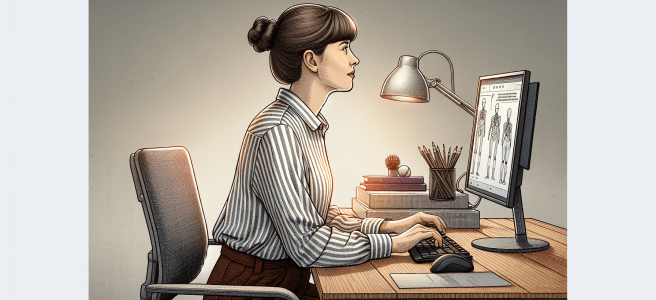
Your posture is a cornerstone of your overall health, influencing everything from musculoskeletal function to internal organ function. Poor posture can lead to chronic strain and discomfort, affecting your daily life and long-term well-being. One common postural issue is known as “upper crossed syndrome,” characterized by excessive tightness in the shoulders and chest paired with weakness in the neck and mid-back muscles. This imbalance forces the shoulders to roll inward and the head to protrude forward, creating a cascade of negative effects throughout the body.

To grasp how upper crossed syndrome wreaks havoc, envision your spine as a sturdy telephone pole and your head as a heavy bowling ball atop it. When the bowling ball is positioned directly over the pole, minimal effort is needed to maintain balance. However, if the pole tilts forward and the ball threatens to roll off, the muscles must work tirelessly to prevent it from falling. This constant effort places undue strain on the muscles of the neck and upper back, leading to chronic discomfort and potential complications.

The repercussions of upper crossed syndrome extend beyond mere discomfort. It can contribute to a host of issues including neck pain, upper back pain, headaches, temporomandibular joint (TMJ) pain, and even arthritis over time. This postural distortion is particularly prevalent among individuals who spend prolonged periods at computer workstations, where slouching and forward head posture are common.

Addressing upper crossed syndrome requires a multifaceted approach aimed at correcting muscular imbalances and optimizing workstation ergonomics. Chiropractic care plays a pivotal role in this process, offering targeted interventions to restore postural alignment and alleviate associated discomfort. Through manual adjustments, chiropractors can realign misaligned vertebrae and alleviate pressure on nerves, facilitating improved posture and function.

Additionally, chiropractors provide guidance on stretches and exercises tailored to address muscle tightness and weakness characteristic of upper crossed syndrome. These exercises aim to elongate tight muscles, such as the chest and front shoulder muscles, while strengthening weakened muscles, particularly those in the neck and mid-back. By restoring muscular balance, chiropractic care helps alleviate strain on the spine and promote better postural alignment.

In conjunction with chiropractic interventions, modifying your workstation ergonomics is crucial for preventing and managing upper crossed syndrome. Simple adjustments, such as raising the computer monitor to eye level, using an ergonomic chair with proper lumbar support, and taking regular breaks to stretch and move, can significantly reduce strain on the neck and back muscles.

By addressing the root causes of upper crossed syndrome through a comprehensive approach that includes chiropractic care and ergonomic modifications, you can effectively manage discomfort and prevent long-term complications. Prioritizing good posture and seeking timely intervention from a chiropractor can help you maintain optimal musculoskeletal health and enjoy a more comfortable, pain-free lifestyle.

Preventing De Quervain’s Tenosynovitis: Lifestyle Changes and Relief Strategies

Tendons are strong, fibrous bands of tissue connecting muscles to bones. Some tendons are covered by a protective, lubricated insulation called a “synovial sheath.” The two tendons on the thumb-side of your wrist that extend and abduct your thumb into a “hitchhiker” position are covered by a sheath. Normally, these tendons move freely within this covering, much like a sword sliding through a sheath. If these tendons and sheaths are forced to repetitively rub against the bones of your wrist, they can become painfully swollen. This condition is called De Quervain’s tenosynovitis.

The pain of De Quervain’s tenosynovitis may begin abruptly, but more commonly starts gradually and increases over time. The pain is provoked by movements of your thumb or wrist. In more severe cases, you may notice swelling on the outside of your wrist. Some patients complain of “catching” or a slight “squeaking” sound while moving their wrist.

Activities like gardening, knitting, cooking, playing a musical instrument, carpentry, walking a pet on a leash, texting, video gaming and sports like golf, volleyball, fly fishing and racquet sports are known triggers. The condition was once known as “Washer woman’s sprain,” since wringing out wet clothes can trigger the problem. Lifting infants or children by placing your outstretched finger and thumb beneath their armpit has led to the nicknames of “Mommy thumb” or “Baby wrist.”

The condition strikes women much more frequently than men. It typically affects middle-age adults and is more slightly common in African-Americans, patients with diabetes or rheumatoid arthritis may be at higher risk for this problem.
Many patients will experience resolution of their symptoms through conservative care, like the type provided in our office. You should avoid lifting, grasping and pinching movements, especially when your wrist is bent toward either side. You may need to find alternate ways to lift children and perform work, sport and leisure activities. Video game players and those who text should take frequent breaks and try to hold their wrists straighter. Avoid wearing tight wristbands. Applying ice to your wrist for 10 minutes every hour or performing an “ice massage” (freeze a paper cup filled with water, tear off the bottom to expose the ice, massage over the tendons in a figure-eight pattern for 6-10 minutes, taking breaks as needed) can provide relief.

Patients who have severe pain or swelling are less likely to respond to conservative care. These patients may require a cortisone injection to relieve their pain, however, surgery is rarely necessary.

Massage Therapy: More Than Just Relaxation

When many people think of massage therapy, they envision a luxurious spa treatment reserved for special occasions or a way to unwind and relax after a long day. While massage certainly has its relaxing benefits, its scope extends far beyond mere relaxation. In this article, we’ll delve into the multifaceted benefits of massage therapy and explore its therapeutic value beyond relaxation.

1. Stress Reduction

Let’s start with the most commonly known benefit: stress reduction. Massage therapy has a profound ability to induce relaxation by calming the nervous system, reducing cortisol levels (the stress hormone), and promoting the release of endorphins (natural mood elevators). Regular massage sessions can help manage stress levels and improve overall well-being.

2. Pain Management

Massage therapy is widely recognized for its effectiveness in managing various types of pain, including musculoskeletal pain, chronic pain conditions, and pain associated with injuries or medical conditions. Through techniques such as Swedish massage, deep tissue massage, and myofascial release, massage therapists can alleviate tension, reduce inflammation, and improve circulation, resulting in pain relief and increased mobility.

3. Improved Circulation

Massage therapy promotes better blood circulation throughout the body, which delivers oxygen and nutrients to tissues and facilitates the removal of metabolic waste products. Enhanced circulation can aid in the healing process, reduce swelling and inflammation, and contribute to overall cardiovascular health.

4. Enhanced Range of Motion and Flexibility

Regular massage therapy can help improve flexibility and range of motion by stretching and loosening tight muscles, breaking up adhesions and scar tissue, and increasing joint mobility. This can be especially beneficial for athletes, individuals recovering from injuries, or those with musculoskeletal conditions such as arthritis.

5. Immune System Support

Massage therapy has been shown to have immune-boosting effects by stimulating the lymphatic system, which plays a key role in immune function and detoxification. By promoting lymphatic drainage, massage therapy helps rid the body of toxins and waste products, thereby supporting immune health and enhancing the body’s natural defense mechanisms.

6. Mental and Emotional Well-being

Beyond its physical benefits, massage therapy can have profound effects on mental and emotional well-being. Studies have demonstrated that massage can reduce symptoms of anxiety, depression, and insomnia, as well as improve mood, promote relaxation, and enhance overall quality of life.

7. Rehabilitation and Injury Prevention

Massage therapy is often incorporated into rehabilitation programs to aid in recovery from injuries, surgeries, or athletic training. By promoting tissue healing, reducing scar formation, and preventing muscle imbalances, massage therapy can help accelerate the rehabilitation process and minimize the risk of future injuries.

In conclusion, massage therapy offers a multitude of benefits beyond relaxation, ranging from pain management and stress reduction to improved circulation, flexibility, and immune function. Whether you’re seeking relief from chronic pain, recovering from an injury, or simply looking to enhance your overall well-being, regular massage therapy sessions can be an invaluable component of your self-care routine.

Chiropractic: Musculoskeletal Pain Affects School Teachers.

Photo by Karolina Grabowska on Pexels.com

Chiropractic: Musculoskeletal Pain Affects School Teachers.

An assessment of 486 self-evaluation surveys from female school teachers in Saudi Arabia reveals that musculoskeletal pain is surprisingly prevalent in the profession. Their most common complaint was low back pain, followed by knee pain, heel pain, shoulder pain, upper back pain, hip joint pain, ankle pain, and neck pain. Furthermore, nearly half (46.1%) of the teachers surveyed claimed that their pain affected their teaching performance. Pakistan Journal of Medical Sciences, November 2014

Chiropractic and Headaches

Yet another study has found that chiropractic care helps headache sufferers: Spinal manipulation seems to have a significant positive effect in reducing hours with headache and intensity of headache and analgesic consumption in cases of cervicogenic headache.

Migrane

Nilsson N, Christensen HW, Hartvigsen J. “The Effect of Spinal Manipulation in the Treatment of Cervicogenic Headache.” Journal of Manipulative and Physiological Therapeautics, Volume 20, Number 5, June 1998, Pages 326-330.

Contact us for treatment in Winnipeg

Find and Follow us on Twitter and Instagram!

Spondylolisthesis

Spondylolisthesis occurs when one vertebra slips out of place. This slight slippage can sometimes cause compression of the nerves and, in some cases, cause tingling, numbness, pain, and even weakness in the legs.

Spondylolisthesis can be the result of a trauma to the spine, a congenital defect or simply be a progression of osteoarthritis. Spondylolisthesis can occur, without apparent cause, as people age. In younger individuals, spondylolisthesis usually occurs as a result of trauma during sports such as gymnastics or football and can cause a fracture in the vertebra.

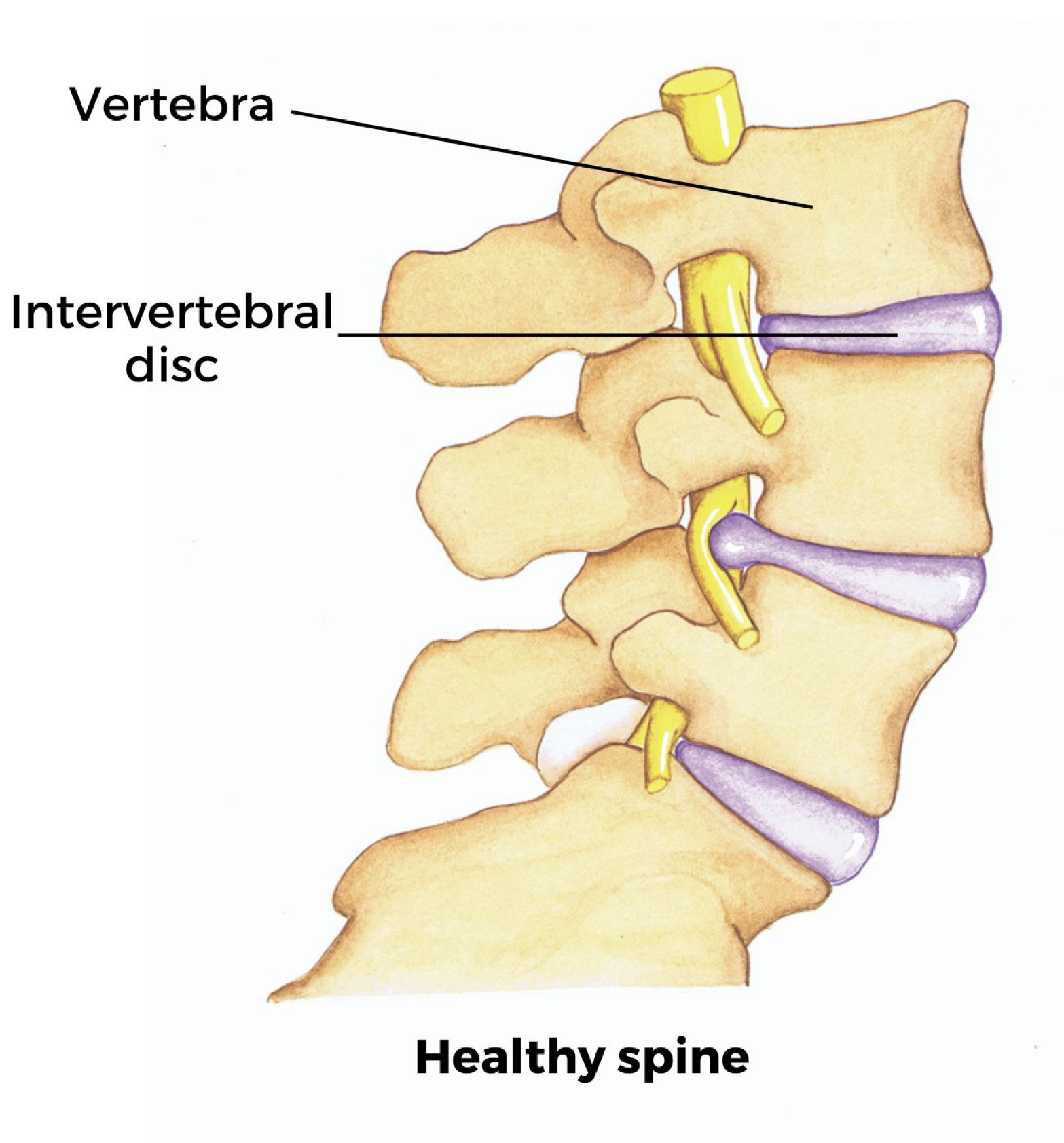
Spondylolisthesis is found in the spine. The​ spine​ is made up of bones called ​vertebrae​ and between them are the ​intervertebral discs,​ which act as shock absorbers. Spondylolisthesis most often affects the lumbar region, particularly the L5 vertebra.

Each person will react differently to the presence of spondylolisthesis and symptoms can vary considerably. Initially, spondylolisthesis may be present without any noticeable symptoms.

When pain is present, it is often felt in the lower back or the buttocks. It can range from mild to severe and can affect daily activities such as walking. Burning and tingling sensations may be felt in the area of the buttocks and legs.

Sitting or leaning forward is often less painful than standing or walking because of the positioning of the spine.

Relative rest is a good way to protect your back and prevent your condition from getting worse, but it is important to avoid over-protecting it. A temporary reduction in activity may be necessary, but a quick return to your daily activities, light cardiovascular exercise and specific strengthening and mobility exercises will allow for better recovery.

Follow your therapist’s advice. This will help you manage your symptoms and increase the chances of successful rehabilitation. Your therapist will accompany you during your rehabilitation program to restore your mobility, muscle strength and endurance, flexibility and functional status.

According to the principles of spondylolisthesis rehabilitation, the reduction of joint and muscle stresses in the lumbopelvic-hip complex (back, pelvis, hip), the improvement of posture and thoracic mobility, muscular balance and weight control would be important elements for a functional recovery.

A progressive training program over a period of a few weeks including education on load-lifting techniques is quite common.

Do not rely solely on a passive treatment approach. Patients who actively participate in their treatment plan tend to better manage the symptoms caused by spondylolisthesis. Remember that pain is not always a good indicator of tissue damage. As soon as you feel better and the pain is well under control, introduce, in collaboration with your therapist, mild strengthening, mobility and cardiovascular exercises based on your tolerance.

https://aberdeenchiropracticblog.com/about/

https://www.facebook.com/AberdeenChiropractic

https://www.instagram.com/aberdeenchiropracticofficial/

Stress Fractures

A stress fracture is an overuse injury. This type of fracture is defined by a tiny crack in the bone, mainly caused by repetitive forces over time.

This condition affects mainly people that are involved in activities such as walking, running or jumping, where the lower body must absorb the bodyweight. Stress fractures can also develop from the normal use of a bone that’s weakened by a condition such as osteoporosis.

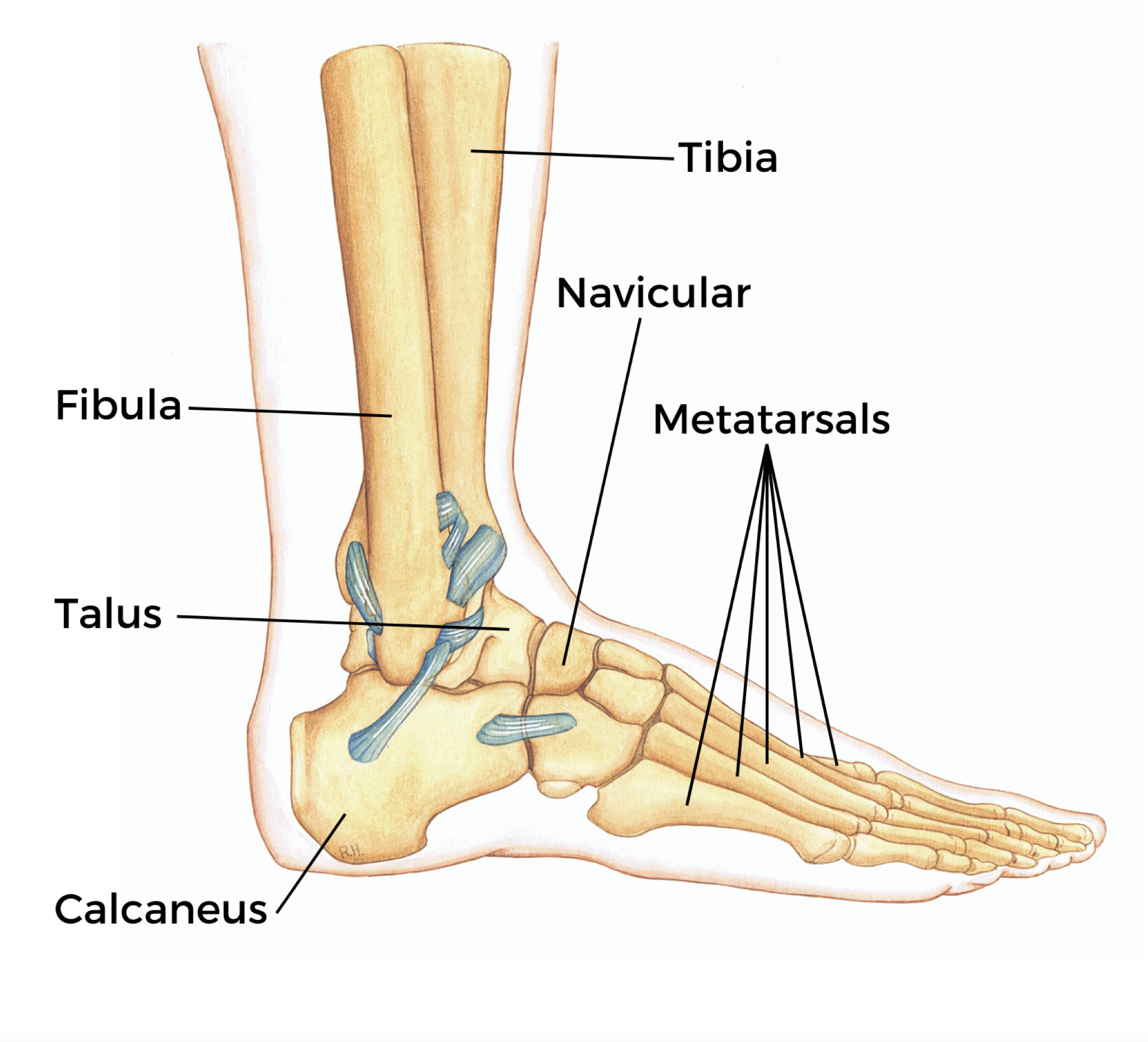
Generally, this injury happens when training intensity and/or volume is increased too quickly with inadequate recovery. Starting a new activity, modifying the training surface and quickly transitioning to a new type of inadequate training shoes are among the risk factors.A stress fracture is most commonly seen in the weight-bearing bones of the lower leg and foot. Metatarsals, which are five long bones between the center of the foot and the toes, are the most affected. Stress fractures are also common in the calcaneus, the talus, the navicular, the tibia and the fibula. The stress fracture generally occurs at the base or center of the bone.

Everyone will react differently after an injury and recovery will depend on the severity. A stress fracture can cause but is not limited to, pain and difficulty in weight-bearing activities and localized swelling.

Your rehabilitation plan, your health status, your fitness level and your nutrition affect recovery time. Generally, you can expect to fully recover from a stress fracture. Typically, this type of fracture heals within four to eight weeks.

Acupuncture Now Available

Photo by Karolina Grabowska on Pexels.com

Acupuncture and back pain

Back pain (especially lower back pain) is a common chronic pain issue. Acupuncture is a physical therapy that has become a popular and well-researched method for managing this pain. We are excited to now offer acupuncture at Aberdeen Chiropractic.

Acupuncture Now Available In Winnipeg

Treatment consists of inserting needles at various points on the body and through the skin. Needles are not meant to cause pain, harm, or discomfort; in fact many patients barely feel anything at all when the needles are inserted.

A professional acupuncturist will target specific points for treatment called meridians, with some being of special benefit to painful structures in the back.

There are a few meridians that an acupuncturist may focus on for back pain that are actually not IN the back at all.

Some acupuncture points for lower back pain are:

  • back of the knees points
  • foot points
  • lower back points
  • hand points
  • hip points
  • stomach points

Points for upper back pain (also called thoracic spine or T-Spine pain) are often very different. These can be found on the head, neck, shoulders, and upper back.

By stimulating these points, parts of the nervous system are also stimulated to relieve pain. Acupuncture can also provide pain relief from other similar neuromuscular issues for which there may not be too many pain remedy options.

These include:

Acupuncture and Science

There are a few ways by which acupuncture is thought to work for back pain:

  • Stimulates nervous system. Trigger points stimulated by acupuncture could release chemicals from the spinal cord, muscles, and brain. Some of these are naturally pain-relieving.
  • Releases opioid-like chemicals produced in the body. Along the same lines as the theory above, acupuncture may release pain-relieving chemicals. These naturally occur in the body and have similar properties to opioid pain relievers. (Hydrocodone or morphine are examples.)
  • Releases neurotransmitters. These are hormones that send messages regulating the on/off mechanisms of various nerve endings. Acupuncture may stimulate some that shut off pain.
  • Triggers electromagnetic impulses in the body. These impulses can help speed the body’s way of handling pain, including the release of endorphins.

Regardless of how it works, trials on acupuncture for treating back pain show great results with very little risk of side effects.

Some 2012 researchTrusted Source involved reviewing almost 20,000 people with chronic pain. They were given authentic acupuncture treatments, fake treatments, or no acupuncture at all. Those who received real acupuncture experienced 50 percent improvement in their chronic pain issues. 

Two similar reviews from 2013 showed strong favor for acupuncture as successful therapy. These were specifically for chronic lower back pain.

One these studies expressed promise that acupuncture could be better than most pain medications.