What is Whiplash? 

WRD 2

Whiplash is an injury to the soft-tissues of the neck often referred to as a sprain or strain. Because there are a unique set of symptoms associated with whiplash, doctors and researchers commonly use the term “whiplash associated disorders” or WAD to describe the condition.

WAD commonly occurs as a result of a car crash, but it can also result from a slip and fall, sports injury, a personal injury (such as an assault), and other traumatic causes. The tissues commonly involved include muscle tendons (“strain”), ligaments and joint capsules (“sprains”), disk injuries (tears, herniation), as well as brain injury or concussion—even without hitting the head!

Symptoms vary widely but often include neck pain, stiffness, tender muscles and connective tissue (myofascial pain), headache, dizziness, sensations such as burning, prickly, tingling, numbness, muscle weakness, and referred pain to the shoulder blade, mid-back, arm, head, or face. If concussion occurs, additional symptoms include cognitive problems, concentration loss, poor memory, anxiety/depression, nervousness/irritability, sleep disturbance, fatigue, and more!

Whiplash associated disorders can be broken down into three categories: WAD I includes symptoms without any significant examination findings; WAD II includes loss of cervical range of motion and evidence of soft-tissue damage; and WAD III includes WAD II elements with neurological loss—altered motor and/or sensory functions. There is a WAD IV which includes fracture, but this is less common and often excluded.

Treatment for WAD includes everything from doing nothing to intensive management from multiple disciplines—chiropractic, primary care, physical therapy, clinical psychology, pain management, and specialty services such as neurology, orthopedics, and more. The goal of treatment is to restore normal function and activity participation, as well as symptom management.

The prognosis of WAD is generally good as many will recover without residual problems within days to weeks, with most people recovering around three months after the injury. Unfortunately, some are not so lucky and have continued neck pain, stiffness, headache, and some develop post-concussive syndrome. The latter can affect cognition, memory, vision, and other brain functions. Generally speaking, the higher the WAD category, the worse the prognosis, although each case MUST be managed by its own unique characteristics. If the injury includes neurological loss (muscle strength and/or sensory dysfunction like numbness, tingling, burning, pressure), the prognosis is often worse.

Chiropractic care for the WAD patient can include manipulation, mobilization, and home-based exercises, as well as the use of anti-inflammatory herbs (ginger, turmeric, proteolysis enzymes (bromelain, papain), devil’s claw, boswellia extract, rutin, bioflavonoid, vitamin D, coenzyme Q10, etc.) and dietary modifications aimed at reducing inflammation and promoting healing.

* 83% of those patients involved in an MVA will suffer whiplash injury and 50% will be symptomatic at 1 year.
* 90% of patients with neurologic signs at onset may be symptomatic at 1 year.
* 25- 80% of patients who suffer a whiplash injury will experience late-onset dizziness
* Clinicians should be observant for radiographic signs of instability, including interspinous widening, vertebral subluxation, vertebral compression fracture, and loss of cervical lordosis.
* Horizontal displacement of greater than 3.5 mm or angular displacement of more than 11 degrees on flexion/extension views suggests instability.

What the heck is a trigger point?

trigger-point-referred-pain-shutterstock_228843211

What is a Trigger Point?

Trigger Points (TP’s) are defined as a “hyper-irritable spot within a taut band of skeletal muscle. The spot is painful on compression and can evoke characteristic referred pain and autonomic phenomena.”1

Put into plain language, a TP is a painful knot in muscle tissue that can refer pain to other areas of the body. You have probably felt the characteristic achy pain and stiffness that TP’s produce, at some time in your life.

TP’s were first brought to the attention of the medical world by Dr. Janet G. Travell. Dr. Travell, physician to President John F. Kennedy, is the acknowledged Mother of Myofascial Trigger Points. In fact, “Trigger Point massage, the most effective modality used by massage therapists for the relief of pain, is based almost entirely on Dr. Travell’s insights.”2 Dr. Travell’s partner in her research was Dr. David G. Simons, a research scientist and aerospace physician.

Trigger Points are very common. In fact, Travell and Simons state that TP’s are responsible for, or associated with, 75% of pain complaints or conditions.1 With this kind of prevalence, it’s no wonder that TP’s are often referred to as the “scourge of mankind”.

Trigger Points can produce a wide variety of pain complaints. Some of the most common are migraine headaches, back pain, and pain and tingling into the extremities. They are usually responsible for most cases of achy deep pain that is hard to localize.

A TP will refer pain in a predictable pattern, based on its location in a given muscle. Also, since these spots are bundles of contracted muscle fibres, they can cause stiffness and a decreased range of motion. Chronic conditions with many TP’s can also cause general fatigue and malaise, as well as muscle weakness.

Trigger Points are remarkably easy to get, but the most common causes are

TP’s (black X) can refer pain to other areas (red)

Sudden overload of a muscle

  • Poor posture
  • Chronic frozen posture (e.g., from a desk job), and
  • Repetitive strain

Once in place, a TP can remain there for the remainder of your life unless an intervention takes place.

Trigger Points Not Well Known

With thousands of people dealing with chronic pain, and with TP’s being responsible for — or associated with — a high percentage of chronic pain, it is very disappointing to find that a large portion of doctors and other health care practitioners don’t know about TP’s and their symptoms.

Scientific research on TP’s dates back to the 1700’s. There are numerous medical texts and papers written on the subject.

But, it still has been largely overlooked by the health care field. This has led to needless frustration and suffering, as well as thousands of lost work hours and a poorer quality of life.

How Are Trigger Points Treated?

As nasty and troublesome as TP’s are, the treatment for them is surely straight-forward. A skilled practitioner will assess the individual’s pain complaint to determine the most likely location of the TP’s and then apply one of several therapeutic modalities, the most effective of which is a massage technique called “ischemic compression”.

Basically, the therapist will apply a firm, steady pressure to the TP, strong enough to reproduce the symptoms. The pressure will remain until the tissue softens and then the pressure will increase appropriately until the next barrier is felt. This pressure is continued until the referral pain has subsided and the TP is released. (Note: a full release of TP’s could take several sessions.)

Other effective modalities include dry needling (needle placed into the belly of the TP) or wet needling (injection into the TP). The use of moist heat and stretching prove effective, as well. The best practitioners for TP release are Massage Therapists, Physiotherapists, and Athletic Therapists. An educated individual can also apply ischemic compression to themselves, but should start out seeing one of the above therapists to become familiar with the modality and how to apply pressure safely.

1 Simons, D.G., Travell, D.G., & Simons, L.S. Travell and Simons’Myofascial Pain and Dysfunction: the Trigger Point Manual.

Vol. 1. 2nd ed. Lippincott, Williams, and Wilkins, 1999.

PFPS Cont. You want details?

Screen Shot 2017-10-31 at 11.15.32 AM.png

The muscles of the hip provide not only local stability, but also play an important role in spinal and lower extremity functional alignment. (1-4) While weakness in some hip muscles (hip extensors and knee extensors) is well tolerated, weakness or imbalance in others can have a profound effect on gait and biomechanical function throughout the lower half of the body. (5) Weakness of the hip abductors, particularly those that assist with external rotation, has the most significant impact on hip and lower extremity stability. (5,6)

Hip Abduction.gif

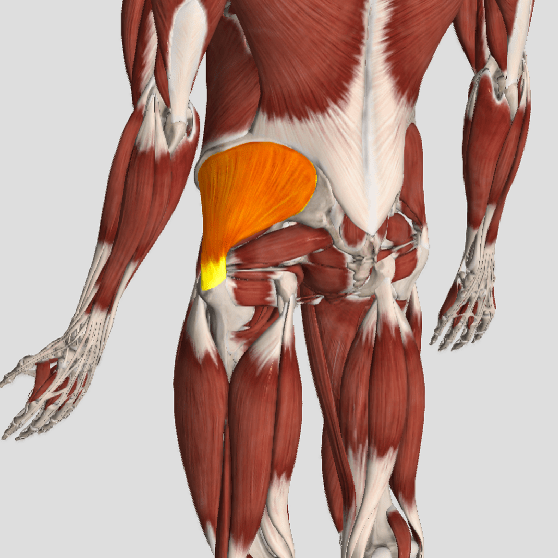
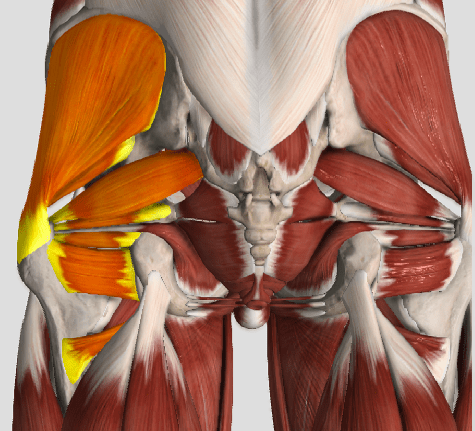
The gluteus medius is the principal hip abductor. When the hip is flexed, the muscle also assists the six deep hip external rotators (piriformis, gemelli, obturators, and quadratus femoris). The gluteus medius originates on the ilium just inferior to the iliac crest and inserts on the lateral and superior aspects of the greater trochanter. While the principal declared action of the gluteus medius is hip abduction, clinicians will appreciate its more valuable contribution as a dynamic stabilizer of the hip and pelvis- particularly during single leg stance activities like walking, running, and squatting. The gluteus medius contributes approximately 70% of the abduction force required to maintain pelvic leveling during single leg stance. The remainder comes predominantly from 2 muscles that insert onto the iliotibial band: the tensor fascia lata and upper gluteus maximus.  Hip abductor strength is the single greatest contributor to lower extremity frontal plain alignment during activity. (6)

Screen Shot 2017-10-31 at 11.12.00 AM

Incompetent hip abductors and/or external rotators allows for excessive adduction and internal rotation of the thigh during single leg stance activities. This leads to a cascade of biomechanical problems, including pelvic drop, excessive hip adduction, excessive femoral internal rotation, valgus knee stress, and internal tibial rotation. (1,7-12)


References
1. Szu-Ping Lee, Powers C. Description of a Weight-Bearing Method to Assess Hip Abductor and External Rotator Muscle Performance. JOSPT. Volume 43, Issue 6
2. Crossley KM, Zhang WJ, Schache AG, Bryant A, Cowan SM. Performance on the single-leg squat task indicates hip abductor muscle function. Am J Sports Med. 2011;39:866-873.
3. Presswood L, Cronin J, Keogh JWL, Whatman C. Gluteus medius: applied anatomy, dysfunction, assessment, and progressive strengthening. Strength Cond J. 2008;30:41-53.
4. Sled EA, Khoja L, Deluzio KJ, Olney SJ, Culham EG. Effect of a home program of hip abductor ex- ercises on knee joint loading, strength, function, and pain in people with knee osteoarthritis: a clinical trial. Phys Ther. 2010;90:895-904.
5. van der Krogt MM, Delp SL, Schwartz MH How robust is human gait to muscle weakness? Gait Posture. 2012 Feb 29.
6. Laurie Stickler, Margaret Finley, Heather Gulgin Relationship between hip and core strength and frontal plane alignment during a single leg squat Physical Therapy in Sport Available online 2 June 2014
7. Ireland ML, Willson JD, Ballantyne BT, Davis
IM. Hip strength in females with and without patellofemoral pain. J Orthop Sports Phys Ther. 2003;33:671-676.
8. Noehren B, Davis I, Hamill J. ASB clinical biome- chanics award winner 2006: prospective study of the biomechanical factors associated with iliotib- ial band syndrome. Clin Biomech (Bristol, Avon). 2007;22:951-956.
9. Powers CM. The influence of abnormal hip me- chanics on knee injury: a biomechanical perspec- tive. J Orthop Sports Phys Ther. 2010;40:42-51.
10. Powers CM. The influence of altered lower- extremity kinematics on patellofemoral joint dysfunction: a theoretical perspective. J Orthop Sports Phys Ther. 2003;33:639-646.
11. Sigward SM, Powers CM. Loading characteristics of females exhibiting excessive valgus moments during cutting. Clin Biomech (Bristol, Avon). 2007;22:827-833
12. Souza RB, Powers CM. Differences in hip kine- matics, muscle strength, and muscle activation between subjects with and without patellofemo- ral pain. J Orthop Sports Phys Ther. 2009;39:12- 19.

Patellofemoral Pain Syndrome

knock knee

Patellofemoral pain syndrome (PFPS), also called “Runners Knee”, describes the symptom complex of knee discomfort, swelling, or crepitus that results from excessive or imbalanced forces acting on the joint. It is the most common cause of knee pain in the general population, affecting an estimated 25% of adults.

PFPS is most commonly related to lateral tracking of the patella. The patella has a natural tendency to migrate laterally due to the pull of the quadriceps and the slight natural valgus of the lower extremity. A new study in the Journal of Sports Medicine (1) provides additional confirmation that when managing patellofemoral pain syndrome, clinicians must address two critical yet often overlooked issues.

This study concludes that PFPS and dynamic knee valgus do not arise primarily from knee dysfunction, rather from hip abductor/ external rotator weakness and/or foot hyperpronation.

“The most effective intervention programs included exercises targeting the hip external rotator and abductor muscles and knee extensor muscles.” and “PFPS patients with foot abnormalities, such as those with increased rearfoot eversion or pes pronatus, may benefit the most from foot orthotics.”

Since gluteus medius and VMO weakness are key factors in the development of PFPS, strengthening exercises that target those muscles prove most effective. Stabilization exercises may include pillow push (push the back of your knee into a pillow for 5-6 seconds), supine heel slide, terminal knee (short-arc) extension, clam, glut bridge, semi-stiff deadlift, posterior lunge, and monster walk.

Myofascial release and stretching should be directed at hypertonic muscles, including the TFL, gastroc, soleus, hamstring, piriformis, hip rotators, and psoas. Myofascial release or IASTM may be appropriate for tightness in the iliotibial band, vastus lateralis, posterior hip capsule, and lateral knee retinaculum.

Manipulation may be necessary for restrictions in the lumbosacral and lower extremity joints. Hypermobility is common in the ipsilateral SI joint with restrictions present contralaterally. Evidence has shown that patellar tracking braces, i.e. BioSkin® or PatellaPro®, may lead to better outcomes.

Lifestyle modification may be necessary to reduce pain-provoking endeavors, especially running, jumping and other activities that induce a valgus stress. Athletes should avoid allowing their knee to cross in front of their toes while squatting. Arch supports or custom orthotics may be necessary to correct hyperpronation. Runners should avoid cross-over gaits and change shoes every 250 to 500 miles.

.

.

.

.

.

.

.

#pain

#kneepain

#chiropractic

#fitness

#sports

#wellness

#fitness

#healthyliving

#healthychoices

#Winnipeg

References

1. Petersen W, Rembitzki I, Liebau C. Patellofemoral pain in athletes. Open Access Journal of Sports Medicine. 2017;8:143-15

Do you have CTS?

Carpal Tunnel

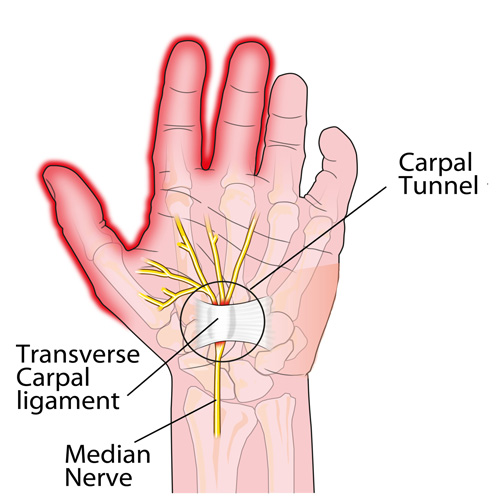
Carpal tunnel syndrome (CTS) can be an extremely painful and activity-limiting condition. It affects many people of all ages and genders, though women are affected more often than men. But how do you know if what you are suffering from is truly CTS or if it’s another condition that’s producing the symptoms in your hand or wrist?
Carpal tunnel syndrome occurs when the median nerve is compressed as it passes through the wrist. However, the median nerve travels out of the neck, through the shoulder, elbow, and forearm before it passes through the wrist and into the hand. Pinching of the median nerve ANYWHERE along its course can give rise to the signs and symptoms of CTS including numbness, tingling, and/or pain into the hand and index, third, and thumb-side half of the fourth digits, and sometimes the thumb. If the pinch is significant enough, weakness can also occur. Sometimes the median nerve can become compressed at both the wrist and other body sites as it travels from the spinal cord to your hand, that’s why it’s important for a doctor to check for impingements along the entire course of the nerve.
 
But compression of the median nerve isn’t the only thing that can produce symptoms in the hand. Here are a couple of the more common conditions that are often confused with CTS:
1)  Ulnar neuropathy: This is pinching of the ulnar nerve (at the neck, shoulder, elbow, or wrist) but this gives rise to a similar numbness/tingling BUT into the pinky-side of the fourth and the fifth fingers (not the thumb-side of the hand). The most common pinch location is either at the neck or the inner elbow, the latter of which is called “cubital tunnel syndrome” or CuTS.
 
2)  Tendonitis: There are a total of nine tendons that pass through the carpal tunnel that help us grip or make a fist. Similarly, there are five main tendons on the back side of the hand that allow us to open our hands and spread our fingers. ANY of these tendons can get strained or torn, which results in swelling and pain as well as limited function BUT there is usually NO NUMBNESS/TINGLING!
 
3)  DeQuervain’s disease: This is really a tendonitis of an extensor tendon of the thumb and its synovial sheath that lubricates it resulting in a “tenosynovitis.” This creates pain with thumb movements, especially if you grasp your thumb in the palm of your hand and then bend your wrist sideways towards the pinky-side of the hand.
 
Chiropractors are well-trained to diagnose and treat patients with CTS. And if you don’t have CTS but another condition listed above, they can offer treatment (or a referral, if necessary) to help resolve it so you can return to your normal activities as soon as possible.

Chiro & Concussions

head-shot2

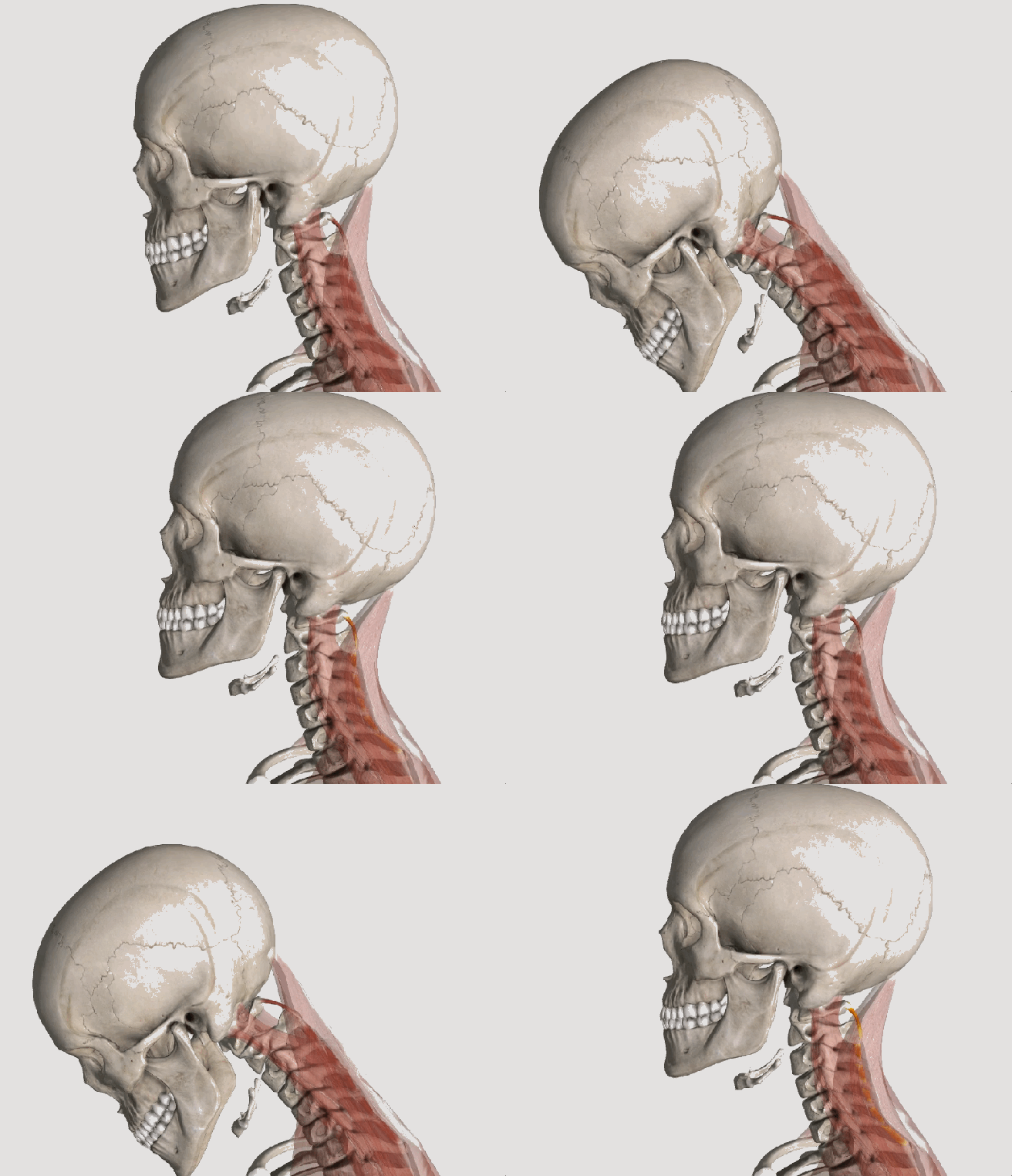
Whiplash Associated Disorders (WAD) is the appropriate terminology to use when addressing the myriad of symptoms that can occur as a result of a motor vehicle collision (MVC). In a recent publication in The Physician and Sports Medicine (Volume 43, Issue 3, 2015; 7/3/15 online:1-11), the article “The role of the cervical spine in post-concussive syndrome” takes a look at the neck when it’s injured in a car accident and how this relates to concussion.

It’s estimated about 3.8 million concussion injuries, also referred to as “mild traumatic brain injury” (mTBI), occur each year in the United States. Ironically, it’s one of the least understood injuries in the sports medicine and neuroscience communities. The GOOD NEWS is that concussion symptoms resolve within 7-10 days in the majority of cases; unfortunately, this isn’t the case with 10-15% of patients. Symptoms can last weeks, months, or even years in this group for which the term “post-concussive syndrome” (PCS) is used (defined as three or more symptoms lasting for four weeks as defined by the ICD-10) or three months following a minor head injury (as defined by the Diagnostic and Statistical Manual of Mental Disorders).

There have been significant advances in understanding what takes place in the acute phase of mTBI, but unfortunately, there is no clear physiological explanation for the chronic phase. Studies show the range of force to the head needed to cause concussion is between 60-160g (“g” = gravity) with 96.1g representing the highest predictive value in a football injury, whereas as little as 4.5g of neck acceleration can cause mild strain injury to the neck. In spite of this difference, the signs and symptoms reported by those injured in low-speed MVCs vs. football collisions are strikingly similar!

Research shows if an individual sustains an injury where the head is accelerated between 60-160g, it is HIGHLY likely that the tissues of the cervical spine (neck) have also reached their injury threshold of 4.5g. In a study that looked at hockey players, those who sustained a concussion also had WAD / neck injuries indicating that these injuries occur concurrently. Injuries to the neck in WAD include the same symptoms that occur in concussion including headache, dizziness/balance loss, nausea, visual and auditory problems, and cognitive dysfunction, just to name a few.

The paper concludes with five cases of PCS that responded well to a combination of active exercise/rehabilitation AND passive manual therapy (cervical spine manipulation). The favourable outcome supports the concept that the neck injury portion of WAD is a very important aspect to consider when treating patients with PCS!

This “link” between neck injury and concussion explains why chiropractic care is essential in the treatment of the concussion patient! This is especially true when the symptoms of concussion persist longer than one month!

We realize you have a choice in whom you consider for your health care provision and we sincerely appreciate your trust in choosing our service for those needs.  If you, a friend, or family member requires care for Whiplash, we would be honoured to render our services.

Maximizing Athletes’ Performance and Preventing Injuries with Pilates

Athletes are no strangers to the risk of injury that comes with pushing the limits of physical performance. Whether you’re a professional athlete, a dedicated gym-goer, or a weekend warrior, the last thing you want is to be sidelined by an injury. That’s where Pilates comes in. This low-impact exercise method offers a myriad of benefits for athletes, including injury prevention. In this article, we’ll explore how Pilates can help athletes stay injury-free and perform at their best.

Understanding Pilates

Pilates is a form of exercise that focuses on strengthening the core muscles, improving flexibility, and enhancing body awareness and control. Developed by Joseph Pilates in the early 20th century, Pilates emphasizes precise, controlled movements performed with proper alignment and breathing techniques. Pilates exercises can be done on a mat or using specialized equipment such as reformers, cadillacs, and barrels, offering a versatile and customizable workout experience.

Benefits of Pilates for Injury Prevention

  1. Core Strength and Stability: Pilates targets the deep stabilizing muscles of the core, including the abdominals, obliques, and pelvic floor muscles. A strong core provides a stable foundation for movement, improves posture, and reduces the risk of injuries such as low back pain, hip instability, and knee injuries.
  2. Muscle Balance and Symmetry: Pilates exercises promote balanced muscle development by targeting both large and small muscle groups throughout the body. By addressing muscle imbalances and weaknesses, Pilates helps prevent overuse injuries and compensatory movement patterns that can lead to injury.
  3. Flexibility and Range of Motion: Pilates incorporates dynamic stretching and lengthening exercises that improve flexibility, joint mobility, and muscle elasticity. Enhanced flexibility reduces the risk of strains, sprains, and muscle tears by allowing muscles and joints to move through their full range of motion more effectively.
  4. Improved Body Awareness and Alignment: Pilates emphasizes proper alignment, posture, and body mechanics, teaching athletes to move mindfully and efficiently. By increasing body awareness and proprioception, Pilates helps athletes identify and correct movement dysfunctions and biomechanical issues that contribute to injury.
  5. Injury Rehabilitation and Recovery: Pilates is often used as a rehabilitation tool to help athletes recover from injuries and return to sport safely. With its low-impact nature and focus on controlled movements, Pilates can be adapted to accommodate individuals with injuries or mobility limitations, allowing for targeted strengthening and rehabilitation exercises.
  6. Mind-Body Connection: Pilates fosters a mind-body connection by encouraging focused concentration, breath awareness, and mindfulness during movement. This heightened awareness helps athletes tune into their bodies, listen to warning signs of potential injury, and make adjustments to prevent overexertion or strain.

Incorporating Pilates Into Your Training Routine

To reap the benefits of Pilates for injury prevention, consider incorporating Pilates into your training routine in the following ways:

  • Attend Pilates classes or private sessions led by certified instructors who can provide personalized guidance and instruction.
  • Include Pilates exercises as part of your warm-up or cool-down routine to prepare the body for activity and promote recovery.
  • Use Pilates equipment such as reformers, stability balls, and resistance bands to add variety and challenge to your workouts.
  • Focus on proper form, alignment, and breath control during Pilates exercises to maximize effectiveness and reduce the risk of injury.
  • Listen to your body and modify exercises as needed to accommodate any injuries, limitations, or areas of discomfort.

Conclusion

In conclusion, Pilates is a valuable tool for athletes seeking to prevent injuries, improve performance, and maintain overall health and well-being. By strengthening the core, promoting muscle balance and flexibility, enhancing body awareness, and facilitating injury rehabilitation, Pilates empowers athletes to move with confidence, resilience, and efficiency. Whether you’re a competitive athlete or a fitness enthusiast, incorporating Pilates into your training routine can help you stay injury-free and perform at your peak.

The Role of Massage Therapy in Post-Workout Recovery

Exercise is essential for maintaining physical fitness and overall health, but intense workouts can take a toll on the body, leaving muscles sore, fatigued, and prone to injury. That’s where post-workout recovery strategies come into play, helping to minimize muscle soreness, promote muscle repair and growth, and restore the body to optimal function. One highly effective recovery modality that athletes and fitness enthusiasts swear by is massage therapy. In this article, we’ll explore the role of massage therapy in post-workout recovery and how it can benefit athletes of all levels.

Understanding Post-Workout Recovery

After a strenuous workout, the body undergoes a series of physiological changes, including muscle damage, inflammation, and depletion of energy stores. Proper recovery is essential to allow the body to repair and rebuild tissues, replenish energy stores, and adapt to the stress of exercise. Effective post-workout recovery strategies help accelerate the recovery process, reduce muscle soreness, and improve overall performance.

The Benefits of Massage Therapy for Post-Workout Recovery

Massage therapy offers a multitude of benefits for post-workout recovery, including:

  1. Reduced Muscle Soreness: Intense exercise can cause micro-tears in muscle fibers, leading to delayed onset muscle soreness (DOMS). Massage therapy helps alleviate muscle soreness by increasing blood flow to the muscles, flushing out metabolic waste products, and reducing inflammation.
  2. Improved Circulation: Massage therapy enhances blood circulation throughout the body, delivering oxygen and nutrients to muscles and tissues and promoting the removal of metabolic waste products such as lactic acid. Improved circulation accelerates the healing process and reduces recovery time.
  3. Enhanced Muscle Repair and Growth: Massage therapy stimulates the production of growth factors and cytokines that promote muscle repair and growth. By increasing protein synthesis and reducing protein breakdown, massage therapy helps muscles recover faster and adapt to the demands of training.
  4. Relaxation and Stress Reduction: Massage therapy induces a state of relaxation and reduces stress by activating the parasympathetic nervous system, which is responsible for rest and recovery. Reduced stress levels enhance recovery by lowering cortisol levels and promoting anabolic (muscle-building) processes.
  5. Improved Range of Motion: Intense workouts can cause muscle tightness and stiffness, limiting range of motion and flexibility. Massage therapy helps release tension in tight muscles, improve joint mobility, and restore optimal range of motion, reducing the risk of injury and enhancing performance.

Incorporating Massage Therapy into Your Post-Workout Routine

To maximize the benefits of massage therapy for post-workout recovery, consider the following tips:

  • Schedule a massage session within 24-48 hours after intense exercise to capitalize on the body’s natural recovery processes.
  • Communicate your specific needs and areas of concern to your massage therapist to ensure a personalized treatment that addresses your individual needs.
  • Incorporate different massage techniques such as Swedish massage, deep tissue massage, and sports massage based on your recovery goals and preferences.
  • Stay hydrated before and after your massage session to support the body’s detoxification process and promote optimal recovery.
  • Combine massage therapy with other recovery modalities such as hydration, nutrition, foam rolling, stretching, and rest for a comprehensive approach to post-workout recovery.

Conclusion

In conclusion, massage therapy is a powerful tool for enhancing post-workout recovery, reducing muscle soreness, and promoting overall well-being for athletes and fitness enthusiasts. By increasing circulation, promoting muscle repair and growth, reducing stress, and improving range of motion, massage therapy accelerates the recovery process and helps athletes bounce back stronger and ready for their next workout. Whether you’re a professional athlete or a weekend warrior, incorporating regular massage therapy into your post-workout routine can make a significant difference in your recovery and performance goals.

Chiropractic Care for Enhanced Athletic Performance

Athletes are always seeking ways to optimize their performance and gain a competitive edge. While rigorous training, proper nutrition, and mental focus are essential components of athletic success, many athletes are turning to chiropractic care to enhance their performance and prevent injuries. In this article, we’ll explore the role of chiropractic care in improving athletic performance and how athletes can benefit from incorporating chiropractic treatments into their training regimen.

Understanding Chiropractic Care

Chiropractic care is a holistic healthcare approach that focuses on the relationship between the spine and the nervous system, emphasizing the body’s innate ability to heal itself. Chiropractors use hands-on techniques, such as spinal adjustments, manipulations, and soft tissue therapies, to correct spinal misalignments (subluxations), restore joint function, and alleviate pain and dysfunction. By optimizing spinal alignment and nervous system function, chiropractic care aims to promote overall health, well-being, and vitality.

Benefits of Chiropractic Care for Athletes

  1. Improved Joint Mobility and Range of Motion: Chiropractic adjustments can help improve joint mobility and flexibility, allowing athletes to move more freely and efficiently. By addressing restrictions in the spine and extremities, chiropractic care can enhance range of motion, reduce stiffness, and prevent injuries related to restricted movement.
  2. Enhanced Neuromuscular Function: The nervous system plays a crucial role in coordinating movement, balance, and proprioception (awareness of body position). Chiropractic adjustments help optimize nervous system function by removing interference along the spine, facilitating better communication between the brain and body, and enhancing neuromuscular coordination and control.
  3. Prevention of Sports Injuries: Regular chiropractic care can help prevent sports injuries by addressing underlying biomechanical imbalances, muscle weaknesses, and joint dysfunctions that may predispose athletes to injury. By promoting proper alignment, muscle balance, and joint stability, chiropractic adjustments reduce the risk of overuse injuries, strains, sprains, and repetitive stress injuries.
  4. Faster Recovery from Injuries: In the event of an injury, chiropractic care can expedite the healing process and facilitate recovery by promoting optimal tissue repair, reducing inflammation, and alleviating pain. Chiropractors may incorporate soft tissue therapies, rehabilitative exercises, and nutritional support to enhance the body’s natural healing mechanisms and restore function more quickly.
  5. Pain Relief and Management: Many athletes experience musculoskeletal pain and discomfort as a result of training, competition, or repetitive stress. Chiropractic care offers effective pain relief by addressing the underlying causes of pain, such as spinal misalignments, muscle tension, and nerve irritation. By providing targeted adjustments and therapies, chiropractors help athletes manage pain naturally and avoid reliance on medications or invasive procedures.

Incorporating Chiropractic Care into Athletic Training

Athletes of all levels can benefit from incorporating chiropractic care into their training regimen, whether they’re preparing for competition, recovering from an injury, or simply looking to optimize their performance and overall health. Here are some tips for integrating chiropractic care into your athletic routine:

  • Schedule regular chiropractic adjustments to maintain spinal alignment and nervous system function.
  • Address any biomechanical imbalances or musculoskeletal issues proactively to prevent injuries.
  • Seek chiropractic care for acute injuries or chronic conditions to expedite healing and rehabilitation.
  • Work with a sports chiropractor who understands the unique needs and demands of athletes and can tailor treatments accordingly.
  • Combine chiropractic care with other modalities such as physical therapy, massage therapy, strength training, and sports nutrition for a comprehensive approach to performance optimization and injury prevention.

Conclusion

In conclusion, chiropractic care offers numerous benefits for athletes seeking to improve their performance, prevent injuries, and recover from training and competition. By optimizing spinal alignment, enhancing nervous system function, and promoting overall musculoskeletal health, chiropractic adjustments help athletes move, perform, and feel their best. Whether you’re a professional athlete, weekend warrior, or fitness enthusiast, chiropractic care can be a valuable addition to your training toolkit, helping you achieve your athletic goals and excel in your chosen sport or activity.