Brain injury after whiplash?

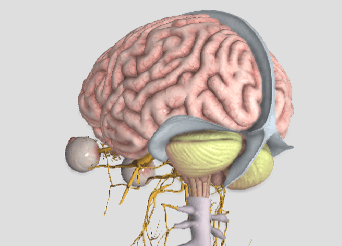
Cerebellum

In a 2010 study, researchers examined MRIs taken from 1,200 patients (600 whiplash and 600 non-whiplash neck pain patients) and noted that those who had sustained whiplash were more likely to have a brain injury than non-whiplash neck pain patients.

The specific type of brain injury found is a form of herniation called Chiari malformation, where the bottom part of the brain (the cerebellum) drops through the opening in the base of the skull called the foramen magnum. Their findings showed an alarming 23% of the whiplash cases studied had this anatomical abnormality.

Dr. Michael Freeman, Dr. Ezriel Kormel, and colleagues collaborated in this effort and evaluated the patients using MRI in both recumbent (laying down) AND upright positions. Interestingly, they found 5.7% and 5.3% of those in the non-whiplash neck pain group and 9.8% and 23.3% in the whiplash group had the Chiari malformation using the recumbent vs. upright MRI positions, respectfully.

Dr. Kormel stated, “This condition can be quite painful and endanger the patient’s health, with symptoms that may include headaches, neck pain, upper extremity numbness and tingling, and weakness. In a few cases, there can also be lower extremity weakness and brain dysfunction.” In a radio interview, he added the advice that ANYONE suffering from whiplash should see a healthcare provider immediately.

This study is important for a number of reasons. First, it revealed that there is often a more serious injury when whiplash occurs than what is initially found. Second, psychological findings like depression, anxiety, and difficulty coping with the decreased ability or inability to be productive at home or work may suggest the presence of an anatomical injury which simply has not yet been found. Third, MRI is frequently ONLY performed in a laying down position. This study didn’t find much difference between laying vs. weight-bearing MRI positions in the non-whiplash neck pain patients but not so in the whiplash neck pain group! In this group, the ability for MRI to detect Chiari malformation/brain injury more than doubled using weight-bearing MRI.

Expanding the last point, since one out of five whiplash patients had a brain injury that is more likely to be detected using a non-traditional upright MRI position, a “new” standard” for the use of MRI in the evaluation of the whiplash patient should be considered. This is especially important in those cases that are non-responsive to quality care or if their doctor had only ordered a recumbent MRI previously.
Doctors of all disciplines should be aware of this study and the need for a more thorough evaluation, especially when a whiplash patient is not responding as one might expect.

Whiplash and Your Posture

WRD 2.gif

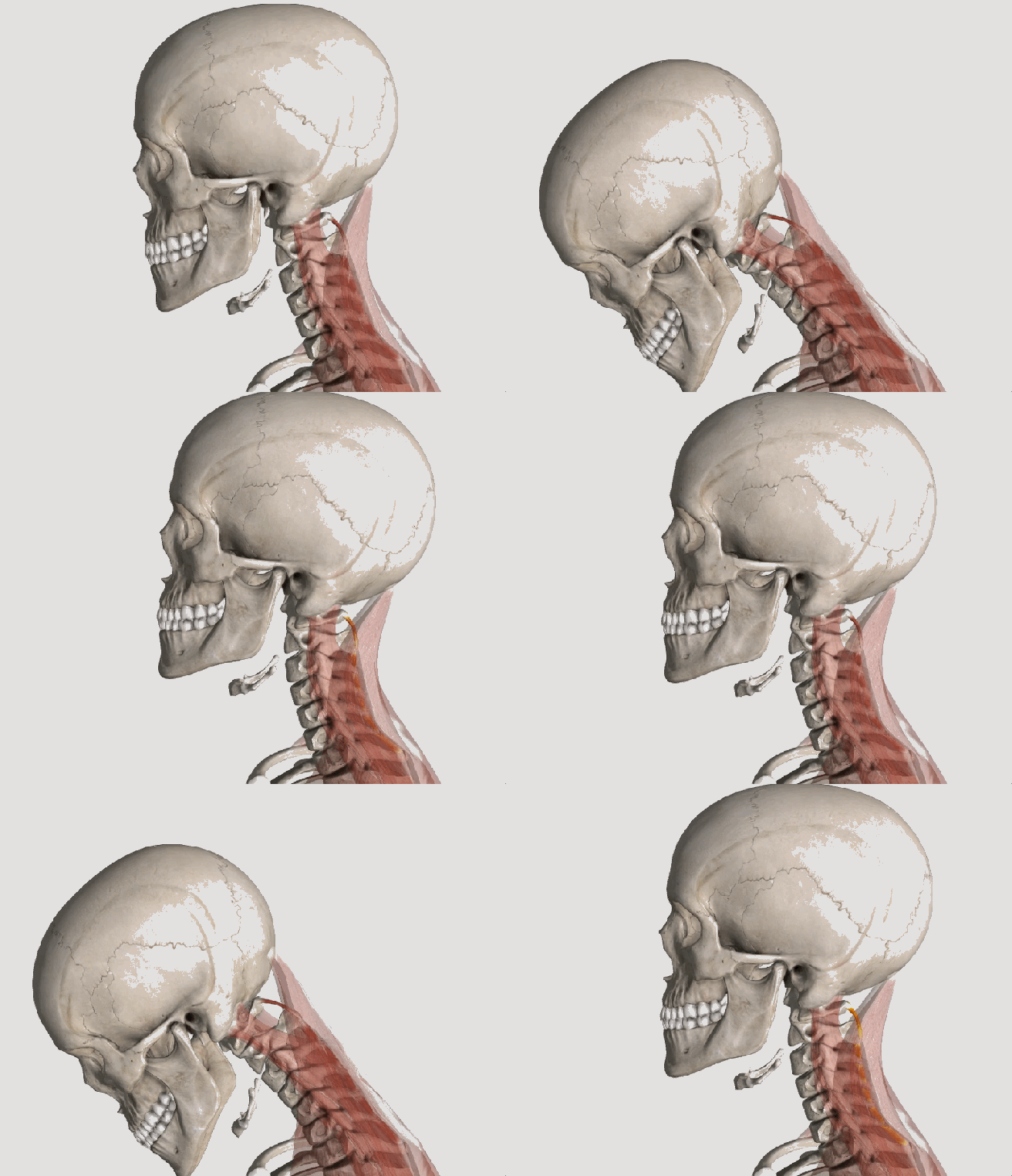
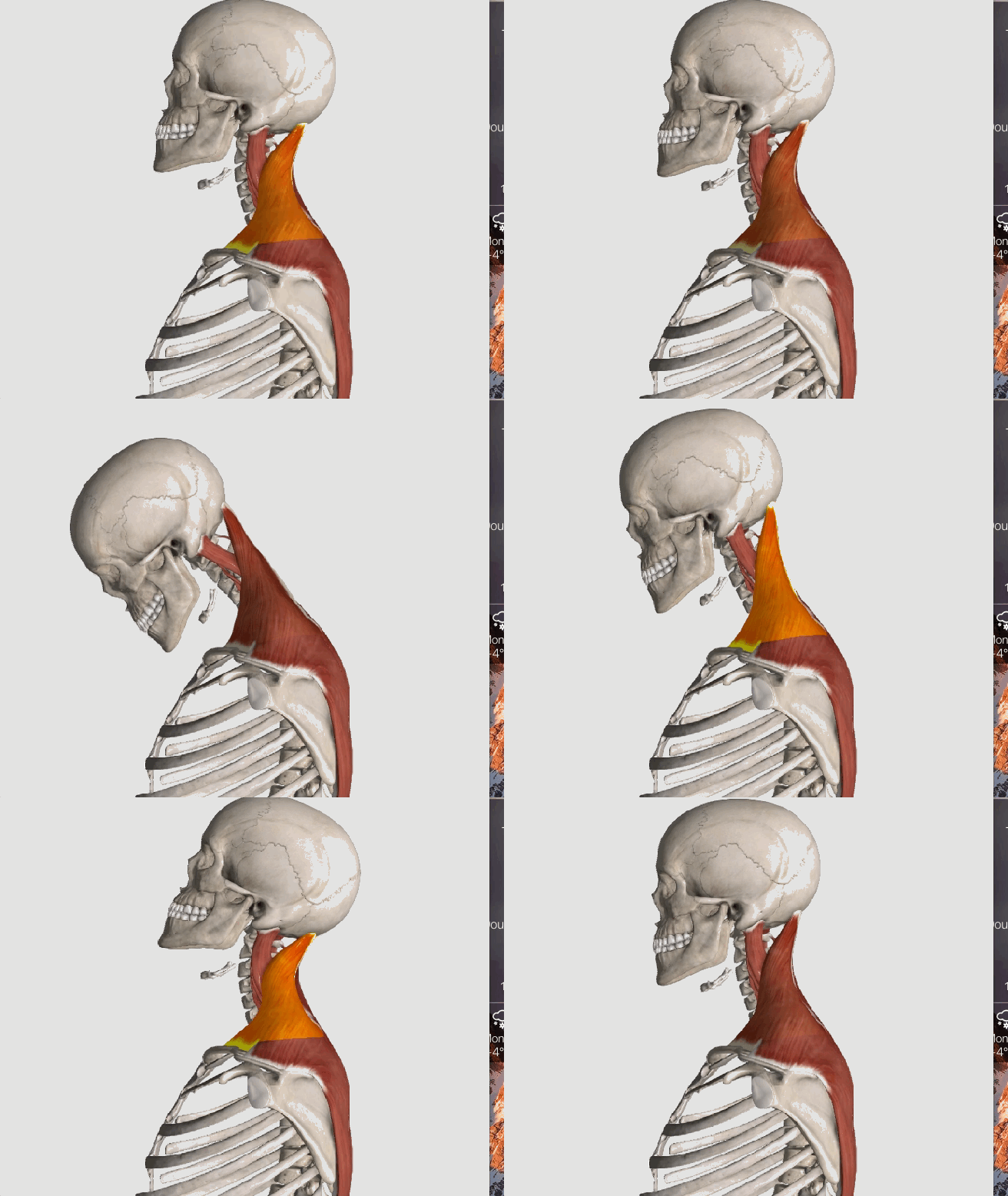
Posture assessment is a key component of the chiropractic examination, and the posture of the head and neck is especially important for a patient recovering from a whiplash injury. Forward head carriage describes a state in which the head sits more forward on the shoulders than it should. In order for the muscles in the neck and shoulders to keep the head upright, they must work harder. This added strain can increase one’s risk for neck pain and headaches, which is why retraining posture is a key component to the management of neck pain and headaches in patients with or without a history of whiplash.

Forward head carriage also increases the distance between the back of the head and the headrest in the seated position, especially when the seat is reclined. In a rear-end collision, a gap greater than a half an inch between the head rest and the back of the head increases the probability of injury due to the greater distance the head can hyperextend as it rebounds backwards into the headrest.  This makes posture correction of forward head carriage an important aspect of treatment from both a preventative and curative perspective.

So this begs the question, can forward head carriage be corrected?  The simple answer is “yes!” One study evaluated the effects of a 16-week resistance and stretching program designed to address forward head posture and protracted shoulder positioning.

Researchers conducted the study in two separate secondary schools with 130 adolescents aged 15–17 years with forward head and protracted shoulder posture. The control group participated in a regular physical education (PE) program while the experimental group attended the same PE classes with the addition of specific exercises for posture correction. The research ream measured the teens’ shoulder head posture from the side using two different validated methods and tracked symptoms using a questionnaire. The results revealed a significant improvement in the shoulder and cervical angle in the experimental group that did not occur in the control group.

The conclusion of the study strongly supports that a 16-week resistance and stretching program is effective in decreasing forward head and protracted shoulder posture in adolescents.  This would suggest that a program such as this should be strongly considered in the regular curriculum of PE courses since this is such a common problem.

Doctors of chiropractic are trained to evaluate and manage forward head posture with shoulder protraction. This can prove beneficial in both the prevention as well as management of signs and symptoms associated with a whiplash injury.

What is Whiplash?

Up Trap Ext

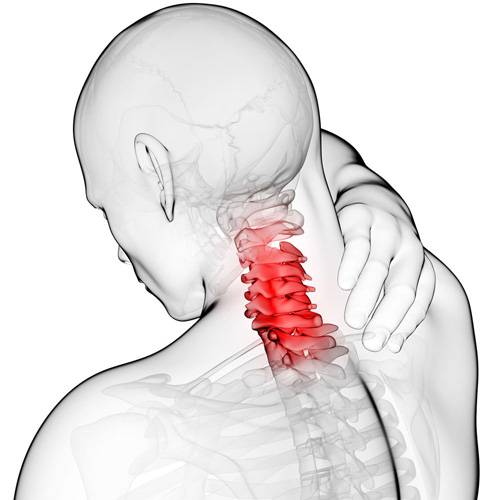
Whiplash is an injury to the soft-tissues of the neck often referred to as a sprain or strain. Because there are a unique set of symptoms associated with whiplash, doctors and researchers commonly use the term “whiplash associated disorders” or WAD to describe the condition.

WAD commonly occurs as a result of a car crash, but it can also result from a slip and fall, sports injury, a personal injury (such as an assault), and other traumatic causes. The tissues commonly involved include muscle tendons (“strain”), ligaments and joint capsules (“sprains”), disk injuries (tears, herniation), as well as brain injury or concussion—even without hitting the head!

Symptoms vary widely but often include neck pain, stiffness, tender muscles and connective tissue (myofascial pain), headache, dizziness, sensations such as burning, prickly, tingling, numbness, muscle weakness, and referred pain to the shoulder blade, mid-back, arm, head, or face. If concussion occurs, additional symptoms include cognitive problems, concentration loss, poor memory, anxiety/depression, nervousness/irritability, sleep disturbance, fatigue, and more!

Whiplash associated disorders can be broken down into three categories: WAD I includes symptoms without any significant examination findings; WAD II includes loss of cervical range of motion and evidence of soft-tissue damage; and WAD III includes WAD II elements with neurological loss—altered motor and/or sensory functions. There is a WAD IV which includes fracture, but this is less common and often excluded.

Treatment for WAD includes everything from doing nothing to intensive management from multiple disciplines—chiropractic, primary care, physical therapy, clinical psychology, pain management, and specialty services such as neurology, orthopedics, and more. The goal of treatment is to restore normal function and activity participation, as well as symptom management.

The prognosis of WAD is generally good as many will recover without residual problems within days to weeks, with most people recovering around three months after the injury. Unfortunately, some are not so lucky and have continued neck pain, stiffness, headache, and some develop post-concussive syndrome. The latter can affect cognition, memory, vision, and other brain functions. Generally speaking, the higher the WAD category, the worse the prognosis, although each case MUST be managed by its own unique characteristics. If the injury includes neurological loss (muscle strength and/or sensory dysfunction like numbness, tingling, burning, pressure), the prognosis is often worse.

Chiropractic care for the WAD patient can include manipulation, mobilization, and home-based exercises, as well as the use of anti-inflammatory herbs (ginger, turmeric, proteolysis enzymes (bromelain, papain), devil’s claw, boswellia extract, rutin, bioflavonoid, vitamin D, coenzyme Q10, etc.) and dietary modifications aimed at reducing inflammation and promoting healing.

* 83% of those patients involved in an MVA will suffer whiplash injury and 50% will be symptomatic at 1 year.
* 90% of patients with neurologic signs at onset may be symptomatic at 1 year.
* 25- 80% of patients who suffer a whiplash injury will experience late-onset dizziness
* Clinicians should be observant for radiographic signs of instability, including interspinous widening, vertebral subluxation, vertebral compression fracture, and loss of cervical lordosis.
* Horizontal displacement of greater than 3.5 mm or angular displacement of more than 11 degrees on flexion/extension views suggests instability

Neck Pain Reduction Strategies

Cervical Strain

Neck pain is very common! According to one study, between 10-21% of the population will experience an episode of neck pain each year with a higher incidence rate among office workers. Between 33-65% will recover within one year, but most cases become “chronic, recurrent” meaning neck pain will come and go indefinitely. The more we can learn WHAT to do to prevent these episodes, the better.

1.  SLEEP: Use a cervical pillow so the NECK is fully supported during sleep. This keeps your head in alignment with your spine. Also, if possible, sleep on your back!

2. OFFICE: Position the computer screen so that it’s at or slightly below eye level and straight in front of you. The “KEY” point is that you feel comfortable with the height of the monitor. Keep your chin “tucked in” so the 10-11 pound (4.5-5 kg) weight of your head stays back over your shoulders—this will place less of a load on your upper back and neck muscles to hold your head upright! Set a timer on your cell phone to remind you to get up and move around every 30-60 minutes.

3. TELEPHONE: If you are using the phone a lot during the day, GET A HEADSET! If you are pinching the phone between your shoulder and ear, you WILL have neck problems!

4.  EXERCISE: Studies show people who are more physically active are less likely to report neck pain.

5.  NUTRITION: Search for information on the “anti-inflammatory diet.” It’s basically fruits, veggies, and lean meat, with a few other twists. Also, stay hydrated by drinking plenty of water each day.

6.  LIFT/CARRY: A heavy purse, brief case, or roller bag can really hurt your neck. Take ONLY what you need and put the rest in a secondary bag that stays in your car or where you can access it when needed. Switch to a backpack if possible vs. a heavy brief case.

7.  SELF-MASSAGE: Reach back and dig your fingers into your neck muscles and “work” the tight fibers back and forth until they loosen up. Roll your head over the top edge of a chair by sliding down until the top of the chair back rests in your neck. Search for the tight fibers and work them loose!

8.  WHIPLASH: If you are injured, DO NOT WAIT! Those who seek chiropractic care shortly after an accident have less long-term trouble!

What is Whiplash? 

WRD 2

Whiplash is an injury to the soft-tissues of the neck often referred to as a sprain or strain. Because there are a unique set of symptoms associated with whiplash, doctors and researchers commonly use the term “whiplash associated disorders” or WAD to describe the condition.

WAD commonly occurs as a result of a car crash, but it can also result from a slip and fall, sports injury, a personal injury (such as an assault), and other traumatic causes. The tissues commonly involved include muscle tendons (“strain”), ligaments and joint capsules (“sprains”), disk injuries (tears, herniation), as well as brain injury or concussion—even without hitting the head!

Symptoms vary widely but often include neck pain, stiffness, tender muscles and connective tissue (myofascial pain), headache, dizziness, sensations such as burning, prickly, tingling, numbness, muscle weakness, and referred pain to the shoulder blade, mid-back, arm, head, or face. If concussion occurs, additional symptoms include cognitive problems, concentration loss, poor memory, anxiety/depression, nervousness/irritability, sleep disturbance, fatigue, and more!

Whiplash associated disorders can be broken down into three categories: WAD I includes symptoms without any significant examination findings; WAD II includes loss of cervical range of motion and evidence of soft-tissue damage; and WAD III includes WAD II elements with neurological loss—altered motor and/or sensory functions. There is a WAD IV which includes fracture, but this is less common and often excluded.

Treatment for WAD includes everything from doing nothing to intensive management from multiple disciplines—chiropractic, primary care, physical therapy, clinical psychology, pain management, and specialty services such as neurology, orthopedics, and more. The goal of treatment is to restore normal function and activity participation, as well as symptom management.

The prognosis of WAD is generally good as many will recover without residual problems within days to weeks, with most people recovering around three months after the injury. Unfortunately, some are not so lucky and have continued neck pain, stiffness, headache, and some develop post-concussive syndrome. The latter can affect cognition, memory, vision, and other brain functions. Generally speaking, the higher the WAD category, the worse the prognosis, although each case MUST be managed by its own unique characteristics. If the injury includes neurological loss (muscle strength and/or sensory dysfunction like numbness, tingling, burning, pressure), the prognosis is often worse.

Chiropractic care for the WAD patient can include manipulation, mobilization, and home-based exercises, as well as the use of anti-inflammatory herbs (ginger, turmeric, proteolysis enzymes (bromelain, papain), devil’s claw, boswellia extract, rutin, bioflavonoid, vitamin D, coenzyme Q10, etc.) and dietary modifications aimed at reducing inflammation and promoting healing.

* 83% of those patients involved in an MVA will suffer whiplash injury and 50% will be symptomatic at 1 year.
* 90% of patients with neurologic signs at onset may be symptomatic at 1 year.
* 25- 80% of patients who suffer a whiplash injury will experience late-onset dizziness
* Clinicians should be observant for radiographic signs of instability, including interspinous widening, vertebral subluxation, vertebral compression fracture, and loss of cervical lordosis.
* Horizontal displacement of greater than 3.5 mm or angular displacement of more than 11 degrees on flexion/extension views suggests instability.

Canada’s Pain Crisis

In a nation of only 36 million people, over 5 million people turned to opioid use for their pain despite the availability of better options. Opioids should never be the first step in pain management; preventing overuse takes education of both the public who are using and the professionals prescribing these drugs.

At Aberdeen Chiropractic we are proud to be part of the solution to Canada’s opioid crisis by providing safe, effective care for back pain, neck pain and headaches. Our goal is to assess, correct and prevent your pain with a variety of interventions including Chiropractic, Acupuncture, Laser, Exercise Rehabilitation and Trigger Point Therapy.


Pain Crisis