Collisions and Concussions


230


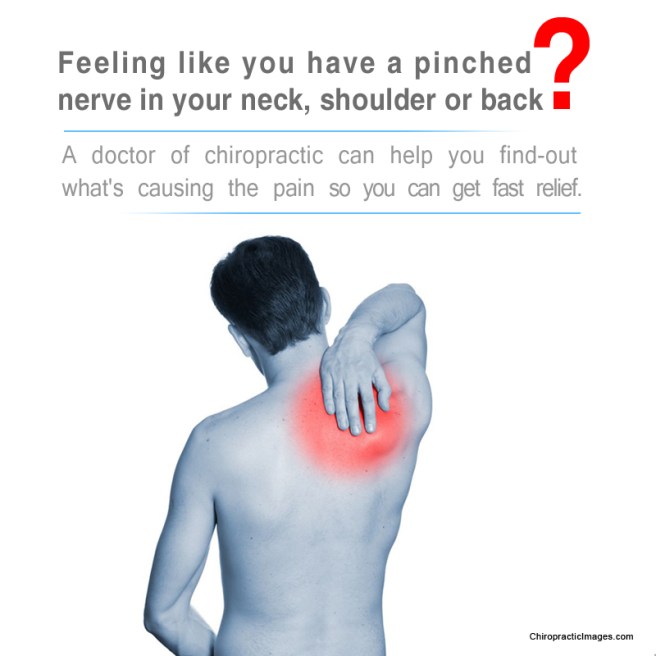
Similar to back pain, neck pain affects almost all of us at some point in life, and the severity can range from a mild stiffness to complete incapacitation. Chiropractic care offers a non-drug, non-surgical method of #treatment that MANY neck pain sufferers utilize and benefit from. The following is a description of what you can expect when treated with an evidence-based chiropractic approach.
Let’s first discuss the different types of #neckpain. One classification system divides neck pain into two main groups: acute and chronic. In the acute group, there is an onset of pain that comes on quickly and resolves in less than three months. Chronic neck pain represents the patients who continue to have neck pain longer than three months.
Studies show that patients experience immediate benefits—including pain reduction and mobility/range of motion (ROM) improvement—following cervical spinal manipulation, especially when administered on the same side as the neck pain. Short and medium-term benefits include pain reduction and ROM improvement when administered bilaterally (on both sides).
Multiple #manipulations may be better than unsupervised stretching alone. However, studies show that stretching the neck muscles both before and after manipulation can improve a patient’s outcome. The combination of three-point traction and multiple manipulations can improve pain in the medium and long-term as well.
Other approaches commonly used by chiropractors that immediately improve pain include mobilization, traction, trigger-point therapy (applying pressure over myofascial trigger points for 90 seconds), cervical pillows, and some modalities that include electric stimulation, ultrasound, low-powered #laser, and pulsed electromagnetic field.
Active care or care that can be taught to patients includes exercise intended to improve #pain and ROM in the medium and long-term. Exercises that emphasize strength and endurance can also be beneficial. Ongoing light and intensive exercise improves pain in the long-term and intensive #exercise is favored in the medium-term.


Condition of the Month- Snapping Hip

snaphip-LAY


Snapping Hip

The muscle responsible for flexing your hip toward your trunk, is called the Psoas. This muscle begins on your lower spine and passes through your pelvis to attach onto the top of your femur (thigh bone). Along this course, the muscle travels across the front of your hip socket and over several bony prominences. If the muscle is too tight, its tendon may rub over these “bumps”. This occasionally produces an audible snapping sound, hence the moniker, “snapping hip”, aka “psoas tendinopathy”.

The tendon can be irritated by an acute injury, but more commonly from overuse- particularly repeatedly flexing your hip toward your trunk. The condition is also known as “dancer’s hip” or “jumper’s hip”, as movements associated with these activities are known culprits. Likewise, the condition is frequently seen in athletes who participate in rowing, track and field, hurdling, running (especially uphill), soccer, and gymnastics.

Your symptoms may include a “snapping” sound or sensation when you flex and extend your hip- although many cases are silent. Repeated rubbing causes inflammation and subsequent deep groin pain that can radiate to the front of your hip or thigh. Long-standing problems can trigger weakness or even limping.

The diagnosis of snapping hip is frequently overlooked. In fact, some studies show that identification is often delayed more than two years, while other potential causes are pursued. Fortunately, your problem has been recognized, and our office has several treatments to help you recover.

Psoas problems often start when one group of muscles is too tight, while another is too loose. Your home exercises will help to correct this problem. Depending upon the severity of your condition, you may need to avoid certain activities for a while. You should especially avoid repetitive hip flexion. Prolonged seated positions can encourage shortening of your hip flexors so be sure to take frequent breaks. Patients with fallen arches may benefit from arch supports.

If you or someone you know suffers from this condition, call our office today. Our doctors are experts at relieving many types of pain including hip injuries.