Managing Upper Crossed Syndrome with Chiropractic Care and Ergonomic Adjustments

Your posture is a cornerstone of your overall health, influencing everything from musculoskeletal function to internal organ function. Poor posture can lead to chronic strain and discomfort, affecting your daily life and long-term well-being. One common postural issue is known as “upper crossed syndrome,” characterized by excessive tightness in the shoulders and chest paired with weakness in the neck and mid-back muscles. This imbalance forces the shoulders to roll inward and the head to protrude forward, creating a cascade of negative effects throughout the body.

To grasp how upper crossed syndrome wreaks havoc, envision your spine as a sturdy telephone pole and your head as a heavy bowling ball atop it. When the bowling ball is positioned directly over the pole, minimal effort is needed to maintain balance. However, if the pole tilts forward and the ball threatens to roll off, the muscles must work tirelessly to prevent it from falling. This constant effort places undue strain on the muscles of the neck and upper back, leading to chronic discomfort and potential complications.

The repercussions of upper crossed syndrome extend beyond mere discomfort. It can contribute to a host of issues including neck pain, upper back pain, headaches, temporomandibular joint (TMJ) pain, and even arthritis over time. This postural distortion is particularly prevalent among individuals who spend prolonged periods at computer workstations, where slouching and forward head posture are common.

Addressing upper crossed syndrome requires a multifaceted approach aimed at correcting muscular imbalances and optimizing workstation ergonomics. Chiropractic care plays a pivotal role in this process, offering targeted interventions to restore postural alignment and alleviate associated discomfort. Through manual adjustments, chiropractors can realign misaligned vertebrae and alleviate pressure on nerves, facilitating improved posture and function.

Additionally, chiropractors provide guidance on stretches and exercises tailored to address muscle tightness and weakness characteristic of upper crossed syndrome. These exercises aim to elongate tight muscles, such as the chest and front shoulder muscles, while strengthening weakened muscles, particularly those in the neck and mid-back. By restoring muscular balance, chiropractic care helps alleviate strain on the spine and promote better postural alignment.

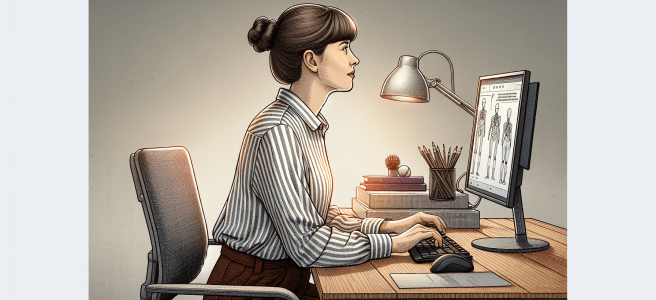
In conjunction with chiropractic interventions, modifying your workstation ergonomics is crucial for preventing and managing upper crossed syndrome. Simple adjustments, such as raising the computer monitor to eye level, using an ergonomic chair with proper lumbar support, and taking regular breaks to stretch and move, can significantly reduce strain on the neck and back muscles.

By addressing the root causes of upper crossed syndrome through a comprehensive approach that includes chiropractic care and ergonomic modifications, you can effectively manage discomfort and prevent long-term complications. Prioritizing good posture and seeking timely intervention from a chiropractor can help you maintain optimal musculoskeletal health and enjoy a more comfortable, pain-free lifestyle.

Managing Scapular Dyskinesis: Exercise, Posture, and Chiropractic Care

Your shoulder is composed of three bones: the scapula (shoulder blade), the clavicle (collar bone), and the humerus (upper arm bone). These bones come together to form a shallow ball-and-socket joint that relies heavily on the surrounding muscles for support. For your shoulder joint to remain healthy and stable, all the muscles must work in a coordinated manner. When the normal rhythm of your shoulder blade is disrupted, it creates abnormal strain on your shoulder and rotator cuff, a condition known as “scapular dyskinesis.” This dysfunction can crowd the area where your rotator cuff tendons reside, potentially causing painful pinching of the tendons or bursa each time you raise your arm. Many shoulder issues, including sprains, strains, tendinitis, bursitis, or rotator cuff irritation, can result from this often overlooked condition.

Scapular dyskinesis most commonly arises from weakness or imbalance in the muscles that control your shoulder blade. Other times, it can be caused by shoulder conditions such as prior fractures, arthritis, or instability. In about 5% of cases, irritation of the nerves that control the shoulder muscles is the underlying cause.

Despite its potential to cause various shoulder problems, scapular dyskinesis may initially go unnoticed. Studies show that up to 75% of healthy college athletes exhibit some form of abnormal shoulder blade movement. If left untreated, you may begin to experience pain near the top of your shoulder, which can sometimes radiate toward your neck or down your arm. Patients often report a tender spot on the front of their shoulder. Over time, these altered mechanics can lead to more serious issues, including rotator cuff injuries, shoulder instability, and arthritis.

Effective management of scapular dyskinesis involves a multifaceted approach, including consistent exercise, posture awareness, and chiropractic care. Exercises designed to strengthen and balance the shoulder muscles are crucial and must be performed regularly. Additionally, maintaining good posture and avoiding slouched positions can prevent aggravation of the condition.

Chiropractic care plays an important role in the treatment of scapular dyskinesis. Chiropractors are skilled in assessing and addressing musculoskeletal imbalances, including those affecting the shoulder. Through targeted adjustments and therapies, chiropractic care can help restore proper alignment and function to the shoulder blade and surrounding muscles. This approach not only alleviates pain but also prevents the development of further complications by ensuring that the shoulder joint moves correctly.

Chiropractors can also provide valuable guidance on exercises and stretches tailored to your specific needs, enhancing the effectiveness of your rehabilitation efforts. By addressing the root causes of scapular dyskinesis, chiropractic care can help you achieve better shoulder stability and overall joint health.

In summary, scapular dyskinesis is a common but often overlooked cause of shoulder problems. It results from muscle imbalances or weakness, previous injuries, or nerve irritation. Left untreated, it can lead to significant pain and further complications. Consistent exercise, good posture, and chiropractic care are essential components of an effective treatment plan. By incorporating these elements, you can manage scapular dyskinesis effectively, improve shoulder function, and prevent future issues.

Effective Treatment of Carpal Tunnel Syndrome: Chiropractic Care and Laser Therapy

Carpal tunnel syndrome (CTS) is a common condition resulting from the compression or irritation of the median nerve as it travels through the carpal tunnel—a U-shaped channel formed by the eight bones of your wrist. This condition affects 3-5% of the general population, with women being two to three times more likely to develop CTS than men. It typically occurs in adults aged 45-60 and can significantly impact daily activities.

Causes and Risk Factors

Carpal tunnel syndrome is often brought on by activities that involve prolonged wrist flexion and repetitive wrist movements, such as:

  • Keyboard use
  • Supermarket scanning
  • Carpentry
  • Assembly line work

Other factors that can exacerbate CTS include exposure to vibration or cold temperatures. The condition is more common in the dominant hand but frequently affects both hands. Certain health conditions and lifestyle factors increase the risk of developing CTS, including:

  • Diabetes
  • Thyroid disease
  • Rheumatoid arthritis
  • Alcoholism
  • Kidney disease
  • Being short or overweight
  • Fluid retention during pregnancy

Symptoms of Carpal Tunnel Syndrome

Symptoms of CTS often start gradually and may include:

  • Numbness and tingling: Typically felt on the palm side of the thumb, index, middle, and half of the ring finger.
  • Discomfort: This can extend towards the elbow and usually begins as nighttime discomfort or waking up with numb hands.
  • Aggravation by gripping activities: Activities like reading, driving, or painting can worsen the symptoms.
  • “Shaking out” the hands: Early symptoms may be temporarily relieved by shaking the hands.
  • Sensation of tightness or swelling: Although there may be no visible swelling.
  • Hand weakness: In more severe cases, muscle weakness can develop.

CTS can also be part of “double crush syndrome,” where compression of the median nerve in the carpal tunnel is accompanied by compression at another site, such as the spine or muscles in the neck, shoulder, or forearm.

Chiropractic Care and Laser Therapy: Keys to Successful Treatment

1. Chiropractic Care:

Chiropractic adjustments are highly effective in treating carpal tunnel syndrome. Chiropractors can use specific manipulative techniques to alleviate the compression on the median nerve, thereby reducing pain and improving function. These adjustments not only address the wrist but also focus on the entire kinetic chain, including the neck, shoulder, and spine, which can contribute to the symptoms.

  • Alignment Restoration: By realigning the wrist and surrounding joints, chiropractic care helps relieve nerve pressure and enhance mobility.
  • Soft Tissue Therapy: Techniques like myofascial release can reduce muscle tightness and improve blood flow.
  • Ergonomic Advice: Chiropractors often provide guidance on posture and ergonomics to prevent further aggravation of CTS.

2. Laser Therapy:

Laser therapy is an innovative, non-invasive treatment that complements chiropractic care in managing carpal tunnel syndrome. It uses specific wavelengths of light to penetrate the skin and tissues, promoting healing and reducing inflammation.

  • Pain Reduction: Laser therapy helps decrease pain levels by reducing inflammation and promoting tissue repair.
  • Improved Nerve Function: By stimulating cellular activity, laser therapy can enhance nerve function and accelerate healing.
  • Non-Invasive: This treatment is painless and involves no downtime, making it an excellent option for those seeking non-surgical solutions.

Preventative Measures and Additional Treatments

  • Activity Modification: Avoid repetitive wrist flexion activities, such as push-ups and gripping handlebars on a bicycle, to prevent further irritation.
  • Splinting: A special wrist splint that holds your wrist in a neutral or slightly extended position can help alleviate nighttime symptoms.
  • Conservative Care: The American Academy of Neurology recommends conservative treatments like chiropractic care and laser therapy before considering surgical alternatives.

Conclusion

If left untreated, carpal tunnel syndrome can lead to permanent nerve damage. Early intervention with chiropractic care and laser therapy can effectively relieve symptoms and prevent long-term complications. If you’re experiencing symptoms of CTS, don’t wait—seek treatment and start your journey to recovery. Share your experiences or ask questions in the comments below. Let’s work together to keep our hands healthy and pain-free!

Biceps Tendinitis: Causes, Symptoms, and Treatment Options

Your biceps muscle attaches to your shoulder through two strong fibrous bands called “tendons.” The term “biceps tendinitis” means that one of these bands has become painfully irritated from strain or degeneration. Sometimes the tendon may be strained by an accident or lifting injury. Biceps tendinitis more often results from repeated pinching of the tendon beneath the bony part of your shoulder from a condition called “impingement.” Repeated overhead activity, like throwing, swimming, gymnastics, and racquet sports are known culprits. Biceps tendinitis is often accompanied by other conditions, like rotator cuff tears or injuries to the cartilage around the rim of your shoulder joint. Factors that make you more likely to develop biceps tendinitis include: improper lifting techniques, inflexibility, poor posture, or repetitive overloading.

Your symptoms likely include a deep, throbbing ache over the front of your shoulder. The pain often refers toward the outside of your arm. The main job of your biceps muscle is to flex your elbow and turn your palm up, so overhead movements or activities that require flexion of your elbow may cause pain. Patients often report increased discomfort when initiating activity. Night time symptoms are common, especially if you lie on your affected shoulder. Be sure to tell your doctor if you notice popping, catching, or locking during movements, as this may suggest an additional problem. A painful, loud “pop” followed by relief with a visible bulge in your biceps (Popeye deformity) suggests that your tendon has ruptured.

Surgery is rarely required for biceps tendon problems unless you are a young athlete or worker who performs exceptionally heavy physical activity and have completely ruptured your tendon. The most effective treatment for the majority of biceps tendinitis patients is conservative care, like the type provided in our office. Initially, you may need to avoid heavy or repetitive activity, (especially overhead activity and elbow flexion) as returning to activity too soon may prolog your recovery. You should specifically avoid military presses, upright rows, and wide grip bench presses until cleared by your doctor. You may use ice over your shoulder for 10-15 minutes at a time each hour. The exercises described below will be a very important part of your recovery and should be performed consistently. http://ow.ly/i/uGMvV

Preventing De Quervain’s Tenosynovitis: Lifestyle Changes and Relief Strategies

Tendons are strong, fibrous bands of tissue connecting muscles to bones. Some tendons are covered by a protective, lubricated insulation called a “synovial sheath.” The two tendons on the thumb-side of your wrist that extend and abduct your thumb into a “hitchhiker” position are covered by a sheath. Normally, these tendons move freely within this covering, much like a sword sliding through a sheath. If these tendons and sheaths are forced to repetitively rub against the bones of your wrist, they can become painfully swollen. This condition is called De Quervain’s tenosynovitis.

The pain of De Quervain’s tenosynovitis may begin abruptly, but more commonly starts gradually and increases over time. The pain is provoked by movements of your thumb or wrist. In more severe cases, you may notice swelling on the outside of your wrist. Some patients complain of “catching” or a slight “squeaking” sound while moving their wrist.

Activities like gardening, knitting, cooking, playing a musical instrument, carpentry, walking a pet on a leash, texting, video gaming and sports like golf, volleyball, fly fishing and racquet sports are known triggers. The condition was once known as “Washer woman’s sprain,” since wringing out wet clothes can trigger the problem. Lifting infants or children by placing your outstretched finger and thumb beneath their armpit has led to the nicknames of “Mommy thumb” or “Baby wrist.”

The condition strikes women much more frequently than men. It typically affects middle-age adults and is more slightly common in African-Americans, patients with diabetes or rheumatoid arthritis may be at higher risk for this problem.
Many patients will experience resolution of their symptoms through conservative care, like the type provided in our office. You should avoid lifting, grasping and pinching movements, especially when your wrist is bent toward either side. You may need to find alternate ways to lift children and perform work, sport and leisure activities. Video game players and those who text should take frequent breaks and try to hold their wrists straighter. Avoid wearing tight wristbands. Applying ice to your wrist for 10 minutes every hour or performing an “ice massage” (freeze a paper cup filled with water, tear off the bottom to expose the ice, massage over the tendons in a figure-eight pattern for 6-10 minutes, taking breaks as needed) can provide relief.

Patients who have severe pain or swelling are less likely to respond to conservative care. These patients may require a cortisone injection to relieve their pain, however, surgery is rarely necessary.

Understanding Thoracic Outlet Syndrome: Causes, Risk Factors, and Symptoms

Thoracic Outlet Syndrome

Thoracic outlet syndrome (TOS) occurs when nerves and blood vessels passing through the thoracic outlet, located just above the collarbone, become compressed. This compression leads to symptoms such as pain, numbness, or tingling in the arm, affecting daily activities and quality of life.

Several factors contribute to the development of TOS. Tight muscles in the neck and chest, as well as a narrow space between the first rib and collarbone, can cause compression. Additionally, individuals with an extra rib (cervical rib) or those who have experienced a recent neck injury are at increased risk of developing TOS.

Poor posture exacerbates TOS, making individuals who spend prolonged periods in positions that promote slouching, such as computer users, assembly line workers, and students, particularly susceptible. Athletes engaging in sports like swimming, volleyball, tennis, and baseball, which involve repetitive overhead movements, are also prone to TOS. Likewise, occupations like electricians and painters, requiring prolonged overhead activity, heighten the risk.

Symptoms of TOS manifest as arm pain, numbness, tingling, and possible weakness. These symptoms typically develop gradually and worsen with arm elevation or excessive head movement. Loss of grip strength may also occur, further impeding daily tasks.

Conservative treatments, like those provided by chiropractors, have shown efficacy in managing TOS symptoms. Avoiding activities that exacerbate symptoms, such as carrying heavy loads on the shoulder, is crucial. Measures like lightening the load of briefcases, laptop cases, or heavy shoulder bags can alleviate pressure on the thoracic outlet. Additionally, padding bra straps or opting for a sports bra may help reduce discomfort and prevent further aggravation of symptoms.

Overall, proactive management of TOS involves addressing contributing factors, modifying activities to reduce strain on the thoracic outlet, and seeking conservative treatments like chiropractic care to alleviate symptoms and improve quality of life. By adopting these strategies, individuals can effectively manage TOS and regain function and comfort in daily life.

Chiropractic: High Force / High Repetition Jobs Can Nearly Triple a Worker’s CTS Risk!

Chiropractic: High Force / High Repetition Jobs Can Nearly Triple a Worker’s CTS Risk!

Previous research indicates that repetitive motions performed at work can increase an individual’s risk for developing carpal tunnel syndrome (CTS). An evaluation of data from six different studies found that workers who perform jobs involving high repetition in addition to high forces are as much as 2.95 times more likely to develop CTS than those whose job activities include neither. American Journal of Epidemiology, February 2015

Elbow Sprain

Photo by Sergey Makashin on Pexels.com

An elbow sprain is a stretch, or a partial or complete tear of the ligaments connecting the bone in the arm, called the humerus, to those in the forearm, called the radius and ulna.

This type of sprain usually occurs from a direct elbow strike, during a tackle while playing a contact sport. A sprain can also occur from a fall on an outstretched arm.

Treatment of elbow sprains consists of Class IV Laser Therapy, management of any biomechanics stresses in the area and exercise rehabilitation to address any weaknesses that can be putting undue stress on the arm. 

#LaserTherapy
#ArmInjuries
#Winnipeg
#Chiropractic

Contact Us

Instagram

Golfer’s Elbow

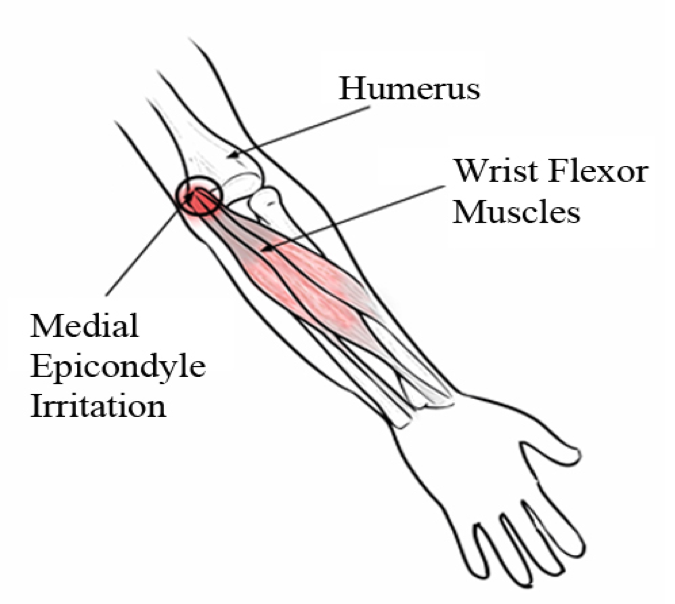
Golf Elbow.png

Most of the muscles that flex your wrist are attached to a bony bump on the inside of your elbow called the “medial epicondyle.” Sometimes, through injury or overuse, the site where these muscles originate can become irritated or inflamed. This condition is called “medial epicondylitis”, or “golfer’s elbow.”

Although the condition is named “golfer’s elbow,” over 90% of those affected are not even athletes, much less golfers. Nonetheless, the condition is more common in certain sports, especially golf, throwing, bowling, football, archery, and weight lifting. Occupations that require heavy gripping or repeated hand movements, like carpentry or typing, can predispose you to this condition. Smokers and people who are obese are more likely to experience this condition.

Medial epicondylitis is the most frequent cause of pain on the “inside” of your elbow but is 3-10 times less likely that its “outside” counterpart- lateral epicondylitis (i.e. “tennis elbow”). Medial epicondylitis is most common between the ages of 40 and 60. The condition strikes the dominant arm in over 3⁄4 of cases. Your symptoms will likely include a dull aching pain over the bump on the inside of your elbow that becomes more intense with use. As the condition progresses, you may notice grip weakness or limitations when shaking hands, grasping objects, and opening jars. Be sure to tell your doctor if you notice numbness or tingling traveling toward your hand.


If left untreated, medial epicondylitis can last indefinitely. Studies show that up to 40% of untreated patients suffer prolonged discomfort, some as long as three years. Fortunately, conservative treatment like the type provided in our office is effective for relieving this condition. Our office may prescribe an elbow “counterforce brace” to help dampen stress to the irritated area. This type of brace should not be used in patients who have numbness or tingling radiating into their fingers. Some patients may benefit from a “wrist splint” that is used at night to allow your tendon to heal in a lengthened position. Using ice or ice massage over your elbow can help limit pain. Your home exercises will play an important role in your recovery.

Initially, you may need to avoid activities that cause an increase in pain, like gripping, lifting, golfing, throwing balls, or swinging a racquet. Be sure to warm up properly and stretch prior to any heavy physical activity. Smokers would benefit from quitting. Overweight patients should consider increasing their aerobic activity to shed excess pounds.

If you or someone you know suffers from this condition, call our office today. Our doctors are experts at relieving many types of pain including elbow injuries.

Contact us for treatment in Winnipeg

Find and Follow us on Twitter and Instagram!

Tennis Elbow

Lateral epicondylalgia, also called tennis elbow, is an irritation of the wrist extensor muscles.

This condition can affect people performing repetitive and excessive wrist extension movements such as when playing racquet sports like tennis, doing manual labour and working at a computer.

Generally, this overuse injury develops over a few weeks or a few months period.

Treatment of Tennis Elbow consists of Acupuncture, Class IV Laser Therapy, management of any biomechanics stresses in the area and exercise rehabilitation to address any weaknesses that can be putting undue stress on the area. 

#LaserTherapy
#ArmInjuries
#Winnipeg
#Chiropractic
#Acupuncture
#Tennis Elbow

Photo by Pixabay on Pexels.com