Optimizing Quality of Life: Importance of Preventing and Managing Knee and Back Pain

Chiropractic: Here’s Why Preventing and Managing Knee and Back Pain Is So Important…

As individuals approach their later years, proactively managing and preventing knee and back pain emerges as a paramount priority for optimizing quality of life. A seminal study, featured in PM & R: The Journal of Injury, Function, and Rehabilitation in March 2015, underscores the profound impact of these musculoskeletal ailments on overall well-being, surpassing even the toll exacted by many chronic diseases.

Conducted among a cohort of nearly 3,000 men and women aged 50 and above, the research illuminates the stark reality that knee pain and back pain exert a disproportionately significant influence on quality of life. Participants grappling with these musculoskeletal afflictions reported a notable reduction in their overall well-being, surpassing the deleterious effects observed in individuals contending with various chronic diseases.

This revelation underscores the imperative for proactive measures to mitigate the onset and progression of knee and back pain, particularly as individuals age. By adopting a multifaceted approach encompassing lifestyle modifications, targeted exercises, and prudent self-care practices, individuals can fortify their musculoskeletal health and minimize the burden of pain and discomfort in later life.

Engaging in regular physical activity tailored to promote joint mobility, muscular strength, and flexibility constitutes a cornerstone of preventive efforts against knee and back pain. Furthermore, cultivating proper posture, implementing ergonomic adjustments in daily activities, and maintaining a healthy weight can alleviate undue stress on the joints and spine, reducing the risk of pain and injury.

Moreover, fostering a holistic approach to wellness that encompasses dietary interventions, stress management techniques, and adequate sleep hygiene can bolster resilience and enhance pain coping mechanisms. By nurturing physical, mental, and emotional well-being in tandem, individuals can fortify their defenses against the onset and progression of musculoskeletal ailments, safeguarding their quality of life well into their golden years.

In light of these findings, healthcare practitioners, policymakers, and individuals alike are urged to prioritize musculoskeletal health as a cornerstone of healthy aging. By fostering awareness, promoting early intervention, and facilitating access to evidence-based interventions, stakeholders can empower individuals to proactively manage and prevent knee and back pain, fostering a future characterized by vitality, mobility, and optimal well-being.

PM & R: The Journal of Injury, Function, and Rehabilitation, March 2015
Wellness/Prevention: Preventing Second Hip Fractures.

Wellness/Prevention: Preventing Second Hip Fractures.

After analyzing long-term data on nearly 40,000 first-time hip fracture patients, University of British Columbia researchers found that roughly 8% will experience a second hip fracture in the decade following their first hip injury. In light of this finding, they recommend that secondary hip fracture prevention interventions should continue beyond just the early post-fracture period. Bone, February 2015

Exercise: Make it Fun and Keep Going.

Exercise: Make it Fun and Keep Going.

When exercising, it is important to make your routine enjoyable and fun to help ensure that you keep exercising. The American Heart Association suggests the following: wear shoes that are comfortable and fit properly, wear clothing that is appropriate for weather conditions, start slow, stick to a consistent workout time, make expectations reasonable for your health and abilities, include fun activities with family and friends, track you progress, and reward yourself for success. American Heart Association, February 2015

Preventing Heart Attacks and Strokes: The Impact of Hypertension Treatment

Wellness/Prevention: Blood Pressure Program Could Save Millions of Lives Globally.

Experts have sounded a clarion call for action in the battle against uncontrolled high blood pressure, asserting that treating just half of the individuals afflicted could avert a staggering 10 million heart attacks and strokes worldwide within the next decade. In a concerted effort to stem the tide of cardiovascular morbidity and mortality, the Centers for Disease Control and Prevention (CDC) and the Pan American Health Organization have launched a groundbreaking initiative known as the Global Standardized Hypertension Treatment Project.

This ambitious program aims to mobilize resources and expertise on a global scale, leveraging standardized protocols and best practices to optimize hypertension treatment outcomes across diverse populations. By streamlining approaches to diagnosis, medication adherence, and lifestyle modifications, the project seeks to empower individuals worldwide to take control of their blood pressure and mitigate their risk of premature death from cardiovascular disease.

Dr. Tom Frieden, director of the CDC, emphasizes the urgency of the endeavor, asserting that hypertension represents a formidable foe in the fight against cardiovascular disease. He underscores the imperative for swift and decisive action, stressing that the question is not whether treatment of hypertension should be undertaken on a global scale, but rather how rapidly and effectively effective programs can be established.

As the Lancet highlighted in February 2015, the launch of the Global Standardized Hypertension Treatment Project heralds a new chapter in the global health landscape, one marked by collaboration, innovation, and a shared commitment to saving lives. By uniting efforts on a global scale, stakeholders stand poised to achieve unprecedented gains in the prevention and control of hypertension, forging a path toward a healthier, more resilient future for generations to come.

Quote: “Anyone can hide. Facing up to things, working through them, that’s what makes you strong.” ~ Sarah Dessen

The Interplay of Pain and Mobility in Elderly Fall Risk

Chiropractic: Chronic Pain May Increase Fall Risk for Seniors!

The ramifications of falls among elderly individuals extend far beyond the physical injury itself, often encroaching upon independence and diminishing overall quality of life. Traditionally, impaired motor function has been pinpointed as a primary risk factor for falls among the elderly. However, a recent report published in Aging Clinical and Experimental Research in March 2015 has unveiled a startling revelation: older adults with ostensibly normal motor function are not immune to the perils of falls, particularly when grappling with chronic musculoskeletal pain across multiple body sites.

This finding challenges conventional wisdom and underscores the intricate interplay between pain and mobility in the context of fall risk among the elderly. Chronic musculoskeletal pain, pervasive among aging populations, introduces a formidable obstacle to mobility and stability, predisposing individuals to the hazards of falls despite outwardly intact motor function.

The implications of this report reverberate throughout the realms of geriatric healthcare and fall prevention. Healthcare providers must adopt a holistic approach to fall risk assessment, incorporating not only measures of motor function but also comprehensive evaluations of pain and musculoskeletal health. By identifying and addressing chronic pain as a modifiable risk factor, clinicians can mitigate the likelihood of falls and safeguard the independence and well-being of elderly patients.

Furthermore, this research underscores the imperative for multidisciplinary interventions aimed at enhancing mobility, managing pain, and fortifying musculoskeletal health among aging populations. Through targeted strategies encompassing physical therapy, pain management, and lifestyle modifications, healthcare professionals can empower older adults to navigate their golden years with confidence and vitality, minimizing the specter of falls and preserving their autonomy and quality of life.

Health Alert: Chemical Exposure May Drive Earlier Menopause in Women.

Health Alert: Chemical Exposure May Drive Earlier Menopause in Women.

Researchers have discovered that women exposed to high levels of certain chemicals found in household items, personal care products, plastics, and the environment typically begin to experience menopause two to four years earlier than women with less exposure to these chemicals (which include PCBs, pesticides, phthalates, and furan). Senior study author Dr. Amber Cooper adds, “Many of these chemical exposures are beyond our control because they are in the soil, water, and air. But we can educate ourselves about our day-to-day chemical exposures and become more aware of the plastics and other household products we use.” The research team recommends further research to determine how much exposure is needed to impact female health.

PLOS ONE, January 2015

Depression Associated with Inflammation in the Brain.

Mental Attitude: Depression Associated with Inflammation in the Brain. According to a new study, clinical depression is associated with a 30% increase of inflammation in the brain. The researchers’ findings are based on brain PET scans comparing 20 patients with depression and 20 healthy control patients. They did not find any support to suggest inflammation increases the risk for depression and thus conclude that depression is more likely to contribute to inflammation in the body.

JAMA Psychiatry, January 2015

Health Alert: Many Public Defibrillators Failing Over Past Decade.

Photo by Edgar Martu00ednez on Pexels.com

Health Alert: Many Public Defibrillators Failing Over Past Decade.

The United States Food and Drug Administration (FDA) has announced that there have been 72,000 reports of automated external defibrillators (AEDs) devices failing since 2005. AEDs are portable devices that are usually found in public places that are designed to save lives by automatically detecting potentially deadly heart rhythms and delivering an electrical shock to restore a normal heart rhythm. Based on the findings, the FDA plans to strengthen its approval process by inspecting manufacturing facilities and having manufactures file annual reports on device performance.

Food and Drug Administration, January 2015

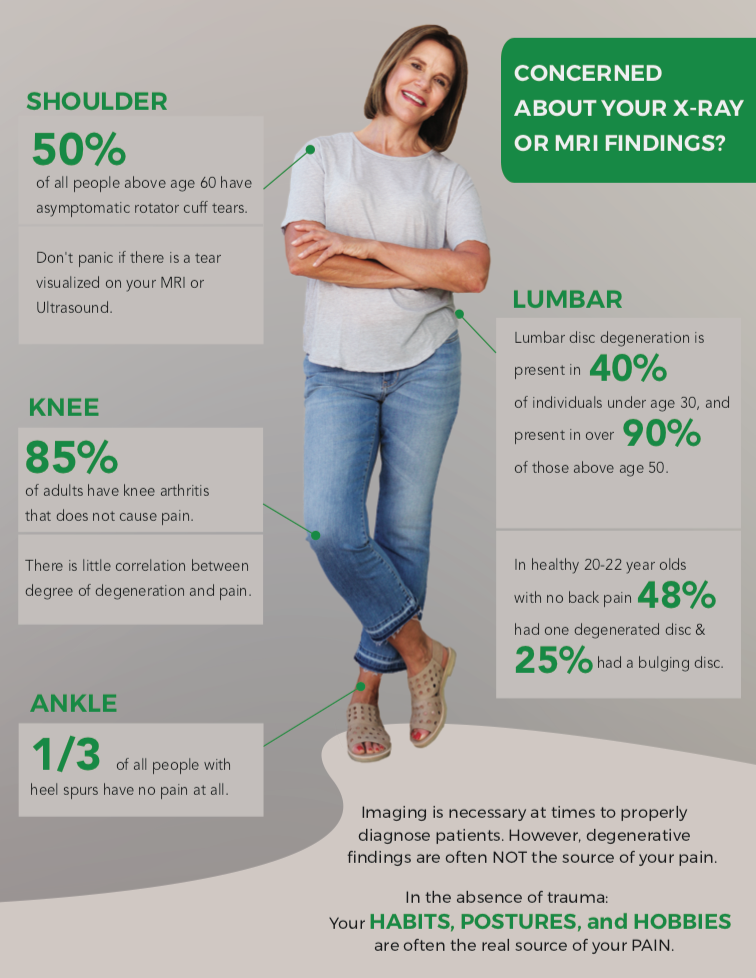
Having “Arthritis” Does Not Mean You’ll Have Pain

Arthritis

A recent research review found “no correlation” between the intensity of low back pain and the degree of arthritic change. Chiropractic helps address the underlying reason for both the symptoms and degeneration. If you or someone you know is living with pain, call our office today.

Download this infographic showing how structural problems like arthritis may not be the sole cause of your symptoms.

Herlin C et al. Modic changes—Their associations with low back pain and activity limitation: A systematic literature review and meta-analysis. PLoS1 2018 Aug 1;13(8):e0200677.

What is CST and how can it help?

What is CST and how can it help?

CranioSacral Technique is now available at Aberdeen Chiropractic!

Dr. Natalie Carriere has come on board offering CST, Karen Specific Technique (KST), Acupuncture, Chiropractic, Dry Needling and rehabilitation at Aberdeen Chiropractic.

What is CranioSacral Technique? What does it treat?

CranioSacral Technique (CST) is a light touch treatment method of relieving pain and dysfunction.

CST releases tension to allow the entire body to relax and self-correct. Using gentle, light touch you are evaluated and treated to reduce pain and physical stress.

Because it is such a gentle technique, it is considered an excellent treatment option for patients of all ages, especially newborn and elderly patients who are concerned with what is seen as traditional Chiropractic treatment.

For more information or to book an appointment with Dr. Carriere please call us at 204-586-8424 or email at info@aberdeenchiropractic.com